


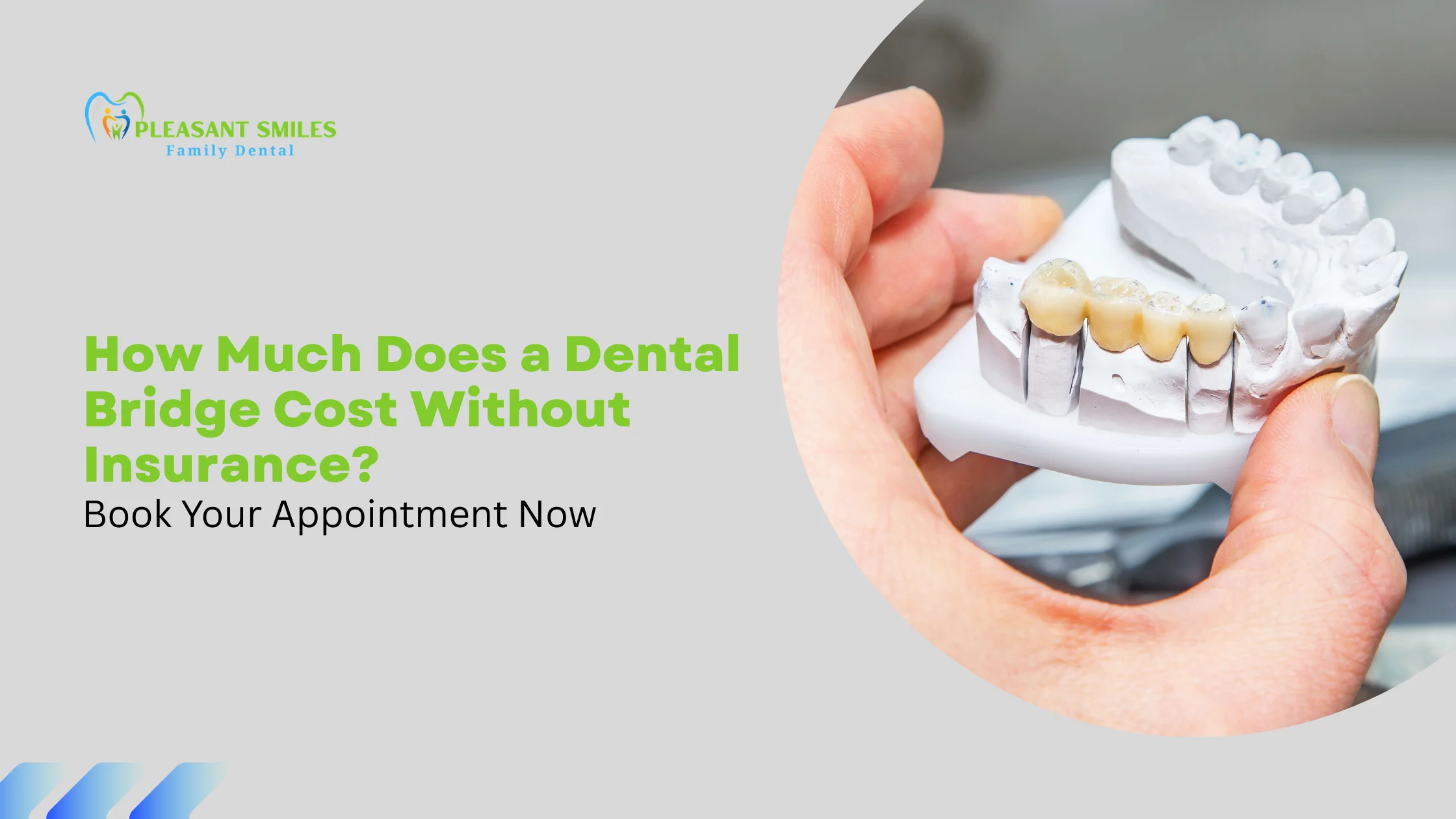
Visiting the dentist for an unexpected procedure can be stressful, especially when you’re unsure about the cost. A common concern many patients have is how much does a dental bridge cost without insurance. Knowing what to expect can help you plan and make informed decisions about your dental care.
A dental bridge is a restorative dental procedure used for missing teeth replacement, helping restore proper chewing, prevent neighboring teeth from shifting, and maintain the overall structure of your mouth.
Costs for a dental bridge can vary depending on several factors, including the type of bridge, the condition of the surrounding teeth, and any additional treatments that may be needed. Being aware of these factors beforehand can help you better understand the procedure and make decisions that suit your oral health needs.
What is a Dental Bridge?
A dental bridge is a type of dental restoration used to replace one or more missing teeth. It is called a bridge because it literally bridges the gap created by missing teeth. The bridge is supported by the natural teeth on either side of the gap, which may require abutment teeth preparation to hold crowns, or in some cases by dental implants.
The purpose of a dental bridge is to restore the ability to chew and speak properly, maintain the natural shape of your face, and prevent the remaining teeth from shifting out of position. Bridges are fixed in place and are not removable like dentures, making them a stable and long-lasting solution when properly cared for.
Dental bridges come in different designs depending on the location of the missing teeth and the condition of the surrounding teeth. The type of bridge used can also influence the overall cost and the procedure required to place it.
How many types of dental bridges are there?
Dental bridges are designed to replace missing teeth and restore function and appearance. The type of bridge chosen depends on the location of the missing tooth, the health of the surrounding teeth, and your overall oral health. Understanding the different types can help you make an informed decision about which dental bridge is right for you.
Here are the most common types of dental bridges and how they work:
Traditional Dental Bridge
The traditional dental bridge is the most commonly used type. It consists of one or more artificial teeth called pontics that are held in place by dental crowns on the adjacent natural teeth. This type of bridge is highly durable and is usually recommended when there are healthy teeth on both sides of the gap.
Traditional dental bridges are suitable for restoring back teeth as well as front teeth, and they help maintain proper chewing function and bite alignment.
Cantilever Bridge
A cantilever bridge is similar to a traditional bridge but is supported by a crown on only one adjacent tooth instead of two. This type of bridge is less common and is generally used when there is only one healthy tooth next to the missing tooth.
Cantilever bridges are often used in areas of the mouth that experience less chewing pressure, as placing the bridge on a single tooth can put more stress on that tooth over time.
Maryland Bridge
The Maryland bridge, also called a resin-bonded bridge, uses a metal or porcelain framework that is bonded to the back of the adjacent teeth. Unlike traditional bridges, Maryland bridges do not require full crowns on the supporting teeth, making them a more conservative option.
This type of dental bridge is often used to replace front teeth because it preserves the natural structure of the adjacent teeth and offers a natural-looking result.
Implant Supported Bridge
An implant-supported bridge does not rely on natural teeth for support. Instead, it is anchored to dental implants placed in the jawbone. This type of bridge is highly stable and considered a long-lasting dental bridge, providing durable support for multiple missing teeth.
Implant-supported bridges are typically recommended when multiple teeth are missing or when the surrounding teeth are not strong enough to support a traditional bridge. While this option usually involves higher dental bridge cost, it is often considered the most reliable solution for long-term oral health.
How Much Does a Dental Bridge Cost Without Insurance?
The cost of a dental bridge can vary widely based on the type of bridge, number of teeth being replaced, and materials used. Without insurance, prices generally range from $500 to $4,000 per tooth. Understanding these factors helps you plan for the procedure with confidence.
Even though this range is broad, understanding the factors that affect pricing can help you make informed decisions about your oral health. Material choice, for example, can influence both the durability and appearance of your bridge.
Porcelain, zirconia, or porcelain-fused-to-metal bridges all have different costs and lifespans. Additionally, if adjacent teeth require preparation, crowns, or other treatments before placing the bridge, the overall cost will increase.
While dental insurance can help offset some of these expenses, many patients do not have coverage. Even without insurance, there are options to make treatment more manageable. Financing plans or in-house payment options can allow patients to spread the cost over time, making it easier to receive the care they need without financial stress.
At Pleasant Smiles Family Dental, we help patients understand the dental bridge procedure and its costs before treatment. By reviewing your oral health, the number of teeth involved, and your goals, we provide a clear, personalized estimate. Knowing what to expect helps you plan ahead and make confident decisions for restoring your smile.
Dental Bridge Cost by Type
The cost of a dental bridge can vary depending on the type of bridge used and the materials involved. Understanding the different types of dental bridges can help you plan and make informed decisions about treatment.
Traditional Dental Bridge
A traditional dental bridge is the most common type and is used when there are healthy teeth on both sides of the gap. It consists of one or more artificial teeth, called pontics, anchored by crowns placed on the neighboring teeth. This type of bridge is strong and reliable, suitable for both front and back teeth.
Cost Insight: Generally, traditional bridges fall within a moderate price range, influenced by materials and complexity.
Cantilever Bridge
A cantilever bridge is supported by a crown on only one adjacent tooth. This type is less commonly used and is generally recommended for areas of the mouth that experience lower chewing pressure. Because it relies on a single tooth for support, it is important that the supporting tooth is healthy and strong.
Cost Insight: This option is often slightly less expensive than a traditional bridge but varies based on material and tooth preparation.
Maryland Bonded Bridge
Maryland bridges, also called resin-bonded bridges, use a metal or porcelain framework that is bonded to the back of the adjacent teeth. This option is more conservative because it preserves the natural structure of the supporting teeth. Maryland bridges are most often used to replace front teeth where strength is less of a concern.
Cost Insight: Maryland bridges usually cost less than traditional bridges and are chosen when a more conservative approach is preferred.
Implant-Supported Bridge
An implant-supported bridge is anchored to dental implants instead of natural teeth. This type of bridge provides excellent stability and durability, making it suitable for patients replacing multiple missing teeth. While implant-supported bridges involve a more complex procedure, the long-term benefits include reduced risk of tooth shifting and stronger chewing function.
Cost Insight: Implant-supported bridges are generally higher in cost due to the surgical procedure and long-term durability benefits.
Factors That Affect Dental Bridge Work Cost
The cost of a dental bridge can vary widely based on several key factors. Understanding these elements can help you anticipate expenses and make informed decisions about your treatment.
Here’s a quick summary of the main factors that can affect the cost of your dental bridge:
| Factor | Description | Effect on Cost |
| Bridge Type | Traditional, cantilever, Maryland, implant-supported | More complex or implant-supported bridges cost more |
| Materials | Metal, porcelain-fused-to-metal, all-ceramic/porcelain | Higher quality or natural-looking materials increase cost |
| Number of Missing Teeth | Single tooth vs multiple teeth in a row | More teeth require more materials and lab work, increasing cost |
| Supporting Teeth | Health and condition of abutment teeth | Teeth needing prep, fillings, or root canals raise the overall cost |
Bridge Type
The type of dental bridge is one of the main factors affecting cost. There are four common types: traditional, cantilever, Maryland (resin-bonded), and implant-supported bridges.
- Maryland and cantilever bridges are generally more affordable and less invasive, but they are best suited for teeth that do not endure heavy chewing forces.
- Traditional bridges are durable and can be used for most teeth, but they tend to be more expensive due to the amount of work involved.
- Implant-supported bridges are the most costly option because they combine implant placement with the bridge restoration. These bridges are highly durable and long-lasting, but the surgical procedure and implant components increase the overall cost.
Material Used for the Bridge
The material used to make your dental bridge also plays a significant role in pricing.
- Metal bridges are typically the least expensive but may not offer the most natural appearance.
- Porcelain-fused-to-metal (PFM) bridges combine strength and aesthetics, making them a popular mid-range option.
- All-ceramic or all-porcelain bridges are usually the most expensive, offering a highly natural look and durability. These are often preferred for front teeth where appearance is a priority.
Number of Missing Teeth
The number of teeth being replaced directly affects the total cost. Replacing a single front tooth may require a simpler and less expensive bridge. However, if multiple teeth are missing, especially in a row, the procedure becomes more complex. Each additional pontic or implant increases the work involved, which will influence the overall dental bridge cost.
Required Work on Support Teeth
The health of the teeth adjacent to the gap, known as abutment teeth, directly affects the bridge procedure. Healthy supporting teeth allow for straightforward bridge placement, but if these teeth require treatment—such as fillings, root canals, or deep cleaning—the cost of the overall procedure will rise. Proper preparation of abutment teeth is essential for long-term success and durability of the bridge.
Cost to Bridge One Tooth vs Multiple Teeth
The cost of a dental bridge can vary depending on whether you are replacing a single tooth or multiple teeth. Understanding this distinction can help you plan your treatment and anticipate the overall expense.
Bridging a Single Tooth
When replacing a single missing tooth, the procedure is typically simpler. A traditional or Maryland bridge is often sufficient, and fewer materials and dental visits are required. The supporting teeth, or abutment teeth, may need crowns or preparation to hold the bridge in place, but the overall complexity is generally lower than for multiple teeth.
Bridging Multiple Teeth
Replacing multiple teeth in a row involves a larger bridge with more pontics, which increases the work required and the cost. In some cases, multiple missing teeth may require implant-supported bridges for better stability and durability. The number of supporting teeth, the materials chosen, and any preparatory dental work all contribute to the total dental bridge cost.
Factors That Influence the Difference
- Number of Pontics: More artificial teeth in the bridge increase material costs and laboratory work.
- Type of Bridge: Implant-supported bridges for multiple teeth are generally more expensive than traditional or Maryland bridges.
- Condition of Adjacent Teeth: Supporting teeth may require additional treatments before placing a multi-tooth bridge, which can raise costs.
- Materials Used: All-porcelain or ceramic bridges cost more than metal or porcelain-fused-to-metal bridges, especially when covering multiple teeth.
| Bridge Scenario | Description | Informational Price Range (Without Insurance) |
| Single Tooth | Replacing one missing tooth with a traditional or Maryland bridge. | Typically ranges from $1,500 to $5,000 depending on bridge type and materials. |
| Multiple Teeth | Replacing two or more missing teeth in a row, may require larger bridge or implant support. | Can range from $3,000 to $10,000 depending on the number of pontics and materials. |
| Implant-Supported | Single or multiple teeth replaced using implants to anchor the bridge. | Usually ranges from $5,000 to $10,000 or more, depending on number of implants and complexity. |
In general, bridging a single tooth is more straightforward and less costly, while replacing multiple teeth requires more planning, materials, and procedures, resulting in higher overall dental bridge work cost.
Does Insurance Cover Dental Bridge Cost?
Dental insurance can help reduce the cost of a dental bridge, but coverage depends on your plan and the reason for the procedure. Many dental insurance plans cover a portion of the cost, usually between 50-80%, if the bridge is considered medically necessary, such as restoring function after tooth loss.
If the bridge is being placed primarily for cosmetic reasons, insurance coverage is usually limited or may not apply. It’s important to review your dental plan to understand whether bridging procedures are included, as some plans may exclude them entirely regardless of medical necessity.
Other factors that can affect insurance coverage include:
- Annual maximums: If you have already reached your yearly dental benefits limit, coverage for a bridge may be reduced or unavailable.
- Waiting periods: Some insurance plans require a waiting period before covering major procedures, including bridges.
- Pre-approval: Many plans require pre-authorization to confirm coverage before the procedure begins.
At Pleasant Smiles Family Dental, we accept Husky Insurance and work closely with patients to maximize their benefits for restorative procedures like dental bridges. With Husky Insurance, patients can access essential care with less financial stress. Knowing your coverage ahead of time allows you to plan for the procedure and restore your smile confidently.
Conclusion
When it comes to maintaining your dental health, having a trusted local dental clinic is important. At Pleasant Smiles Family Dental, we are dedicated to providing high-quality care and helping patients restore their smiles with procedures like dental bridges.
We accept many insurance plans, including Husky Insurance, to help lower out-of-pocket costs. For patients without insurance, flexible financing and payment options are available. Understanding the type of dental bridge, cost factors, and coverage helps you make informed decisions about your oral health.
Our goal is to ensure that every patient feels confident and supported throughout their treatment journey. If you are considering a dental bridge, want to learn more about your options, or would like to book an appointment, Pleasant Smiles Family Dental is here to guide you every step of the way.