

Are Dental Sealants Worth It For Adults? Book An Appointment

In my years of practice, I have heard the same question from adult patients many times. They ask me, isn’t this just for kids? It is a fair question. Sealants have been marketed as a children’s treatment for years.

But after seeing thousands of mouths, I can tell you adults benefit from sealants more often than people realize. The answer of whether they are worth it depends on your mouth, your habits, and your cavity history.

What Are Dental Sealants?

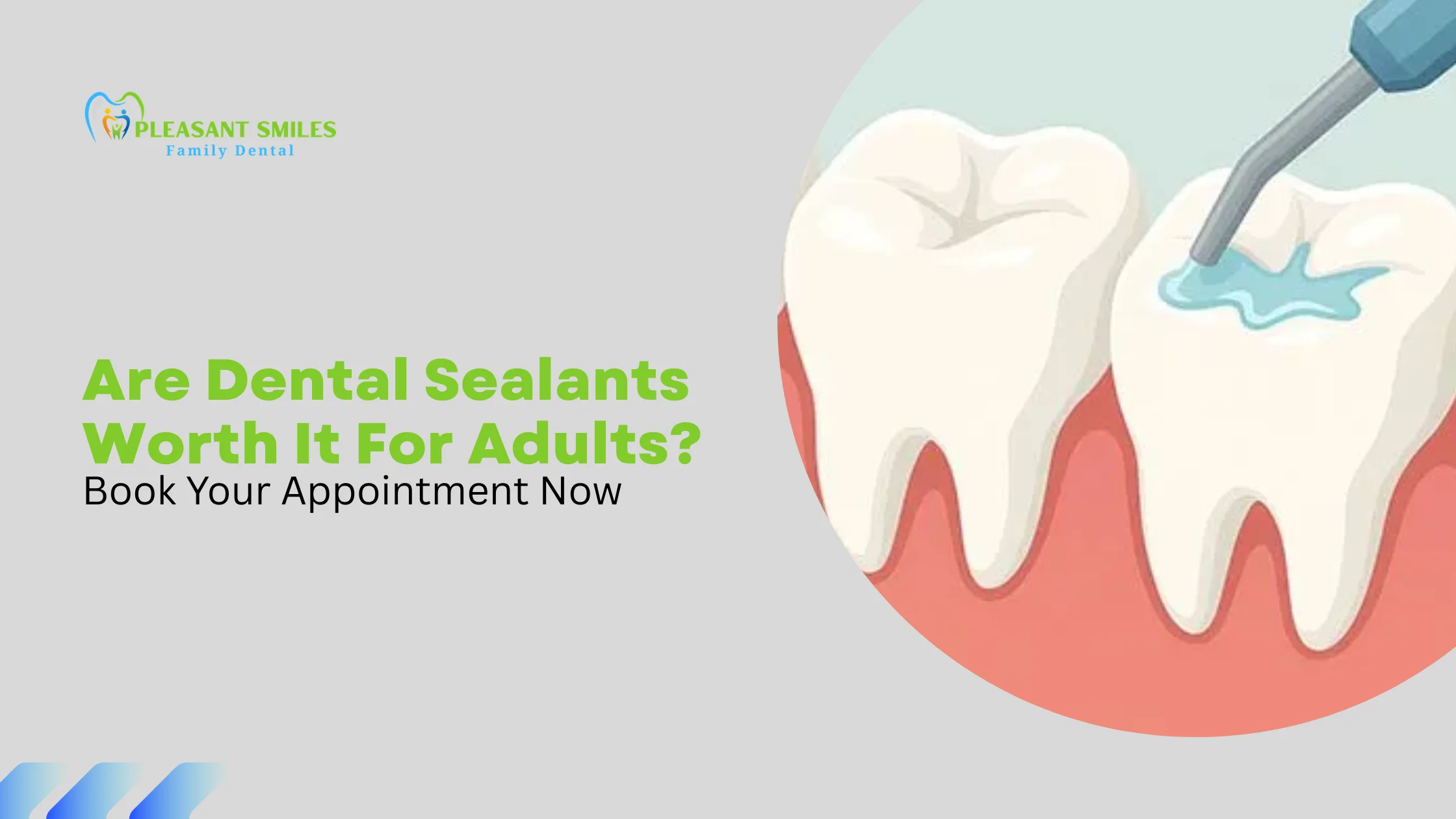
A dental sealant is a thin coating placed on the chewing surface of your back teeth. It fills the deep grooves where food and bacteria like to settle. Once it is in place, the tooth becomes easier to clean.

The material is a tooth colored resin, so nobody will see it when you talk or smile. Most patients tell me they forget it is even there after the first day.

A sealant is not a replacement for brushing or flossing. It is a backup for the spots that careful brushing has trouble reaching.

Dental Sealants: How Do They Work?

Placing a sealant is one of the easiest things we do in the office. The whole appointment takes about ten to fifteen minutes per tooth. There is no drilling, no shots, and no soreness afterward.

First I clean the tooth so nothing gets trapped under the coating. Then I apply a mild gel that roughens the surface so the sealant can grip. After a quick rinse, I paint the sealant on and harden it with a small curing light.

Once it cures, the sealant forms a smooth barrier over the chewing surface. Bacteria and food slide off instead of sinking into the cracks. The CDC and ADA both recognize sealants as an effective way to reduce decay on molars.

What’s the Difference Between Getting a Sealant as an Adult Compared to a Child?

The sealant material is the same for both. What changes is the reason for placing one.

With kids, the goal is simple. Their permanent molars come in around ages six and twelve, and most children are still learning how to brush well. We seal early to lock in protection before any damage starts.

With adults, I take a different approach. Some teeth may already have fillings or crowns, which means a sealant has nothing natural to bond to. Other teeth might still be in great shape but have grooves that trap food every day.

Instead of asking how old you are, I look at your cavity risk. That tells me far more than your age does. There is also a practical difference. Most insurance covers sealants for kids only, so adults usually pay out of pocket.

What Are the Pros of Dental Sealants For Adults?

Here are the main benefits I see in my adult patients:

  • Cavity protection in spots that are hard to clean, even with careful brushing.
  • Quick and painless procedure with no numbing, no drilling, and no recovery time.
  • Far less expensive than a filling, and much cheaper than a crown or root canal down the line.
  • Helps reduce repeat cavities in teeth that have been trouble spots before.
  • Can ease mild sensitivity to cold or heat by covering the chewing surface.
  • A gentle option for patients who feel anxious about other dental work.

What Are the Cons of Dental Sealants For Adults?

I always give my patients the full picture. Here are the honest downsides:

  • Sealants do not last forever. They wear down over time, especially with grinding.
  • Most insurance plans cover sealants for children only. Adults usually pay out of pocket.
  • If a tooth has hidden decay, sealing over it traps the bacteria. A careful exam first prevents this.
  • Some patients feel a slight bite difference for a day or two. It usually settles in on its own.
  • Sealants only work on natural tooth surfaces. Teeth that already have fillings or crowns are not candidates.

Are Dental Sealants Worth It For Adults?

Here is the honest answer I give in my chair. Sealants are absolutely worth it for some adults and not really needed for others. Your personal cavity risk is what tips the scale.

You are a strong candidate if a few of these apply to you:

  • You have had cavities show up in your back teeth more than once.
  • Your molars have deep grooves you can feel with your tongue.
  • You take medication that causes dry mouth.
  • You drink coffee, soda, or sports drinks regularly.
  • You wore braces or other orthodontic work that makes some teeth harder to clean.
  • You deal with acid reflux or GERD, which can wear down enamel.

If three or more of these sound like you, sealants are usually a smart investment. If none of them apply and your adult cavity history is clean, you may not need them at all.

Are Dental Sealants Worth It For Kids?

Parents ask me this almost as often as adults do. My answer is usually a simple yes, but with a little context. Sealants for kids are one of the most cost effective preventive treatments in dentistry.

The best window to seal a child’s tooth is right after a permanent molar comes in. The first set shows up around age six, and the second set comes in around age twelve. Sealing soon after eruption keeps food and bacteria from settling into those deep grooves.

Children also benefit because their daily diets often include sticky and sugary foods. Crackers, juice, and fruit snacks cling to back teeth longer than parents would guess. A sealed molar gives those foods nowhere to hide.

Insurance is another reason I recommend sealants for kids. Most plans cover them for children up to a set age, often with little or no out of pocket cost. So you get strong protection at the most affordable price.

There are still cases where I do not seal a child’s tooth. If a tooth already has decay or a filling, a sealant is not the right call for that one. We treat the problem first, then seal the healthy molars around it.

When Sealants Are NOT Worth It for Adults

This is where most articles online get vague, and I think that does patients a disservice. Let me be specific about when I tell adult patients to skip sealants.

If your back teeth already have fillings or crowns, sealants are not the right tool. They only bond to the natural tooth surface, so there is nothing for them to grip on a restored tooth.

If there is any sign of active decay, we handle that first. Sealing over a cavity makes the problem worse, not better. And if your hygiene is solid and your cavity history is clean, the money may be better spent on other care.

Honest dentistry means saying no when no is the right answer. If sealants do not fit your situation, I will tell you so.

How Long Sealants Last and Signs Yours Are Failing

Sealants are designed to last for years, but no dental material lasts forever. How long yours holds up depends on your bite, whether you grind at night, your diet, and your checkup routine.

Between visits, watch for these signs that a sealant is starting to give out:

  • Food starts getting stuck in a tooth that used to feel smooth.
  • The chewing surface feels rough or sharp on your tongue.
  • A tooth that had been comfortable feels sensitive again.
  • You can see a chip, a gap, or a darker edge in the mirror.

If a sealant has worn down, there is no need to worry. Reapplying one is just as fast and painless as the first time. Routine cleanings every six months are the easiest way to keep tabs on your sealants.

Schedule an Appointment For Dental Sealants For Adults

Sealants are one of the simpler ways to protect your back teeth, but they are not right for everyone. The best place to start is a quick exam where we can look at your molars and talk through your cavity history.

At Pleasant Smiles Family Dental in Cheshire CT, I take time with every patient to explain what is needed and what is not. No upselling. No scare tactics. Just a clear plan based on your mouth.

Call our office at 860 426 0997 or visit by 1090 Meriden Waterbury Turnpike, Suite 2, Cheshire, CT 06410. New patients are always welcome, and we will find a time that fits your schedule.

Frequently Asked Questions

What are dental sealants?

A dental sealant is a thin, tooth-colored resin coating placed on the chewing surface of back teeth. It fills the deep grooves where food and bacteria settle, making the tooth easier to clean. Sealants are not a replacement for brushing or flossing — they act as a backup for spots that careful brushing has trouble reaching.

How do dental sealants work?

Placing a sealant takes about 10 to 15 minutes per tooth with no drilling, no shots, and no soreness. The dentist cleans the tooth, applies a mild gel to roughen the surface, rinses it, paints on the sealant, and hardens it with a curing light. Once cured, it forms a smooth barrier so bacteria and food slide off instead of sinking into the cracks.

What is the difference between getting a sealant as an adult versus a child?

The material is the same. With kids, sealants are placed on newly erupted permanent molars (around ages 6 and 12) before any decay starts. With adults, the focus shifts to cavity risk rather than age. Some adult teeth already have fillings or crowns and can’t be sealed, while others are healthy but have deep grooves that trap food. Most insurance covers sealants only for children, so adults typically pay out of pocket.

What are the pros of dental sealants for adults?

Sealants protect cavity-prone areas that are hard to clean, the procedure is quick and painless with no numbing or recovery time, they cost far less than a filling or crown, they help reduce repeat cavities in trouble teeth, they can ease mild sensitivity to hot or cold, and they’re a gentle option for patients who feel anxious about dental work.

What are the cons of dental sealants for adults?

Sealants do not last forever and wear down over time, especially with grinding. Most insurance plans cover them only for children, so adults usually pay out of pocket. If a tooth has hidden decay, sealing over it traps the bacteria — a careful exam first prevents this. Some patients feel a slight bite difference for a day or two. Sealants also only work on natural tooth surfaces, so teeth with fillings or crowns are not candidates.

Are dental sealants worth it for kids?

Yes, Sealants are one of the most cost-effective preventive treatments in dentistry for children. The best window is right after a permanent molar erupts, around ages 6 and 12. Most insurance plans cover sealants for children with little or no out-of-pocket cost. The exception is a tooth that already has decay or a filling, which is treated first before sealing the healthy molars.

How long do dental sealants last and how do I know if mine are failing?

Sealants are designed to last for years, but longevity depends on your bite, grinding habits, diet, and checkup routine. Signs a sealant is wearing out include food getting stuck in a tooth that used to feel smooth, a rough or sharp surface on the tongue, returning sensitivity, or a visible chip or darker edge. Reapplying a sealant is just as quick and painless as the first time.

Pulpotomy vs Root Canal: Which One Do You Need?

Tooth pain can be confusing, especially when your dentist starts using words like pulpotomy vs root canal. Both treatments address infections within a tooth. But they are not the same. One is used at an early stage. The other is used when the problem has already gone deep.

Knowing the difference helps you avoid the wrong treatment and pick the right one at the right time.

Pulpotomy vs Root Canal: The Quick Answer

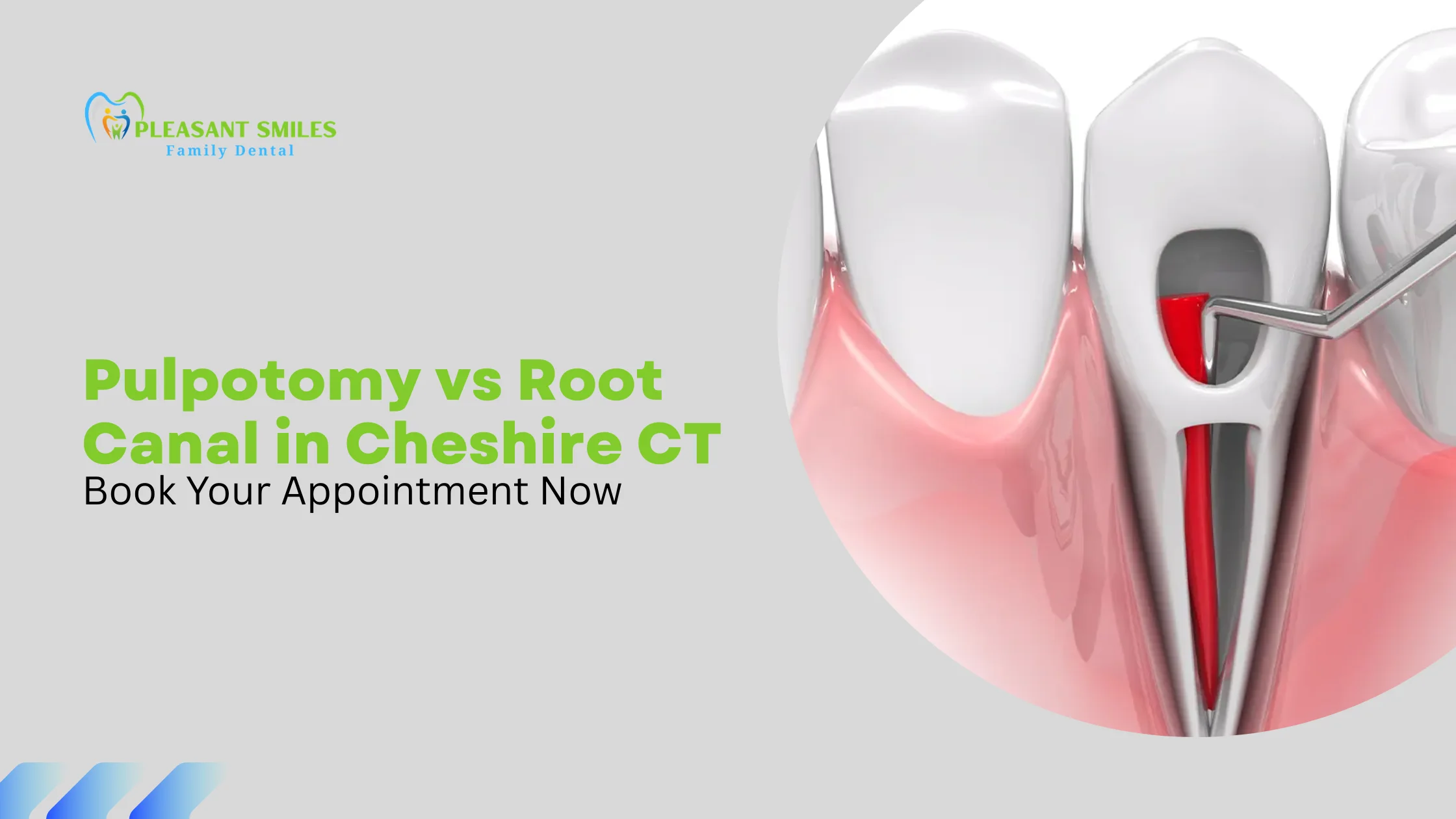
A pulpotomy removes only the infected pulp from the top of the tooth. The healthy pulp inside the roots is left untouched.

A root canal removes all the pulp. From the top of the tooth and from every root canal. The inside is then cleaned, disinfected and sealed.

In short, a pulpotomy is partial. A root canal is complete. The right choice depends on how far the infection has spread.

What is Tooth Pulp and Why Does It Matter?

Tooth pulp is the soft tissue inside your tooth. It contains nerves and blood vessels. It helps the tooth grow and lets it sense hot and cold.

When decay or injury reaches the pulp, bacteria get inside. The pulp gets inflamed first. If nothing is done, it becomes infected. The infection then travels down into the roots and into the bone around the tooth.

How far this damage has spread is what decides your treatment. That is why two people with similar tooth pain can need very different procedures.

What is a Pulpotomy?

A pulpotomy is a smaller dental procedure. The dentist removes only the infected pulp from the top part of the tooth. The healthy pulp inside the roots stays in place.

A medicated dressing is placed over the remaining pulp to calm it and protect it. The tooth is then sealed with a filling. In children, a stainless steel crown is often added on top.

The goal is simple. Stop the infection from spreading without removing tissue that is still healthy. This treatment is most often done on baby teeth. But it is also used on permanent teeth in young adults when enough healthy pulp is left.

When a Pulpotomy is the Right Choice

You or your child may need a pulpotomy if:

  • The infection is mild and has not reached the roots
  • Tooth pain started recently and is still mild
  • A baby tooth has deep decay but the roots are still healthy
  • A young permanent tooth was injured before the root finished growing
  • There is no swelling, no abscess and no infection seen on the X-ray

If any of these are missing, a pulpotomy will usually not be enough.

What is a Root Canal?

A root canal is the full treatment. It is needed when the infection has already gone deep into the tooth or when the pulp is dead.

The dentist removes all the pulp. Both from the top of the tooth and from every canal inside the roots. The inside is then cleaned, shaped and disinfected. Once the tooth is fully clean, it is sealed with a special material so bacteria cannot get back in.

Most back teeth then need a crown on top. This is because a tooth without pulp is more brittle and can crack under chewing pressure.

When a Root Canal is the Right Choice

You may need a root canal if:

  • The pain is sharp, throbbing or wakes you up at night
  • Hot or cold pain lasts more than 30 seconds after the trigger is gone
  • The gum near the tooth is swollen or has a small bump
  • The tooth has changed colour and looks darker than the others
  • The X-ray shows a dark spot at the tip of the root
  • A deep cavity, crack or old filling has reached the nerve

Pulpotomy vs Root Canal: Key Differences

Feature Pulpotomy Root Canal
Pulp removed Only from the top of the tooth All pulp, top and roots
Tooth stays alive Yes No
Best for Early stage infection Deep or complete infection
Number of visits Usually 1 Often 1 to 2
Treatment time 20 to 40 minutes 60 to 90 minutes per visit
Final restoration Filling or steel crown Almost always a crown
Common in Children and young adults All ages
Cost Lower Higher

How Your Dentist Decides Between the Two

Most patients think the choice is based on how much the tooth hurts. It is not. Pain alone is not reliable. Some teeth with serious infections barely hurt. Some mild cases hurt a lot.

Your dentist looks at four main things.

The X-ray. A dark area at the tip of the root means the infection has reached the bone. This rules out a pulpotomy.

Pulp testing. Cold tests and other simple tests show whether the nerve is still alive and how it is reacting.

Bleeding inside the tooth. Once the dentist opens the tooth, the colour of the pulp tells the rest of the story. Bright red blood that stops in a few minutes means the deeper pulp is healthy. Dark, slow blood means the pulp is dying. The first case is a pulpotomy. The second is a root canal.

Your history. Pain at night, swelling that came and went, or a tooth that has been “off” for months all point to deeper infection.

This is why a proper clinical check matters more than guessing from symptoms.

Symptoms That Mean You Need Treatment Soon

Some tooth pain is harmless. Other signs mean the problem is getting bigger by the day. Watch out for these:

  • Pain that does not go away or comes back at night
  • Sensitivity to hot or cold that lingers for more than 30 seconds
  • Pain when biting or chewing on one side
  • Swollen gums or face around the tooth
  • A bad taste, pus or a small pimple-like bump on the gum
  • A tooth that has slowly turned grey or darker

The longer you wait, the fewer options you will have. A pulpotomy can turn into a root canal. A root canal can turn into an extraction.

Pros and Cons of Pulpotomy

Pros

  • Less invasive
  • Shorter appointment, usually one visit
  • Cheaper than a root canal
  • The tooth stays alive
  • Lower risk of the tooth becoming brittle later

Cons

  • Only works if the deeper pulp is truly healthy
  • May need to be converted to a root canal later if the case was misjudged
  • Less predictable in adult permanent teeth than in baby teeth

Pros and Cons of Root Canal

Pros

  • Removes the source of infection completely
  • Very high success rate. Often above 90 percent over 10 years
  • Stops the infection from reaching the jawbone
  • Saves the natural tooth
  • With a crown, the tooth can chew normally for many years

Cons

  • More invasive and takes longer
  • Costs more, plus the crown is a separate cost
  • The tooth becomes non-vital
  • A small number of cases need repeat treatment

Which is Better, Pulpotomy or Root Canal?

There is no single winner. They solve different problems.

If the pulp is mostly healthy and the damage is small and recent, a pulpotomy is the smarter choice. It saves more of your natural tooth. Doing a root canal in this case would be too much treatment.

If the pulp is already infected throughout or dead, a pulpotomy will fail. Sometimes within weeks. The patient then ends up needing a root canal anyway. In that case, a root canal from the start is the better choice.

The right treatment is the one that matches the real condition of the tooth. That is why a proper diagnosis with an X-ray and pulp test matters more than what you read online.

Alternatives to Pulpotomy and Root Canal

Sometimes neither treatment is the right fit. The other options are:

  • Pulpectomy: This removes all the pulp from a baby tooth. It is used when a pulpotomy is not enough but a full root canal is too much.
  • Tooth extraction: Used when the tooth is broken too badly, has a cracked root, or cannot be rebuilt. Often the last option.
  • Replacing the tooth: If a tooth is pulled, an implant or bridge can fill the gap. This matters most for back teeth used for chewing.
  • Watchful waiting: Used only in very early cases. The dentist places a deep filling and checks the tooth over time to see if the pulp settles down.

Saving your natural tooth is almost always the first goal. No implant feels exactly like your own tooth.

What to Expect After Each Treatment

After a pulpotomy, most people feel mild soreness for a day or two. Soft food helps. Most patients are back to normal eating within 24 hours.

After a root canal, the tooth can feel tender for 3 to 5 days. Especially when you bite on it. Over the counter pain medicine handles this. Avoid chewing hard or sticky food on that tooth until the permanent crown is placed.

For both treatments, long-term success comes down to two simple things. Brushing twice a day. And going for your follow-up visit. Most failures are not from the procedure itself. They come from skipped crowns or new cavities forming next to the filling years later.

About Pleasant Smiles Family Dental

At Pleasant Smiles Family Dental, the focus is on understanding what is actually happening inside the tooth. Not just the surface pain. Every case is checked carefully so the real cause of the problem is clear before any treatment is suggested.

Dr. Vijitha Bandla follows a condition-based approach to dental care. Treatment is chosen based on the health of the tooth, the level of infection, and the overall oral condition of the patient.

If you’re experiencing tooth pain or unsure whether you need a pulpotomy or root canal, scheduling a consultation can help you get clarity on the right treatment for your situation.

Pulpotomy vs Root Canal FAQs

1. Is a pulpotomy the same as a root canal?

No. A pulpotomy removes only the pulp from the top of the tooth. A root canal removes all the pulp from the top and from every root. They are used at different stages of the same problem.

2. Is a pulpotomy painful?

The procedure itself is not painful because it is done under local anesthesia. Some mild soreness for a day or two is normal and goes away with simple pain medicine.

3. Can a pulpotomy fail?

Yes. The most common reason is that the deeper pulp was already infected at the time of treatment but did not show clear signs. If this happens, the next step is usually a root canal.

4. How long does a root canal last?

A root canal with a properly placed crown can last 10 to 30 years. Many last for the lifetime of the tooth. Studies show success rates above 90 percent over 10 years when both the root canal and the crown are done well.

5. Can adults get a pulpotomy?

Yes. It is less common than in children but it is possible. Young adults with a recent injury or deep decay can be good candidates if the deeper pulp is still healthy.

6. Is a root canal safer than pulling the tooth?

For most teeth, yes. Pulling a tooth removes the infection but leaves a gap. This affects your bite and the bone around the area over time. Keeping your natural tooth is almost always the better long-term choice.

7. Does every root canal need a crown?

Most back teeth do. They take heavy chewing pressure and can crack without protection. Front teeth sometimes do not need a crown if enough healthy structure is left.

Water Flosser vs Regular Floss: Which is Better for Oral Health?

When it comes to daily oral care, many patients ask about water flosser vs regular floss and which one actually works better. The confusion is understandable—both claim to clean between teeth, but they do it very differently.

Flossing is essential because brushing alone misses about 35–40% of tooth surfaces, especially between teeth where plaque builds up. Choosing the right method can directly impact your gum health and long-term dental outcomes.

In this guide, you’ll get a clear, expert-backed comparison to help you decide what fits your routine, lifestyle, and oral health needs.

What Is a Water Flosser?

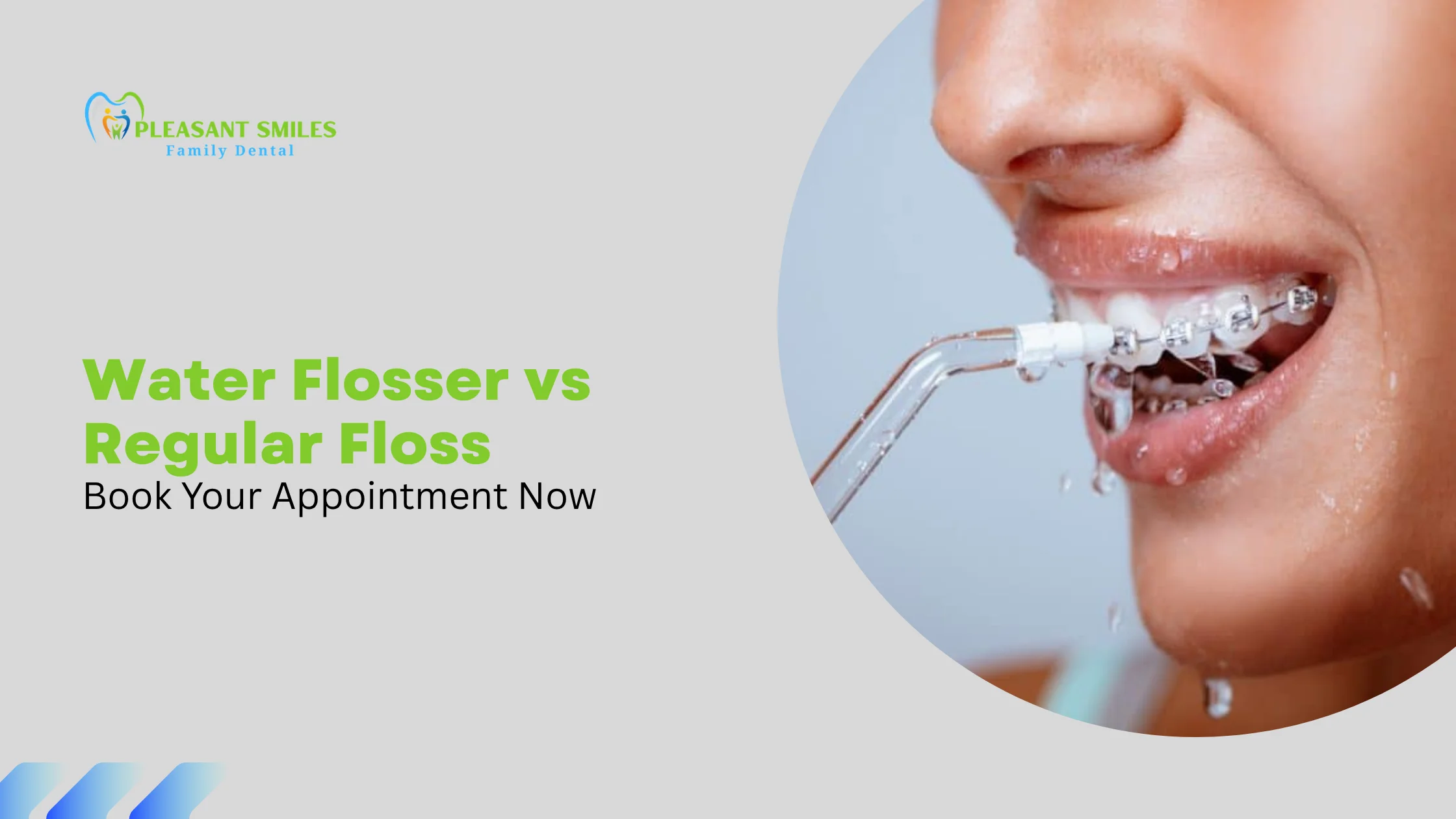
A water flosser is a device that uses a pressurized stream of water to clean between teeth and along the gumline. It’s also known as an oral irrigator.

Instead of physically scraping plaque like string floss, it flushes out food particles and bacteria. This makes it especially helpful for people with braces, implants, or sensitive gums.

According to the American Dental Association, water flossers can be effective for reducing plaque and gingivitis when used properly. Many modern devices also come with adjustable pressure settings for comfort.

What Is Regular Dental Floss?

Regular dental floss is a thin strand designed to physically remove plaque and debris from between teeth. It has been the standard recommendation for decades.

Floss works by sliding between tight spaces and scraping plaque directly off the tooth surface. This is something water alone may not fully achieve.

The Centers for Disease Control and Prevention emphasizes flossing daily as a key step in preventing gum disease and tooth decay, especially in areas a toothbrush cannot reach.

Water Flosser vs Regular Floss – Key Differences

At first glance, both tools seem to do the same job—clean between your teeth. But once you start using them, the difference becomes very clear. Each works in its own way, and each has strengths that suit different situations.

Feature Water Flosser Regular Floss Winner
Plaque Removal Great for flushing out food particles and bacteria from around the gums and hard-to-reach areas Best at physically removing sticky plaque by scraping tooth surfaces directly Regular Floss
Ease of Use Simple and quick, especially helpful for braces, implants, or limited hand movement Requires proper technique and a bit of practice to use effectively Water Flosser
Gum Health Gentle on gums and helps reduce inflammation with a massaging effect Very effective at cleaning along the gumline, but can irritate if done aggressively Tie
Cost Higher initial cost due to the device Very affordable and widely available Regular Floss
Portability Less convenient for travel due to size and need for power Easy to carry and use anywhere Regular Floss

If you’re looking for precision and deep plaque removal, regular floss still holds a slight edge. But if comfort and ease matter more—especially with braces or sensitive gums—a water flosser can make daily cleaning much easier to stick with.

In reality, it’s not about choosing one over the other. Water flossers are excellent for improving gum health, while regular floss remains the gold standard for cleaning tight spaces between teeth.

What Are the Benefits of Water Flossers?

Water flossers are simple to use and gentle on the gums, making them a great option for people who find traditional floss difficult.

  • Gentle on sensitive gums: The steady water stream cleans without the harsh pressure of string floss.
  • Ideal for braces and implants: Easily reaches around wires, crowns, and other dental work.
  • Helps reduce gum bleeding: Regular use can improve gum health and lower inflammation.
  • Beginner-friendly: Requires less technique, making it easier to stay consistent.

Research published in the Mayo Clinic has shown that water flossers can be particularly effective in reducing gum bleeding when used regularly.

What Are the Benefits of Regular Floss?

Regular floss continues to be one of the most reliable ways to clean between teeth, especially in areas a toothbrush can’t reach.

  • Removes plaque directly: The string makes physical contact with the tooth surface, helping clear stubborn buildup.
  • Affordable and accessible: It’s inexpensive and easy to find anywhere.
  • No power needed: Simple to use at home or while traveling.
  • Clinically proven: Backed by years of dental research and routine recommendations.

Dentists in Cheshire CT often prefer floss for its precision, especially when cleaning tight spaces where plaque tends to hide.

What Are the Disadvantages of Water Flossers?

Water flossers are convenient and gentle, but they’re not the perfect fit for every situation. It’s important to understand where they may fall short.

  • Higher upfront cost: The device is more expensive compared to regular floss.
  • Needs power and water: Less convenient when traveling or on the go.
  • Limited for tight spaces: May not fully remove sticky plaque between closely spaced teeth.
  • Requires maintenance: Regular cleaning is needed to keep the device hygienic.

For many people, a water flosser works best as a supportive tool rather than a complete replacement for traditional floss.

What Are the Disadvantages of Regular Floss?

Regular floss works well, but it does require the right technique and consistency to be effective. For many people, that’s where the challenge begins.

  • Technique-sensitive: If not used properly, floss may miss plaque or fail to clean effectively.
  • Can irritate gums: Flossing too hard or snapping it can cause bleeding and discomfort.
  • Difficult with braces: It can be tricky to maneuver around wires, brackets, or dental work.
  • Not beginner-friendly: Some people find it awkward, which leads to skipping it altogether.

This is why many patients prefer water flossers—they’re often easier to use and fit more comfortably into a daily routine.

Which Is More Effective According to Dentists?

Both options work well—but they serve slightly different purposes in your routine. The key isn’t choosing one over the other, but using the right tool consistently.

The Pleasant Smiles Family Dental supports daily interdental cleaning, whether it’s with floss or a water flosser. What matters most is how regularly and correctly you use it.

  • Regular floss is more effective at removing plaque tightly stuck between teeth
  • Water flossers are better at improving gum health and reducing bleeding

In practice, many dentists recommend combining both methods to get the most complete clean.

Water Flosser vs Regular Floss: Which Should You Choose?

The right choice really comes down to your oral condition and what you’ll actually use every day. Both options work well—consistency matters more than perfection.

  • Choose a water flosser if: you have braces, implants, or sensitive gums and want a gentler, easier routine.
  • Choose regular floss if: your teeth are tightly spaced and you need precise plaque removal between contacts.
  • Go for a water flosser if: you find traditional floss difficult or tend to skip it altogether.
  • Stick with regular floss if: you prefer a simple, low-cost option that’s easy to carry anywhere.

In the end, the best option is the one you can use consistently without skipping days.

When Should You Talk to a Dentist?

If your gums bleed regularly, feel swollen, or you notice ongoing bad breath, it’s a sign you shouldn’t ignore. These symptoms often point to early gum issues that need attention.

Gum disease can develop quietly, and by the time it becomes obvious, it may already be progressing. Getting checked early helps prevent more serious problems and protects your long-term oral health.

At Pleasant Smiles Family Dental, Dr. Vijitha Bandla focuses on understanding your specific needs and guiding you toward a practical, easy-to-follow oral care routine that fits your daily life.

Conclusion

When comparing water flosser vs regular floss, the right choice depends on your specific needs, comfort, and consistency. Regular floss is excellent for removing plaque, while water flossers are great for improving gum health and ease of use.

The best results often come from combining both methods and maintaining a consistent routine. Oral health is not about perfection—it’s about habits you can stick to daily.

If you’re unsure which option is right for you, schedule a consultation with Pleasant Smiles Family Dental. Dr. Vijitha Bandla and the team can guide you toward a routine that protects your gums, teeth, and long-term oral health with confidence.

Water Flosser vs Regular Floss FAQs

1. Is a water flosser better than regular floss?

It depends on your needs. Water flossers are great for improving gum health and reducing bleeding, while regular floss is better at removing plaque between tight teeth. Many dentists suggest using both for the best results.

2. Do dentists recommend water flossers?

Yes, especially for people with braces, implants, or sensitive gums. The American Dental Association recognizes water flossers as an effective way to clean between teeth and support gum health.

3. Can a water flosser replace regular floss?

Not completely. A water flosser can remove debris and bacteria, but it may not fully clean tight spaces where plaque sticks. For thorough cleaning, combining both methods is often recommended.

4. Is water flossing enough to remove plaque?

Water flossing helps flush out bacteria and food particles, but it doesn’t always remove sticky plaque from tooth surfaces. Regular floss is more effective for that mechanical cleaning.

5. Which is better for gum disease?

Water flossers are often more helpful for gum disease because they gently clean below the gumline and reduce inflammation. However, pairing them with regular floss can improve overall results.

Dental Implants vs Veneers: Which Option is Right for You?

Introduction

When patients start comparing dental implants vs veneers, it’s usually because they want a long-lasting solution to improve their smile. But the truth is, these two treatments serve very different purposes, and choosing the wrong one can lead to disappointing results.

In my experience, many people assume veneers and implants are interchangeable, when in reality, one replaces missing teeth while the other enhances existing ones. Understanding this difference is the key to making the right decision for your oral health and appearance.

In this guide, we’ll break down everything you need to know—from how each treatment works to their pros, limitations, costs, and ideal candidates—so you can confidently choose what’s best for your smile.

What Are Dental Implants?

Dental implants are a permanent solution for replacing missing teeth. Instead of sitting on the gums like dentures or relying on adjacent teeth like bridges, implants are placed directly into the jawbone, acting as artificial tooth roots.

The process involves inserting a small titanium post into the bone, which gradually fuses with it through a natural process called osseointegration. Once healed, a crown is placed on top, creating a tooth that looks, feels, and functions very much like a natural one.

What makes implants unique is their ability to restore both function and structure. They don’t just fill a gap—they help maintain jawbone density, support facial structure, and allow you to chew comfortably without worrying about movement or instability.

Advantages of Dental Implants

Strong and Stable Fit: Dental implants are securely anchored into the jawbone, providing exceptional stability. This allows you to eat, speak, and smile confidently without worrying about movement or slipping.

Preserves Jawbone Health: Implants stimulate the jawbone just like natural tooth roots, helping prevent bone loss that typically occurs after missing teeth. This also helps maintain your natural facial structure over time.

Long-Lasting Solution: With proper care and regular dental visits, implants can last for decades. Their durability makes them one of the most reliable tooth replacement options available.

Natural Look and Feel: Implants are designed to closely mimic natural teeth in both appearance and function, making them virtually indistinguishable from your existing teeth.

Protects Surrounding Teeth: Unlike bridges, implants do not rely on adjacent teeth for support. This helps preserve the strength and integrity of your natural teeth.

Improved Chewing Ability: Because implants function like real teeth, they restore strong biting force, allowing you to enjoy a wider range of foods without discomfort.

Enhanced Comfort: Since implants become part of your jawbone, they eliminate the discomfort often associated with removable dental appliances.

Easy Maintenance: Caring for dental implants is simple and similar to natural teeth—regular brushing, flossing, and routine dental checkups help keep them in excellent condition.

Disadvantages of Dental Implants

Surgical Procedure Required: Dental implants involve a minor surgical process to place the implant into the jawbone. This may not be suitable for patients with certain medical conditions or those who prefer non-invasive treatments.

Longer Treatment Timeline: The process takes time, as the implant must heal and integrate with the bone before the final crown is placed. In most cases, the full treatment can take several months.

Higher Initial Cost: Implants typically require a greater upfront investment compared to other options. While they offer long-term value, the initial expense can be a concern for some patients.

Requires Adequate Bone Support: Successful implant placement depends on having sufficient jawbone density. Patients with bone loss may need additional procedures like bone grafting before treatment.

Healing and Recovery Period: After the implant is placed, a healing phase is necessary. Some patients may experience temporary discomfort, swelling, or dietary restrictions during recovery.

Not Ideal for Every Patient: Certain health conditions, such as uncontrolled diabetes or heavy smoking, can affect healing and may impact the success of dental implants.

Multiple Appointments Needed: Unlike some cosmetic treatments, implants require several visits for placement, healing, and final restoration, which may not suit patients looking for a quicker solution.

Maintenance Still Required: Although implants are durable, they still require proper oral hygiene and regular dental checkups to prevent complications like gum infection around the implant.

What Are Dental Veneers?

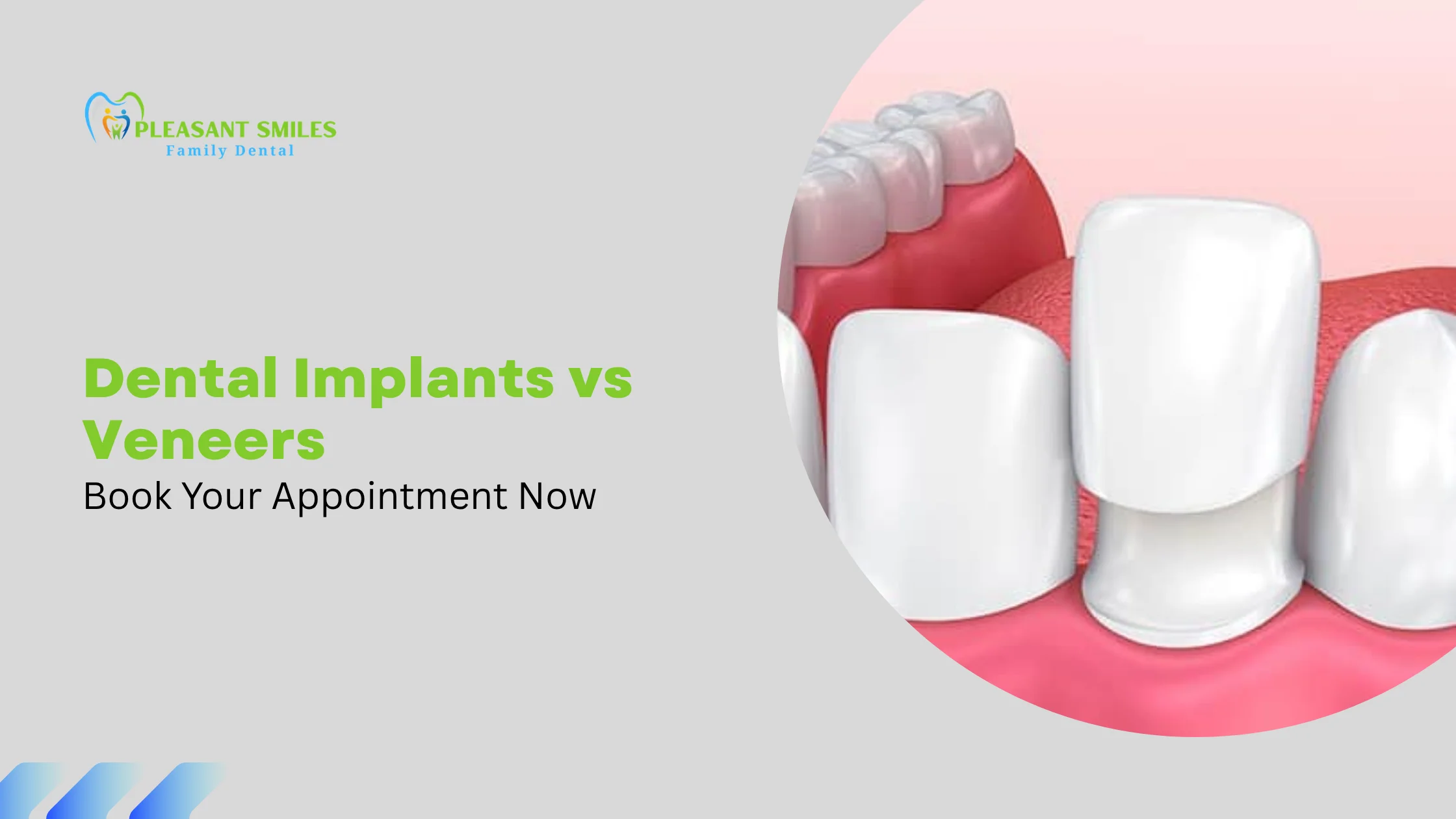
Dental veneers are thin, custom-made shells designed to cover the front surface of your teeth and improve their appearance. They are typically made from porcelain or composite resin and are bonded directly to the teeth.

Unlike implants, veneers do not replace missing teeth. Instead, they are used to correct cosmetic concerns such as discoloration, chipped edges, gaps, uneven shapes, or slightly misaligned teeth. They’re often chosen by patients looking for a quick and noticeable smile transformation.

One of the reasons veneers are so popular is their ability to create a dramatic improvement in a relatively short time. With proper planning and design, veneers can enhance the color, shape, and symmetry of your smile while still looking natural.

Advantages of Dental Veneers

Quick Smile Transformation: Veneers offer fast cosmetic improvements, often transforming your smile in just a few appointments, making them ideal for patients looking for noticeable results without lengthy treatments.

Highly Natural Appearance: Porcelain veneers are crafted to reflect light similarly to natural teeth, helping them blend seamlessly and create a bright, realistic smile.

Fix Multiple Issues at Once: Veneers can address several concerns in one treatment, including discoloration, minor gaps, uneven shapes, and worn edges, simplifying the overall smile makeover process.

Minimally Invasive Option: Compared to crowns, veneers require only slight enamel removal, preserving most of your natural tooth while still achieving strong and aesthetic results.

Long-Lasting Durability: With proper care, high-quality veneers can last many years, making them a reliable option for maintaining a confident smile over time.

Stain Resistance: Porcelain veneers are resistant to common stains from coffee, tea, and other foods, helping your smile stay brighter for longer compared to natural teeth.

Boosts Confidence: By improving the overall look of your teeth, veneers can significantly enhance self-confidence, especially in social and professional settings.

Disadvantages of Dental Veneers

Permanent Enamel Removal: Veneers require removing a thin layer of enamel, making the procedure irreversible. Once placed, the tooth will always need protection with veneers or a similar restoration.

May Cause Tooth Sensitivity: Some patients experience increased sensitivity to hot and cold after treatment due to enamel reduction, especially in the initial weeks following veneer placement.

Not Ideal for All Cases: Veneers may not be suitable for patients with severe decay, weak teeth, or habits like teeth grinding, as these factors can affect long-term success.

Risk of Chipping or Cracking: Although durable, veneers are not indestructible. Biting hard objects or excessive pressure can cause them to chip or fracture over time.

Replacement May Be Needed: Veneers are long-lasting but not permanent. Most need replacement after 10–15 years, depending on oral care and lifestyle habits.

Limited Repair Options: If a veneer is damaged, it often cannot be repaired easily and may require full replacement to restore appearance and function.

Cost Consideration: Veneers can be a significant investment, and since they are typically cosmetic, they may not be covered by insurance plans.

Possible Gum Adjustment Issues: In some cases, gums may take time to adapt to veneers, which can temporarily affect comfort or appearance.

Does Not Treat Underlying Problems: Veneers focus on aesthetics and do not fix deeper dental issues such as infections, gum disease, or structural damage, which must be treated separately.

Dental Implants Vs. Veneers: Comparing Costs, Longevity, and Results

When comparing dental implants vs veneers, the choice depends on your goals—whether you need to restore missing teeth or enhance the appearance of existing ones. Both treatments improve your smile, but they differ in function, durability, and long-term value.

Costs: Veneers usually have a lower upfront cost, especially when treating a few visible teeth. However, since they may need replacement over time, the overall expense can increase. Implants require a higher initial investment but often prove more cost-effective long term due to their durability.

Longevity: Dental implants are designed to last 20 years or more and can even last a lifetime with proper care. Veneers typically last 10–15 years, after which they may need replacement to maintain appearance and function.

Results: Both options deliver natural-looking results. Implants replace the entire tooth structure, offering both functional and aesthetic benefits. Veneers enhance the front surface of teeth, focusing mainly on improving cosmetic appearance.

Maintenance: Implants are cared for like natural teeth with regular brushing, flossing, and dental visits. Veneers require similar care, but patients should avoid habits like biting hard objects to prevent damage.

Procedure: Veneers are less invasive and usually completed in a few appointments with minimal downtime. Implants involve a surgical procedure and healing phase, making the process longer but more comprehensive.

Dental Health Impact: Implants help preserve jawbone density and prevent bone loss after tooth loss. Veneers maintain most of the natural tooth but require slight enamel removal, which is permanent.

Suitability: Implants are ideal for replacing missing or severely damaged teeth. Veneers are better suited for cosmetic concerns like discoloration, small gaps, or uneven shapes in otherwise healthy teeth.

Insurance Coverage: Both veneers and implants are often considered cosmetic procedures, so insurance coverage may be limited. It’s important to review your plan and discuss options with your dental provider.

Which One Offers Better Results?

The better option depends entirely on your dental needs. If you’re dealing with missing teeth or need a strong, functional replacement, implants are the better choice. If your teeth are healthy but you want to improve their appearance—such as color, shape, or alignment—veneers can deliver excellent cosmetic results.

Who Should Choose Veneers?</b>

Veneers are best suited for individuals who want to improve the appearance of their smile rather than fix major dental problems. They work well when teeth are healthy but have visible cosmetic concerns.

People with stubborn stains, minor chips, small gaps, or slightly uneven teeth can benefit from veneers, as they address multiple aesthetic issues in a single treatment.

They are also a great option for those looking for quick smile enhancement with natural-looking results. However, good oral health, including healthy gums and strong teeth, is essential before choosing veneers.

Who Should Choose Dental Implants?

Dental implants are ideal for individuals who have one or more missing teeth and are looking for a permanent, stable replacement option that closely mimics natural teeth. They restore both function and appearance effectively.

They are a strong choice for those struggling with chewing difficulties, noticeable gaps, or concerns about jawbone loss over time. Implants also help maintain facial structure and long-term oral health.

Suitable candidates should have healthy gums and adequate jawbone support. In cases where bone strength is insufficient, supportive treatments like bone grafting can often make implants a viable solution.

Veneers Vs. Implants: Which Is Better for You?

Choosing between veneers and implants depends entirely on your dental needs, overall oral health, and personal smile goals. Since both treatments serve different purposes, the right option varies from patient to patient.

If your teeth are healthy but you want to improve their appearance—such as color, shape, or minor alignment—veneers can deliver a quick and natural-looking cosmetic enhancement with minimal tooth alteration. However, if you have missing teeth or need a stronger functional replacement, dental implants offer a long-term and highly stable solution.

The best decision is usually made after a detailed dental evaluation. A professional dentist can examine your condition, discuss your expectations, and suggest a treatment plan tailored specifically for you.

If you’re considering improving your smile, you can book a consultation with Pleasant Smiles Family Dental to explore whether veneers or implants are right for you.

How Do You Find a Good Cosmetic Dentist? Expert Guide

Choosing to improve your smile is a big decision, and the results depend heavily on the dentist you select. Many patients today search for how do you find a good cosmetic dentist because cosmetic treatments require both technical skill and an artistic eye.

Unlike general dental care, cosmetic dentistry focuses on enhancing the appearance of your teeth while maintaining proper function. Whether you’re considering veneers, teeth whitening, or a complete smile makeover, the quality of the outcome is directly linked to the dentist’s experience and approach.

With so many options available, it’s important to know what to look for before making a decision. In this guide, you’ll learn how to evaluate a cosmetic dentist, what questions to ask, and how to choose the right professional for long-lasting, natural-looking results.

What Does a Cosmetic Dentist Actually Do?

A cosmetic dentist focuses on improving the appearance of your teeth, gums, and overall smile. While general dentistry is centered on oral health and prevention, cosmetic dentistry combines function with aesthetics to create a more balanced and natural-looking smile.

Common cosmetic treatments include procedures such as teeth whitening, veneers, dental bonding, and smile makeovers. These treatments are designed to address concerns like discoloration, chipped teeth, gaps, uneven shapes, or misalignment.

In many cases, a cosmetic dentist also ensures that any improvements blend seamlessly with your natural teeth. This requires not only technical expertise but also an eye for detail, symmetry, and facial harmony to achieve results that look both attractive and realistic.

Why Choosing the Right Cosmetic Dentist Is Critical

Cosmetic dental treatments are highly visible, which means even small mistakes can affect your overall appearance. Unlike routine procedures, results like veneers or smile makeovers are not easy to reverse, making your choice of dentist extremely important.

An experienced cosmetic dentist focuses on both aesthetics and function, ensuring that your smile not only looks natural but also feels comfortable and works properly. Poorly done cosmetic work can lead to issues such as uneven bites, discomfort, or the need for costly corrections later.

Choosing the right professional from the start helps you avoid unnecessary risks and ensures long-lasting results. A skilled cosmetic dentist will take the time to understand your goals and create a treatment plan that enhances your smile while protecting your oral health.

How Do You Find a Good Cosmetic Dentist?

Finding the right cosmetic dentist requires more than a quick online search. You need to evaluate their experience, approach, and ability to deliver natural-looking results.

To find a good cosmetic dentist, check their training and experience, review real patient results, read verified reviews, evaluate the technology they use, and schedule a consultation to assess their approach and communication.

Key Tips to Follow

  • Check Qualifications and Training: Look for a dentist with additional training or certifications in cosmetic dentistry, not just general dental experience.
  • Review Before-and-After Photos: A strong portfolio of real patient cases helps you understand the quality and consistency of their work.
  • Read Patient Reviews: Go through Google and other review platforms to see honest feedback about patient experiences and results.
  • Evaluate Experience in Specific Procedures: Make sure the dentist regularly performs the treatment you are considering, such as veneers or smile makeovers.
  • Ask About Technology Used: Modern tools like digital smile design and 3D imaging can improve precision and outcomes.
  • Schedule a Consultation: A consultation helps you understand their communication style, treatment plan, and how well they address your concerns.
  • Look for Personalized Treatment Plans: A good cosmetic dentist will customize the treatment based on your facial features, goals, and oral health.
  • Assess Communication and Transparency: The dentist should clearly explain procedures, risks, timelines, and costs without pressure.
  • Compare Multiple Options: Don’t rush the decision—consulting more than one dentist can help you make a more confident choice. 

Key Qualities of a Good Cosmetic Dentist

Proven Experience in Cosmetic Procedures

A skilled cosmetic dentist should have consistent experience in treatments like veneers, bonding, and smile makeovers. Repeated hands-on work helps refine technique and ensures more predictable, high-quality results.

Strong Portfolio of Real Cases

Before-and-after photos of actual patients provide insight into the dentist’s work. A reliable portfolio shows natural-looking results across different cases, not just one or two ideal outcomes.

Attention to Detail and Aesthetics

Cosmetic dentistry requires precision and an artistic eye. A good dentist focuses on symmetry, tooth proportions, and how your smile complements your facial features.

Use of Modern Technology

Advanced tools like digital smile design, intraoral scanners, and 3D imaging improve accuracy and planning. Technology helps create better-fitting restorations and more predictable results.

Clear Communication and Transparency

A trustworthy dentist explains every step of the process, including risks, timelines, and expected results. Clear communication helps you feel informed and confident about your decision.

Customized Treatment Approach

Every smile is different, and treatment should never be one-size-fits-all. A good cosmetic dentist designs a plan based on your goals, dental condition, and facial structure.

Positive Patient Feedback

Consistent positive reviews and patient testimonials reflect reliability and patient satisfaction. Look for feedback that mentions both the experience and the final results.

Why Patients Trust Pleasant Smiles Family Dental

At Pleasant Smiles Family Dental, Dr. Vijitha Bandla brings years of hands-on experience in cosmetic and restorative dentistry. Her dedication to staying updated with modern techniques and technology ensures patients receive safe, effective, and natural-looking results.

The clinic focuses on personalized care, combining aesthetic improvements with functional outcomes. Every treatment is tailored to enhance not only the smile but also overall oral health and confidence. Patients trust Pleasant Smiles Family Dental for reliable, compassionate care that delivers long-lasting results.

Conclusion

Choosing the right cosmetic dentist comes down to a few key considerations: evaluating experience, reviewing real patient results, checking credentials, and feeling confident in the clinic’s approach. Taking the time to research and compare options can help you make an informed decision that meets both your aesthetic and oral health goals.

If you’re ready to explore your cosmetic dentistry options or have questions about specific treatments, scheduling a consultation is the best next step. At Pleasant Smiles Family Dental, Dr. Vijitha Bandla and our team provide personalized guidance to help you achieve a smile that looks natural, feels comfortable, and supports long-term oral health.

FAQs

1. How do I choose the best cosmetic dentist?

Look for experience, training in cosmetic procedures, real patient results, positive reviews, and a dentist who explains options clearly. Trust and comfort with your dentist are key for successful outcomes.

2. What qualifications should a cosmetic dentist have?

A good cosmetic dentist should have a dental degree, advanced training in aesthetic procedures, certifications from recognized dental boards, and hands-on experience in treatments like veneers, teeth whitening, and smile makeovers.

3. Is cosmetic dentistry safe?

Yes, cosmetic dentistry is generally safe when performed by a qualified dentist. Proper evaluation, planning, and using approved materials ensure treatments improve your smile without compromising oral health.

4. How long do cosmetic results last?

The longevity of cosmetic results depends on the procedure, oral hygiene, and lifestyle habits. Teeth whitening may last months, while veneers and crowns can last 10–20 years with proper care.

5. Is cosmetic dentistry worth it?

Cosmetic dentistry can boost confidence, improve smile aesthetics, and enhance oral function. Investing in treatments with a skilled dentist often provides long-term benefits for both appearance and dental health.

Dental Implants Versus Dentures: Which Is Better for You?

Replacing missing teeth is essential for maintaining oral health, proper chewing, and overall comfort. Many patients often compare dental implants versus dentures to understand which option is more suitable for their needs.

Both options are widely used for missing teeth replacement, but they function differently. Dentures are removable appliances designed to replace multiple missing teeth, while dental implants are fixed solutions placed in the jawbone to support artificial teeth.

When comparing dentures vs implants, factors such as stability, longevity, maintenance, and oral health impact play a key role. Understanding the difference between dentures and implants can help you make a more informed decision based on your condition and long-term expectations.

​​Key Considerations

  • Long-Term Costs: Dentures are cheaper upfront but may cost more over time due to adjustments and replacements, while implants are a higher initial investment with long-term savings.
  • Maintenance Requirements: Implants are brushed like natural teeth, whereas dentures need daily removal, soaking, and special cleaning.
  • Bone Health and Facial Structure: Implants preserve jawbone density and prevent facial sagging, unlike dentures which do not support the bone.
  • Hybrid Solutions: Implant-supported dentures or “All-on-4” offer more stability than traditional dentures without placing an implant for every tooth.
  • Lifestyle and Functionality: Implants provide better chewing efficiency and natural feel, while dentures may affect comfort, speech, or eating certain foods.

What Are Dental Implants?

Dental implants are a fixed solution used to replace missing teeth. They involve placing a small titanium post into the jawbone, which acts like a natural tooth root and supports a crown, bridge, or even full arch restoration.

Over time, the implant integrates with the bone through a process called osseointegration, creating a stable and long-lasting foundation. This procedure makes implants one of the most reliable options for restoring both function and appearance.

Compared to other options like dentures, implants do not move or shift in the mouth. They are designed to function like natural teeth, improving chewing ability and helping maintain jawbone health.

What Are Dentures?

Dentures are removable dental appliances used to replace missing teeth and surrounding tissues. They are typically made from acrylic or a combination of materials and are designed to fit comfortably over the gums.

There are different types of dentures, including full dentures for replacing all teeth and partial dentures for filling gaps when some natural teeth remain. This feature makes them a flexible option for various levels of tooth loss.

Compared to implants, dentures are not fixed in place and may need to be removed for cleaning. While they restore basic function and appearance, they may feel less stable during eating or speaking.

Dental Implants vs Dentures—Key Differences

Both dental implants and dentures are effective solutions for replacing missing teeth, but they differ in how they function, feel, and are maintained. Understanding these differences can help you choose the option that best fits your needs.

Feature Dental Implants Dentures
Placement Surgically placed into the jawbone Rest on top of the gums
Stability Fixed and secure Removable, may shift
Comfort Feels similar to natural teeth May take time to adjust
Chewing Ability Strong and efficient Limited compared to implants
Maintenance Brushed like natural teeth Removed daily for cleaning
Longevity Long-term solution with proper care May need replacement over time

Dental implants are designed to function like natural teeth, offering better stability and chewing strength. In contrast, dentures provide a more affordable and non-surgical option but may require adjustments over time.

Procedure for Dental Implants vs Dentures

Understanding the procedure for dental implants versus dentures helps set clear expectations about time, complexity, and overall treatment approach. Both options restore missing teeth, but the process involved is very different.

Dental Implants Procedure

Dental implants require sufficient jawbone to support the implant. The process begins with placing a small titanium post into the jawbone, which acts as an artificial tooth root.

After placement, the bone gradually fuses with the implant through a healing process called osseointegration. This phase can take a few months, as the implant becomes stable within the bone.

Once healing is complete, a connector (abutment) is attached, followed by a custom-made crown. The final result is a fixed tooth replacement that closely functions like a natural tooth.

Dentures Procedure

Dentures are a non-surgical option and can be made regardless of bone availability. The process typically starts with taking detailed impressions of the gums and any remaining teeth.

These impressions are used to create a custom set of dentures designed to fit comfortably and support proper chewing and speech. In some cases, trial dentures are placed first to check fit and alignment.

The final dentures are supplied after any required modifications. They are designed to rest on the gums and may be held in place using natural suction or a dental adhesive for added stability.

Dental Implants vs. Dentures—Pros and Cons

Pros of Dental Implants

  • Improved Stability: Implants anchor securely into the jawbone, reducing movement and preventing slipping while eating or speaking.
  • Bone Preservation: Implants stimulate the jawbone, helping maintain bone density and facial structure over time.
  • Long-Term Solution: With proper care, implants can last many years and often outlast traditional dentures.
  • Enhanced Comfort: Because they are fixed in place, implants feel more natural and reduce gum irritation.
  • Better Chewing Ability: Implants provide stronger biting force, allowing patients to eat a wider variety of foods comfortably.

Cons of Dental Implants

  • Surgical Procedure Required: Implant placement involves minor oral surgery, which may not be suitable for all patients.
  • Healing Time: The process requires time for the implant to integrate with the bone before final placement.
  • Higher Initial Cost: Implants typically involve a greater upfront investment compared to dentures.

Pros of Dentures

  • Non-Surgical Option: Dentures do not require surgery, making them suitable for patients who prefer less invasive treatment.
  • Affordable Upfront Cost: They are generally more budget-friendly compared to implants.
  • Faster Treatment Process: Dentures can be made and fitted in a shorter period of time.
  • Suitable for Multiple Teeth: Ideal for replacing several or all missing teeth at once.

Cons of Dentures

  • Less Stability: Dentures may shift or move, especially while eating or speaking.
  • Adjustment Period: It can take time to get used to wearing dentures comfortably.
  • Ongoing Maintenance: Dentures require daily removal, cleaning, and occasional adjustments or replacement.

Partial Dentures vs Implants

When to Choose Partial Dentures

Partial dentures are often recommended when a few teeth are missing and a non-invasive, removable solution is preferred. They are suitable for patients with limited jawbone density or those who want a cost-effective option without surgery. Partial dentures restore chewing ability and aesthetics but require daily cleaning and occasional adjustments.

When Implants Are Better

Dental implants are ideal for patients seeking a permanent solution with improved stability and function. Implants preserve jawbone health, prevent bone loss, and feel more like natural teeth. They are especially recommended when long-term durability and minimal movement during chewing or speaking are priorities.

Cost and Comfort Comparison

Partial dentures are generally less expensive upfront but may need replacement over time and can cause minor gum irritation. Implants have a higher initial cost but offer better comfort, stability, and long-term oral health benefits. Over time, implants often provide a more cost-effective solution due to their longevity and reduced maintenance needs.

Implant-Supported Dentures vs Traditional Dentures

What Are Implant-Supported Dentures?

Implant-supported dentures attach to dental implants placed in the jaw, providing a stable and secure fit. Unlike traditional dentures, they don’t rely solely on adhesives and are less likely to shift while speaking or eating. This option is particularly helpful for patients who want a more natural feel and improved chewing efficiency.

Advantages Over Traditional Dentures

Implant-supported dentures help preserve jawbone density by stimulating the bone, which reduces bone loss over time. They also offer better comfort, fewer sore spots, and increased confidence while speaking or smiling. Patients generally find them easier to adapt to compared to removable dentures.

When Traditional Dentures Are Suitable

Traditional dentures remain a practical choice for patients who cannot undergo implant surgery due to medical conditions, insufficient bone, or budget constraints. They restore function and aesthetics but may require adhesives and periodic adjustments to maintain a proper fit.

Making a Decision: Dental Implants vs Dentures

When choosing between dentures and implants, several key factors can help guide your decision:

Age

Younger patients often benefit from implants because they offer a long-term solution that can last decades. Older adults may prefer dentures, as they require less invasive procedures and can be fitted more quickly.

Bone Density

Implants need sufficient jawbone to support the posts. Bone loss from age, tooth loss, or gum disease can make implants challenging, though bone grafting is an option for some patients.

Function and Comfort

Implants generally offer better stability, chewing ability, and a more natural feel than dentures. Implant-supported overdentures combine the benefits of both, providing improved comfort and efficiency over traditional dentures.

Oral Hygiene

Implants require less daily maintenance compared to removable dentures. If you anticipate challenges in keeping dentures clean or in place, implants may be the more practical option.

Choosing the right option depends on your health, lifestyle, and personal preferences. A consultation with a dental professional can help determine which solution will best meet your needs.

Alternatives to Dentures and Dental Implants

While dentures and dental implants are the most common options for replacing missing teeth, several alternatives may suit your needs depending on your oral health, budget, and lifestyle:

Dental Bridge: 

A dental bridge, also called a fixed partial denture, replaces one or more missing teeth by anchoring to the surrounding teeth. Bridges can restore your smile and chewing function effectively, though proper care and regular dental checkups are necessary to prevent decay on the supporting teeth.

Temporary Partial Denture (Flipper): 

Flippers are removable, retainer-like dentures that fill gaps caused by missing teeth. They are lightweight and cost-effective, offering a quick cosmetic solution while waiting for a permanent option like an implant or bridge. However, they are less durable and may need replacement over time.

Snap-In Denture (Overdenture): 

Snap-in dentures combine features of implants and traditional dentures. They attach to a few dental implants in the jaw, providing more stability than conventional dentures. Snap-in dentures can be removable for cleaning or fixed, but they require regular maintenance and come with similar considerations as implants.

Each of these alternatives has its own advantages and limitations. Discussing your oral health, budget, and long-term goals with a dental professional, such as Dr. Vijitha Bandla at Pleasant Smiles Family Dental, will help determine which solution is best suited for your smile.

Pleasant Smiles Family Dental: Dentures and Dental Implants Explained

At Pleasant Smiles Family Dental, Dr. Vijitha Bandla and our experienced team understand that each patient’s dental needs are different. We provide thorough guidance on options for replacing missing teeth, including traditional dentures and dental implant-supported solutions.

Our approach focuses on ensuring that each option—whether a removable denture or a fixed implant—fits comfortably, functions well, and supports long-term oral health. By assessing your jawbone, bite, and overall oral condition, we help patients make informed choices between dentures and implants.

With careful planning and modern techniques, patients can achieve a stable, natural-looking smile while maintaining comfort and functionality. Our goal is to provide clarity on the differences, benefits, and considerations for each solution so you can choose what works best for your dental health.

FAQs

1. What are the main differences between traditional dentures and implant-supported dentures?

Traditional dentures rest on the gums and can be removed, while implant-supported dentures are anchored to dental implants in the jawbone. Implants offer better stability, improved chewing, and help maintain jawbone health, whereas traditional dentures are less invasive and more affordable.

2. Are implant-supported dentures more comfortable than traditional dentures?

Yes, implant-supported dentures generally feel more natural and secure. They reduce slipping, minimize sore spots, and make eating and speaking easier compared to traditional dentures.

3. Do implant-supported dentures last longer than traditional dentures?

Implant-supported dentures can last many years with proper care, often significantly longer than traditional dentures. The implants stimulate the jawbone, helping maintain support and prolong the lifespan of the prosthetic.

4. How do dentures affect bone loss?

Traditional dentures do not prevent bone loss, which can occur over time as the jawbone resorbs after tooth loss. Implant-supported dentures help preserve bone by stimulating the jaw, reducing the risk of facial structure changes.

5. Can I switch from traditional dentures to implant-supported dentures later?

Yes, it is possible to transition from traditional dentures to implant-supported dentures. A dentist will evaluate your jawbone health and may recommend bone grafting if additional support is needed for implants.

How to Cure Gum Disease Without a Dentist​

Many patients ask me how to cure gum disease without a dentist​, especially when they first notice bleeding gums or mild swelling. Gum disease is very common, yet many people don’t realize they have it in the early stages. The encouraging part is that mild cases can often improve with better daily oral care.

Gum disease usually begins with plaque, a sticky layer of bacteria that collects on the teeth and along the gumline. When plaque isn’t removed through regular brushing and flossing, it irritates the gums and causes inflammation. This early stage is called gingivitis, and it is usually reversible with proper care.

In many mild cases, improving your brushing routine, flossing daily, and using antibacterial rinses can help control gum inflammation. These simple habits reduce bacteria and allow the gums to heal naturally. Consistency with oral hygiene is the key to managing early gum problems.

However, when gum disease progresses into periodontitis, the infection can begin damaging the bone that supports the teeth. At this stage, home remedies alone are not enough to stop the condition. Professional dental treatment becomes necessary to prevent long-term complications.

What is Gum Disease?

Gum disease is a common condition that affects the gums and the tissues supporting your teeth. Many people don’t notice it at first because it often develops quietly without pain. If ignored, however, it can gradually damage the gums and even the bone that holds your teeth in place.

The problem usually begins with plaque, a sticky film of bacteria that forms on teeth and along the gumline. When plaque isn’t removed through brushing and flossing, it can harden into tartar and irritate the gums. This irritation triggers inflammation, which is the body’s natural response to infection.

Over time, this inflammation can cause symptoms like redness, swelling, bleeding gums, and persistent bad breath. If the condition continues to progress, it can lead to more serious periodontal problems. Dentists generally classify gum disease into two main stages.

Gingivitis (Early Stage)

Gingivitis is the earliest and most manageable stage of gum disease. Gums may appear red, swollen, or bleed during brushing or flossing. The good news is that with proper brushing, daily flossing, and regular dental cleanings, gingivitis can usually be reversed before it causes permanent damage.

Periodontitis (Advanced Stage)

Periodontitis is a more advanced stage of gum disease that develops when gingivitis is left untreated. In this stage, the infection spreads below the gumline and begins damaging the bone that supports the teeth. This can lead to gum recession, loose teeth, and even tooth loss if not treated promptly.

Symptoms of Gum Disease

Gum disease often begins with subtle signs that many people overlook. Recognizing these early symptoms can help prevent the condition from becoming more serious.

  • Gums that bleed during or after brushing and flossing
  • Swollen or tender gum tissue
  • Gums that appear red or inflamed instead of healthy pink
  • Ongoing bad breath that does not improve with brushing
  • Gums slowly pulling away from the teeth (gum recession)
  • Deep spaces or pockets forming between the gums and teeth
  • Teeth feeling loose or shifting slightly
  • Discomfort or sensitivity when chewing food

Causes of Gum Disease

Several factors can contribute to the development of gum disease. Understanding these causes can help reduce your risk and protect your oral health.

  • Poor oral hygiene that allows plaque and bacteria to build up on the teeth
  • A diet lacking essential nutrients needed for healthy gums
  • Smoking or tobacco use, which weakens gum tissue and slows healing
  • Certain medical conditions such as diabetes, HIV, or other immune-related illnesses
  • Hormonal changes, particularly during puberty or pregnancy
  • Genetic factors that may increase a person’s susceptibility to gum problems

The Importance of Early Detection & Prevention

Early detection plays a key role in protecting your gum health. Many people don’t notice gum disease until symptoms like bleeding, swelling, or bad breath become more noticeable. In reality, gum disease often begins quietly with mild inflammation.

When caught early in the gingivitis stage, gum disease can usually be reversed with proper brushing, daily flossing, and professional dental cleanings. At this point, the infection has not yet affected the bone or deeper tissues supporting the teeth. This makes treatment simpler and far more effective.

Preventive care is just as important as early treatment. Regular dental checkups help identify plaque buildup, gum inflammation, or early gum recession before the condition worsens. Addressing these signs early can prevent the development of periodontitis, a more serious form of gum disease.

Maintaining a consistent oral hygiene routine makes a big difference. Brushing twice a day, flossing daily, and visiting your dentist regularly can greatly reduce the risk of gum disease. Taking these preventive steps helps protect your gums and keeps your smile healthy for years to come.

Can You Cure Gum Disease Without a Dentist?

Many patients ask whether gum disease can be treated at home once they notice bleeding gums or mild swelling. The answer depends largely on how early the condition is detected. In the early stage, small improvements in daily oral care can sometimes calm the inflammation.

When gum disease is limited to gingivitis, the infection affects only the gum tissue and has not reached the supporting bone. Improving brushing habits, flossing consistently, and using antibacterial rinses can help reduce plaque and allow the gums to recover.

However, if gum disease progresses into periodontitis, the situation becomes more serious. Bacteria and hardened tartar begin to build up beneath the gum line where normal brushing and flossing cannot reach. At this point, professional dental treatment is necessary to stop the infection from causing deeper damage.

From a clinical perspective, home care plays an important role in maintaining gum health, but it cannot replace professional treatment in advanced cases. Persistent bleeding, gum recession, loose teeth, or ongoing bad breath are clear signs that a dental evaluation is needed. Early intervention helps prevent long-term complications and protects your smile.

How to Cure Gum Disease Without a Dentist​

When gum disease is still in its early stage, small changes in your daily routine can make a noticeable difference. In my experience, patients who become consistent with oral hygiene often see their gum inflammation improve within weeks. The key is removing plaque before it has a chance to irritate the gums further.

1. Improve Your Brushing Routine

Brushing is your first defense against plaque buildup along the gumline. Use a soft-bristled toothbrush and gently clean where the teeth meet the gums, as bacteria tend to gather there. Brushing twice a day for about two minutes helps keep harmful bacteria under control.

2. Floss Daily

Flossing reaches areas your toothbrush simply can’t access. Plaque often hides between teeth, and when it stays there, it quickly irritates the gums. Daily flossing removes trapped debris and reduces the risk of inflammation and bleeding.

3. Use an Antibacterial Mouthwash

An antibacterial rinse can help lower the number of bacteria in the mouth. It works by reaching areas brushing and flossing may miss. Regular use can support healthier gums and help manage early gum irritation.

4. Try a Warm Saltwater Rinse

A simple saltwater rinse can calm irritated gums and reduce mild swelling. Salt has natural cleansing properties that help keep bacteria in check. Rinsing for about 30 seconds with warm saltwater can soothe gum tissue.

5. Maintain a Healthy Diet

What you eat also affects your gum health. Nutrient-rich foods like leafy greens, fruits, and vegetables support the body’s natural ability to fight inflammation. Diets rich in vitamin C and antioxidants can help keep gum tissue healthier.

6. Vitamins

Vitamins play an important role in maintaining healthy gums and supporting the body’s immune system. Nutrients like vitamin C and vitamin D help reduce inflammation and strengthen gum tissue. A balanced diet rich in fruits and vegetables can support better gum health.

7. Avoid Smoking and Tobacco

Tobacco use weakens the body’s ability to fight infection in the mouth. It also slows the healing process of gum tissue. Patients who stop smoking often notice better gum health and less irritation over time.

8. Oil Pulling With Coconut Oil

Oil pulling with coconut oil is a traditional practice that may help reduce bacteria in the mouth. Swishing a tablespoon of coconut oil for 10–15 minutes can support gum health and reduce plaque buildup.

Complications of Untreated Gum Disease

When gum disease is left untreated, it can gradually progress into a serious condition that affects more than just your gums. The infection can spread deeper into the tissues supporting your teeth and may eventually impact overall oral health. Below are some of the most common complications associated with advanced gum disease.

Tooth Loss

Advanced gum disease is one of the most common reasons adults lose their teeth. As the infection progresses, it weakens the gums and the structures that hold the teeth in place. Over time, this damage can cause teeth to loosen and eventually fall out.

Bone Damage

Severe gum infection can begin to break down the jawbone that supports your teeth. As bone loss occurs, the stability of the teeth is affected and the shape of the smile may gradually change. In more advanced cases, bone damage can make future dental treatments more complex.

Increased Risk of Heart Disease

Studies have suggested a connection between gum disease and certain heart conditions. Bacteria from infected gums can enter the bloodstream and contribute to inflammation within the body. This may increase the risk of cardiovascular problems such as heart disease and stroke.

Respiratory Issues

Bacteria from untreated gum infections can sometimes travel into the respiratory system. When inhaled, these bacteria may contribute to respiratory infections or worsen existing conditions like pneumonia. Maintaining healthy gums can help reduce the risk of these complications.

When Gum Disease Cannot Be Treated at Home

Early gum irritation can sometimes improve with better oral hygiene. However, home care is not always enough to control gum disease. If the infection progresses, professional treatment becomes necessary.

Once gum disease moves beyond gingivitis, it can begin affecting the tissues and bone that support the teeth. At this stage, plaque and hardened tartar collect beneath the gumline where brushing and flossing cannot reach.

Certain symptoms signal that home remedies are no longer effective. Persistent bleeding, swollen gums, gum recession, bad breath, or loose teeth should not be ignored. These signs often indicate a more advanced infection.

Dentists typically treat these cases with procedures such as deep cleaning, scaling, and root planing. These treatments remove bacteria and tartar from areas that cannot be cleaned at home.

Getting professional care at the right time helps prevent long-term damage. If gum symptoms continue despite good oral hygiene, a dental evaluation is the safest way to protect your teeth and gums.

When Should You Seek Professional Help for Gum Disease?

If gum symptoms continue even after improving your oral hygiene routine, it may be time to consult a dental professional. Persistent gum problems can indicate that the condition is progressing and requires proper treatment.

The following signs suggest you should seek professional dental care:

  • Gums that bleed frequently, especially during brushing or flossing
  • Tender, swollen, or sensitive gum tissue
  • Unexpected gum bleeding while eating or chewing food
  • Ongoing bad breath that does not improve with oral care
  • New gaps or spaces forming between your teeth and gums

Final Thought

Healthy gums are essential for maintaining a strong and confident smile. While early gum irritation may improve with better oral care, symptoms like bleeding gums, swelling, or persistent bad breath should be evaluated by a dental professional. Early treatment can prevent more serious problems.

At Pleasant Smiles Family Dental, we focus on helping patients protect their long-term oral health. Dr. Vijitha Bandla and our experienced team carefully evaluate gum health and recommend treatments that address the root cause of the problem.

If you are noticing signs of gum disease or simply want to keep your gums healthy, a professional checkup can make a big difference. You can easily book your appointment or call us today at 860-426-0997

Frequently Asked Questions

1. Can gum disease be cured without a dentist?

Mild gum disease called gingivitis can sometimes improve at home with proper brushing, flossing, antibacterial mouthwash, and healthy habits. However, advanced gum disease (periodontitis) usually requires professional dental treatment to prevent permanent gum and bone damage.

2. What is the fastest way to cure gum disease at home?

The fastest way to improve early gum disease is by brushing twice daily, flossing every day, using an antibacterial mouth rinse, and rinsing with warm saltwater. These steps help reduce plaque buildup and calm gum inflammation.

3. How long does it take for gum disease to heal?

Early gum disease can begin improving within one to two weeks after maintaining consistent oral hygiene. However, complete healing depends on the severity of the condition and whether plaque and bacteria are properly controlled.

4. When should you see a dentist for gum disease?

You should see a dentist if gum bleeding continues for more than a few days, gums become swollen or painful, or you notice gum recession or loose teeth. These symptoms may indicate more advanced gum disease.

5. How can you prevent gum disease?

Preventing gum disease involves brushing twice daily, flossing regularly, using mouthwash, eating a balanced diet, and visiting the dentist for routine cleanings. Consistent oral hygiene is the most effective way to maintain healthy gums.

How to Choose the Right Dentist for Dental Implants

Choosing dental implants in Cheshire, CT to replace your missing teeth is a significant investment in your oral health, function, and overall quality of life. Naturally, you’ll want a highly qualified dentist to perform your treatment. While many general dentists now place dental implants, they may not have the specialized training and extensive experience that certain specialists possess.

You can technically see different types of dentists for your implant procedure, but it’s important to understand their qualifications and experience. These are general guidelines, so always check a dentist’s credentials, training, and years of implant placement experience, regardless of their specialty.

The Risks of Picking the Wrong Provider for Dental Implants

Dental implants in Cheshire are a major investment in your oral health, function, and smile. Choosing the wrong provider can lead to complications, additional costs, and even implant failure. Unlike routine dental work, implant procedures are surgical and technically complex, requiring precise planning and expertise. Not every dentist is equipped to handle these procedures safely.

Is Every Dentist Qualified to Place Implants?

While many general dentists offer implant services, only those with specialized training and experience in implant dentistry should perform complex procedures. Success depends on knowledge of jaw anatomy, surgical techniques, and prosthetic restoration.

Dentists who lack experience in procedures such as bone grafting, sinus lifts, or digital planning tools may increase the risk of complications or implant failure. To ensure the best outcome, choose a provider or team with a proven track record, advanced technology, and a collaborative approach to care.

What Type of Dentist Does Dental Implants?

Dental implants can be performed by different types of dental professionals depending on the patient’s needs, oral health condition, and the complexity of the procedure. Implant treatment often combines surgical placement with restorative work, which means more than one specialist may be involved in the process.

Understanding the different professionals who perform dental implant procedures can help patients decide whether they should visit a general dentist, oral surgeon, or another dental specialist for implant treatment.

General Dentist Implants

Many patients receive dental implants from a general dentist who has completed additional training in implant dentistry. General dentists commonly handle straightforward implant cases where the jawbone is healthy and no complex surgical procedures are required.

A general dentist may perform the entire treatment process, including the implant placement, abutment teeth preparation, and the final crown restoration. This option can be convenient for patients because the procedure and follow-up care are handled in one dental office.

However, if the case involves bone loss, impacted teeth, or surgical complications, the general dentist may refer the patient to a specialist for the implant placement while completing the final restoration later.

Oral Surgeon for Dental Implants

An oral and maxillofacial surgeon is often recommended for patients who require more advanced surgical procedures. Oral surgeons specialize in complex dental surgeries involving the jawbone, facial structures, and soft tissues.

They commonly perform implant placement surgeries, especially in cases that require bone grafting, sinus lifts, or multiple implants. Because oral surgeons receive extensive surgical training, they are often the preferred option when a dental implant procedure involves complicated anatomical conditions.

After the implant is placed and the area heals, the patient may return to their general dentist for the final crown or bridge restoration.

Periodontist (Gum Specialist)

A periodontist is a dentist who specializes in the health of the gums and the supporting structures of the teeth. Since dental implants depend on strong bone and healthy gum tissue, periodontists are highly trained in implant placement and long-term implant stability.

Patients who have gum disease, bone loss, or soft tissue concerns are often referred to a periodontist for dental implant treatment. Periodontists focus on ensuring that the implant integrates properly with the jawbone, which is essential for creating a long-lasting dental bridge or implant restoration.

Prosthodontist (Restorative Specialist)

A prosthodontist specializes in advanced tooth replacement and restorative dentistry. While they may not always perform the surgical placement of implants, prosthodontists are experts in designing and placing the final prosthetic tooth, crown, or implant-supported bridge.

Their role is to ensure that the implant restoration looks natural, functions properly, and fits comfortably with the patient’s bite. Prosthodontists are often involved in complex cases where multiple teeth are missing or when patients require full-mouth restoration.

Periodontist vs. Oral Surgeon for Dental Implants

When considering dental implants, many patients wonder whether a periodontist or an oral surgeon is the right choice. Both are specialists, but their expertise and focus differ, making the choice dependent on your oral health and the complexity of your procedure.

A periodontist specializes in the health of the gums and supporting bone. They are ideal for patients with gum disease, bone loss, or other periodontal concerns. Periodontists are trained to place implants while ensuring the surrounding tissue is healthy and strong, which is crucial for long-term implant success.

An oral surgeon, also called an oral and maxillofacial surgeon, focuses on complex surgical procedures involving the jaw, mouth, and facial structures. Oral surgeons are often recommended for patients who need bone grafts, sinus lifts, or multiple implants. Their advanced surgical training makes them well-suited for complicated implant placements.

For example, a periodontist or oral surgeon may handle the implant placement, while a general dentist or prosthodontist completes the final restoration with crowns, bridges, or implant-supported dentures.

Comparing Roles:

Provider Role in Implant Treatment
Periodontist Focuses on gum and bone health; places implants when periodontal conditions exist
Oral Surgeon Performs surgical placement, especially in complex cases involving bone grafts, sinus lifts, or multiple implants

Understanding the differences between a periodontist and an oral surgeon can help you choose the right specialist for your dental implant procedure in Cheshire, ensuring better outcomes and long-lasting results.

How to Choose the Right Dentist for Dental Implants

Choosing the right dentist for dental implants is crucial, as successful treatment requires both surgical precision and restorative expertise. Whether you see a general dentist or a specialist, it’s important to consider their experience and training in implant dentistry.

One of the first things to check is the dentist’s implant experience. Ask how many procedures they have performed and whether they regularly handle cases similar to yours. Experienced dentists often have before-and-after photos that showcase successful outcomes.

Technology also plays a key role in accurate implant placement. At Pleasant Smiles Family Dental, we use advanced CBCT scans and digital implant planning to evaluate bone structure and precisely place implants, ensuring better results and faster healing.

Scheduling a consultation is essential. During your visit to Pleasant Smiles Family Dental, our implant specialists review your oral health, discuss the best treatment options, explain the procedure step by step, and create a personalized plan. This approach helps patients feel confident, informed, and comfortable throughout their dental implant journey.

Schedule Your Appointment

Dental implants are a reliable solution for replacing missing teeth, and several types of dental professionals can perform the procedure. General dentists can handle simple cases, while oral surgeons manage complex surgical needs. Periodontists focus on gum and bone health, and prosthodontists specialize in restoring implants with crowns or bridges. The best choice depends on the dentist’s training, experience, and the specific needs of your case. 

At Pleasant Smiles Family Dental, our team includes skilled professionals ready to guide you through every step of your implant journey. Book your consultation today and restore your smile with confidence!

Frequently Asked Questions

1. What type of dentist is best for implants?

The best dentist for implants depends on your case complexity. Simple implants can be done by a general dentist, while complex cases may require an oral surgeon, periodontist, or prosthodontist with specialized training.

2. Can a general dentist place dental implants?

Yes, many general dentists can place implants if they have completed additional training. They are typically best for straightforward cases involving a single tooth or limited implants.

3. Should I see a dentist or oral surgeon for implants?

For simple implant cases, a trained general dentist is sufficient. Complex procedures, like bone grafts or multiple implants, are better handled by an oral surgeon with surgical expertise.

4. What is a dental implant specialist called?

A dental implant dentist is a professional with specialized training in both implant placement and restoration. They focus on implant surgery, osseointegration, and creating durable, natural-looking results.

5. Are dental implants done by prosthodontists?

Yes, prosthodontists are experts in restoring implants with crowns, bridges, or dentures. They specialize in tooth replacement and ensuring the implant functions and looks natural within your smile.

How Much Does a Dental Bridge Cost Without Insurance

Introduction

Visiting the dentist for an unexpected procedure can be stressful, especially when you’re unsure about the cost. A common concern many patients have is how much does a dental bridge cost without insurance. Knowing what to expect can help you plan ahead and make informed decisions about your dental care.

A dental bridge is a restorative dental procedure used for missing teeth replacement, helping restore proper chewing, prevent neighboring teeth from shifting, and maintain the overall structure of your mouth.

Costs for a dental bridge can vary depending on several factors, including the type of bridge, the condition of the surrounding teeth, and any additional treatments that may be needed. Being aware of these factors beforehand can help you better understand the procedure and make decisions that suit your oral health needs.

What is a Dental Bridge?

A dental bridge is a type of dental restoration used to replace one or more missing teeth. It is called a bridge because it literally bridges the gap created by missing teeth. The bridge is supported by the natural teeth on either side of the gap, which may require abutment teeth preparation to hold crowns, or in some cases by dental implants.

The purpose of a dental bridge is to restore the ability to chew and speak properly, maintain the natural shape of your face, and prevent the remaining teeth from shifting out of position. Bridges are fixed in place and are not removable like dentures, making them a stable and long-lasting solution when properly cared for.

Dental bridges come in different designs depending on the location of the missing teeth and the condition of the surrounding teeth. The type of bridge used can also influence the overall cost and the procedure required to place it.

How many types of dental bridges are there?

Dental bridges are designed to replace missing teeth and restore function and appearance. The type of bridge chosen depends on the location of the missing tooth, the health of the surrounding teeth, and your overall oral health. Understanding the different types can help you make an informed decision about which dental bridge is right for you.

Here are the most common types of dental bridges and how they work:

Traditional Dental Bridge

The traditional dental bridge is the most commonly used type. It consists of one or more artificial teeth called pontics that are held in place by dental crowns on the adjacent natural teeth. This type of bridge is highly durable and is usually recommended when there are healthy teeth on both sides of the gap.

Traditional dental bridges are suitable for restoring back teeth as well as front teeth, and they help maintain proper chewing function and bite alignment.

Cantilever Bridge

A cantilever bridge is similar to a traditional bridge but is supported by a crown on only one adjacent tooth instead of two. This type of bridge is less common and is generally used when there is only one healthy tooth next to the missing tooth.

Cantilever bridges are often used in areas of the mouth that experience less chewing pressure, as placing the bridge on a single tooth can put more stress on that tooth over time.

Maryland Bridge

The Maryland bridge, also called a resin-bonded bridge, uses a metal or porcelain framework that is bonded to the back of the adjacent teeth. Unlike traditional bridges, Maryland bridges do not require full crowns on the supporting teeth, making them a more conservative option.

This type of dental bridge is often used to replace front teeth because it preserves the natural structure of the adjacent teeth and offers a natural-looking result.

Implant Supported Bridge

An implant-supported bridge does not rely on natural teeth for support. Instead, it is anchored to dental implants placed in the jawbone. This type of bridge is highly stable and considered a long-lasting dental bridge, providing durable support for multiple missing teeth.

Implant-supported bridges are typically recommended when multiple teeth are missing or when the surrounding teeth are not strong enough to support a traditional bridge. While this option usually involves higher dental bridge cost, it is often considered the most reliable solution for long-term oral health.

How Much Does a Dental Bridge Cost Without Insurance?

The cost of a dental bridge can vary widely based on the type of bridge, number of teeth being replaced, and materials used. Without insurance, prices generally range from $500 to $4,000 per tooth. Understanding these factors helps you plan for the procedure with confidence.

Even though this range is broad, understanding the factors that affect pricing can help you make informed decisions about your oral health. Material choice, for example, can influence both the durability and appearance of your bridge. 

Porcelain, zirconia, or porcelain-fused-to-metal bridges all have different costs and lifespans. Additionally, if adjacent teeth require preparation, crowns, or other treatments before placing the bridge, the overall cost will increase.

While dental insurance can help offset some of these expenses, many patients do not have coverage. Even without insurance, there are options to make treatment more manageable. Financing plans or in-house payment options can allow patients to spread the cost over time, making it easier to receive the care they need without financial stress.

At Pleasant Smiles Family Dental, we help patients understand the dental bridge procedure and its costs before treatment. By reviewing your oral health, the number of teeth involved, and your goals, we provide a clear, personalized estimate. Knowing what to expect helps you plan ahead and make confident decisions for restoring your smile.

Dental Bridge Cost by Type

The cost of a dental bridge can vary depending on the type of bridge used and the materials involved. Understanding the different types of dental bridges can help you plan and make informed decisions about treatment.

Traditional Dental Bridge

A traditional dental bridge is the most common type and is used when there are healthy teeth on both sides of the gap. It consists of one or more artificial teeth, called pontics, anchored by crowns placed on the neighboring teeth. This type of bridge is strong and reliable, suitable for both front and back teeth.

Cost Insight: Generally, traditional bridges fall within a moderate price range, influenced by materials and complexity.

Cantilever Bridge

A cantilever bridge is supported by a crown on only one adjacent tooth. This type is less commonly used and is generally recommended for areas of the mouth that experience lower chewing pressure. Because it relies on a single tooth for support, it is important that the supporting tooth is healthy and strong.

Cost Insight: This option is often slightly less expensive than a traditional bridge but varies based on material and tooth preparation.

Maryland Bonded Bridge

Maryland bridges, also called resin-bonded bridges, use a metal or porcelain framework that is bonded to the back of the adjacent teeth. This option is more conservative because it preserves the natural structure of the supporting teeth. Maryland bridges are most often used to replace front teeth where strength is less of a concern.

Cost Insight: Maryland bridges usually cost less than traditional bridges and are chosen when a more conservative approach is preferred.

Implant-Supported Bridge

An implant-supported bridge is anchored to dental implants instead of natural teeth. This type of bridge provides excellent stability and durability, making it suitable for patients replacing multiple missing teeth. While implant-supported bridges involve a more complex procedure, the long-term benefits include reduced risk of tooth shifting and stronger chewing function.

Cost Insight: Implant-supported bridges are generally higher in cost due to the surgical procedure and long-term durability benefits.

Factors That Affect Dental Bridge Work Cost

The cost of a dental bridge can vary widely based on several key factors. Understanding these elements can help you anticipate expenses and make informed decisions about your treatment.

Here’s a quick summary of the main factors that can affect the cost of your dental bridge:

Factor Description Effect on Cost
Bridge Type Traditional, cantilever, Maryland, implant-supported More complex or implant-supported bridges cost more
Materials Metal, porcelain-fused-to-metal, all-ceramic/porcelain Higher quality or natural-looking materials increase cost
Number of Missing Teeth Single tooth vs multiple teeth in a row More teeth require more materials and lab work, increasing cost
Supporting Teeth Health and condition of abutment teeth Teeth needing prep, fillings, or root canals raise the overall cost

Bridge Type

The type of dental bridge is one of the main factors affecting cost. There are four common types: traditional, cantilever, Maryland (resin-bonded), and implant-supported bridges.

  • Maryland and cantilever bridges are generally more affordable and less invasive, but they are best suited for teeth that do not endure heavy chewing forces.
  • Traditional bridges are durable and can be used for most teeth, but they tend to be more expensive due to the amount of work involved.
  • Implant-supported bridges are the most costly option because they combine implant placement with the bridge restoration. These bridges are highly durable and long-lasting, but the surgical procedure and implant components increase the overall cost.

Material Used for the Bridge

The material used to make your dental bridge also plays a significant role in pricing.

  • Metal bridges are typically the least expensive but may not offer the most natural appearance.
  • Porcelain-fused-to-metal (PFM) bridges combine strength and aesthetics, making them a popular mid-range option.
  • All-ceramic or all-porcelain bridges are usually the most expensive, offering a highly natural look and durability. These are often preferred for front teeth where appearance is a priority.

Number of Missing Teeth

The number of teeth being replaced directly affects the total cost. Replacing a single front tooth may require a simpler and less expensive bridge. However, if multiple teeth are missing, especially in a row, the procedure becomes more complex. Each additional pontic or implant increases the work involved, which will influence the overall dental bridge cost.

Required Work on Support Teeth

The health of the teeth adjacent to the gap, known as abutment teeth, directly affects the bridge procedure. Healthy supporting teeth allow for straightforward bridge placement, but if these teeth require treatment—such as fillings, root canals, or deep cleaning—the cost of the overall procedure will rise. Proper preparation of abutment teeth is essential for long-term success and durability of the bridge.

Cost to Bridge One Tooth vs Multiple Teeth

The cost of a dental bridge can vary depending on whether you are replacing a single tooth or multiple teeth. Understanding this distinction can help you plan your treatment and anticipate the overall expense.

Bridging a Single Tooth

When replacing a single missing tooth, the procedure is typically simpler. A traditional or Maryland bridge is often sufficient, and fewer materials and dental visits are required. The supporting teeth, or abutment teeth, may need crowns or preparation to hold the bridge in place, but the overall complexity is generally lower than for multiple teeth.

Bridging Multiple Teeth

Replacing multiple teeth in a row involves a larger bridge with more pontics, which increases the work required and the cost. In some cases, multiple missing teeth may require implant-supported bridges for better stability and durability. The number of supporting teeth, the materials chosen, and any preparatory dental work all contribute to the total dental bridge cost.

Factors That Influence the Difference

  • Number of Pontics: More artificial teeth in the bridge increase material costs and laboratory work.
  • Type of Bridge: Implant-supported bridges for multiple teeth are generally more expensive than traditional or Maryland bridges.
  • Condition of Adjacent Teeth: Supporting teeth may require additional treatments before placing a multi-tooth bridge, which can raise costs.
  • Materials Used: All-porcelain or ceramic bridges cost more than metal or porcelain-fused-to-metal bridges, especially when covering multiple teeth.
Bridge Scenario Description Informational Price Range (Without Insurance)
Single Tooth Replacing one missing tooth with a traditional or Maryland bridge. Typically ranges from $1,500 to $5,000 depending on bridge type and materials.
Multiple Teeth Replacing two or more missing teeth in a row, may require larger bridge or implant support. Can range from $3,000 to $10,000 depending on the number of pontics and materials.
Implant-Supported Single or multiple teeth replaced using implants to anchor the bridge. Usually ranges from $5,000 to $10,000 or more, depending on number of implants and complexity.

In general, bridging a single tooth is more straightforward and less costly, while replacing multiple teeth requires more planning, materials, and procedures, resulting in higher overall dental bridge work cost.

Does Insurance Cover Dental Bridge Cost?

Dental insurance can help reduce the cost of a dental bridge, but coverage depends on your plan and the reason for the procedure. Many dental insurance plans cover a portion of the cost, usually between 50-80%, if the bridge is considered medically necessary, such as restoring function after tooth loss.

If the bridge is being placed primarily for cosmetic reasons, insurance coverage is usually limited or may not apply. It’s important to review your dental plan to understand whether bridging procedures are included, as some plans may exclude them entirely regardless of medical necessity.

Other factors that can affect insurance coverage include:

  • Annual maximums: If you have already reached your yearly dental benefits limit, coverage for a bridge may be reduced or unavailable.
  • Waiting periods: Some insurance plans require a waiting period before covering major procedures, including bridges.
  • Pre-approval: Many plans require pre-authorization to confirm coverage before the procedure begins.

At Pleasant Smiles Family Dental, we accept Husky Insurance and work closely with patients to maximize their benefits for restorative procedures like dental bridges. With Husky Insurance, patients can access essential care with less financial stress. Knowing your coverage ahead of time allows you to plan for the procedure and restore your smile confidently.

Conclusion

When it comes to maintaining your dental health, having a trusted local dental clinic is important. At Pleasant Smiles Family Dental, we are dedicated to providing high-quality care and helping patients restore their smiles with procedures like dental bridges.

We accept many insurance plans, including Husky Insurance, to help lower out-of-pocket costs. For patients without insurance, flexible financing and payment options are available. Understanding the type of dental bridge, cost factors, and coverage helps you make informed decisions about your oral health.

Our goal is to ensure that every patient feels confident and supported throughout their treatment journey. If you are considering a dental bridge, want to learn more about your options, or would like to book an appointment, Pleasant Smiles Family Dental is here to guide you every step of the way.

Does Tooth Filling Hurt Without Anesthesia?

One of the most common questions patients ask before booking an appointment is simple and completely understandable: does tooth filling hurt without anesthesia? For many people, the worry isn’t the filling itself — it’s the fear of unexpected pain. Dental anxiety often comes from not knowing what to expect.

After more than a decade in clinical practice, I’ve seen firsthand how much modern dentistry has changed. Today’s techniques, materials, and numbing methods are designed with patient comfort in mind. In very small cavities, some patients may feel only mild sensitivity even without anesthesia. 

However, when decay extends deeper toward the inner layers of the tooth, numbing is usually recommended to ensure the procedure remains comfortable. The determining factor is not the act of placing a filling — it’s how close the decay is to the nerve inside the tooth.

When patients understand how the procedure works and why anesthesia is sometimes necessary, much of the fear tends to fade. Clear information replaces uncertainty, and that makes a significant difference in how treatment feels.

What is Dental Filling?

A dental filling is a restorative procedure used to repair a tooth damaged by decay (cavities), minor fractures, or wear. When bacteria break down tooth enamel and dentin, they create a cavity. If left untreated, decay can progress toward the pulp (the nerve tissue inside the tooth).

During a filling, the decayed portion of the tooth is removed, the area is cleaned, and a restorative material — most commonly composite resin (tooth-colored filling) — is placed to restore shape and function. The goal is to stop decay, protect the nerve, and preserve the natural tooth structure.

What Happens During a Tooth Filling Procedure

A tooth filling is one of the most routine procedures in dentistry, and in most cases, it’s completed comfortably in a single visit. Knowing each step ahead of time can make the experience feel far less intimidating. Here’s how the process typically unfolds:

  1. Initial Evaluation: Your dentist examines the tooth, often using digital X-rays, to determine how far the decay has progressed and whether anesthesia is necessary.
  2. Comfort & Isolation: If numbing is required, a local anesthetic is gently administered. The tooth is then isolated with specialized materials to keep the area clean and dry throughout the procedure.
  3. Decay Removal: Using precise dental instruments, the dentist carefully removes the decayed portion of the tooth. This step is conservative — only the damaged structure is taken away, preserving as much healthy enamel as possible.
  4. Cavity Preparation & Cleaning: Once the decay is removed, the space is thoroughly cleaned to eliminate bacteria and debris. This step is critical for preventing future infection beneath the filling.
  5. Placement of the Filling Material: The selected restorative material (such as composite resin) is placed into the prepared area. It’s carefully shaped to match your natural tooth structure.
  6. Shaping, Hardening & Polishing: The filling is hardened (if needed), adjusted to ensure your bite feels normal, and polished for a smooth, natural finish.

Why Anesthesia is Usually Used for Tooth Filling

Local anesthesia plays an important role in making restorative dental care comfortable and predictable. Its purpose is simple: to temporarily block pain signals from the treated tooth so you don’t feel discomfort while decay is being removed.

Although some tiny cavities may cause only minor sensitivity, many fillings involve working beyond the outer enamel layer. Once treatment reaches dentin — the softer layer beneath enamel—the tooth becomes significantly more responsive to temperature, pressure, and vibration. In these situations, numbing ensures the procedure remains comfortable from start to finish.

Beyond pain control, anesthesia offers additional benefits:

  • Blocking Nerve Sensation: It temporarily interrupts pain signals from the tooth’s nerve, allowing decay to be removed without sharp discomfort.
  • Improving Patient Comfort: Even mild sensitivity can cause a patient to tense up. Numbing the area allows you to stay relaxed throughout the appointment.
  • Enhancing Precision: When a patient isn’t bracing for pain, they’re less likely to move unexpectedly. This helps the dentist work more efficiently and accurately.
  • Reducing Anxiety: For many people, simply knowing they won’t feel pain significantly lowers stress levels before and during treatment.

Types of Anesthesia Used for Tooth Fillings

Types of Anesthesia Used for Tooth Fillings

The type of anesthesia used during a filling depends on the depth of the cavity, your comfort level, and your individual needs. In most cases, treatment is simple and requires only minimal numbing.

Local Anesthesia

This is the most commonly used method for fillings. A small amount of anesthetic is injected near the treated tooth to temporarily numb the surrounding area. You remain fully awake and aware, but the tooth being treated will not feel pain.

Topical Numbing Gel

Before the local anesthetic is administered, a surface numbing gel is typically applied to the gum tissue. This helps reduce the sensation of the injection itself and makes the process more comfortable.

Nitrous Oxide (Laughing Gas)

For patients who feel nervous about dental treatment, nitrous oxide may be offered. It’s inhaled through a small mask and creates a calm, relaxed feeling while allowing you to stay responsive. Its effects wear off quickly once the mask is removed.

Oral Sedation (In Select Cases)

For individuals with higher levels of anxiety or strong dental fear, a prescribed oral medication may be used to promote deeper relaxation during the appointment.

Does a Filling Hurt Without Anesthesia?

The honest answer isn’t a simple yes or no — it depends on two main factors: the depth of the cavity and your individual sensitivity. Every tooth has layers. The outer enamel is the hardest and least sensitive part. 

Beneath it lies dentin, which contains tiny tubules connected to the nerve. At the center is the pulp, where the nerve resides. How close the decay gets to these inner layers largely determines what you’ll feel.

Here’s how it typically breaks down:

  • When decay is limited to enamel: You may feel vibration, light pressure, or mild awareness of the instruments—but not sharp pain. Many patients tolerate small enamel-only fillings without numbing.
  • When decay reaches dentin: Sensitivity increases. Because dentin communicates more directly with the nerve, you may experience brief, sharp sensations while the decayed area is being removed.
  • When decay approaches the nerve (pulp): Treatment without anesthesia can become genuinely uncomfortable. In these cases, numbing is strongly recommended to prevent significant pain.

It’s also important to understand that discomfort, when it occurs, is not constant throughout the procedure. It usually happens only during the removal of decay near sensitive layers. Once that portion is complete, the remaining steps — cleaning, placing, shaping, and polishing — are typically much more comfortable.

That said, even short bursts of sensitivity can feel intense. For that reason, most patients choose anesthesia — not because fillings are unbearable, but because added comfort makes the entire experience smoother and less stressful.

Can Fillings Be Done Without Injections?

Yes — in certain situations, fillings can be completed without injections. The key is proper case selection. When a cavity is tiny and confined to the outer enamel layer, there may be little to no sensitivity during treatment. 

In these cases, some patients choose to proceed without local anesthesia, especially if they prefer to avoid needles or lingering numbness afterward. If the clinical evaluation shows that the decay is shallow and the tooth is not already sensitive, this approach can be entirely appropriate.

That said, comfort is never something we compromise. If at any point during the procedure you begin to feel discomfort, local anesthesia can be administered right away. The goal is not simply to complete the filling—it’s to do so in a way that feels calm, controlled, and comfortable. Patient safety and well-being always come first.

What Patients Might Feel Without Anesthesia

When a filling is performed without anesthesia, the sensations can vary depending on the depth of the cavity and individual sensitivity. Common experiences include:

  • Pressure from dental instruments: Even without pain, you may feel the dentist working on your tooth.
  • Vibration from the handpiece: The drill or other instruments can create noticeable vibrations.
  • Sharp sensitivity when decay is near dentin: As dentin is more connected to the nerve, removing decay in this layer can trigger brief, sharp sensations.
  • Brief pain if decay is close to the pulp (nerve): The closer the procedure gets to the nerve, the more uncomfortable it may feel without numbing.

It’s important to note that these sensations are temporary and usually occur only during specific steps of the treatment. Some patients tolerate them quite well, while others may feel discomfort more quickly. This is why dentists carefully assess each case and adjust anesthesia options to ensure a safe and comfortable experience.

Common Risks of Filling Without Anesthesia

While having a filling without anesthesia is generally safe for small cavities, there are practical considerations that patients should be aware of:

  • Sudden discomfort: Without numbing, unexpected sensitivity can cause you to flinch or move involuntarily, which may make treatment more challenging.
  • Increased anxiety: Feeling even mild discomfort can heighten stress during the procedure, making the experience less comfortable overall.
  • Interruption of treatment: If discomfort becomes too intense, the dentist may need to pause and administer anesthesia, which can extend the appointment.
  • Limitations for deeper cavities: For moderate to large cavities or decay close to the nerve, proceeding without anesthesia may not be realistic or safe.

In consultation with your dentist, you can ultimately decide whether to skip anesthesia, taking into account factors such as comfort, safety, and the specifics of the cavity. Often, a short period of mild sensation may be manageable, but deeper or more sensitive teeth generally benefit from numbing for a smoother and stress-free experience.

How Modern Dentistry Reduces Discomfort

Modern dentistry has transformed the experience of getting a filling. What was once a procedure many feared is now designed to be as comfortable and efficient as possible. Advances in technology and technique focus on minimizing pain, preserving tooth structure, and keeping patients relaxed throughout treatment.

Some of the key ways modern dentistry reduces discomfort include:

  • Precision instruments: High-speed, vibration-controlled handpieces allow dentists to remove decay accurately with minimal pressure and trauma to surrounding tissue.
  • Conservative materials: Tooth-colored filling materials bond effectively to the natural tooth, allowing dentists to preserve more healthy enamel and dentin.
  • Enhanced anesthesia techniques: Local numbing agents now work faster and last longer, ensuring comfort during even deeper procedures.
  • Patient-centered care: Dentists use clear communication, step-by-step explanations, and a calm pacing of treatment to reduce anxiety and make patients feel at ease.

Today, patient comfort is never an afterthought — it’s a core part of every treatment plan. By combining technology, technique, and empathy, dental care is now safer, faster, and far more comfortable than in the past.

Tips for a Comfortable Filling Experience

There are several ways patients can make a tooth filling appointment more comfortable and stress-free. Preparing ahead and communicating openly with your dentist can significantly improve the experience.

Talk Openly About Anxiety

Let your dentist know if you feel nervous. Sharing your concerns allows them to tailor the approach, offer reassurance, and suggest relaxation techniques.

Ask About Numbing Options

Discuss anesthesia choices before the procedure so you know exactly what to expect. This helps prevent surprises and ensures your comfort.

Limit Stimulants

Avoid caffeine or energy drinks before your appointment, as they can increase jitteriness or sensitivity to stress.

Follow Post-Treatment Care

Proper aftercare, including oral hygiene and dietary recommendations, reduces discomfort and promotes faster healing.

Maintain Clear Communication

Don’t hesitate to ask questions or signal any discomfort during treatment. Dentists can adjust their technique, pace, or anesthesia as needed.

By taking these steps, patients can feel more relaxed, confident, and in control, making the filling process smoother and much more manageable.

Why Choosing the Right Dentist Matters in Cheshire

The comfort and success of a tooth filling often depend as much on the dentist as on the procedure itself. Skillful technique, attention to detail, and clear communication can make the difference between a stressful visit and a smooth, pain-free experience.

In Cheshire, patients benefit from dental practices that prioritize both clinical precision and patient comfort. Pleasant Smiles Family Dental focuses on preserving natural tooth structure while ensuring the procedure is as gentle and efficient as possible. Under the guidance of Dr. Vijitha Bandla, minimally invasive techniques are used, and patients are kept informed throughout every step, helping to reduce anxiety and build confidence.

Choosing the right dentist isn’t just about technical ability — it’s about selecting a provider who understands your comfort, communicates clearly, and creates a calm, reassuring environment. This thoughtful approach makes every dental visit easier and more predictable.

Conclusion

So, does a tooth filling hurt without anesthesia? The answer depends on the size and depth of the cavity. For minimal, superficial cavities, discomfort is often minimal. However, when decay reaches deeper layers of the tooth, treatment without numbing can become uncomfortable. While anesthesia isn’t always required, it is commonly recommended to ensure predictable comfort throughout the procedure.

The most important factor is personalized care. A thorough examination helps determine whether anesthesia is necessary, and open communication ensures patients feel informed, prepared, and at ease. 

Modern dental techniques, combined with careful planning, make fillings far more comfortable than many expect. When performed thoughtfully, tooth fillings are typically straightforward, safe, and well tolerated, leaving patients with restored teeth and confidence in their oral health.