


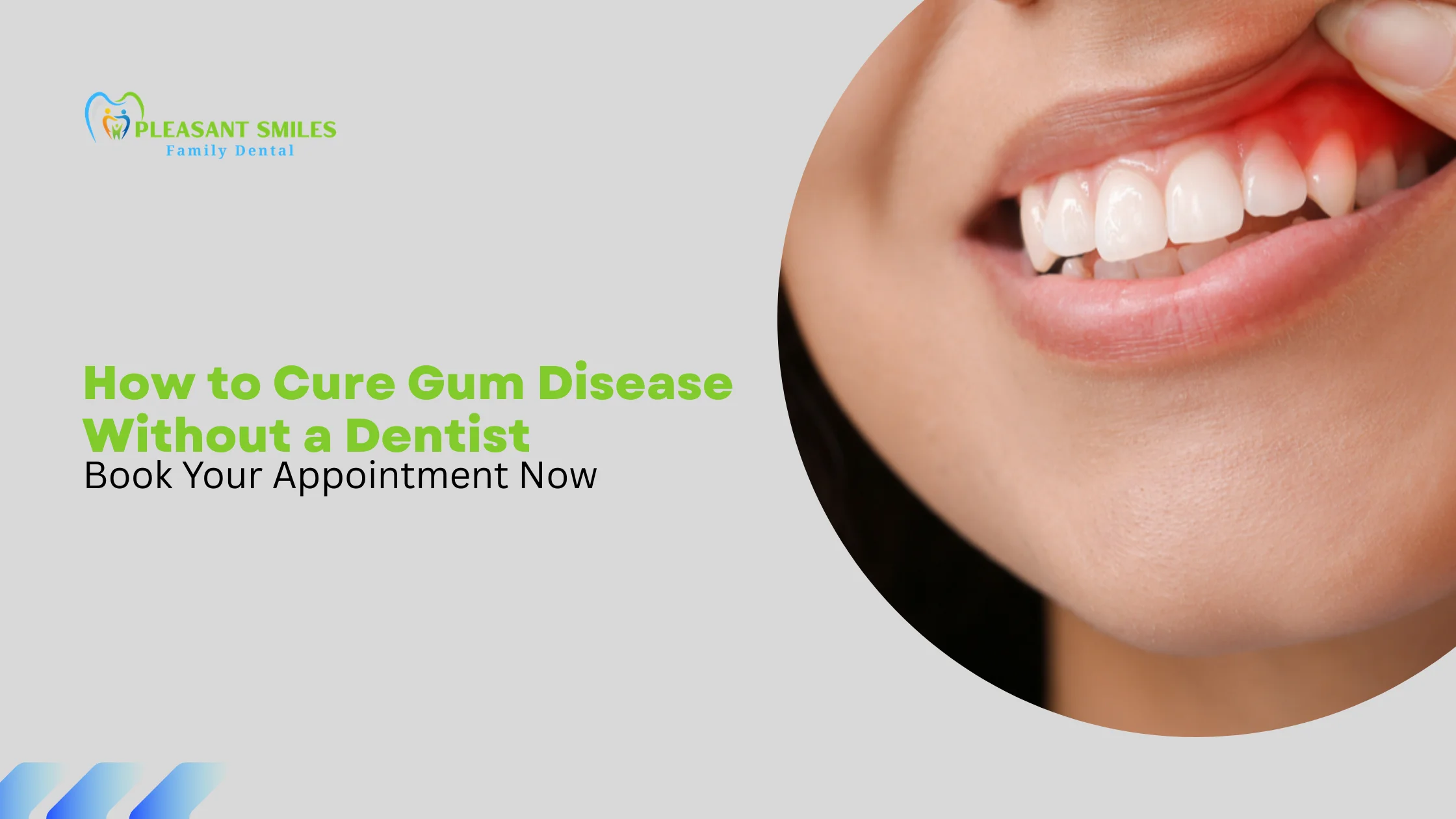
Many patients ask me how to cure gum disease without a dentist, especially when they first notice bleeding gums or mild swelling. Gum disease is very common, yet many people don’t realize they have it in the early stages. The encouraging part is that mild cases can often improve with better daily oral care.
Gum disease usually begins with plaque, a sticky layer of bacteria that collects on the teeth and along the gumline. When plaque isn’t removed through regular brushing and flossing, it irritates the gums and causes inflammation. This early stage is called gingivitis, and it is usually reversible with proper care.
In many mild cases, improving your brushing routine, flossing daily, and using antibacterial rinses can help control gum inflammation. These simple habits reduce bacteria and allow the gums to heal naturally. Consistency with oral hygiene is the key to managing early gum problems.
However, when gum disease progresses into periodontitis, the infection can begin damaging the bone that supports the teeth. At this stage, home remedies alone are not enough to stop the condition. Professional dental treatment becomes necessary to prevent long-term complications.
What is Gum Disease?
Gum disease is a common condition that affects the gums and the tissues supporting your teeth. Many people don’t notice it at first because it often develops quietly without pain. If ignored, however, it can gradually damage the gums and even the bone that holds your teeth in place.
The problem usually begins with plaque, a sticky film of bacteria that forms on teeth and along the gumline. When plaque isn’t removed through brushing and flossing, it can harden into tartar and irritate the gums. This irritation triggers inflammation, which is the body’s natural response to infection.
Over time, this inflammation can cause symptoms like redness, swelling, bleeding gums, and persistent bad breath. If the condition continues to progress, it can lead to more serious periodontal problems. Dentists generally classify gum disease into two main stages.
Gingivitis (Early Stage)
Gingivitis is the earliest and most manageable stage of gum disease. Gums may appear red, swollen, or bleed during brushing or flossing. The good news is that with proper brushing, daily flossing, and regular dental cleanings, gingivitis can usually be reversed before it causes permanent damage.
Periodontitis (Advanced Stage)
Periodontitis is a more advanced stage of gum disease that develops when gingivitis is left untreated. In this stage, the infection spreads below the gumline and begins damaging the bone that supports the teeth. This can lead to gum recession, loose teeth, and even tooth loss if not treated promptly.
Symptoms of Gum Disease
Gum disease often begins with subtle signs that many people overlook. Recognizing these early symptoms can help prevent the condition from becoming more serious.
- Gums that bleed during or after brushing and flossing
- Swollen or tender gum tissue
- Gums that appear red or inflamed instead of healthy pink
- Ongoing bad breath that does not improve with brushing
- Gums slowly pulling away from the teeth (gum recession)
- Deep spaces or pockets forming between the gums and teeth
- Teeth feeling loose or shifting slightly
- Discomfort or sensitivity when chewing food
Causes of Gum Disease
Several factors can contribute to the development of gum disease. Understanding these causes can help reduce your risk and protect your oral health.
- Poor oral hygiene that allows plaque and bacteria to build up on the teeth
- A diet lacking essential nutrients needed for healthy gums
- Smoking or tobacco use, which weakens gum tissue and slows healing
- Certain medical conditions such as diabetes, HIV, or other immune-related illnesses
- Hormonal changes, particularly during puberty or pregnancy
- Genetic factors that may increase a person’s susceptibility to gum problems
The Importance of Early Detection & Prevention
Early detection plays a key role in protecting your gum health. Many people don’t notice gum disease until symptoms like bleeding, swelling, or bad breath become more noticeable. In reality, gum disease often begins quietly with mild inflammation.
When caught early in the gingivitis stage, gum disease can usually be reversed with proper brushing, daily flossing, and professional dental cleanings. At this point, the infection has not yet affected the bone or deeper tissues supporting the teeth. This makes treatment simpler and far more effective.
Preventive care is just as important as early treatment. Regular dental checkups help identify plaque buildup, gum inflammation, or early gum recession before the condition worsens. Addressing these signs early can prevent the development of periodontitis, a more serious form of gum disease.
Maintaining a consistent oral hygiene routine makes a big difference. Brushing twice a day, flossing daily, and visiting your dentist regularly can greatly reduce the risk of gum disease. Taking these preventive steps helps protect your gums and keeps your smile healthy for years to come.
Can You Cure Gum Disease Without a Dentist?
Many patients ask whether gum disease can be treated at home once they notice bleeding gums or mild swelling. The answer depends largely on how early the condition is detected. In the early stage, small improvements in daily oral care can sometimes calm the inflammation.
When gum disease is limited to gingivitis, the infection affects only the gum tissue and has not reached the supporting bone. Improving brushing habits, flossing consistently, and using antibacterial rinses can help reduce plaque and allow the gums to recover.
However, if gum disease progresses into periodontitis, the situation becomes more serious. Bacteria and hardened tartar begin to build up beneath the gum line where normal brushing and flossing cannot reach. At this point, professional dental treatment is necessary to stop the infection from causing deeper damage.
From a clinical perspective, home care plays an important role in maintaining gum health, but it cannot replace professional treatment in advanced cases. Persistent bleeding, gum recession, loose teeth, or ongoing bad breath are clear signs that a dental evaluation is needed. Early intervention helps prevent long-term complications and protects your smile.
How to Cure Gum Disease Without a Dentist
When gum disease is still in its early stage, small changes in your daily routine can make a noticeable difference. In my experience, patients who become consistent with oral hygiene often see their gum inflammation improve within weeks. The key is removing plaque before it has a chance to irritate the gums further.
1. Improve Your Brushing Routine
Brushing is your first defense against plaque buildup along the gumline. Use a soft-bristled toothbrush and gently clean where the teeth meet the gums, as bacteria tend to gather there. Brushing twice a day for about two minutes helps keep harmful bacteria under control.
2. Floss Daily
Flossing reaches areas your toothbrush simply can’t access. Plaque often hides between teeth, and when it stays there, it quickly irritates the gums. Daily flossing removes trapped debris and reduces the risk of inflammation and bleeding.
3. Use an Antibacterial Mouthwash
An antibacterial rinse can help lower the number of bacteria in the mouth. It works by reaching areas brushing and flossing may miss. Regular use can support healthier gums and help manage early gum irritation.
4. Try a Warm Saltwater Rinse
A simple saltwater rinse can calm irritated gums and reduce mild swelling. Salt has natural cleansing properties that help keep bacteria in check. Rinsing for about 30 seconds with warm saltwater can soothe gum tissue.
5. Maintain a Healthy Diet
What you eat also affects your gum health. Nutrient-rich foods like leafy greens, fruits, and vegetables support the body’s natural ability to fight inflammation. Diets rich in vitamin C and antioxidants can help keep gum tissue healthier.
6. Vitamins
Vitamins play an important role in maintaining healthy gums and supporting the body’s immune system. Nutrients like vitamin C and vitamin D help reduce inflammation and strengthen gum tissue. A balanced diet rich in fruits and vegetables can support better gum health.
7. Avoid Smoking and Tobacco
Tobacco use weakens the body’s ability to fight infection in the mouth. It also slows the healing process of gum tissue. Patients who stop smoking often notice better gum health and less irritation over time.
8. Oil Pulling With Coconut Oil
Oil pulling with coconut oil is a traditional practice that may help reduce bacteria in the mouth. Swishing a tablespoon of coconut oil for 10–15 minutes can support gum health and reduce plaque buildup.
Complications of Untreated Gum Disease
When gum disease is left untreated, it can gradually progress into a serious condition that affects more than just your gums. The infection can spread deeper into the tissues supporting your teeth and may eventually impact overall oral health. Below are some of the most common complications associated with advanced gum disease.
Tooth Loss
Advanced gum disease is one of the most common reasons adults lose their teeth. As the infection progresses, it weakens the gums and the structures that hold the teeth in place. Over time, this damage can cause teeth to loosen and eventually fall out.
Bone Damage
Severe gum infection can begin to break down the jawbone that supports your teeth. As bone loss occurs, the stability of the teeth is affected and the shape of the smile may gradually change. In more advanced cases, bone damage can make future dental treatments more complex.
Increased Risk of Heart Disease
Studies have suggested a connection between gum disease and certain heart conditions. Bacteria from infected gums can enter the bloodstream and contribute to inflammation within the body. This may increase the risk of cardiovascular problems such as heart disease and stroke.
Respiratory Issues
Bacteria from untreated gum infections can sometimes travel into the respiratory system. When inhaled, these bacteria may contribute to respiratory infections or worsen existing conditions like pneumonia. Maintaining healthy gums can help reduce the risk of these complications.
When Gum Disease Cannot Be Treated at Home
Early gum irritation can sometimes improve with better oral hygiene. However, home care is not always enough to control gum disease. If the infection progresses, professional treatment becomes necessary.
Once gum disease moves beyond gingivitis, it can begin affecting the tissues and bone that support the teeth. At this stage, plaque and hardened tartar collect beneath the gumline where brushing and flossing cannot reach.
Certain symptoms signal that home remedies are no longer effective. Persistent bleeding, swollen gums, gum recession, bad breath, or loose teeth should not be ignored. These signs often indicate a more advanced infection.
Dentists typically treat these cases with procedures such as deep cleaning, scaling, and root planing. These treatments remove bacteria and tartar from areas that cannot be cleaned at home.
Getting professional care at the right time helps prevent long-term damage. If gum symptoms continue despite good oral hygiene, a dental evaluation is the safest way to protect your teeth and gums.
When Should You Seek Professional Help for Gum Disease?
If gum symptoms continue even after improving your oral hygiene routine, it may be time to consult a dental professional. Persistent gum problems can indicate that the condition is progressing and requires proper treatment.
The following signs suggest you should seek professional dental care:
- Gums that bleed frequently, especially during brushing or flossing
- Tender, swollen, or sensitive gum tissue
- Unexpected gum bleeding while eating or chewing food
- Ongoing bad breath that does not improve with oral care
- New gaps or spaces forming between your teeth and gums
Final Thought
Healthy gums are essential for maintaining a strong and confident smile. While early gum irritation may improve with better oral care, symptoms like bleeding gums, swelling, or persistent bad breath should be evaluated by a dental professional. Early treatment can prevent more serious problems.
At Pleasant Smiles Family Dental, we focus on helping patients protect their long-term oral health. Dr. Vijitha Bandla and our experienced team carefully evaluate gum health and recommend treatments that address the root cause of the problem.
If you are noticing signs of gum disease or simply want to keep your gums healthy, a professional checkup can make a big difference. You can easily book your appointment or call us today at 860-426-0997
Frequently Asked Questions
1. Can gum disease be cured without a dentist?
Mild gum disease called gingivitis can sometimes improve at home with proper brushing, flossing, antibacterial mouthwash, and healthy habits. However, advanced gum disease (periodontitis) usually requires professional dental treatment to prevent permanent gum and bone damage.
2. What is the fastest way to cure gum disease at home?
The fastest way to improve early gum disease is by brushing twice daily, flossing every day, using an antibacterial mouth rinse, and rinsing with warm saltwater. These steps help reduce plaque buildup and calm gum inflammation.
3. How long does it take for gum disease to heal?
Early gum disease can begin improving within one to two weeks after maintaining consistent oral hygiene. However, complete healing depends on the severity of the condition and whether plaque and bacteria are properly controlled.
4. When should you see a dentist for gum disease?
You should see a dentist if gum bleeding continues for more than a few days, gums become swollen or painful, or you notice gum recession or loose teeth. These symptoms may indicate more advanced gum disease.
5. How can you prevent gum disease?
Preventing gum disease involves brushing twice daily, flossing regularly, using mouthwash, eating a balanced diet, and visiting the dentist for routine cleanings. Consistent oral hygiene is the most effective way to maintain healthy gums.