


What Are Dental Cleanings?
Dental cleanings, also called prophylaxis, are professional preventive treatments that help maintain healthy teeth and gums.
Unlike regular brushing and flossing at home, professional cleanings remove stubborn plaque and tartar that can lead to cavities, gum disease, and other oral health issues.
During a cleaning, a dental hygienist carefully examines the teeth, gently removes buildup, polishes surfaces, and checks for early signs of decay or gum inflammation.
Regular dental cleanings not only improve oral hygiene but also help detect potential problems before they require more extensive treatment.
By keeping teeth clean and gums healthy, patients can prevent serious dental issues, reduce discomfort, and save time and costs associated with restorative procedures in the future.
Why Regular Dental Cleanings Are Crucial for Preventing Bigger Problems
Routine dental cleanings are more than a cosmetic procedure—they are an essential part of maintaining long-term oral health.
Even a single missed cleaning can allow plaque and tartar to build up, increasing the risk of cavities, gum disease, and infections.
Professional cleanings remove hard-to-reach debris that daily brushing and flossing often miss. This preventive care helps avoid periodontal disease, which can lead to tooth loss, and reduces the need for extensive restorative treatments such as crowns, root canals, or other dental procedures.
Cleanings also allow for early detection of potential issues, including tooth decay, oral lesions, or bite irregularities, enabling prompt intervention before complications develop.
For both children and adults, dental cleanings reinforce proper oral hygiene habits and provide guidance on effective brushing, flossing, and dietary choices.
Maintaining gum health also supports overall wellness, as research links gum disease to systemic conditions like heart disease and diabetes. By scheduling cleanings every six months, individuals can enjoy healthier teeth, fresher breath, and a more confident smile.
Regular professional care is a simple yet powerful step toward preventing serious dental problems and protecting your long-term oral health.
What Happens During a Dental Cleaning
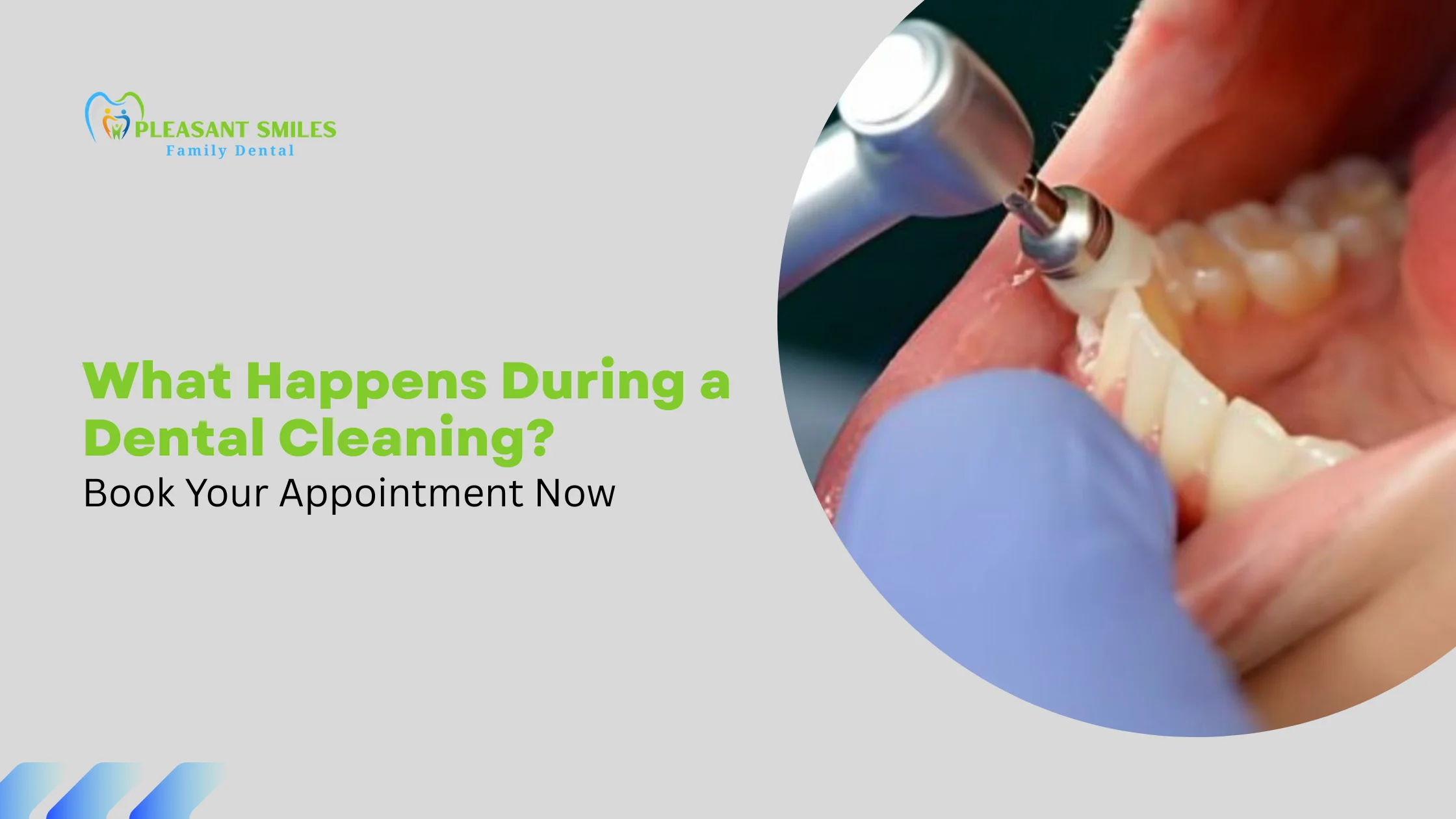
Understanding the dental cleaning process helps patients feel confident and prepared for their appointment. A professional dental cleaning follows a structured, preventive approach designed to protect both teeth and gums while identifying potential concerns early.
1. Initial Oral Examination
The visit typically begins with a brief oral exam performed by a dental professional. Teeth, gums, and surrounding tissues are checked for signs of cavities, gum inflammation, plaque buildup, or other oral health issues. This step plays a key role in early detection, allowing problems to be addressed before they progress.
2. Plaque and Tartar Removal (Scaling)
Specialized instruments are used to gently remove plaque and hardened tartar from the tooth surfaces and along the gumline. Even with good brushing habits, tartar can form in hard-to-reach areas, making professional scaling essential for preventing gum disease and enamel damage.
3. Polishing and Flossing
After scaling, teeth are polished using a mildly abrasive paste to remove surface stains and smooth the enamel. Flossing follows to clear debris between teeth and ensure a thorough clean.
4. Fluoride Treatment (When Recommended)
In some cases, fluoride is applied to strengthen tooth enamel and reduce the risk of cavities. This step is especially beneficial for children or individuals prone to tooth decay.
5. X-Rays or Additional Assessments (If Needed)
When necessary, dental X-rays may be taken to evaluate areas not visible during the exam, supporting accurate diagnosis and long-term care planning.
This step-by-step process ensures dental cleanings support both immediate cleanliness and long-term oral health.
Typical Time Frames for Different Types of Dental Cleanings
Not all dental cleanings are the same. The length of an appointment depends on the type of cleaning required and the patient’s current oral health. Understanding these time frames helps patients plan visits and know what to expect.
Routine Dental Cleaning (Prophylaxis)
For patients who attend regular checkups every six months and maintain good oral hygiene, a standard dental cleaning typically takes 30–45 minutes. This usually includes an oral examination, removal of plaque and tartar, polishing, and optional fluoride treatment. These visits are efficient and focused on prevention.
First-Time or Overdue Cleanings
If a patient has not had a cleaning in over a year or has noticeable plaque and tartar buildup, the appointment may take 45–60 minutes. Additional time allows for more detailed scaling and evaluation of gum health to ensure a thorough and safe cleaning.
Deep Cleaning (Scaling and Root Planing)
Patients diagnosed with gum disease may require deep cleaning procedures. These are more extensive and are often divided into multiple visits, with each session lasting 60–90 minutes. Deep cleanings target bacteria and tartar below the gumline to reduce inflammation and slow disease progression.
Pediatric Dental Cleanings
Children’s cleanings are usually shorter, lasting 20–30 minutes. These visits focus on gentle cleaning, monitoring tooth development, and reinforcing proper brushing and flossing habits.
Knowing the appropriate cleaning type and time commitment helps patients stay proactive about their oral health and avoid more complex treatments in the future.
Factors That Affect How Long a Dental Cleaning Takes
The length of a dental cleaning appointment can vary from person to person based on several oral health and procedural factors. Understanding these variables helps patients better anticipate their visit and appreciate why some cleanings take longer than others.
Plaque and Tartar Buildup
The amount of plaque and hardened tartar on the teeth plays a major role in cleaning duration. Patients who brush and floss consistently and attend regular checkups usually require less scaling, resulting in shorter appointments. Heavier buildup, especially along the gum line, requires more time for safe and thorough removal.
Gum Health
Healthy gums allow for quicker and more comfortable cleanings. If gums are inflamed, swollen, or prone to bleeding, the hygienist must work more carefully to avoid discomfort and ensure proper care, which can extend the appointment.
Dental History and Restorations
Crowns, bridges, implants, orthodontic appliances, and other restorations require extra attention during cleanings. These areas must be cleaned carefully to avoid damage and ensure plaque does not accumulate around margins or hardware.
Sensitivity and Anxiety
Tooth sensitivity or dental anxiety can slow the process, as breaks, gentler techniques, or additional explanations may be needed. Taking time to ensure comfort helps create a more positive experience.
Additional Diagnostics
If X-rays, oral cancer screenings, or comprehensive examinations are performed during the same visit, the total appointment time will naturally increase. These evaluations support early detection and long-term oral health.
Because of these factors, dental cleanings may range from 30 to 60 minutes, depending on individual needs and oral health status.
Cost Comparison: Preventive Cleanings vs. Restorative Treatments
Regular dental cleanings are not only essential for oral health—they are also a cost-effective way to prevent more expensive dental problems in the future. For patients in Cheshire, CT, investing in preventive care can significantly reduce long-term dental expenses.
Approximate Costs in Cheshire, CT
A routine preventive dental cleaning typically costs around $100–$150 per visit, depending on the office and whether exams or basic diagnostics are included.
Optional services such as fluoride treatments or sealants may add a small additional cost, but these measures help strengthen enamel and lower the risk of decay.
In comparison, restorative treatments are substantially more expensive. A simple filling may cost approximately $200–$400, while crowns and root canal treatments can range from $800 to $2,000 or more per tooth, depending on complexity, materials, and the tooth’s location.
These figures are approximate and can vary based on individual treatment needs and insurance coverage.
Why Prevention Saves Money Long-Term
Preventive cleanings help detect early signs of cavities, gum disease, or enamel wear before they progress into more serious conditions. Addressing issues early often avoids the need for extensive procedures, multiple appointments, and higher out-of-pocket costs. Preventive care also lowers the risk of dental emergencies, which tend to be both urgent and costly.
Example Scenario
A small cavity caught during a routine cleaning could be managed with minimal treatment. Without preventive visits, that same issue may worsen and eventually require a crown or root canal—turning a modest preventive expense into a much larger financial and time commitment.
Overall, regular dental cleanings represent a proactive approach that protects both oral health and long-term dental budgets.
What to Expect During Your Visit at Pleasant Smiles
Visiting the dentist doesn’t have to be stressful—especially at Pleasant Smiles Family Dental in Cheshire, CT. From the moment you step into our office, every detail is designed to make your cleaning smooth, efficient, and comfortable.
Warm Welcome and Relaxing Atmosphere
Our friendly team greets patients by name, offering a calm and inviting environment. Soft music, comfortable seating, and a kid-friendly space help reduce anxiety, making every visit feel welcoming.
Personalized Approach
Dr. Vijitha Bandla reviews your dental history, examines your oral health, and customizes your cleaning to meet your specific needs. Whether it’s your first visit in years or a routine six-month checkup, our team ensures every step is tailored for you.
Step-by-Step Cleaning Process
- Initial Exam: A quick check of teeth, gums, and overall oral health to identify potential concerns.
- Scaling: Gentle removal of plaque and tartar from tooth surfaces and gum lines.
- Polishing: Teeth are polished to remove surface stains and leave a smooth finish.
- Flossing: Thorough flossing ensures no debris is left behind.
- Fluoride Treatment: Optional fluoride strengthens enamel and helps prevent cavities.
Parent and Patient Guidance
Before you leave, our hygienists provide practical tips for maintaining oral health at home, from proper brushing techniques to dietary advice.
Efficiency and Comfort
Appointments typically last 30–60 minutes depending on your oral health, but the process is never rushed. Our goal is to combine high-quality care with a stress-free, pleasant experience for every patient.
At Pleasant Smiles Family Dental, Dr. Vijitha Bandla and her team prioritize patient comfort, thorough care, and education, ensuring that every dental cleaning supports long-term oral health and leaves patients smiling with confidence.
Frequently Asked Questions (FAQ)
1. Why is dental cleaning important if I brush every day?
Even with regular brushing and flossing, plaque and tartar can build up in hard-to-reach areas. Professional dental cleanings remove these deposits, reduce the risk of cavities and gum disease, and help maintain long-term oral health. Pleasant Smiles Family Dental ensures thorough, gentle care tailored to each patient.
2. Will dental cleanings hurt?
Most patients experience little to no discomfort during routine cleanings. Dr. Vijitha Bandla and the team use gentle techniques and advanced tools to make the process comfortable. Sensitive patients may benefit from additional comfort measures, including numbing gel or shorter cleaning sessions.
3. How long does a dental cleaning take?
A standard cleaning usually takes 30–45 minutes for patients who maintain regular visits. First-time or overdue cleanings may take slightly longer. Children or patients with minimal buildup may finish in about 20–30 minutes.
4. Are dental cleanings covered by insurance?
Most dental insurance plans, including Husky coverage for eligible patients, partially or fully cover preventive cleanings. Pleasant Smiles Family Dental helps verify benefits and guides families through insurance coverage and flexible payment options.
5. How soon after a cleaning should I schedule my next one?
Dentists recommend scheduling a cleaning every six months to maintain optimal oral health. Patients with gum disease or higher risk factors may need more frequent visits, which Dr. Vijitha Bandla can personalize for your needs.