
Persistent tooth pain can disrupt daily life and often signals an underlying infection that needs immediate care. For patients searching for root canal treatment in Cheshire, Pleasant Smiles Family Dental provides reliable, gentle solutions designed to relieve pain and preserve natural teeth. Led by Dr. Vijitha Bandla, the practice combines modern dental technology with a patient-first approach to ensure comfort and long-term results.
This guide explains everything patients need to know about root canal treatment, including symptoms, procedure steps, recovery, cost considerations, and why choosing an experienced local dentist in Cheshire, CT makes a meaningful difference.
Why Root Canal Treatment Matters
Root canal treatment is an essential dental procedure that helps save natural teeth and stop the spread of infection. When the pulp inside a tooth becomes infected due to deep decay, cracks, or injury, bacteria can travel through the root canals and affect the surrounding bone and gums.
Root canal treatment removes this infected tissue, cleans and disinfects the canals, and seals the tooth to prevent further damage. Preserving the natural tooth is always the preferred option, as it maintains proper chewing function, supports jaw alignment, and prevents neighboring teeth from shifting.
There are many myths surrounding root canal treatment, especially the belief that it is painful. In reality, modern root canal procedures are designed to relieve pain—not cause it. With advanced anesthesia, digital imaging, and gentle techniques, most patients experience comfort similar to a standard filling. The discomfort people associate with root canals usually comes from the infection itself, which the treatment effectively eliminates.
Signs & Symptoms That Indicate You May Need a Root Canal
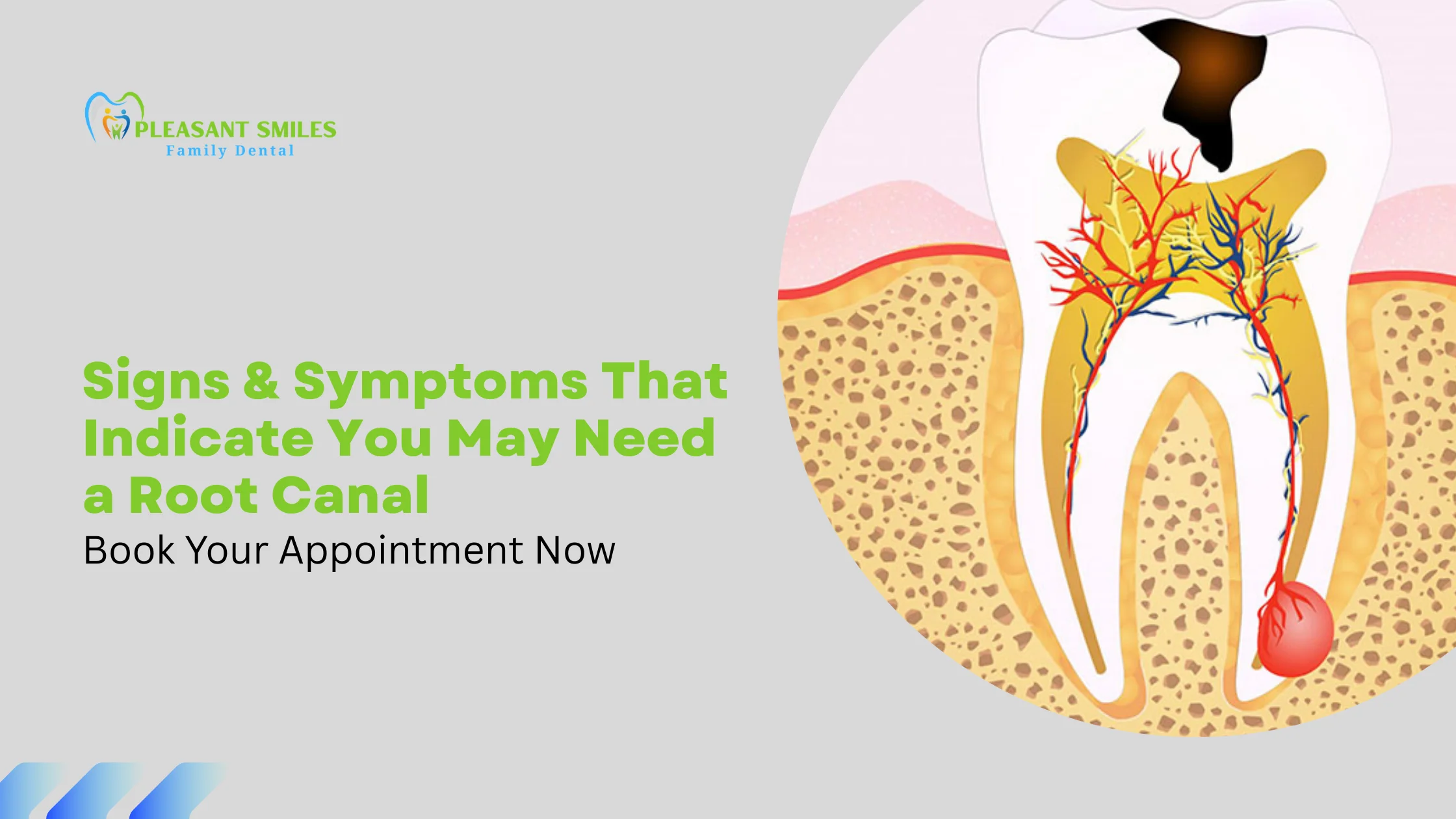
Understanding the warning signs of an infected tooth helps patients seek treatment before the condition worsens. Below are the most common symptoms dentists look for when diagnosing the need for root canal treatment.
Persistent or Throbbing Tooth Pain
Ongoing pain, especially pain that comes and goes or worsens at night, often indicates infection or nerve inflammation inside the tooth.
Prolonged Sensitivity to Hot or Cold
If sensitivity lingers after eating or drinking hot or cold items, it may signal damage to the tooth pulp rather than simple enamel wear.
Pain While Chewing or Biting
Discomfort when applying pressure can mean the infection has reached the root or surrounding bone, affecting the tooth’s stability.
Swollen or Tender Gums
Localized gum swelling, tenderness, or redness near a specific tooth is a common sign of an underlying infection.
Darkening or Discoloration of the Tooth
A gray or darkened tooth often indicates that the nerve tissue inside has been compromised or has died.
Recurring Pimple or Abscess on the Gums
A small bump that drains fluid is a clear sign of infection spreading beyond the tooth root and should never be ignored.
Early diagnosis allows dentists to treat the infection before it causes severe pain, bone damage, or tooth loss, resulting in more predictable and comfortable outcomes.
Understanding the Root Canal Procedure
Diagnosis & Consultation
The process begins with a thorough dental exam and digital X-rays to confirm infection inside the tooth. The dentist evaluates the extent of damage and explains the treatment plan, expected timeline, and restoration options.
Local Anesthesia and Numbing
Before treatment starts, the area is fully numbed using local anesthesia. This ensures the root canal procedure is comfortable and pain-free, similar to receiving a routine filling.
Removal of Infected Pulp
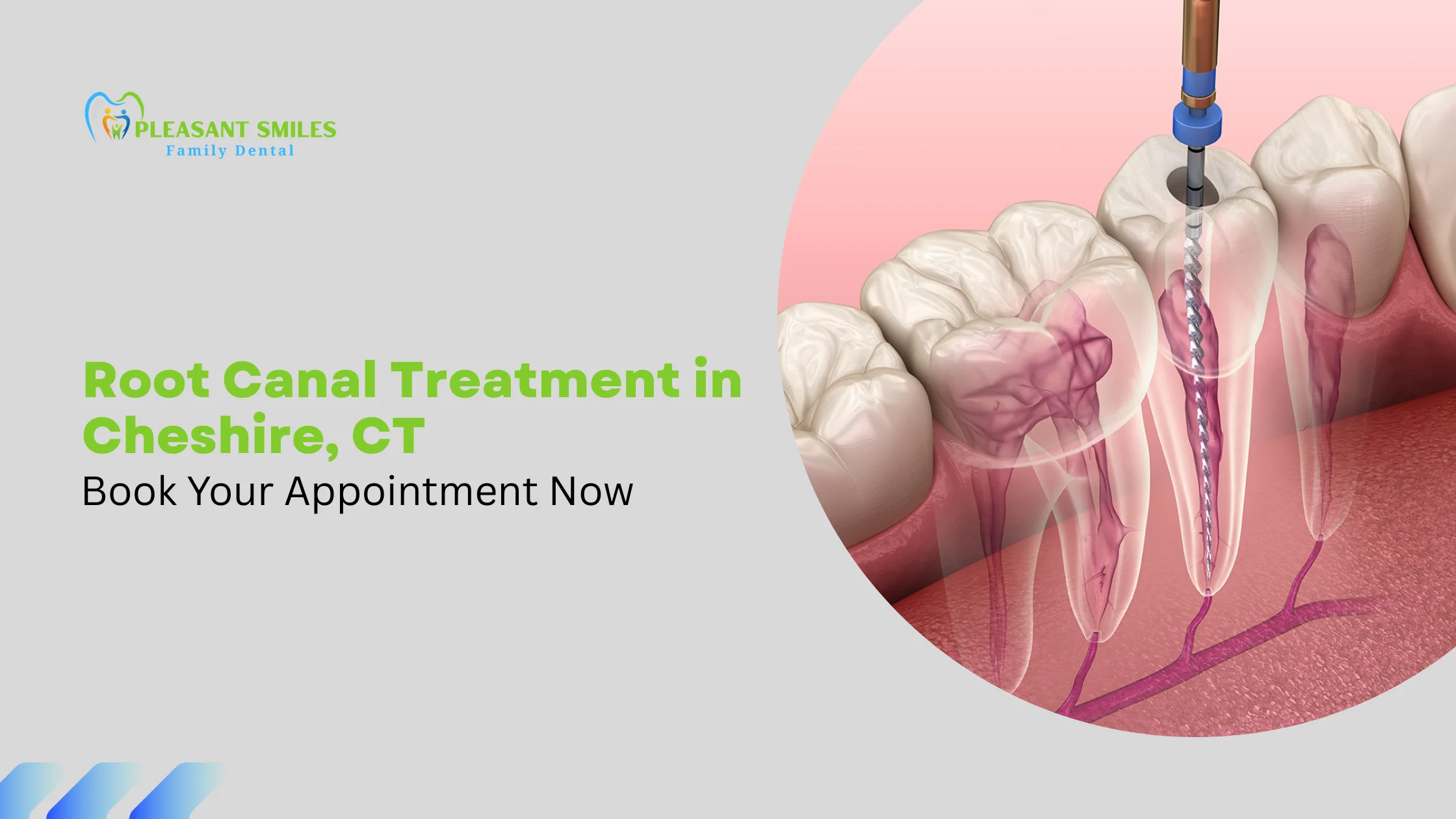
Once numb, a small opening is made in the tooth to access the infected pulp. The damaged nerve tissue and bacteria are carefully removed to eliminate the source of pain and infection.
Cleaning & Disinfecting the Canals
The inner canals are precisely cleaned, shaped, and disinfected using specialized instruments. This step prevents bacteria from spreading and promotes long-term healing.
Shaping and Filling
After cleaning, the canals are shaped and filled with a biocompatible material to stabilize the tooth and prevent reinfection.
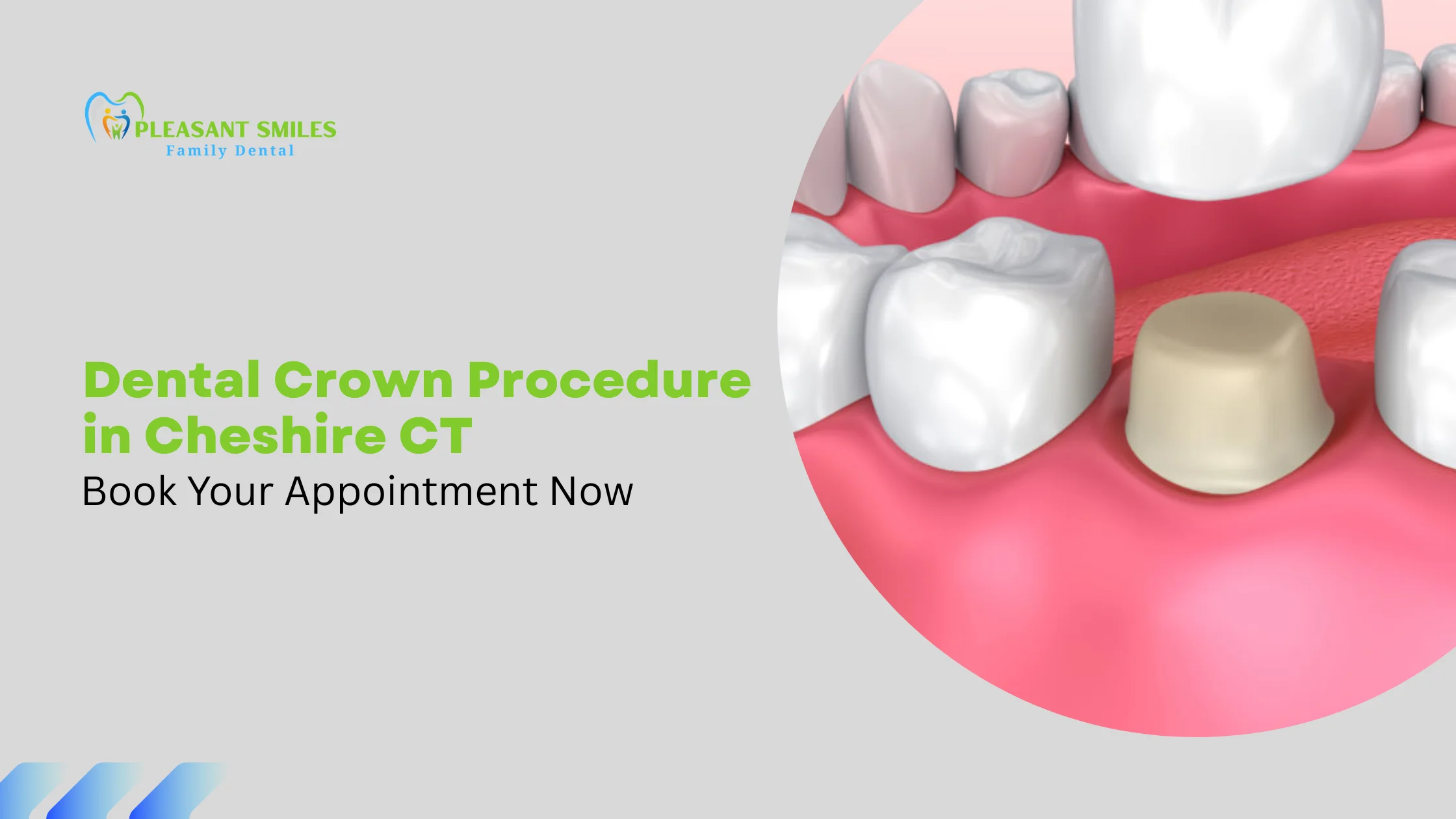
Sealing and Restoration (Crown)
The tooth is sealed, and in most cases, a dental crown is placed to restore strength, function, and natural appearance.
Why Root Canal Treatment Doesn’t Have to Be Painful
Advances in modern endodontic techniques have transformed root canal treatment into a comfortable and routine dental procedure. Precise instruments, digital imaging, and improved cleaning methods allow the infected tissue to be removed efficiently while protecting healthy tooth structure.
Local anesthesia plays a key role in pain control. The area around the affected tooth is fully numbed before treatment begins, so patients typically feel little more than mild pressure during the procedure. For individuals with dental anxiety or heightened sensitivity, additional comfort options may be available to help them relax throughout the visit.
Sedation dentistry can also be considered when appropriate, especially for patients who feel nervous about dental care or require longer treatments. These options help create a calm, stress-free experience while allowing the dentist to work safely and effectively.
At Pleasant Smiles Family Dental, Dr. Vijitha Bandla is known for a gentle, patient-focused approach. Clear communication, a calm environment, and careful attention to comfort help ensure that root canal treatment is far easier than most patients expect.
Root Canal vs. Extraction: What’s Best?
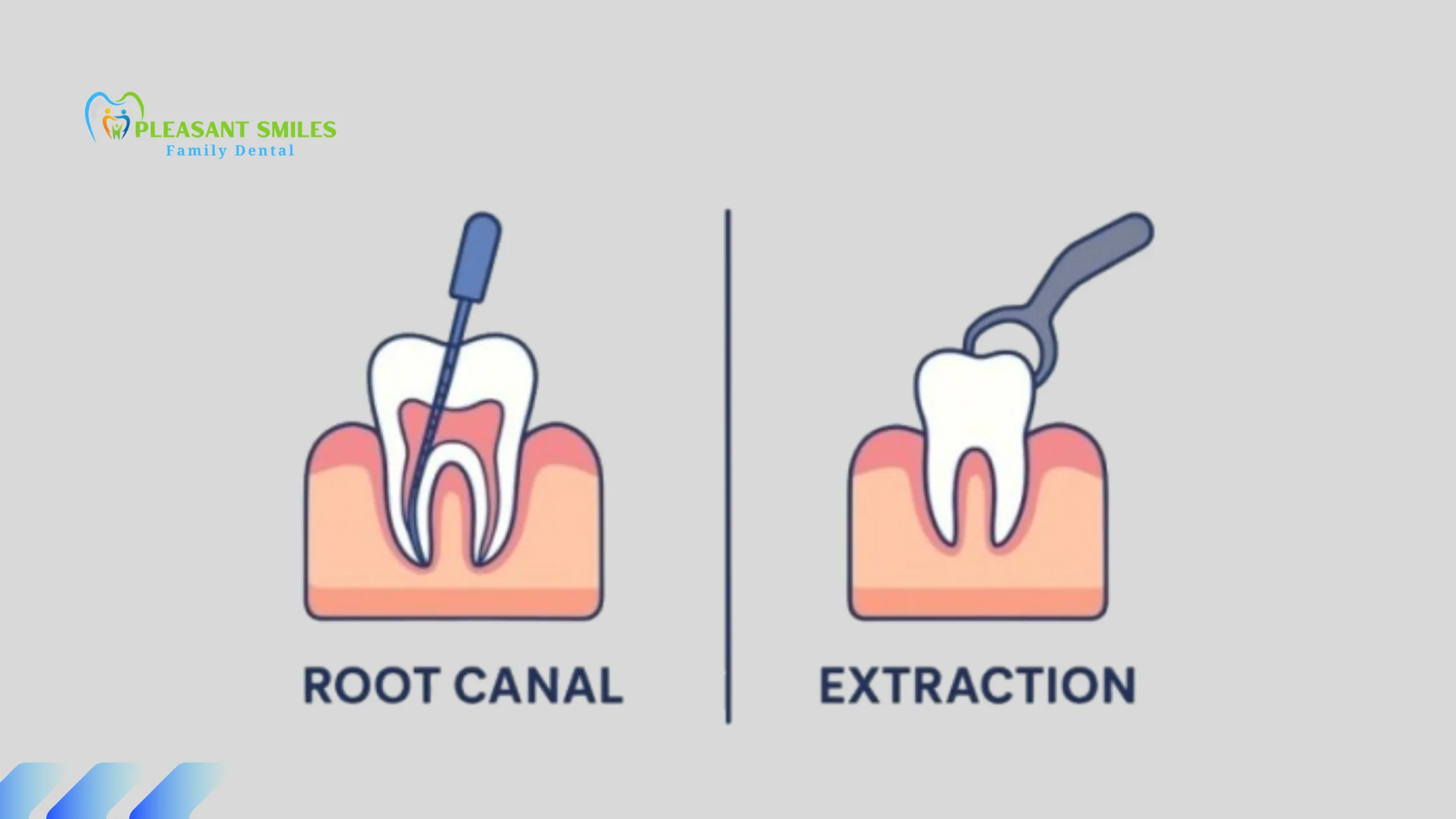
When a tooth is severely damaged or infected, patients often face the choice between root canal treatment and extraction. Understanding the differences can help you make an informed decision.
Root Canal Treatment – Pros and Cons
-
Pros:
- Preserves the natural tooth structure and appearance
- Maintains proper bite and jaw alignment
- Prevents neighboring teeth from shifting
- Eliminates infection and relieves pain
- Often avoids the need for more complex restorations
-
Cons:
- Requires multiple steps or visits (unless same-day option is available)
- Slight post-treatment sensitivity may occur
Tooth Extraction – Pros and Cons
-
Pros:
- Immediate removal of the infected tooth
- Can simplify some severe cases where restoration isn’t feasible
-
Cons:
- Loss of natural tooth function and aesthetics
- Potential for bone loss or jaw changes over time
- Need for tooth replacement (implant, bridge, or denture), which adds cost and procedures
Long-Term Health Implications
Root canal treatment typically preserves oral health more effectively than extraction. Keeping the natural tooth maintains chewing efficiency, prevents shifting of adjacent teeth, and reduces future restorative needs.
At Pleasant Smiles Family Dental, Dr. Vijitha Bandla prioritizes tooth preservation whenever possible, combining modern techniques with gentle care to ensure the most comfortable and effective treatment plan for every patient.
How Long Does a Root Canal Last?
A root canal is designed to save a natural tooth and can last for many years—often a lifetime—with proper care. Understanding its longevity and the factors that influence success helps patients make informed dental decisions.
Longevity Expectations
Most root canal-treated teeth can last 10–20 years or longer, especially when restored promptly with a crown. With regular dental visits and good oral hygiene, many patients retain their treated teeth for life.
Factors That Influence Success Rates
- Quality of the Procedure: Thorough cleaning, shaping, and filling of all canals reduces reinfection risk.
- Tooth Location: Molars with multiple canals may have slightly higher failure rates than single-canal teeth.
- Oral Hygiene: Brushing, flossing, and routine checkups prevent decay and gum disease around the treated tooth.
- Bite and Pressure: Teeth under heavy grinding or clenching may experience additional stress.
Importance of Restoration (Crown) After Root Canal
Placing a crown or onlay protects the treated tooth from fracture and restores full function. A strong restoration seals the tooth, preventing bacteria from re-entering and prolonging the lifespan of the root canal.
At Pleasant Smiles Family Dental, Dr. Vijitha Bandla ensures each root canal tooth receives the appropriate restoration for long-term durability and comfort.
Costs and Insurance Coverage in Cheshire
The cost of root canal treatment in Cheshire, CT depends on the complexity of the tooth and the number of canals involved. Front teeth with a single canal typically cost less than molars, which have multiple canals and require more intricate treatment.
Insurance Coverage
Many dental insurance plans, including Husky, cover a portion of medically necessary root canal procedures. Coverage may vary based on whether the tooth requires additional restoration, such as a crown, which is often recommended after treatment.
Affordable Options at Pleasant Smiles
Pleasant Smiles Family Dental helps families navigate their insurance benefits, providing clear explanations of coverage and out-of-pocket costs. Flexible payment plans and financing options are available to make treatment accessible without financial stress. Staff members assist with pre-authorization and claims, ensuring patients can focus on their oral health rather than paperwork.
By combining insurance support with transparent pricing and flexible payment solutions, Pleasant Smiles ensures that high-quality root canal treatment in Cheshire is both effective and affordable for every patient.
Conclusion
Tooth pain is a sign that your dental health needs immediate attention. Ignoring persistent discomfort can lead to more serious complications, including infection or tooth loss. Root canal treatment in Cheshire, CT is a reliable way to save your natural tooth, relieve pain, and restore oral health efficiently.
At Pleasant Smiles Family Dental, Dr. Vijitha Bandla and the experienced team provide gentle, patient-focused care, using modern techniques to make the procedure as comfortable as possible. From diagnosis to restoration, every step is designed to protect your smile and ensure long-term results.
Don’t wait until the pain worsens—schedule your consultation today. Call Pleasant Smiles Family Dental or book online to restore comfort, preserve your natural teeth, and regain confidence in your smile. Your healthy, pain-free smile starts here.
Frequently Asked Questions
1. How much should a root canal treatment cost?
The cost of a root canal depends on the tooth type and complexity. On average, a front tooth may cost $300–$700, a premolar $400–$900, and a molar $500–$1,200. Costs can vary based on location, dentist experience, and whether a crown is needed afterward.
2. How much does a root canal really cost?
A root canal’s real cost includes the procedure itself plus any restoration, such as a crown. Overall, patients can expect $500–$2,000 per tooth depending on materials and complexity. Insurance may cover a portion if the treatment is medically necessary.
3. How much is the rate for a root canal?
Rates vary by dental practice, region, and the tooth being treated. Typical rates range from $300 for simple front teeth to $1,200 or more for molars, with additional costs for anesthesia, imaging, and crowns.
4. Is 2 weeks too long to wait for a root canal?
Waiting two weeks can be risky if you have persistent pain, swelling, or infection, as the tooth may worsen or the infection can spread. If symptoms are mild, short delays may be manageable, but prompt treatment is always recommended to prevent complications.