

Tooth Root Canal vs Extraction: Which Treatment is Right for You?

Finding out that a tooth is badly damaged can feel overwhelming. One minute you’re expecting a routine dental visit, and the next you’re choosing between saving the tooth or having it removed. It’s a decision that raises plenty of questions, and that’s completely normal.

In many cases, dentists recommend saving a natural tooth whenever it’s possible. A healthy natural tooth helps you chew comfortably, supports the surrounding teeth, and often prevents the need for more extensive treatment later. There are times, though, when removing a tooth is the better option, especially if the damage is too severe to repair or the tooth can’t be restored safely.

The right choice depends on several factors, including the condition of the tooth, your overall oral health, and your long-term goals.

This guide walks you through both treatments in clear, simple language. You’ll learn how they compare in terms of the procedure itself, recovery, long-term results, and overall cost, so you can better understand your dentist’s recommendation and feel confident about the next step in your care.

Quick Answer: Tooth Root Canal or Extraction?

Tooth Root Canal: A root canal is the preferred treatment when the tooth can be saved. It removes the infection while preserving your natural tooth, which helps maintain normal chewing, supports nearby teeth, and often avoids more complex treatment later. An extraction becomes the better choice when the tooth is too badly damaged, has extensive decay, or can’t be restored safely.

Tooth Extraction: Removing a tooth may cost less on the day of treatment, but replacing it with a dental implant, bridge, or denture often makes it the more expensive option over time. That’s why dentists and the American Association of Endodontists recommend saving a natural tooth whenever it’s a healthy, predictable option.

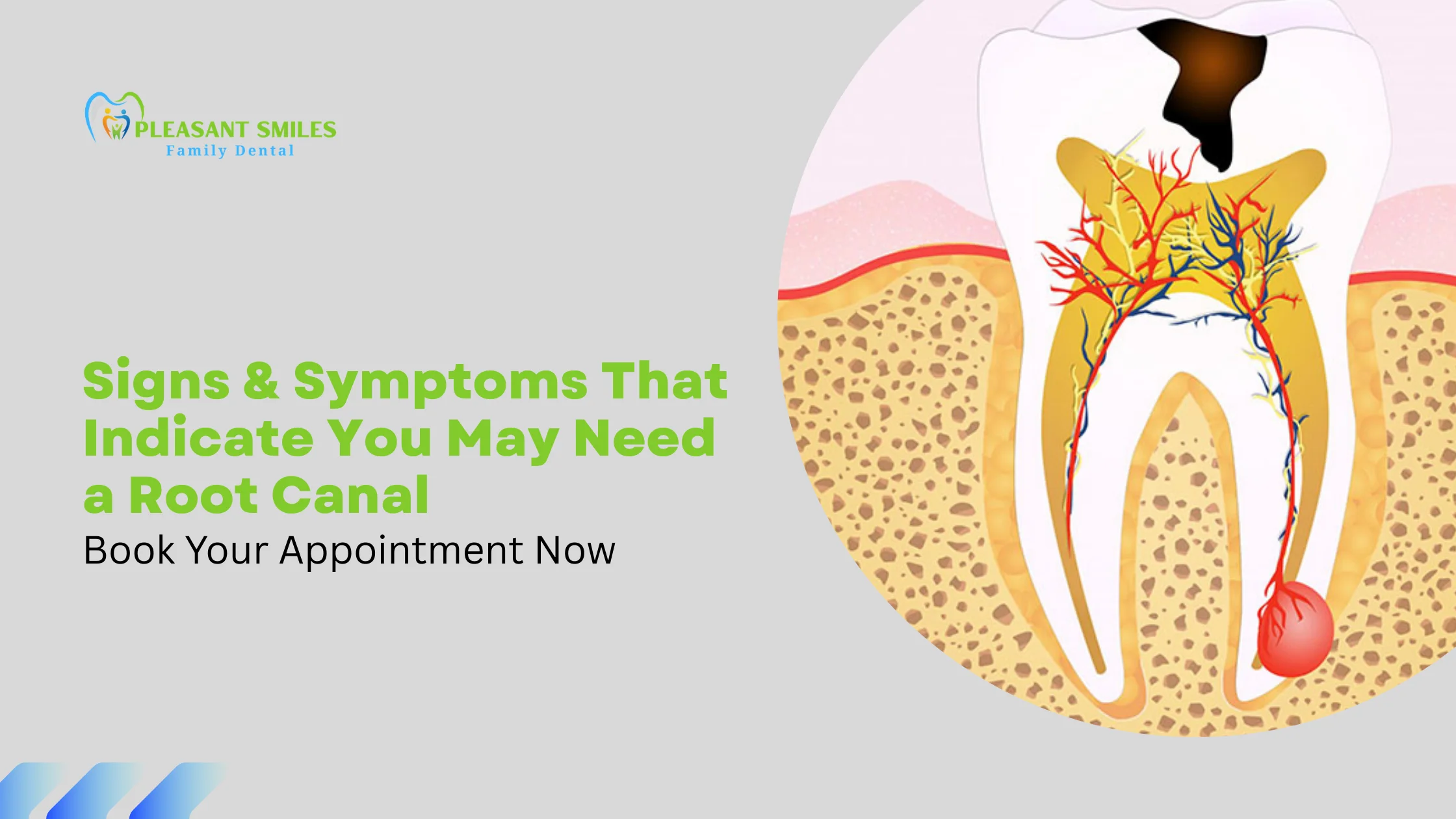
What is a Root Canal?
What is a Root Canal?

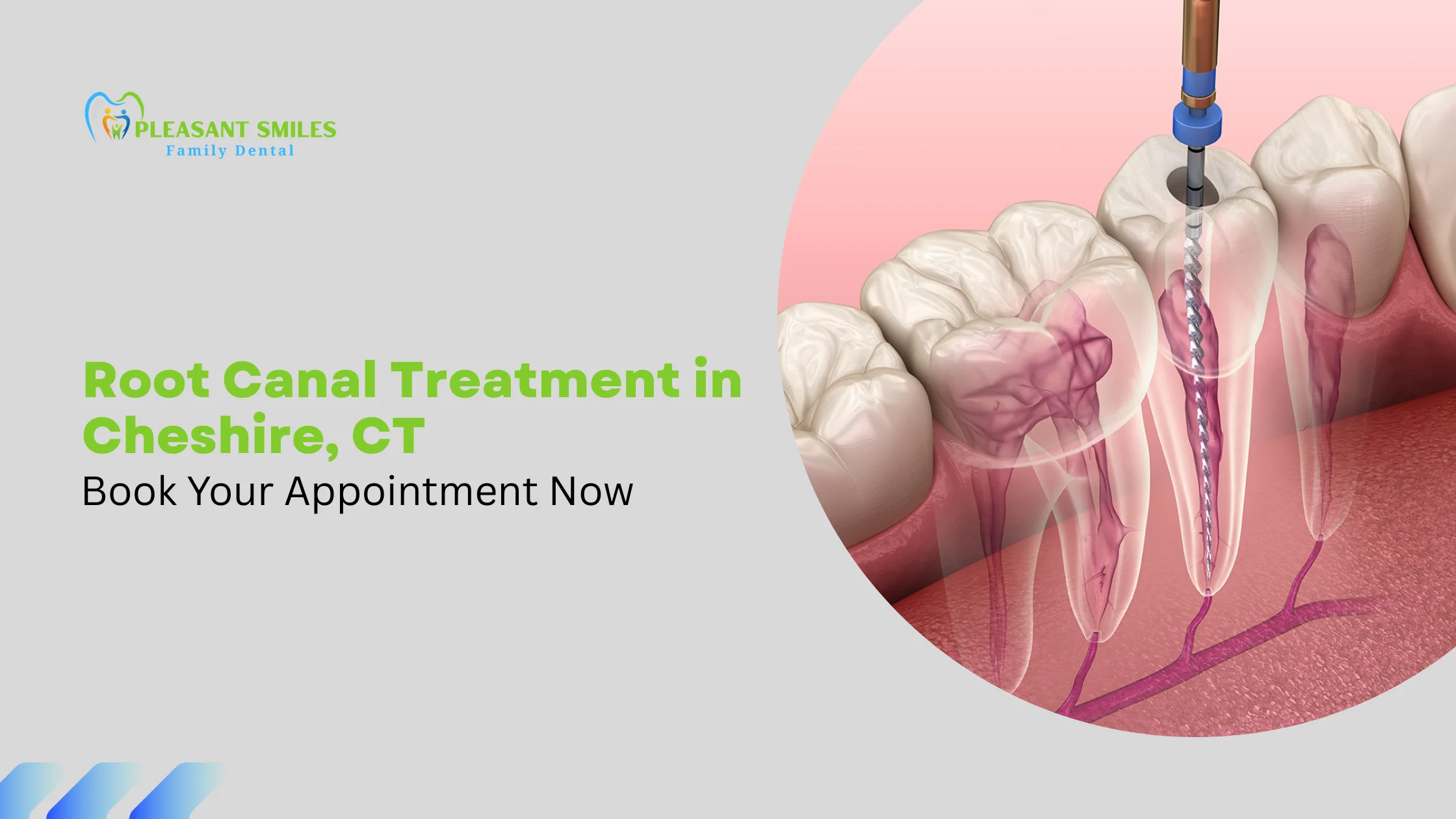
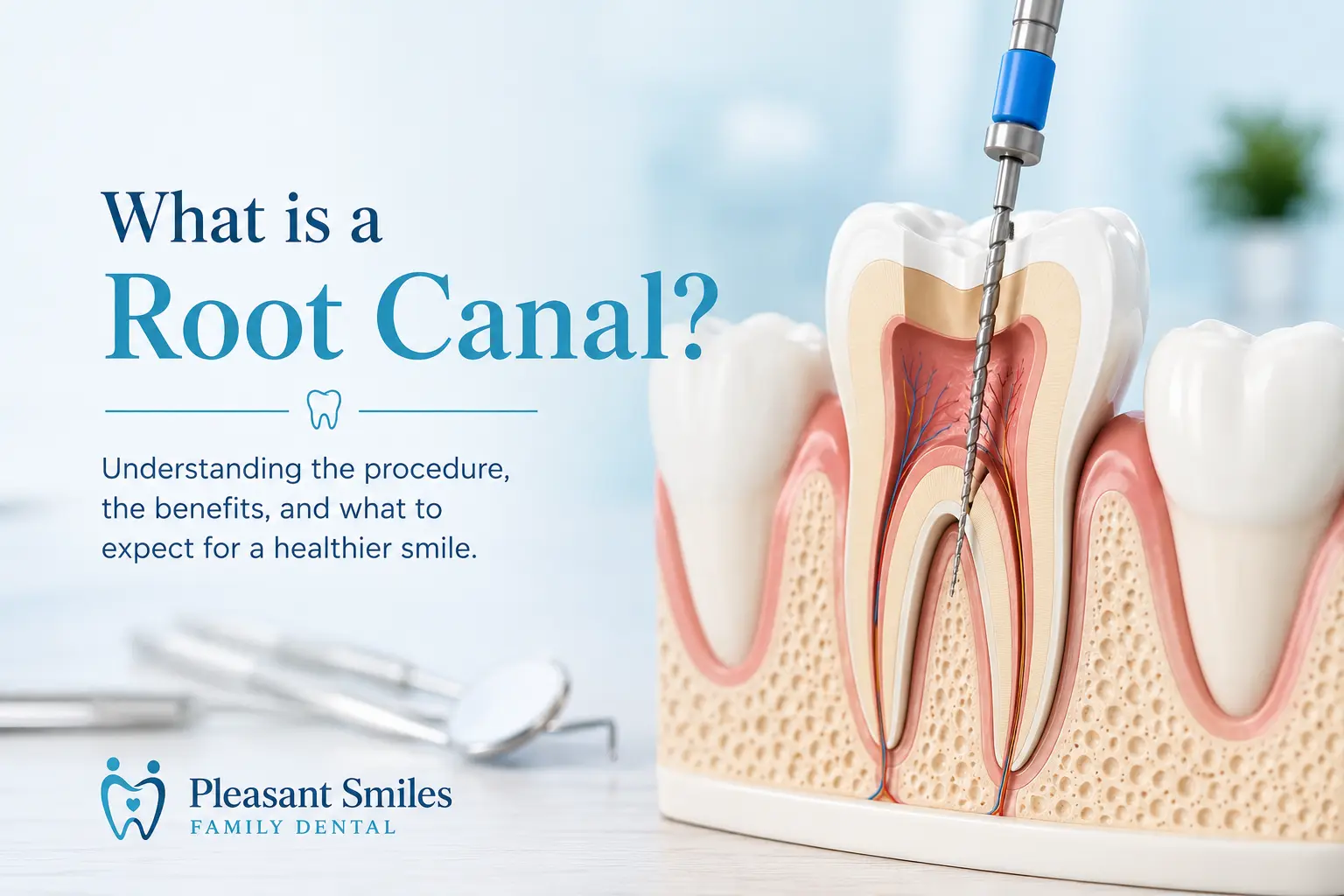
A root canal is a treatment that saves a tooth damaged by deep decay, infection, or injury. Instead of removing the tooth, your dentist cleans out the infected tissue inside the tooth, disinfects the root canals, and seals them to help prevent future infection. The natural tooth stays in place, allowing you to keep your normal bite and smile.

What happens during a root canal?

During your visit, your dentist will:

  • Numb the area with a local anesthetic.
  • Place a protective barrier around the tooth to keep it clean and dry.
  • Make a small opening to reach the infected pulp.
  • Remove the damaged tissue and clean the root canals.
  • Seal the canals with a biocompatible filling material.
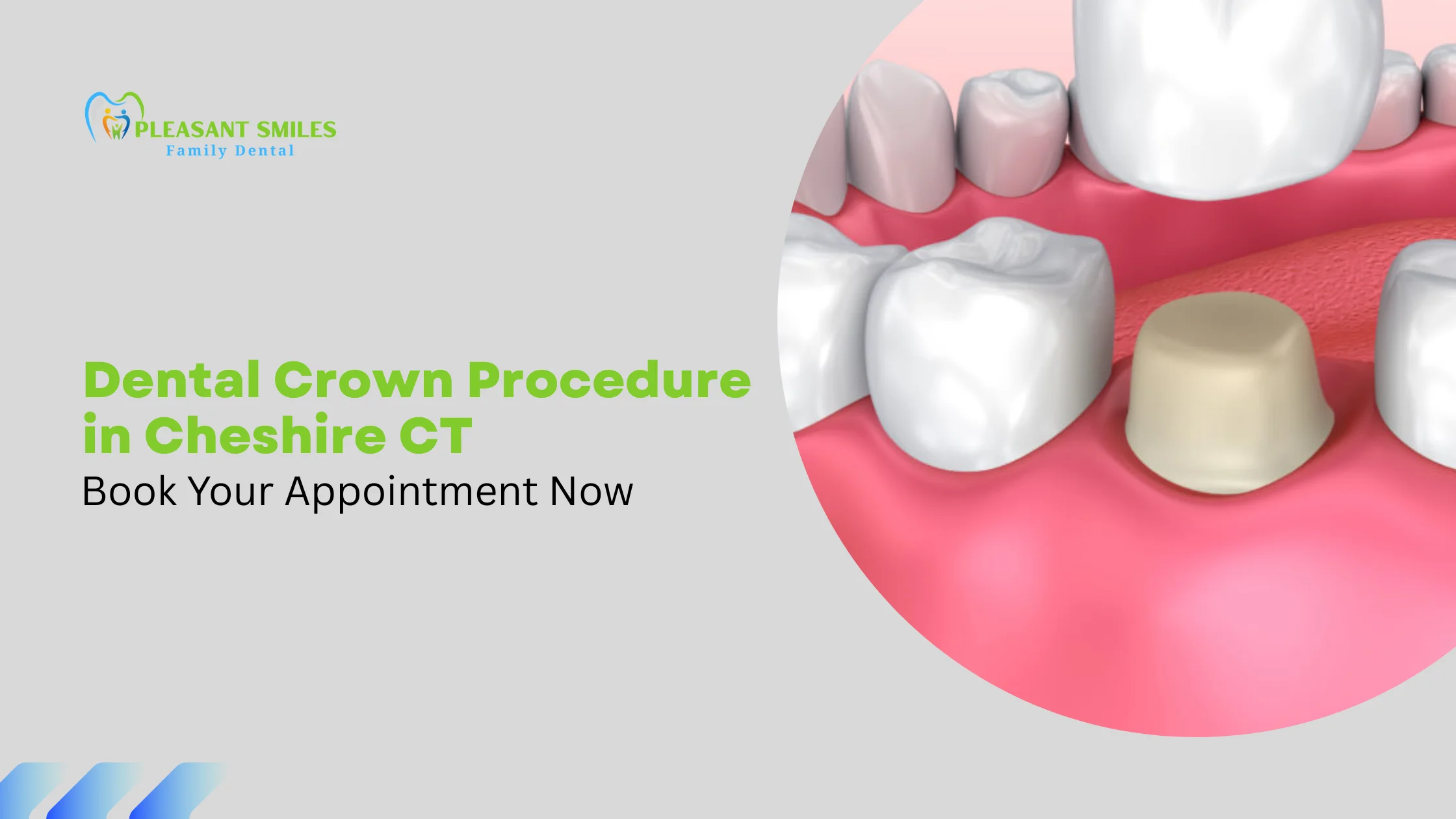
  • Place a temporary filling or recommend a dental crown to protect the tooth, if needed.

How long does a root canal take?

Most root canals are completed in one or two visits. Front teeth are often quicker to treat because they have fewer canals, while molars usually take longer due to their more complex root structure.

Does a root canal hurt?

A root canal has a reputation for being painful, but modern treatment is very different. With today’s local anesthetics and advanced dental techniques, most patients say it feels similar to getting a dental filling. According to the AAE, patients who have a root canal are six times more likely to describe the procedure as painless than those who have a tooth extracted.

What is Tooth Extraction?
What is Tooth Extraction?

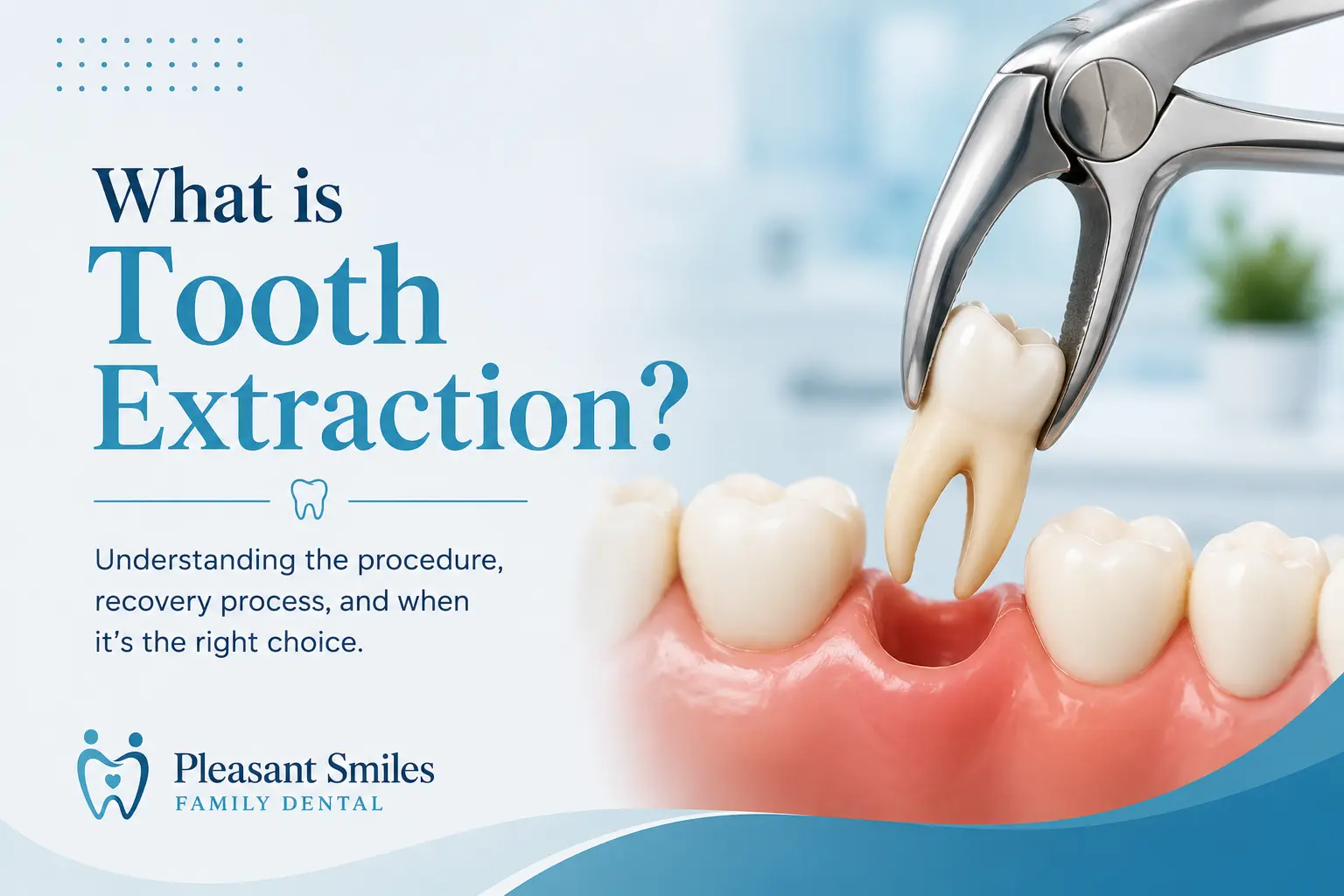
A tooth extraction is a procedure that removes a tooth from its socket in the jawbone. Dentists recommend an extraction when a tooth is too badly damaged by decay, infection, injury, or gum disease to be saved with other treatments. After the tooth is removed, the area begins to heal, and your dentist will discuss whether the missing tooth should be replaced with a dental implant, bridge, or partial denture.

Types of tooth extraction

There are two main types of tooth extractions:

  • Simple extraction: Performed when the tooth is fully visible above the gumline. Your dentist gently loosens the tooth and removes it using specialized dental instruments.
  • Surgical extraction: Needed when the tooth is broken, impacted, or difficult to reach. A small incision is made in the gum, and in some cases, the tooth is removed in sections to make the procedure easier and more comfortable.

What to expect after an extraction

A blood clot forms in the empty socket soon after the tooth is removed. Protecting this clot is an important part of healing, so your dentist will recommend avoiding smoking, drinking through a straw, or vigorous rinsing during the first 24 hours. Most people can return to their normal routine within 2 to 3 days, although complete healing of the bone takes longer, especially after a molar extraction.

Root Canal vs Tooth Extraction: How They Compare

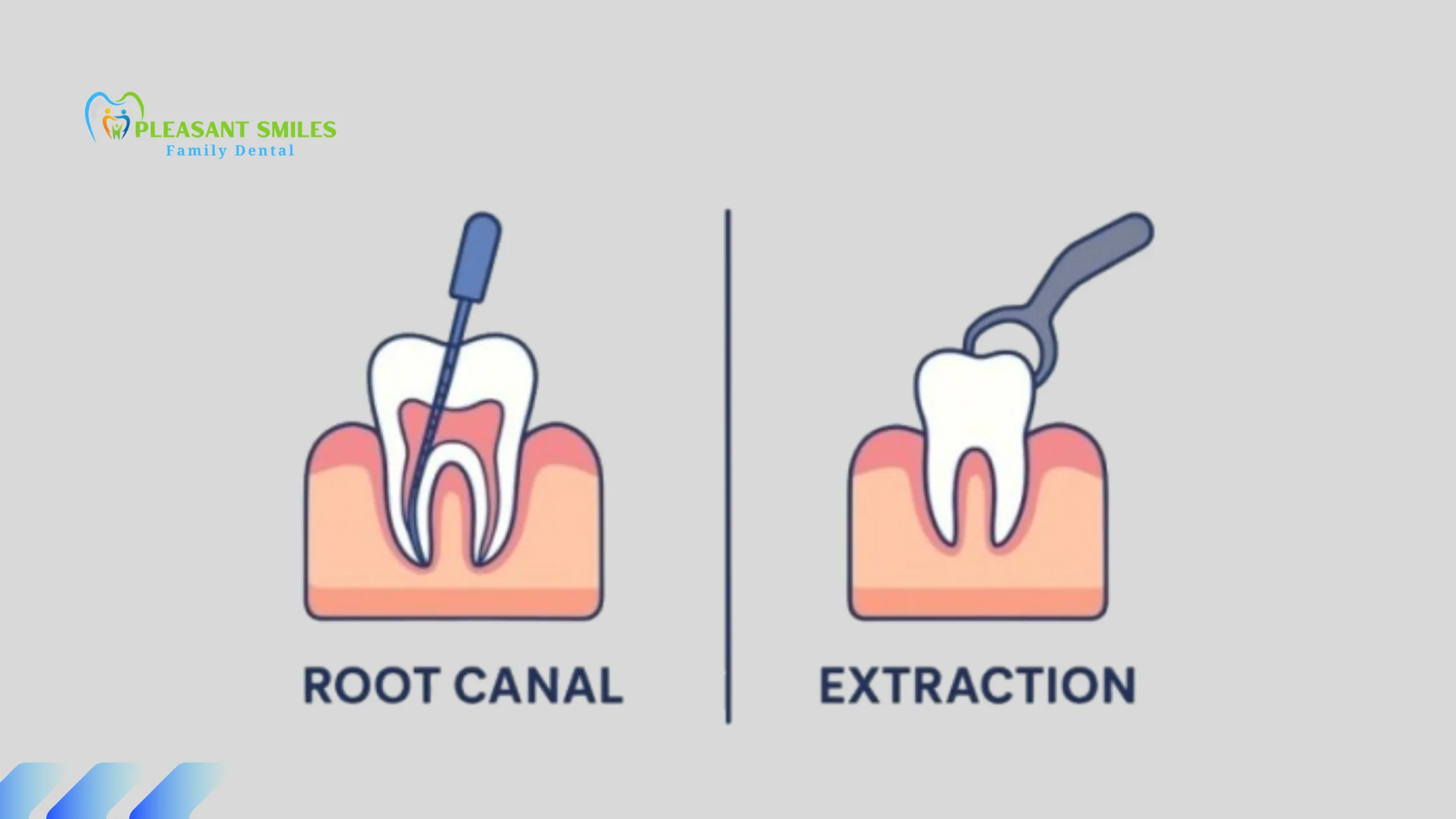
Both treatments can relieve tooth pain and treat an infection, but they do it in different ways. A root canal saves your natural tooth, while an extraction removes it completely. Here’s how they compare.

Factor Root canal Tooth extraction
Natural tooth Preserved Removed
Purpose Treats infection while saving the tooth Removes a tooth that can’t be repaired
Treatment time Usually 1 to 2 visits One visit for the extraction, with additional visits if the tooth is replaced
Recovery Most people feel better within a day or two Normal activities often resume in 2 to 3 days, but healing continues for several weeks
Long-term cost Often lower if the tooth can be saved Can be higher if you choose a dental implant, bridge, or denture
Effect on your smile Keeps your natural bite and appearance Missing teeth may affect your bite unless they’re replaced

Root Canal vs Extraction Pros and Cons

Pros and Cons of a Root Canal

Pros

  • Keep your natural tooth.
  • Preserves the jawbone at that site.
  • Protects your bite and adjacent teeth from shifting.
  • Cheaper long-term than extraction plus implant in most cases.
  • High survival rate at 10 years, per long-term clinical studies.
  • Usually done in one or two visits.
  • No visible gap in your smile.

Cons

  • Higher upfront cost than extraction.
  • Almost always needs a crown afterward.
  • The tooth becomes slightly more brittle over time.
  • Small risk of re-infection that requires retreatment.
  • Off the table when the tooth is cracked below the gumline.

Pros and Cons of a Tooth Extraction

Pros

  • Lower upfront cost.
  • Removes the infection source completely.
  • Fast procedure.
  • The right call when the tooth truly can’t be saved.

Cons

  • Permanent loss of your natural tooth.
  • Bone loss starts at the site within the first year.
  • Adjacent teeth drift; opposing teeth over-erupt.
  • Replacement costs (implant, bridge, denture) add up.
  • Speech and chewing can change.
  • Cosmetic impact for visible teeth.
  • Longer recovery than a root canal.

Tooth Extraction vs Root Canal Pain: Which Hurts More?

Many people worry that a root canal will be more painful than having a tooth removed. The reality is that both procedures are performed under local anaesthesia, so you should remain comfortable during treatment. The biggest difference is what happens after you leave the dental office.

During the Procedure

Whether you need a root canal or an extraction, your dentist will numb the area before starting. You may notice some pressure, but you shouldn’t feel sharp pain. If you do, your dentist can give you more anesthetic to keep you comfortable.

After the Procedure

A root canal usually causes mild soreness for a day or two, and many patients return to their normal routine the next day. An extraction often requires a little more recovery because the empty socket needs time to heal. Some swelling, tenderness, and minor discomfort are normal for the first few days, especially after a surgical extraction.

Which Treatment is More Comfortable?

If your tooth can be saved, a root canal is often the more comfortable option overall. The AAE reports that patients who have a root canal are six times more likely to describe the procedure as painless than those who have a tooth extracted.

Anaesthesia and Sedation Options

Whether you’re having a root canal or a tooth extraction, your comfort comes first. Your dentist will recommend the most appropriate anaesthesia or sedation option based on your treatment, medical history, and comfort level.

  • Local anaesthesia: The most common option for both root canals and tooth extractions. It numbs the tooth and surrounding area, so you stay comfortable while remaining fully awake.
  • Nitrous oxide: Helps you feel relaxed during your appointment while remaining awake. The effects wear off quickly after treatment.
  • Oral sedation: A prescription medication taken before your visit to help reduce anxiety. Because it can make you drowsy, you’ll need someone to drive you home.
  • IV sedation: Provides a deeper level of relaxation for patients with significant dental anxiety or more complex procedures. You’ll be monitored throughout treatment and will need a ride home afterward.
  • General anaesthesia: Rarely needed for a root canal or routine tooth extraction. It may be recommended only for certain surgical procedures or specific medical conditions.

Root canal vs Extraction Cost: What Affects the Price?

The cost of treatment depends on more than the procedure itself. The condition of your tooth, the type of treatment you need, and whether additional care is required can all affect the final cost.

What affects the cost of a root canal?

  • The location of the tooth. Molars usually cost more because they have more root canals to treat.
  • Whether treatment is performed by a general dentist or an endodontist.
  • Whether the tooth needs a dental crown after the root canal.
  • Whether it’s a first-time root canal or a retreatment of a previously treated tooth.

What affects the cost of a tooth extraction?

  • Whether it’s a simple or surgical extraction.
  • Whether the tooth is impacted or difficult to remove.
  • The type of anesthesia or sedation used during the procedure.
  • Whether you’ll need a bone graft before a future dental implant.
  • Whether you choose to replace the missing tooth with a dental implant, bridge, or partial denture.

When comparing your options, look beyond the cost of the procedure alone. A root canal is often followed by a crown, while an extraction may be followed by a dental implant, bridge, or denture. Comparing the complete treatment plan gives you a much clearer picture of the long-term cost.

If you have dental insurance, your benefits may help cover part of the treatment. Before making a decision, ask your dental office for a written treatment estimate and check your insurance coverage so you know exactly what to expect.

When Should You Choose a Root Canal?

Your dentist will suggest a root canal when:

  • The decay has reached the pulp (nerve).
  • You’ve had repeated dental work on the same tooth.
  • The tooth is cracked but the roots are intact.
  • You have lingering hot or cold sensitivity that lasts more than 30 seconds.
  • You feel spontaneous pain, especially at night.
  • The gums near one specific tooth are swollen or tender.
  • The tooth has darkened, a sign the pulp has died.
  • An abscess shows on the x-ray and the tooth is still restorable.

When Should You Choose an Extraction?

Extraction is the right call when:

  • The tooth is cracked below the gumline (vertical root fracture).
  • Advanced periodontal disease has destroyed the bone support.
  • Too little tooth structure remains to hold a crown.
  • A previous root canal has failed and can’t be retreated.
  • The tooth is an impacted wisdom tooth causing problems.
  • Orthodontic planning needs space that the tooth is taking up.

If your case matches one of those, extraction plus a solid replacement plan wins.

Does the Type of Tooth Change the Decision?

Yes. The best treatment often depends on which tooth is affected and how much damage it has. Here’s what dentists typically recommend for different situations.

Cracked Tooth

A cracked tooth isn’t always a lost cause. Small surface cracks may not need treatment at all, while deeper cracks can often be repaired with a root canal and a dental crown. If the crack extends below the gumline or splits the tooth in two, removing the tooth may be the only option. A thorough examination, and sometimes 3D imaging, helps determine whether the tooth can be saved.

Second Molar

Your second molars do most of the heavy chewing, so keeping them whenever possible is usually the best choice. If the tooth can be restored, a root canal followed by a crown often provides the best long-term result. Extraction is generally recommended only when the tooth is too badly damaged to repair.

Wisdom Tooth

Wisdom teeth are different because they don’t always play an important role in chewing. If a wisdom tooth is impacted, difficult to clean, or severely damaged, extraction is often the recommended treatment. A root canal may still be an option for a healthy, fully erupted wisdom tooth that’s functional and easy to restore.

Baby Tooth

Even though baby teeth eventually fall out, they help guide permanent teeth into the correct position. When possible, dentists try to save an infected baby tooth rather than remove it too early. Extraction is usually considered only when the tooth is close to falling out naturally or can’t be restored.

Front Tooth

Saving a front tooth is often the preferred choice because it helps preserve your natural smile. A root canal can remove the infection while keeping the tooth in place, and a crown may be recommended to restore its strength and appearance. If the tooth must be removed, your dentist will discuss replacement options to restore both function and aesthetics.

What to Expect During Recovery

Root Canal Recovery

  • Day 1: numbness wears off within a few hours. Mild ache. Ibuprofen handles it.
  • Day 2 to 3: chew on the opposite side. Soreness fades.
  • Day 4 to 7: back to normal. Temporary filling still in place.
  • Week 2 to 3: permanent crown placed. Treatment done.

Tooth Extraction Recovery

  • Day 1: bite on gauze for about 30 to 45 minutes. Ice pack in cycles. Soft foods only. No straws, no smoking.
  • Day 2 to 3: swelling peaks. Day 3 is usually the worst for pain, per Cleveland Clinic. Salt-water rinses begin (gentle).
  • Day 4 to 7: soft tissue closes. Stitches out if used.
  • Week 2: back to normal activity. Bone still healing underneath.
  • Months later: bone remodeling continues. If an implant is planned, timing depends on your dentist’s protocol.

How We Help You Make the Right Decision

At Pleasant Smiles Family Dental, our goal is to help you make the best choice for your long-term oral health. Whenever a tooth can be saved safely and predictably, we’ll recommend treatment that preserves your natural tooth. If an extraction is the better option, we’ll explain why and discuss the most appropriate replacement options for your smile.

During your visit, we’ll carefully examine your tooth, review digital imaging, and answer all of your questions before recommending a treatment plan. We also offer same-day emergency appointments for severe tooth pain, comfort options for anxious patients, and work with most major insurance plans to make treatment as accessible as possible.

Ready to find the right treatment? Schedule your consultation with Pleasant Smiles Family Dental, and we’ll help you choose the best option for your smile.

Our Final Thoughts

Choosing between a root canal and a tooth extraction doesn’t have to be overwhelming. The right treatment depends on the condition of your tooth, your overall oral health, and what will give you the best long-term outcome. When a tooth can be saved, preserving it is often the healthiest choice.

If an extraction is the better option, there’s no need to worry. Modern dentistry offers reliable solutions to replace missing teeth and restore your smile. The most important thing is making a decision based on a thorough examination rather than waiting until the problem becomes more serious.

If you’re dealing with tooth pain or you’ve been told you need a root canal or extraction, we’re here to help. At Pleasant Smiles Family Dental, we’ll explain your options, answer your questions, and recommend the treatment that’s best for your smile so you can move forward with confidence.

Frequently Asked Questions

1. Which is better, a root canal or a tooth extraction?

A root canal is usually the better option when the tooth can be saved. It removes the infection while preserving your natural tooth, allowing you to maintain normal chewing and your natural bite. An extraction is recommended only when the tooth is too damaged or infected to be restored safely.

2. How do dentists decide between a root canal and an extraction?

Your dentist will examine the condition of the tooth, the amount of remaining healthy structure, the health of the surrounding bone, and whether the tooth can be restored successfully. If the tooth has a good long-term outlook, saving it with a root canal is usually recommended.

3. Is a root canal more painful than a tooth extraction?

No. Both procedures are performed with local anesthesia, so you shouldn’t feel pain during treatment. Recovery after a root canal is often shorter and more comfortable because the natural tooth remains in place, while an extraction requires the empty socket to heal.

4. Can an infected tooth heal without a root canal?

No. Once the pulp inside the tooth becomes infected, it cannot heal on its own. The infection must be treated with a root canal if the tooth can be saved or with an extraction if it cannot be restored.

5. What happens if I don’t replace a tooth after an extraction?

A missing tooth can cause nearby teeth to shift over time, affecting your bite and making chewing more difficult. Replacing the tooth with a dental implant, bridge, or partial denture helps restore function and supports your long-term oral health.

6. How long does a root canal last compared to an extraction?

A properly treated and restored tooth can last for many years, and often a lifetime with good oral care. An extraction permanently removes the tooth, and if you want to restore the space, additional treatment such as a dental implant or bridge is usually needed.
Wisdom Teeth Removal in Cheshire, CT: Trusted Dentists

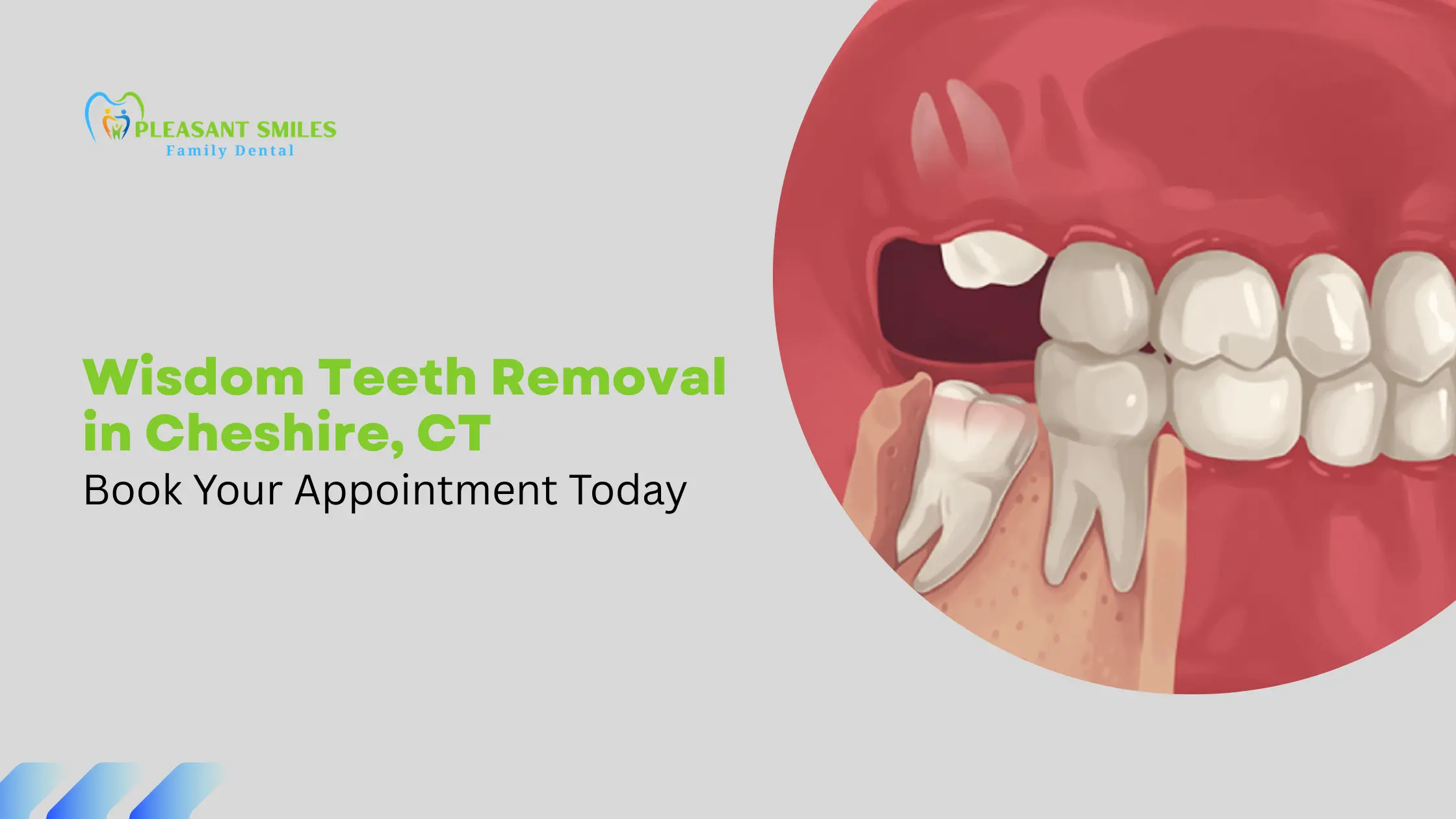
Pain, swelling, or soreness behind your back teeth can be a sign that your wisdom teeth don’t have enough room to grow properly. While some wisdom teeth never cause problems, others become impacted, increase the risk of infection, damage nearby teeth, or lead to ongoing discomfort.

If you’re considering wisdom teeth removal in Cheshire, CT, Pleasant Smiles Family Dental can help you understand your options. Our team carefully evaluates your oral health to determine whether extraction is the right choice.

In this guide, you’ll learn when wisdom teeth should be removed, what the procedure involves, what it typically costs, and what to expect during recovery so you can make an informed decision with confidence.

Quick Answer

Wisdom teeth removal is recommended when your third molars begin causing pain, repeated infections, damage to nearby teeth, or don’t have enough room to erupt normally. After a dental exam and X-rays, your dentist can determine whether the teeth should be monitored or removed. Many extractions can be completed comfortably in a general dental office, while complex impacted cases may require an oral surgeon. Most people return to their normal routine within 3 to 5 days, with the extraction site continuing to heal over the following couple of weeks.

What are Wisdom Teeth, and Why Do They Cause Problems?

Wisdom teeth, also called third molars, are the last permanent teeth to develop. They usually appear between the ages of 17 and 25, and most people have one in each corner at the back of the mouth. Some people have fewer than four, while others never develop wisdom teeth at all.

Wisdom teeth aren’t automatically a problem. The real issue is whether there’s enough space for them to come in properly. When there isn’t, they may stay trapped beneath the gums, grow at an angle, or push against the neighboring tooth. Dentists call this an impacted wisdom tooth, and it’s one of the most common reasons extraction is recommended.

Even a partially erupted wisdom tooth can create problems. Because it only breaks through part of the gum, food and bacteria can collect around it, making the area difficult to clean with a toothbrush or floss. Over time, this may lead to swollen gums, recurring infections, cavities, bad breath, or damage to the tooth beside it.

Some impacted wisdom teeth remain symptom-free for years, while others become painful without much warning. That’s why regular dental exams and digital X-rays are important. They allow your dentist to monitor how the teeth are developing and catch potential problems before they turn into pain, infection, or damage to nearby teeth.

Signs You May Need Your Wisdom Teeth Removed

Not every wisdom tooth needs to be removed. If it has enough room to grow, is easy to keep clean, and isn’t affecting nearby teeth, your dentist may simply monitor it during regular checkups. An evaluation is recommended if you notice any of these signs:

  • Pain or pressure behind your back teeth
  • Swollen, tender, or bleeding gums around a wisdom tooth
  • Jaw pain or stiffness when chewing or opening your mouth
  • Food getting trapped behind your last molars
  • Frequent gum infections around a partially erupted tooth
  • Cavities in the wisdom tooth or the tooth next to it
  • Persistent bad breath or a bad taste that doesn’t improve with brushing
  • Swelling around the jaw or face
  • Crowding or changes in the position of your teeth

One thing many people don’t realize is that wisdom teeth don’t always cause pain right away. They can slowly damage the tooth beside them, create deep pockets that trap bacteria, or increase the risk of infection long before you notice any discomfort. In many cases, these problems are first found on a routine dental X-ray.

Your dentist may also recommend removing wisdom teeth before they become painful, especially in younger patients. When the roots are still developing, the procedure is often less complicated, and recovery may be smoother.

If you’ve had recurring discomfort or food keeps collecting around your back teeth, don’t ignore it. A simple exam and digital X-ray can confirm whether your wisdom teeth are the cause or if another dental issue needs treatment.

How Much Does it Cost to Remove Wisdom Teeth?

The cost of removing four wisdom teeth varies because every case is different. A simple extraction usually costs less than a tooth that’s impacted or requires a surgical procedure. Your final cost also depends on the number of teeth being removed, the type of anesthesia used, and your dental insurance coverage.

Rather than relying on general price ranges, the best way to understand your cost is through a dental exam and digital X-rays. They allow your dentist to see how each wisdom tooth is positioned and determine the most appropriate treatment before providing a written estimate.

If your dental insurance covers wisdom teeth removal in Cheshire, part of the procedure may be covered when it’s considered medically necessary. Our team will review your benefits, explain any out-of-pocket costs, and answer your questions before treatment is scheduled, so you’ll know exactly what to expect.

Can I Get My Wisdom Teeth Removed Privately?

Yes. Most wisdom teeth are removed at a general dental practice or an oral surgeon’s office. You can usually schedule an appointment directly without visiting a clinic first.

During your appointment, your dentist will examine your teeth, review your digital X-rays, and determine whether the extraction can be completed in the office or if a referral to an oral surgeon is the safer option. This evaluation helps you understand your treatment plan before making any decisions.

If you have dental insurance, your provider can also help verify your coverage and explain any expected out-of-pocket costs before your procedure is scheduled.

Where are Wisdom Teeth Extract?

Most wisdom teeth can be removed right here at a dental office after a thorough exam and digital X-rays. If the teeth are fully erupted or only mildly impacted, the procedure is often completed during a scheduled appointment using local anesthesia or sedation, depending on your treatment plan.

At Pleasant Smiles Family Dental, we evaluate every case individually. If your wisdom teeth can be removed safely in our Cheshire office, we’ll explain the procedure, review your treatment plan, and provide detailed aftercare instructions before you go home the same day.

Should a Dentist or An Oral Surgeon Extract Your Wisdom Teeth?

The right provider depends on the position of your wisdom teeth, not simply whether they need to be removed.

If your wisdom teeth have fully erupted and are easy to access, they can often be removed safely by a general dentist. When a tooth is deeply impacted, growing sideways, or located close to important nerves or surrounding bone, your dentist may recommend treatment by an oral surgeon.

At Pleasant Smiles Family Dental, every wisdom tooth extraction begins with a comprehensive exam and digital X-rays. We evaluate the position of each tooth, its roots, and the surrounding structures before recommending the safest treatment option.

If your extraction can be completed comfortably in our Cheshire office, we’ll take care of it here. If your case is more complex, we’ll refer you to a trusted oral surgeon and coordinate your care, so you receive the treatment that’s right for your specific situation.

Benefits of Tooth Extractions

Extracting wisdom teeth before they cause serious problems can protect your oral health and help you avoid more complex treatment later. If your dentist recommends an extraction, it’s usually because the benefits outweigh the risks of leaving the tooth in place.

Helps Protect Nearby Teeth

An impacted wisdom tooth can press against the neighbouring molar or create areas that are difficult to clean. Removing it lowers the risk of cavities, gum disease, and damage to the healthy tooth beside it.

Reduces the Risk of Recurring Infections

Partially erupted wisdom teeth often trap food and bacteria beneath the gum tissue. This can lead to repeated swelling, discomfort, and infection. Removing the tooth eliminates the source of the problem instead of treating the symptoms over and over.

Makes Cleaning Easier

The very back of the mouth is one of the hardest places to brush and floss. Removing problematic wisdom teeth can make daily oral hygiene easier and reduce plaque buildup in hard-to-reach areas.

Helps Prevent Future Complications

Some wisdom teeth don’t hurt today but can still cause problems as they continue to develop. Early evaluation and treatment can reduce the chance of infection, damage to nearby teeth, or more difficult extractions later.

Supports Long-term Oral Health

Every patient is different, but when wisdom teeth are causing pain, infection, or damage, removing them can help preserve the health of your gums, surrounding teeth, and overall smile for years to come.

Why Choose Pleasant Smiles Family Dental?

Choosing the right dentist for wisdom teeth removal in Cheshire starts with getting the right diagnosis. At Pleasant Smiles Family Dental, we take time to evaluate your symptoms, review your digital X-rays, and determine whether an extraction is actually necessary.

If your wisdom teeth can be safely removed in our Cheshire office, we’ll explain every step of your treatment and answer your questions before you make a decision.

We believe patients deserve honest recommendations, clear communication, and a treatment plan that’s based on their individual needs, not a one-size-fits-all approach. 

If your case requires more advanced surgical care, we’ll refer you to a trusted oral surgeon and coordinate your treatment, so you always receive the care that’s best for your smile. 

From your first consultation to your follow-up care, our goal is to make the entire process as comfortable and stress-free as possible.

Schedule Your Wisdom Teeth Evaluation

If your wisdom teeth are causing pain, swelling, recurring infections, or are becoming difficult to clean, an examination can determine whether they need treatment. A dental exam and digital X-rays allow us to evaluate the position of your wisdom teeth and recommend the most appropriate option for your smile.

At Pleasant Smiles Family Dental, we’re committed to providing honest recommendations and personalized care. If wisdom teeth removal in Cheshire is the right choice, we’ll explain your treatment options, answer your questions, and help you feel confident about your next step. Contact our Cheshire office today to schedule your appointment.

How Do You Find a Good Cosmetic Dentist? Expert Guide

Choosing to improve your smile is a big decision, and the results depend heavily on the dentist you select. Many patients today search for how do you find a good cosmetic dentist because cosmetic treatments require both technical skill and an artistic eye.

Unlike general dental care, cosmetic dentistry focuses on enhancing the appearance of your teeth while maintaining proper function. Whether you’re considering veneers, teeth whitening, or a complete smile makeover, the quality of the outcome is directly linked to the dentist’s experience and approach.

With so many options available, it’s important to know what to look for before making a decision. In this guide, you’ll learn how to evaluate a cosmetic dentist, what questions to ask, and how to choose the right professional for long-lasting, natural-looking results.

What Does a Cosmetic Dentist Actually Do?

A cosmetic dentist focuses on improving the appearance of your teeth, gums, and overall smile. While general dentistry is centered on oral health and prevention, cosmetic dentistry combines function with aesthetics to create a more balanced and natural-looking smile.

Common cosmetic treatments include procedures such as teeth whitening, veneers, dental bonding, and smile makeovers. These treatments are designed to address concerns like discoloration, chipped teeth, gaps, uneven shapes, or misalignment.

In many cases, a cosmetic dentist also ensures that any improvements blend seamlessly with your natural teeth. This requires not only technical expertise but also an eye for detail, symmetry, and facial harmony to achieve results that look both attractive and realistic.

Why Choosing the Right Cosmetic Dentist Is Critical

Cosmetic dental treatments are highly visible, which means even small mistakes can affect your overall appearance. Unlike routine procedures, results like veneers or smile makeovers are not easy to reverse, making your choice of dentist extremely important.

An experienced cosmetic dentist focuses on both aesthetics and function, ensuring that your smile not only looks natural but also feels comfortable and works properly. Poorly done cosmetic work can lead to issues such as uneven bites, discomfort, or the need for costly corrections later.

Choosing the right professional from the start helps you avoid unnecessary risks and ensures long-lasting results. A skilled cosmetic dentist will take the time to understand your goals and create a treatment plan that enhances your smile while protecting your oral health.

How Do You Find a Good Cosmetic Dentist?

Finding the right cosmetic dentist requires more than a quick online search. You need to evaluate their experience, approach, and ability to deliver natural-looking results.

To find a good cosmetic dentist, check their training and experience, review real patient results, read verified reviews, evaluate the technology they use, and schedule a consultation to assess their approach and communication.

Key Tips to Follow

  • Check Qualifications and Training: Look for a dentist with additional training or certifications in cosmetic dentistry, not just general dental experience.
  • Review Before-and-After Photos: A strong portfolio of real patient cases helps you understand the quality and consistency of their work.
  • Read Patient Reviews: Go through Google and other review platforms to see honest feedback about patient experiences and results.
  • Evaluate Experience in Specific Procedures: Make sure the dentist regularly performs the treatment you are considering, such as veneers or smile makeovers.
  • Ask About Technology Used: Modern tools like digital smile design and 3D imaging can improve precision and outcomes.
  • Schedule a Consultation: A consultation helps you understand their communication style, treatment plan, and how well they address your concerns.
  • Look for Personalized Treatment Plans: A good cosmetic dentist will customize the treatment based on your facial features, goals, and oral health.
  • Assess Communication and Transparency: The dentist should clearly explain procedures, risks, timelines, and costs without pressure.
  • Compare Multiple Options: Don’t rush the decision—consulting more than one dentist can help you make a more confident choice. 

Key Qualities of a Good Cosmetic Dentist

Proven Experience in Cosmetic Procedures

A skilled cosmetic dentist should have consistent experience in treatments like veneers, bonding, and smile makeovers. Repeated hands-on work helps refine technique and ensures more predictable, high-quality results.

Strong Portfolio of Real Cases

Before-and-after photos of actual patients provide insight into the dentist’s work. A reliable portfolio shows natural-looking results across different cases, not just one or two ideal outcomes.

Attention to Detail and Aesthetics

Cosmetic dentistry requires precision and an artistic eye. A good dentist focuses on symmetry, tooth proportions, and how your smile complements your facial features.

Use of Modern Technology

Advanced tools like digital smile design, intraoral scanners, and 3D imaging improve accuracy and planning. Technology helps create better-fitting restorations and more predictable results.

Clear Communication and Transparency

A trustworthy dentist explains every step of the process, including risks, timelines, and expected results. Clear communication helps you feel informed and confident about your decision.

Customized Treatment Approach

Every smile is different, and treatment should never be one-size-fits-all. A good cosmetic dentist designs a plan based on your goals, dental condition, and facial structure.

Positive Patient Feedback

Consistent positive reviews and patient testimonials reflect reliability and patient satisfaction. Look for feedback that mentions both the experience and the final results.

Why Patients Trust Pleasant Smiles Family Dental

At Pleasant Smiles Family Dental, Dr. Vijitha Bandla brings years of hands-on experience in cosmetic and restorative dentistry. Her dedication to staying updated with modern techniques and technology ensures patients receive safe, effective, and natural-looking results.

The clinic focuses on personalized care, combining aesthetic improvements with functional outcomes. Every treatment is tailored to enhance not only the smile but also overall oral health and confidence. Patients trust Pleasant Smiles Family Dental for reliable, compassionate care that delivers long-lasting results.

Conclusion

Choosing the right cosmetic dentist comes down to a few key considerations: evaluating experience, reviewing real patient results, checking credentials, and feeling confident in the clinic’s approach. Taking the time to research and compare options can help you make an informed decision that meets both your aesthetic and oral health goals.

If you’re ready to explore your cosmetic dentistry options or have questions about specific treatments, scheduling a consultation is the best next step. At Pleasant Smiles Family Dental, Dr. Vijitha Bandla and our team provide personalized guidance to help you achieve a smile that looks natural, feels comfortable, and supports long-term oral health.

FAQs

1. How do I choose the best cosmetic dentist?

Look for experience, training in cosmetic procedures, real patient results, positive reviews, and a dentist who explains options clearly. Trust and comfort with your dentist are key for successful outcomes.

2. What qualifications should a cosmetic dentist have?

A good cosmetic dentist should have a dental degree, advanced training in aesthetic procedures, certifications from recognized dental boards, and hands-on experience in treatments like veneers, teeth whitening, and smile makeovers.

3. Is cosmetic dentistry safe?

Yes, cosmetic dentistry is generally safe when performed by a qualified dentist. Proper evaluation, planning, and using approved materials ensure treatments improve your smile without compromising oral health.

4. How long do cosmetic results last?

The longevity of cosmetic results depends on the procedure, oral hygiene, and lifestyle habits. Teeth whitening may last months, while veneers and crowns can last 10–20 years with proper care.

5. Is cosmetic dentistry worth it?

Cosmetic dentistry can boost confidence, improve smile aesthetics, and enhance oral function. Investing in treatments with a skilled dentist often provides long-term benefits for both appearance and dental health.

Dental Implants Versus Dentures: Which Is Better for You?

Replacing missing teeth is essential for maintaining oral health, proper chewing, and overall comfort. Many patients often compare dental implants versus dentures to understand which option is more suitable for their needs.

Both options are widely used for missing teeth replacement, but they function differently. Dentures are removable appliances designed to replace multiple missing teeth, while dental implants are fixed solutions placed in the jawbone to support artificial teeth.

When comparing dentures vs implants, factors such as stability, longevity, maintenance, and oral health impact play a key role. Understanding the difference between dentures and implants can help you make a more informed decision based on your condition and long-term expectations.

​​Key Considerations

  • Long-Term Costs: Dentures are cheaper upfront but may cost more over time due to adjustments and replacements, while implants are a higher initial investment with long-term savings.
  • Maintenance Requirements: Implants are brushed like natural teeth, whereas dentures need daily removal, soaking, and special cleaning.
  • Bone Health and Facial Structure: Implants preserve jawbone density and prevent facial sagging, unlike dentures which do not support the bone.
  • Hybrid Solutions: Implant-supported dentures or “All-on-4” offer more stability than traditional dentures without placing an implant for every tooth.
  • Lifestyle and Functionality: Implants provide better chewing efficiency and natural feel, while dentures may affect comfort, speech, or eating certain foods.

What Are Dental Implants?

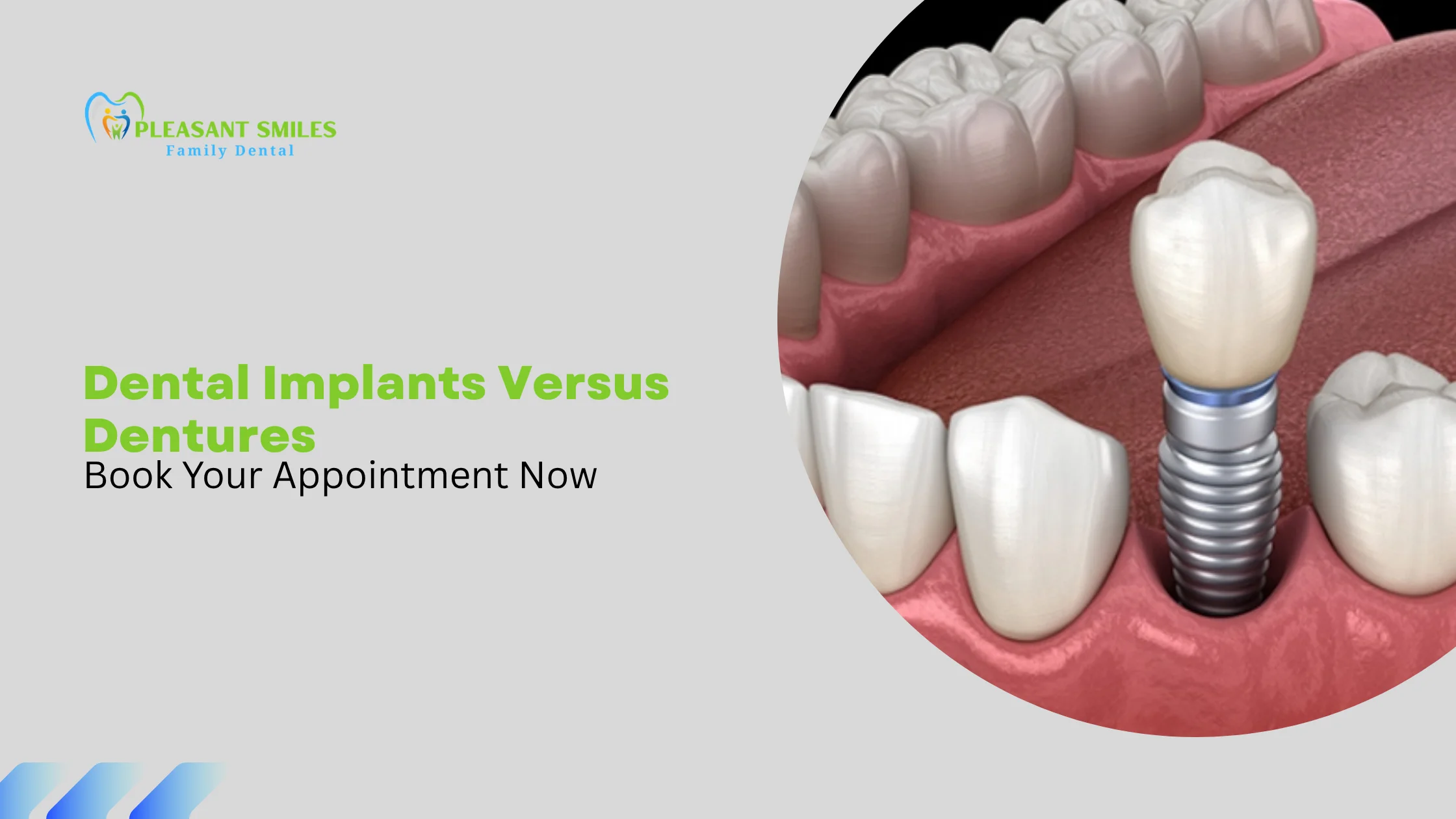
Dental implants are a fixed solution used to replace missing teeth. They involve placing a small titanium post into the jawbone, which acts like a natural tooth root and supports a crown, bridge, or even full arch restoration.

Over time, the implant integrates with the bone through a process called osseointegration, creating a stable and long-lasting foundation. This procedure makes implants one of the most reliable options for restoring both function and appearance.

Compared to other options like dentures, implants do not move or shift in the mouth. They are designed to function like natural teeth, improving chewing ability and helping maintain jawbone health.

What Are Dentures?

Dentures are removable dental appliances used to replace missing teeth and surrounding tissues. They are typically made from acrylic or a combination of materials and are designed to fit comfortably over the gums.

There are different types of dentures, including full dentures for replacing all teeth and partial dentures for filling gaps when some natural teeth remain. This feature makes them a flexible option for various levels of tooth loss.

Compared to implants, dentures are not fixed in place and may need to be removed for cleaning. While they restore basic function and appearance, they may feel less stable during eating or speaking.

Dental Implants vs Dentures—Key Differences

Both dental implants and dentures are effective solutions for replacing missing teeth, but they differ in how they function, feel, and are maintained. Understanding these differences can help you choose the option that best fits your needs.

Feature Dental Implants Dentures
Placement Surgically placed into the jawbone Rest on top of the gums
Stability Fixed and secure Removable, may shift
Comfort Feels similar to natural teeth May take time to adjust
Chewing Ability Strong and efficient Limited compared to implants
Maintenance Brushed like natural teeth Removed daily for cleaning
Longevity Long-term solution with proper care May need replacement over time

Dental implants are designed to function like natural teeth, offering better stability and chewing strength. In contrast, dentures provide a more affordable and non-surgical option but may require adjustments over time.

Procedure for Dental Implants vs Dentures

Understanding the procedure for dental implants versus dentures helps set clear expectations about time, complexity, and overall treatment approach. Both options restore missing teeth, but the process involved is very different.

Dental Implants Procedure

Dental implants require sufficient jawbone to support the implant. The process begins with placing a small titanium post into the jawbone, which acts as an artificial tooth root.

After placement, the bone gradually fuses with the implant through a healing process called osseointegration. This phase can take a few months, as the implant becomes stable within the bone.

Once healing is complete, a connector (abutment) is attached, followed by a custom-made crown. The final result is a fixed tooth replacement that closely functions like a natural tooth.

Dentures Procedure

Dentures are a non-surgical option and can be made regardless of bone availability. The process typically starts with taking detailed impressions of the gums and any remaining teeth.

These impressions are used to create a custom set of dentures designed to fit comfortably and support proper chewing and speech. In some cases, trial dentures are placed first to check fit and alignment.

The final dentures are supplied after any required modifications. They are designed to rest on the gums and may be held in place using natural suction or a dental adhesive for added stability.

Dental Implants vs. Dentures—Pros and Cons

Pros of Dental Implants

  • Improved Stability: Implants anchor securely into the jawbone, reducing movement and preventing slipping while eating or speaking.
  • Bone Preservation: Implants stimulate the jawbone, helping maintain bone density and facial structure over time.
  • Long-Term Solution: With proper care, implants can last many years and often outlast traditional dentures.
  • Enhanced Comfort: Because they are fixed in place, implants feel more natural and reduce gum irritation.
  • Better Chewing Ability: Implants provide stronger biting force, allowing patients to eat a wider variety of foods comfortably.

Cons of Dental Implants

  • Surgical Procedure Required: Implant placement involves minor oral surgery, which may not be suitable for all patients.
  • Healing Time: The process requires time for the implant to integrate with the bone before final placement.
  • Higher Initial Cost: Implants typically involve a greater upfront investment compared to dentures.

Pros of Dentures

  • Non-Surgical Option: Dentures do not require surgery, making them suitable for patients who prefer less invasive treatment.
  • Affordable Upfront Cost: They are generally more budget-friendly compared to implants.
  • Faster Treatment Process: Dentures can be made and fitted in a shorter period of time.
  • Suitable for Multiple Teeth: Ideal for replacing several or all missing teeth at once.

Cons of Dentures

  • Less Stability: Dentures may shift or move, especially while eating or speaking.
  • Adjustment Period: It can take time to get used to wearing dentures comfortably.
  • Ongoing Maintenance: Dentures require daily removal, cleaning, and occasional adjustments or replacement.

Partial Dentures vs Implants

When to Choose Partial Dentures

Partial dentures are often recommended when a few teeth are missing and a non-invasive, removable solution is preferred. They are suitable for patients with limited jawbone density or those who want a cost-effective option without surgery. Partial dentures restore chewing ability and aesthetics but require daily cleaning and occasional adjustments.

When Implants Are Better

Dental implants are ideal for patients seeking a permanent solution with improved stability and function. Implants preserve jawbone health, prevent bone loss, and feel more like natural teeth. They are especially recommended when long-term durability and minimal movement during chewing or speaking are priorities.

Cost and Comfort Comparison

Partial dentures are generally less expensive upfront but may need replacement over time and can cause minor gum irritation. Implants have a higher initial cost but offer better comfort, stability, and long-term oral health benefits. Over time, implants often provide a more cost-effective solution due to their longevity and reduced maintenance needs.

Implant-Supported Dentures vs Traditional Dentures

What Are Implant-Supported Dentures?

Implant-supported dentures attach to dental implants placed in the jaw, providing a stable and secure fit. Unlike traditional dentures, they don’t rely solely on adhesives and are less likely to shift while speaking or eating. This option is particularly helpful for patients who want a more natural feel and improved chewing efficiency.

Advantages Over Traditional Dentures

Implant-supported dentures help preserve jawbone density by stimulating the bone, which reduces bone loss over time. They also offer better comfort, fewer sore spots, and increased confidence while speaking or smiling. Patients generally find them easier to adapt to compared to removable dentures.

When Traditional Dentures Are Suitable

Traditional dentures remain a practical choice for patients who cannot undergo implant surgery due to medical conditions, insufficient bone, or budget constraints. They restore function and aesthetics but may require adhesives and periodic adjustments to maintain a proper fit.

Making a Decision: Dental Implants vs Dentures

When choosing between dentures and implants, several key factors can help guide your decision:

Age

Younger patients often benefit from implants because they offer a long-term solution that can last decades. Older adults may prefer dentures, as they require less invasive procedures and can be fitted more quickly.

Bone Density

Implants need sufficient jawbone to support the posts. Bone loss from age, tooth loss, or gum disease can make implants challenging, though bone grafting is an option for some patients.

Function and Comfort

Implants generally offer better stability, chewing ability, and a more natural feel than dentures. Implant-supported overdentures combine the benefits of both, providing improved comfort and efficiency over traditional dentures.

Oral Hygiene

Implants require less daily maintenance compared to removable dentures. If you anticipate challenges in keeping dentures clean or in place, implants may be the more practical option.

Choosing the right option depends on your health, lifestyle, and personal preferences. A consultation with a dental professional can help determine which solution will best meet your needs.

Alternatives to Dentures and Dental Implants

While dentures and dental implants are the most common options for replacing missing teeth, several alternatives may suit your needs depending on your oral health, budget, and lifestyle:

Dental Bridge: 

A dental bridge, also called a fixed partial denture, replaces one or more missing teeth by anchoring to the surrounding teeth. Bridges can restore your smile and chewing function effectively, though proper care and regular dental checkups are necessary to prevent decay on the supporting teeth.

Temporary Partial Denture (Flipper): 

Flippers are removable, retainer-like dentures that fill gaps caused by missing teeth. They are lightweight and cost-effective, offering a quick cosmetic solution while waiting for a permanent option like an implant or bridge. However, they are less durable and may need replacement over time.

Snap-In Denture (Overdenture): 

Snap-in dentures combine features of implants and traditional dentures. They attach to a few dental implants in the jaw, providing more stability than conventional dentures. Snap-in dentures can be removable for cleaning or fixed, but they require regular maintenance and come with similar considerations as implants.

Each of these alternatives has its own advantages and limitations. Discussing your oral health, budget, and long-term goals with a dental professional, such as Dr. Vijitha Bandla at Pleasant Smiles Family Dental, will help determine which solution is best suited for your smile.

Pleasant Smiles Family Dental: Dentures and Dental Implants Explained

At Pleasant Smiles Family Dental, Dr. Vijitha Bandla and our experienced team understand that each patient’s dental needs are different. We provide thorough guidance on options for replacing missing teeth, including traditional dentures and dental implant-supported solutions.

Our approach focuses on ensuring that each option—whether a removable denture or a fixed implant—fits comfortably, functions well, and supports long-term oral health. By assessing your jawbone, bite, and overall oral condition, we help patients make informed choices between dentures and implants.

With careful planning and modern techniques, patients can achieve a stable, natural-looking smile while maintaining comfort and functionality. Our goal is to provide clarity on the differences, benefits, and considerations for each solution so you can choose what works best for your dental health.

FAQs

1. What are the main differences between traditional dentures and implant-supported dentures?

Traditional dentures rest on the gums and can be removed, while implant-supported dentures are anchored to dental implants in the jawbone. Implants offer better stability, improved chewing, and help maintain jawbone health, whereas traditional dentures are less invasive and more affordable.

2. Are implant-supported dentures more comfortable than traditional dentures?

Yes, implant-supported dentures generally feel more natural and secure. They reduce slipping, minimize sore spots, and make eating and speaking easier compared to traditional dentures.

3. Do implant-supported dentures last longer than traditional dentures?

Implant-supported dentures can last many years with proper care, often significantly longer than traditional dentures. The implants stimulate the jawbone, helping maintain support and prolong the lifespan of the prosthetic.

4. How do dentures affect bone loss?

Traditional dentures do not prevent bone loss, which can occur over time as the jawbone resorbs after tooth loss. Implant-supported dentures help preserve bone by stimulating the jaw, reducing the risk of facial structure changes.

5. Can I switch from traditional dentures to implant-supported dentures later?

Yes, it is possible to transition from traditional dentures to implant-supported dentures. A dentist will evaluate your jawbone health and may recommend bone grafting if additional support is needed for implants.

How to Choose the Right Dentist for Dental Implants

Choosing dental implants in Cheshire, CT to replace your missing teeth is a significant investment in your oral health, function, and overall quality of life. Naturally, you’ll want a highly qualified dentist to perform your treatment. While many general dentists now place dental implants, they may not have the specialized training and extensive experience that certain specialists possess.

You can technically see different types of dentists for your implant procedure, but it’s important to understand their qualifications and experience. These are general guidelines, so always check a dentist’s credentials, training, and years of implant placement experience, regardless of their specialty.

The Risks of Picking the Wrong Provider for Dental Implants

Dental implants in Cheshire are a major investment in your oral health, function, and smile. Choosing the wrong provider can lead to complications, additional costs, and even implant failure. Unlike routine dental work, implant procedures are surgical and technically complex, requiring precise planning and expertise. Not every dentist is equipped to handle these procedures safely.

Is Every Dentist Qualified to Place Implants?

While many general dentists offer implant services, only those with specialized training and experience in implant dentistry should perform complex procedures. Success depends on knowledge of jaw anatomy, surgical techniques, and prosthetic restoration.

Dentists who lack experience in procedures such as bone grafting, sinus lifts, or digital planning tools may increase the risk of complications or implant failure. To ensure the best outcome, choose a provider or team with a proven track record, advanced technology, and a collaborative approach to care.

What Type of Dentist Does Dental Implants?

Dental implants can be performed by different types of dental professionals depending on the patient’s needs, oral health condition, and the complexity of the procedure. Implant treatment often combines surgical placement with restorative work, which means more than one specialist may be involved in the process.

Understanding the different professionals who perform dental implant procedures can help patients decide whether they should visit a general dentist, oral surgeon, or another dental specialist for implant treatment.

General Dentist Implants

Many patients receive dental implants from a general dentist who has completed additional training in implant dentistry. General dentists commonly handle straightforward implant cases where the jawbone is healthy and no complex surgical procedures are required.

A general dentist may perform the entire treatment process, including the implant placement, abutment teeth preparation, and the final crown restoration. This option can be convenient for patients because the procedure and follow-up care are handled in one dental office.

However, if the case involves bone loss, impacted teeth, or surgical complications, the general dentist may refer the patient to a specialist for the implant placement while completing the final restoration later.

Oral Surgeon for Dental Implants

An oral and maxillofacial surgeon is often recommended for patients who require more advanced surgical procedures. Oral surgeons specialize in complex dental surgeries involving the jawbone, facial structures, and soft tissues.

They commonly perform implant placement surgeries, especially in cases that require bone grafting, sinus lifts, or multiple implants. Because oral surgeons receive extensive surgical training, they are often the preferred option when a dental implant procedure involves complicated anatomical conditions.

After the implant is placed and the area heals, the patient may return to their general dentist for the final crown or bridge restoration.

Periodontist (Gum Specialist)

A periodontist is a dentist who specializes in the health of the gums and the supporting structures of the teeth. Since dental implants depend on strong bone and healthy gum tissue, periodontists are highly trained in implant placement and long-term implant stability.

Patients who have gum disease, bone loss, or soft tissue concerns are often referred to a periodontist for dental implant treatment. Periodontists focus on ensuring that the implant integrates properly with the jawbone, which is essential for creating a long-lasting dental bridge or implant restoration.

Prosthodontist (Restorative Specialist)

A prosthodontist specializes in advanced tooth replacement and restorative dentistry. While they may not always perform the surgical placement of implants, prosthodontists are experts in designing and placing the final prosthetic tooth, crown, or implant-supported bridge.

Their role is to ensure that the implant restoration looks natural, functions properly, and fits comfortably with the patient’s bite. Prosthodontists are often involved in complex cases where multiple teeth are missing or when patients require full-mouth restoration.

Periodontist vs Oral Surgeon for Dental Implants

When considering dental implants, many patients wonder whether a periodontist or an oral surgeon is the right choice. Both are specialists, but their expertise and focus differ, making the choice dependent on your oral health and the complexity of your procedure.

A periodontist specializes in the health of the gums and supporting bone. They are ideal for patients with gum disease, bone loss, or other periodontal concerns. Periodontists are trained to place implants while ensuring the surrounding tissue is healthy and strong, which is crucial for long-term implant success.

An oral surgeon, also called an oral and maxillofacial surgeon, focuses on complex surgical procedures involving the jaw, mouth, and facial structures. Oral surgeons are often recommended for patients who need bone grafts, sinus lifts, or multiple implants. Their advanced surgical training makes them well-suited for complicated implant placements.

For example, a periodontist or oral surgeon may handle the implant placement, while a general dentist or prosthodontist completes the final restoration with crowns, bridges, or implant-supported dentures.

Comparing Roles:

Provider Role in Implant Treatment
Periodontist Focuses on gum and bone health; places implants when periodontal conditions exist
Oral Surgeon Performs surgical placement, especially in complex cases involving bone grafts, sinus lifts, or multiple implants

Understanding the differences between a periodontist and an oral surgeon can help you choose the right specialist for your dental implant procedure in Cheshire, ensuring better outcomes and long-lasting results.

How to Choose the Right Dentist for Dental Implants

Choosing the right dentist for dental implants is crucial, as successful treatment requires both surgical precision and restorative expertise. Whether you see a general dentist or a specialist, it’s important to consider their experience and training in implant dentistry.

One of the first things to check is the dentist’s implant experience. Ask how many procedures they have performed and whether they regularly handle cases similar to yours. Experienced dentists often have before-and-after photos that showcase successful outcomes.

Technology also plays a key role in accurate implant placement. At Pleasant Smiles Family Dental, we use advanced CBCT scans and digital implant planning to evaluate bone structure and precisely place implants, ensuring better results and faster healing.

Scheduling a consultation is essential. During your visit to Pleasant Smiles Family Dental, our implant specialists review your oral health, discuss the best treatment options, explain the procedure step by step, and create a personalized plan. This approach helps patients feel confident, informed, and comfortable throughout their dental implant journey.

Schedule Your Appointment

Dental implants are a reliable solution for replacing missing teeth, and several types of dental professionals can perform the procedure. General dentists can handle simple cases, while oral surgeons manage complex surgical needs.

Periodontists focus on gum and bone health, and prosthodontists specialize in restoring implants with crowns or bridges. The best choice depends on the dentist’s training, experience, and the specific needs of your case. 

At Pleasant Smiles Family Dental, our team includes skilled professionals ready to guide you through every step of your implant journey. Book your consultation today and restore your smile with confidence!

Frequently Asked Questions

1. What type of dentist is best for implants?

The best dentist for implants depends on your case complexity. Simple implants can be done by a general dentist, while complex cases may require an oral surgeon, periodontist, or prosthodontist with specialized training.

2. Can a general dentist place dental implants?

Yes, many general dentists can place implants if they have completed additional training. They are typically best for straightforward cases involving a single tooth or limited implants.

3. Should I see a dentist or oral surgeon for implants?

For simple implant cases, a trained general dentist is sufficient. Complex procedures, like bone grafts or multiple implants, are better handled by an oral surgeon with surgical expertise.

4. What is a dental implant specialist called?

A dental implant dentist is a professional with specialized training in both implant placement and restoration. They focus on implant surgery, osseointegration, and creating durable, natural-looking results.

5. Are dental implants done by prosthodontists?

Yes, prosthodontists are experts in restoring implants with crowns, bridges, or dentures. They specialize in tooth replacement and ensuring the implant functions and looks natural within your smile.

Is Same Day Tooth Extraction and Implant Possible?

For many patients dealing with damaged, infected, or failing teeth, restoring function and appearance as quickly as possible is a common goal. The treatment known as same-day tooth extraction and implant allows a dentist to remove a damaged tooth and place a dental implant during the same appointment in carefully selected cases. 

Advances in implant technology, imaging, and surgical planning have made this approach more predictable than in the past.

A same-day procedure can shorten overall treatment time and may help preserve natural jawbone shape after tooth removal. However, long-term success depends on proper case selection, surgical precision, and healing conditions. 

Clinical recommendations from professional organizations such as the American Dental Association emphasize that bone quality, infection control, and patient health must be carefully evaluated before immediate implant placement is considered.

What Is Same Day Tooth Extraction and Implant?

Same day tooth extraction and implant, clinically referred to as immediate implant placement, is a treatment approach where a tooth that cannot be saved is removed and a dental implant is placed into the jawbone during the same surgical visit. 

The implant is positioned in the natural tooth socket immediately after extraction, when conditions such as adequate bone quality and the absence of active infection allow safe placement.

This approach differs from traditional implant timelines, where dentists usually wait several weeks or months after extraction to allow bone and soft tissue healing before placing the implant. 

Immediate placement aims to help preserve existing bone structure and reduce the number of surgical procedures, but it requires detailed planning and precise surgical technique.

The primary goal of same day implant placement is to shorten overall treatment time while maintaining safe, predictable healing and long-term implant integration with the jawbone. 

When performed under appropriate clinical conditions, it can be a reliable treatment option, but it is not suitable for every patient.

Who is a Good Candidate for Same Day Dental Implants in Cheshire, CT?

Patients living in or near Cheshire, Connecticut, often want to know whether they qualify for same day implant treatment. Eligibility is not based on age alone. Instead, dentists focus on oral health, bone condition, and overall medical stability before recommending immediate implant placement.

A good candidate typically demonstrates the following clinical factors:

  • Healthy gum tissue with no signs of active periodontal (gum) disease
  • Adequate jawbone density and volume to securely support the implant at the time of placement
  • Stable overall health, meaning no uncontrolled medical conditions that may interfere with healing (such as uncontrolled diabetes or immune disorders)
  • A tooth that can be removed with minimal trauma, without severe infection, cysts, or major bone destruction around the root

Dentists do not rely on visual exams alone. Modern implant evaluation usually includes 3D cone beam imaging, digital scans, and a full clinical assessment. These tools help determine bone thickness, nerve position, and sinus location, which are critical for safe and predictable implant placement.

Even when patients meet many of these criteria, final suitability is always confirmed through a comprehensive clinical evaluation and personalized treatment planning.

Benefits of Same Day Tooth Extraction and Implant

Same day tooth extraction and implant can offer both clinical and practical advantages when performed under the right conditions. While this approach is not suitable for every patient, carefully selected cases may benefit from a streamlined treatment process and preservation-focused outcomes.

Faster Overall Treatment Timeline

One of the most noticeable benefits is the reduction in total treatment time. Instead of waiting several months between extraction and implant placement, the process begins immediately. This can reduce the number of surgical appointments and shorten the time a patient spends without a functional tooth replacement.

Potential Preservation of Natural Bone Structure

When an implant is placed soon after tooth removal, it may help support the surrounding bone structure. After a tooth is extracted, the jawbone can naturally begin to shrink over time. Immediate implant placement may help maintain the natural contour of the bone when healing conditions are ideal.

Reduced Number of Surgical Procedures

Traditional implant treatment often requires two separate surgical phases—extraction followed by implant placement later. Same day treatment may reduce surgical exposure by combining these steps into one procedure, which some patients find more convenient.

Earlier Functional and Aesthetic Restoration

Replacing a missing tooth sooner can help maintain bite balance and smile appearance, especially in visible areas such as front teeth. Early tooth replacement may also help some patients feel more confident in social and professional settings.

Psychological Comfort for Some Patients

For some individuals, leaving the dental office knowing a replacement plan is already in place can reduce anxiety about living with a missing tooth during healing.

It is important to note that while these benefits are possible, outcomes depend on proper case selection, surgical precision, and patient healing response. Same day implant placement is recommended only when clinical conditions support safe and predictable results.

What to Expect During Tooth Extraction and Implant Procedure

The same day tooth extraction and implant process typically begins well before the day of surgery. Careful planning plays a major role in safety, comfort, and long-term implant success. If a patient is considered suitable, the procedure typically follows these steps:

  1. Initial Consultation: Digital imaging and a clinical exam are used to evaluate bone health, gum condition, and treatment planning.
  2. Tooth Extraction: The damaged or failing tooth is carefully removed while preserving as much surrounding bone as possible.
  3. Implant Placement: The dental implant is placed into the jawbone immediately after extraction, depending on bone stability and infection control.
  4. Temporary Restoration: In some cases, a temporary crown or healing cap is placed to protect the implant during early healing.
  5. Healing Period: Over the next few months, the implant integrates with the jawbone through a natural process called osseointegration.
  6. Final Restoration: Once healing is complete, a custom permanent crown is attached to restore normal function and appearance.

Patients usually go home the same day with post-operative instructions and medication guidance.

Same Day Implant vs Delayed Implant: Which Is Better Long Term?

Both same day and delayed implant approaches can be successful when planned and performed under the right clinical conditions. The best option depends on the patient’s oral health, bone condition, and presence of infection at the extraction site.

Delayed Implant

Delayed implant placement involves removing the tooth first and allowing the area to heal for several weeks or months before placing the implant. This approach is often recommended when there is active infection, significant bone loss, or when additional bone grafting is required. Healing before implant placement can sometimes create a more stable environment for long-term integration.

Same Day Implant

Same day implant placement allows the implant to be placed immediately after tooth removal. This approach may help preserve natural bone shape and reduce overall treatment time. However, it requires strong primary stability at the time of placement and healthy surrounding tissue to support predictable healing.

Long-term research and clinical reviews generally show that both methods can have high success rates when proper case selection, surgical technique, and follow-up care are followed. The key factor is not necessarily timing, but whether the clinical conditions are ideal for implant stability and healing.

Risks and Limitations of Immediate Dental Implants

Like any surgical procedure, same day tooth extraction and implant has potential risks and clinical limitations. Immediate implant placement is not recommended if healing conditions are not ideal.

Potential risks and limitations may include:

  • Active or Severe Infection:
    If infection is present at the extraction site, it can interfere with healing and may increase the risk of implant failure. In these cases, delayed implant placement is often safer.
  • Insufficient Bone Quality or Volume:
    Immediate implants require strong bone support. Thin, soft, or damaged bone may not provide enough stability at the time of placement.
  • Implant Micromovement During Healing:
    If the implant moves slightly before fully bonding with the bone, it can affect long-term stability and integration.
  • Gum Tissue Healing Challenges:
    Poor gum health or improper oral hygiene during recovery can increase the risk of soft tissue complications.
  • Systemic Health Factors:
    Conditions that affect healing, smoking, or poor post-surgical care can increase complication risk.

Proper diagnosis, careful treatment planning, and following post-procedure care instructions significantly improve the chances of long-term implant success.

Recovery Timeline After Same Day Implant

Recovery after a same day tooth extraction and implant happens in stages. Healing speed can vary depending on bone quality, overall health, and how well post-procedure care instructions are followed.

First 24–72 Hours (Immediate Healing Phase)

Mild swelling, soreness, or minor bleeding can occur and is considered normal. These symptoms are usually manageable with prescribed or recommended medications. Patients are typically advised to eat soft foods and avoid placing pressure on the implant area.

First 1–2 Weeks (Soft Tissue Healing)

During this stage, the gums begin to heal around the implant site. Most daily activities can usually be resumed, but patients should continue following oral hygiene instructions and avoid hard or crunchy foods near the implant area.

3–6 Months (Bone Healing and Osseointegration Phase)

The implant gradually bonds with the jawbone through a natural process called osseointegration. This phase is critical for long-term stability. In some cases, a temporary crown or restoration may be worn while healing continues.

Final Restoration Phase

Once the implant is fully integrated and stable, a custom permanent crown is placed to restore full function and appearance.

Maintaining good oral hygiene, avoiding smoking, and attending scheduled follow-up visits play a major role in long-term implant success.

Why Choosing the Right Implant Dentist in Cheshire Matters

Dental implant success depends on several factors, including clinical experience, diagnostic technology, and detailed treatment planning. Implant placement is a precision-based procedure that requires careful evaluation of bone structure, bite forces, gum health, and overall medical history before treatment begins.

Experienced implant dentists in Cheshire typically use advanced tools such as 3D digital imaging, cone beam CT scans, and guided surgical planning to improve placement accuracy and reduce complications. Evidence-based treatment protocols and careful case selection help improve healing predictability and long-term implant stability.

Practices that focus on comprehensive patient evaluation, clear treatment communication, and structured follow-up care often achieve more consistent outcomes and higher patient satisfaction. A thorough consultation helps patients understand risks, benefits, and whether immediate or delayed implant placement is the safest option.

In Cheshire, patients often look for providers who combine modern implant technology with personalized care. At Pleasant Smiles Family Dental, implant treatment planning focuses on clinical safety, detailed diagnostics, and patient-specific treatment approaches. Treatment is performed under the clinical guidance of Dr. Vijitha Bandla, who emphasizes careful case selection, patient education, and long-term oral health outcomes.

Alternatives If Same-Day Implants Aren’t an Option

If same day tooth extraction and implant placement is not recommended, there are still several reliable treatment options available. The right choice depends on bone condition, healing needs, and long-term treatment goals.

Delayed Implants

This approach involves allowing the extraction site to heal before placing the implant. Healing typically takes about 3–6 months, depending on bone and tissue recovery. Delayed placement is often recommended if infection, inflammation, or bone damage is present.

Bone Grafting

If bone loss is detected, bone grafting may be recommended to rebuild the jawbone and create proper support for a future implant. After grafting, healing time is required before implant placement can be safely performed.

Bridges or Partial Dentures

For patients who may not be ready for implant treatment, bridges or removable partial dentures can restore chewing function and smile appearance. These options may be used as short-term or long-term solutions depending on patient needs.

Each treatment option has different benefits, timelines, and maintenance requirements. A personalized evaluation helps determine the safest and most effective long-term solution for tooth replacement.

Conclusion

Same day tooth extraction and implant can be a safe and effective treatment option for many patients when performed under appropriate clinical conditions. Advances in implant design, digital imaging, and surgical planning have made immediate implant placement more predictable in carefully selected cases.

When successful, this approach can help maintain natural bone structure, restore function sooner, and reduce overall treatment timelines. However, long-term success depends on several key factors, including accurate diagnosis, proper case selection, surgical precision, and patient commitment to aftercare and oral hygiene.

Immediate implant placement is not suitable for every situation, especially when infection, insufficient bone support, or certain medical conditions are present.

Ready to Explore Your Options?

At Pleasant Smiles Family Dental in Cheshire, patients can receive personalized treatment planning based on their oral health condition, bone structure, and overall treatment goals. A consultation helps patients clearly understand available options, expected timelines, and the safest path forward for tooth replacement.

Call the clinic to schedule a consultation or request an appointment online to find out whether same-day dental implants are suitable for your needs.

Frequently Asked Questions

1. Is the same day implant painful?

Most patients report mild to moderate discomfort rather than severe pain. Local anesthesia keeps the procedure comfortable, and post-treatment soreness is usually manageable with medication.

2. Can front teeth be replaced the same day?

In many cases, yes. Front teeth are often candidates for same day implants if bone and gum conditions are healthy. Cosmetic planning becomes especially important for front tooth replacements.

3. How long do immediate implants last?

With proper placement and maintenance, implants can last many years. Long-term success depends on oral hygiene, regular dental visits, and overall health.

Root Canal Treatment in Cheshire, CT: Complete Patient Guide

Persistent tooth pain can disrupt daily life and often signals an underlying infection that needs immediate care. For patients searching for root canal treatment in Cheshire, Pleasant Smiles Family Dental provides reliable, gentle solutions designed to relieve pain and preserve natural teeth. Led by Dr. Vijitha Bandla, the practice combines modern dental technology with a patient-first approach to ensure comfort and long-term results.

This guide explains everything patients need to know about root canal treatment, including symptoms, procedure steps, recovery, cost considerations, and why choosing an experienced local dentist in Cheshire, CT makes a meaningful difference.

Why Root Canal Treatment Matters

Root canal treatment is an essential dental procedure that helps save natural teeth and stop the spread of infection. When the pulp inside a tooth becomes infected due to deep decay, cracks, or injury, bacteria can travel through the root canals and affect the surrounding bone and gums. 

Root canal treatment removes this infected tissue, cleans and disinfects the canals, and seals the tooth to prevent further damage. Preserving the natural tooth is always the preferred option, as it maintains proper chewing function, supports jaw alignment, and prevents neighboring teeth from shifting.

There are many myths surrounding root canal treatment, especially the belief that it is painful. In reality, modern root canal procedures are designed to relieve pain—not cause it. With advanced anesthesia, digital imaging, and gentle techniques, most patients experience comfort similar to a standard filling. The discomfort people associate with root canals usually comes from the infection itself, which the treatment effectively eliminates.

Signs & Symptoms That Indicate You May Need a Root Canal

Signs & Symptoms That Indicate You May Need a Root Canal

Understanding the warning signs of an infected tooth helps patients seek treatment before the condition worsens. Below are the most common symptoms dentists look for when diagnosing the need for root canal treatment.

Persistent or Throbbing Tooth Pain

Ongoing pain, especially pain that comes and goes or worsens at night, often indicates infection or nerve inflammation inside the tooth.

Prolonged Sensitivity to Hot or Cold

If sensitivity lingers after eating or drinking hot or cold items, it may signal damage to the tooth pulp rather than simple enamel wear.

Pain While Chewing or Biting

Discomfort when applying pressure can mean the infection has reached the root or surrounding bone, affecting the tooth’s stability.

Swollen or Tender Gums

Localized gum swelling, tenderness, or redness near a specific tooth is a common sign of an underlying infection.

Darkening or Discoloration of the Tooth

A gray or darkened tooth often indicates that the nerve tissue inside has been compromised or has died.

Recurring Pimple or Abscess on the Gums

A small bump that drains fluid is a clear sign of infection spreading beyond the tooth root and should never be ignored.

Early diagnosis allows dentists to treat the infection before it causes severe pain, bone damage, or tooth loss, resulting in more predictable and comfortable outcomes.

Understanding the Root Canal Procedure

Diagnosis & Consultation

The process begins with a thorough dental exam and digital X-rays to confirm infection inside the tooth. The dentist evaluates the extent of damage and explains the treatment plan, expected timeline, and restoration options.

Local Anesthesia and Numbing

Before treatment starts, the area is fully numbed using local anesthesia. This ensures the root canal procedure is comfortable and pain-free, similar to receiving a routine filling.

Removal of Infected Pulp

Once numb, a small opening is made in the tooth to access the infected pulp. The damaged nerve tissue and bacteria are carefully removed to eliminate the source of pain and infection.

Cleaning & Disinfecting the Canals

The inner canals are precisely cleaned, shaped, and disinfected using specialized instruments. This step prevents bacteria from spreading and promotes long-term healing.

Shaping and Filling

After cleaning, the canals are shaped and filled with a biocompatible material to stabilize the tooth and prevent reinfection.

Sealing and Restoration (Crown)

The tooth is sealed, and in most cases, a dental crown is placed to restore strength, function, and natural appearance.

Why Root Canal Treatment Doesn’t Have to Be Painful

Advances in modern endodontic techniques have transformed root canal treatment into a comfortable and routine dental procedure. Precise instruments, digital imaging, and improved cleaning methods allow the infected tissue to be removed efficiently while protecting healthy tooth structure.

Local anesthesia plays a key role in pain control. The area around the affected tooth is fully numbed before treatment begins, so patients typically feel little more than mild pressure during the procedure. For individuals with dental anxiety or heightened sensitivity, additional comfort options may be available to help them relax throughout the visit.

Sedation dentistry can also be considered when appropriate, especially for patients who feel nervous about dental care or require longer treatments. These options help create a calm, stress-free experience while allowing the dentist to work safely and effectively.

At Pleasant Smiles Family Dental, Dr. Vijitha Bandla is known for a gentle, patient-focused approach. Clear communication, a calm environment, and careful attention to comfort help ensure that root canal treatment is far easier than most patients expect.

Root Canal vs Extraction: What’s Best?

Root Canal vs Extraction

When a tooth is severely damaged or infected, patients often face the choice between root canal treatment and extraction. Understanding the differences can help you make an informed decision.

Root Canal Treatment: Pros and Cons

  • Pros:

    • Preserves the natural tooth structure and appearance
    • Maintains proper bite and jaw alignment
    • Prevents neighboring teeth from shifting
    • Eliminates infection and relieves pain
    • Often avoids the need for more complex restorations
  • Cons:

    • Requires multiple steps or visits (unless same-day option is available)
    • Slight post-treatment sensitivity may occur

Tooth Extraction: Pros and Cons

  • Pros:

    • Immediate removal of the infected tooth
    • Can simplify some severe cases where restoration isn’t feasible
  • Cons:

    • Loss of natural tooth function and aesthetics
    • Potential for bone loss or jaw changes over time
    • Need for tooth replacement (implant, bridge, or denture), which adds cost and procedures

Long-Term Health Implications

Root canal treatment typically preserves oral health more effectively than extraction. Keeping the natural tooth maintains chewing efficiency, prevents shifting of adjacent teeth, and reduces future restorative needs.

At Pleasant Smiles Family Dental, Dr. Vijitha Bandla prioritizes tooth preservation whenever possible, combining modern techniques with gentle care to ensure the most comfortable and effective treatment plan for every patient.

How Long Does a Root Canal Last?

A root canal is designed to save a natural tooth and can last for many years—often a lifetime—with proper care. Understanding its longevity and the factors that influence success helps patients make informed dental decisions.

Longevity Expectations

Most root canal-treated teeth can last 10–20 years or longer, especially when restored promptly with a crown. With regular dental visits and good oral hygiene, many patients retain their treated teeth for life.

Factors That Influence Success Rates

  • Quality of the Procedure: Thorough cleaning, shaping, and filling of all canals reduces reinfection risk.
  • Tooth Location: Molars with multiple canals may have slightly higher failure rates than single-canal teeth.
  • Oral Hygiene: Brushing, flossing, and routine checkups prevent decay and gum disease around the treated tooth.
  • Bite and Pressure: Teeth under heavy grinding or clenching may experience additional stress.

Importance of Restoration (Crown) After Root Canal

Placing a crown or onlay protects the treated tooth from fracture and restores full function. A strong restoration seals the tooth, preventing bacteria from re-entering and prolonging the lifespan of the root canal.

At Pleasant Smiles Family Dental, Dr. Vijitha Bandla ensures each root canal tooth receives the appropriate restoration for long-term durability and comfort.

Costs and Insurance Coverage in Cheshire

The cost of root canal treatment in Cheshire, CT depends on the complexity of the tooth and the number of canals involved. Front teeth with a single canal typically cost less than molars, which have multiple canals and require more intricate treatment.

Insurance Coverage

Many dental insurance plans, including Husky, cover a portion of medically necessary root canal procedures. Coverage may vary based on whether the tooth requires additional restoration, such as a crown, which is often recommended after treatment.

Affordable Options at Pleasant Smiles

Pleasant Smiles Family Dental helps families navigate their insurance benefits, providing clear explanations of coverage and out-of-pocket costs. Flexible payment plans and financing options are available to make treatment accessible without financial stress. Staff members assist with pre-authorization and claims, ensuring patients can focus on their oral health rather than paperwork.

By combining insurance support with transparent pricing and flexible payment solutions, Pleasant Smiles ensures that high-quality root canal treatment in Cheshire is both effective and affordable for every patient.

Conclusion

Tooth pain is a sign that your dental health needs immediate attention. Ignoring persistent discomfort can lead to more serious complications, including infection or tooth loss. Root canal treatment in Cheshire, CT is a reliable way to save your natural tooth, relieve pain, and restore oral health efficiently.

At Pleasant Smiles Family Dental, Dr. Vijitha Bandla and the experienced team provide gentle, patient-focused care, using modern techniques to make the procedure as comfortable as possible. From diagnosis to restoration, every step is designed to protect your smile and ensure long-term results.

Don’t wait until the pain worsens—schedule your consultation today. Call Pleasant Smiles Family Dental or book online to restore comfort, preserve your natural teeth, and regain confidence in your smile. Your healthy, pain-free smile starts here.

Frequently Asked Questions

1. How much should a root canal treatment cost?

The cost of a root canal depends on the tooth type and complexity. On average, a front tooth may cost $300–$700, a premolar $400–$900, and a molar $500–$1,200. Costs can vary based on location, dentist experience, and whether a crown is needed afterward.

2. How much does a root canal really cost?

A root canal’s real cost includes the procedure itself plus any restoration, such as a crown. Overall, patients can expect $500–$2,000 per tooth depending on materials and complexity. Insurance may cover a portion if the treatment is medically necessary.

3. How much is the rate for a root canal?

Rates vary by dental practice, region, and the tooth being treated. Typical rates range from $300 for simple front teeth to $1,200 or more for molars, with additional costs for anesthesia, imaging, and crowns.

4. Is 2 weeks too long to wait for a root canal?

Waiting two weeks can be risky if you have persistent pain, swelling, or infection, as the tooth may worsen or the infection can spread. If symptoms are mild, short delays may be manageable, but prompt treatment is always recommended to prevent complications.

Dental Crown Procedure in Cheshire, CT: Pleasant Smiles Family Dental

What Patients Should Know About Dental Crowns Procedure

When a tooth becomes cracked, weakened, or severely decayed, the dental crown procedure is often the most dependable way to restore strength, function, and a natural-looking smile.

For families in Cheshire, CT, Pleasant Smiles Family Dental provides both traditional and same-day crown solutions using advanced technology and a gentle, patient-centered approach. Dr. Vijitha Bandla designs each crown with precision to ensure long-lasting durability, comfort, and seamless aesthetics.

This comprehensive guide walks readers through everything they need to know — from crown materials and step-by-step treatment to recovery timelines, costs, longevity, and the benefits of same-day crowns. It also highlights how Pleasant Smiles Family Dental delivers a smooth, stress-free experience from the very first visit.

What is a Dental Crown?

A dental crown is a custom-made cap that fits over a damaged or weakened tooth to restore its shape, strength, function, and natural appearance. Crowns act like a protective shield, allowing patients to chew comfortably while preventing further damage.

Common Reasons for Dental Crowns

Most patients in Cheshire need crowns for one of the following reasons:

  • Large cavities that cannot be restored with a filling
  • After a root canal, when the tooth becomes more fragile
  • Cracked or fractured teeth
  • Broken fillings
  • Worn-down teeth due to grinding
  • Cosmetic concerns, such as misshapen or discolored teeth

Dental crowns protect natural teeth while providing a long-lasting, realistic restoration.

Types of Dental Crowns: Pros & Cons

Porcelain / Ceramic Crowns

Best for front teeth, porcelain crowns offer excellent aesthetics and blend beautifully with natural enamel. They are metal-free and ideal for patients prioritizing appearance.

Porcelain-Fused-to-Metal (PFM) Crowns

PFM crowns combine durability with cosmetic appeal. Although strong, they may show a faint grey line at the gumline over time, making them better suited for back teeth.

Full Metal Crowns — Gold or Alloys

Metal crowns are extremely durable and ideal for molars. They rarely chip or break, making them perfect for patients with heavy bite forces or grinding habits.

Zirconia Crowns

Zirconia combines high strength with impressive aesthetics. These crowns resist fracture and wear, making them one of the most popular modern options.

Stainless Steel Crowns

Used mainly in pediatric dentistry, stainless steel crowns are durable, cost-effective, and commonly used for children with large cavities.

Crown Types

Crown Type Best For Aesthetics Durability Cost Range Notes
Porcelain/Ceramic Front teeth ★★★★★ ★★★★☆ Medium Most natural-looking
PFM Back teeth ★★★★☆ ★★★★☆ Medium Slight metal line possible
Metal Molars ★★★☆☆ ★★★★★ High Longest-lasting
Zirconia Any tooth ★★★★☆ ★★★★★ High Strong + aesthetic
Stainless Steel Kids ★★☆☆☆ ★★★★☆ Low Temporary/pediatric use

Do You Need a Crown? Signs & Diagnosis

Symptoms That Suggest You May Need a Crown

Cheshire patients often experience:

  • Pain when chewing
  • Sensitivity to hot or cold
  • A cracked or chipped tooth
  • A tooth that looks dark or weakened
  • A large or failing filling
  • A tooth recently treated with a root canal

How Dentists Diagnose the Need for a Crown

At Pleasant Smiles Family Dental, Dr. Vijitha Bandla uses:

  • Digital X-rays for internal assessment
  • Bite analysis to check pressure points
  • Tooth vitality testing
  • Visual examination for structural weakness

This ensures patients receive a treatment plan tailored to their needs.

Step-by-Step: Traditional Dental Crown Procedure

1. Consultation & Treatment Planning

During the first visit, Dr. Bandla reviews medical history, examines the tooth, takes digital images, and helps patients choose the right shade and material.

2. Tooth Preparation

After numbing the tooth, a thin layer of enamel is reshaped. If needed, a core buildup is added to strengthen the foundation.

3. Impression or Digital Scan

Pleasant Smiles offers both methods. Digital scans are preferred because they are fast, comfortable, and highly accurate.

4. Temporary Crown Placement

A temporary crown protects the tooth for 1–2 weeks. Patients receive instructions on care and eating.

5. Lab Fabrication

The dental lab creates a precise, customized crown using the chosen material.

6. Final Cementation

At the second visit, the temporary crown is removed, the new crown is checked for fit and bite alignment, and then permanently bonded.

Same-Day Crowns (CAD/CAM) — One-Visit Restoration

Same-day crowns use digital scanning and on-site milling technology to create a crown in a single appointment.

How Same-Day Crowns Work

  1. Digital scan
  2. 3D design
  3. Milling the crown from ceramic or zirconia
  4. Immediate placement

Advantages

  • No temporary crown
  • One visit instead of two
  • Faster relief
  • Highly precise fit

Limitations

Not every tooth is a candidate. Some cases require lab-made crowns for better customization.

Pleasant Smiles’ Approach

Patients appreciate the convenience and comfort of same-day restorations, especially those with busy schedules.

Materials & Technology Used at Pleasant Smiles

Pleasant Smiles Family Dental uses:

  • Digital impressions
  • CAD/CAM technology
  • High-strength zirconia and E.max materials
  • Advanced anesthetics
  • Modern bonding systems

These technologies improve accuracy, durability, and patient comfort.

Crown Aftercare: Do’s & Don’ts

Immediately After Placement

  • Avoid sticky or hard foods for 24 hours
  • Do not chew on the numb side
  • Expect slight sensitivity

Oral Hygiene Tips

  • Brush gently but thoroughly
  • Floss daily (slide, don’t snap)
  • Use fluoride toothpaste

When to Call the Dentist

  • Crown feels loose
  • Bite feels “off”
  • Persistent pain

How Long Do Crowns Last?

Average Lifespan

  • Porcelain: 10–15 years
  • Zirconia: 15–20+ years
  • Metal: 20+ years

What Shortens Lifespan

  • Teeth grinding
  • Poor oral hygiene
  • Biting hard objects

Maintenance Tips

  • Wear a night guard if grinding
  • Visit regularly for cleanings
  • Avoid chewing ice

Costs & Insurance

Typical CT Crown Costs

  • Porcelain/Zirconia: $1,200–$2,000
  • Metal: $1,300–$2,300
  • Same-day crowns: similar range

Insurance Coverage

Most plans cover medically necessary crowns at 40–80%. Pleasant Smiles Family Dental assists patients by verifying benefits to filing your claims and offering clear cost estimates.

Common Risks & Complications

Dental crowns are generally safe and long-lasting, but a few potential issues can arise:

  • Temporary sensitivity to hot or cold after the procedure
  • Loose crown due to changes in the underlying tooth or cement failure
  • Marginal decay if plaque builds up around the crown edges
  • Bite problems if the crown sits slightly high or uneven
  • Rare fractures from excessive grinding or biting hard foods

Most of these issues are minor and easy to correct when addressed early.

At Pleasant Smiles Family Dental, risks are greatly reduced thanks to precise digital impressions, high-quality materials, and thorough bite adjustments. Dr. Vijitha Bandla ensures each crown fits comfortably and securely, helping patients enjoy long-term comfort and stronger oral health.

Crown Procedure for Special Situations

After a Root Canal

When a tooth undergoes a root canal, it becomes more fragile and prone to fractures. Placing a crown is essential to protect the weakened structure, restore strength, and ensure long-term function. At Pleasant Smiles Family Dental, crowns are carefully fitted after root canal therapy to seal the tooth and prevent future damage.

Broken or Severely Damaged Teeth

Teeth with extensive fractures or large areas of decay often need additional support before a crown can be placed. This may include a core buildup or post to rebuild missing structure. These foundations allow the crown to fit securely and function like a natural tooth, even when significant damage has occurred.

Pediatric Crowns

For children, especially those with severe decay on baby molars, stainless steel crowns are frequently recommended. These crowns are durable, cost-effective, and protect the tooth until it naturally falls out. They help maintain proper spacing and prevent discomfort or infection.

Implant Crowns

Implant crowns are custom-designed restorations attached to dental implants to replace missing teeth permanently. These crowns mimic natural tooth aesthetics and strength, offering exceptional stability and long-term function. Pleasant Smiles ensures precise fit and color matching for seamless integration into a patient’s smile.

What to Expect at Pleasant Smiles Family Dental

Patients can expect:

  • Warm greeting and quick check-in
  • Gentle exam with digital imaging
  • Personalized discussion about crown options
  • Clear explanations and affordable choices
  • Modern technology that speeds treatment
  • Convenient hours and easy parking

Mini Case Study

A local Cheshire patient with a fractured molar received a same-day zirconia crown. They left the office with a fully restored tooth and no need for a second appointment, a perfect example of Pleasant Smiles Family Dental’s patient-centred approach.

Conclusion

Dental crowns remain one of the most dependable solutions for restoring weakened, fractured, or heavily decayed teeth. They not only protect the tooth structure but also enhance function and appearance for long-term oral health. 

At Pleasant Smiles Family Dental, patients benefit from modern technology, precise digital imaging, and the option of both traditional lab-made crowns and convenient same-day restorations. Each crown is crafted to look natural and fit comfortably, ensuring durable results tailored to individual needs.

For those ready to rebuild confidence in their smile, appointments with Dr. Vijitha Bandla are available with flexible scheduling. Call Pleasant Smiles Family Dental or book online to begin your crown treatment with a trusted Cheshire CT dental provider.

Why No Dairy After Dental Implants? Essential Aftercare Tips

Introduction

Why no dairy after dental implants? You might be surprised to learn that your favorite dairy products, like milk, cheese, or yogurt, are often off the menu immediately after surgery. While it may feel restrictive, avoiding dairy during the initial recovery period plays an important role in ensuring your implant heals properly.

At Pleasant Smiles Family Dental, Dr. Vijitha Bandla emphasizes that what you eat after your procedure is just as important as the surgery itself. Your diet can influence inflammation, comfort, and even the success of the implant as it fuses with your jawbone—a process known as osseointegration. Consuming the wrong foods too soon can slow healing or increase the risk of complications.

This guide will walk you through the reasons why dairy is restricted, how long you should avoid it, and safe alternatives to keep your nutrition on track. Whether this is your first implant or you’re brushing up on aftercare, understanding these dietary considerations can help you recover smoothly and protect your investment in a healthy, lasting smile.

Understanding the Dental Implant Healing Process

After a dental implant, your body goes through a critical healing process that ensures the implant becomes a permanent part of your jaw. This process, called osseointegration, is when the titanium implant fuses securely with the surrounding bone. A strong, stable bond is essential for the long-term success of your implant, allowing it to function just like a natural tooth.

The first 2–3 days after surgery are especially important. During this initial healing phase, your body responds to the surgical site by reducing swelling, starting tissue repair, and forming a protective clot. This is why careful aftercare—including avoiding certain foods like dairy—is crucial. What you eat during this period can directly influence inflammation, infection risk, and your overall comfort.

Diet plays a larger role than many patients realize. Consuming soft, nutrient-rich foods supports healing, while certain items—like dairy—can sometimes increase inflammation or digestive discomfort, which may complicate recovery. Your body needs protein for tissue repair, calcium for bone support, and hydration to flush out toxins and aid immune function.

At Pleasant Smiles Family Dental, Dr. Vijitha Bandla works closely with patients to guide them through this delicate stage. She provides tailored recommendations to make the healing process as smooth as possible, ensuring each patient knows which foods to focus on and which to avoid. Following these guidelines helps minimize complications, reduce recovery time, and protect the long-term success of your implant.

Understanding how your body heals after a dental implant is the first step toward taking control of your recovery. By pairing the right care with a mindful diet, you give your implant the best chance to integrate fully and support a healthy, lasting smile.

Why Dairy is Restricted After Dental Implants Surgery

One of the most common questions patients ask after getting a dental implant is, “Why can’t I have dairy?” At first, it might seem surprising—after all, dairy is often considered healthy—but in the days following implant surgery, avoiding it can make a big difference in your recovery.

Potential for Inflammation

Some people may experience mild inflammatory responses after consuming dairy products. Inflammation can interfere with healing, making the surgical site more sensitive and prolonging recovery. Since your body is already working hard to integrate the implant with your jawbone, minimizing anything that might increase inflammation is crucial.

Risk of Infection

Certain dairy products, particularly unpasteurized items, can contain bacteria. While your body’s immune system is generally effective, introducing additional bacterial load immediately after surgery may increase the risk of infection at the implant site. Protecting this delicate environment during the first few days is key to a successful outcome.

Digestive Considerations

After oral surgery, some patients experience nausea or mild digestive sensitivity. Lactose in milk, cheese, or ice cream can sometimes exacerbate these issues, making you uncomfortable when your focus should be on rest and healing.

Scientific Insights

Research and clinical experience indicate that avoiding dairy for the initial post-operative period supports a more predictable recovery. By steering clear of milk, cheese, and yogurt for the first 2–3 days, you help reduce inflammation, lower the risk of infection, and allow your body to focus on repairing tissue and bone.

At Pleasant Smiles Family Dental, Dr. Vijitha Bandla emphasizes practical solutions. Patients are encouraged to choose nutrient-rich, non-dairy alternatives that provide protein and calcium without interfering with healing. This simple dietary adjustment is one of the most effective ways to protect your implant and ensure a smooth recovery.

How Long to Avoid Dairy After Dental Implants

After dental implant surgery, knowing how long to avoid dairy is just as important as understanding why. While it might feel restrictive, this short adjustment can significantly improve healing and reduce complications.

General Recommendations

Most dentists, including Dr. Vijitha Bandla at Pleasant Smiles Family Dental, advise avoiding all dairy products for the first 2–3 days after surgery. This period is critical as your body begins the initial healing process, and keeping inflammation and bacterial exposure to a minimum helps the implant integrate with your jawbone more effectively.

Gradual Reintroduction

Once the initial healing phase passes, you can start reintroducing dairy slowly. Begin with small amounts of low-fat milk, cheese, or yogurt to see how your body reacts. Keep in mind that healing times vary from person to person, so it’s important not to rush. Dr. Vijitha Bandla recommends consulting your dentist before resuming full dairy consumption to ensure your implant site is stable and free from irritation.

Individual Variations

Some patients may require a slightly longer dairy-free period due to unique medical conditions, medication interactions, or sensitivities. Others may be able to reintroduce dairy sooner. Regular check-ins at Pleasant Smiles Family Dental allow your dentist to personalize advice for your specific situation, keeping recovery on track and avoiding setbacks.

By following these recommendations, patients can enjoy a smoother recovery while minimizing the risk of inflammation or infection. Remember, a few days of careful eating now can save you from complications and support the long-term success of your dental implant.

Dairy Alternatives During Recovery

When your dentist recommends avoiding dairy after a dental implant, it’s natural to worry about getting enough nutrients—especially protein and calcium—while keeping your mouth comfortable. At Pleasant Smiles Family Dental, Dr. Vijitha Bandla emphasizes that you don’t have to sacrifice nutrition or taste during your recovery.

Protein-Rich Options

Protein is essential for tissue repair and healing. Safe, dairy-free sources include eggs, tofu, legumes, and soft-cooked beans. These foods are gentle on your healing gums while still providing the nutrients your body needs to support the implant’s integration.

Calcium Sources

Calcium is crucial for bone health, which is directly involved in dental implant success. Instead of milk or cheese, try leafy greens like kale or spinach, almonds, chia seeds, and fortified plant-based milks. These options help maintain bone strength without risking irritation at the surgical site.

Soft Foods for Comfort

Immediately after surgery, soft textures minimize discomfort. Foods like mashed potatoes, applesauce, well-blended smoothies, and pureed vegetables are easy to eat and gentle on your gums. Smoothies can even be fortified with plant-based milk or protein powders, providing both hydration and nutrients.

Hydration is Key

Staying hydrated supports healing and reduces swelling. Opt for water, herbal teas, or diluted fruit juices instead of sugary or acidic beverages. Avoid straws at first, as the suction can disturb the implant site.

By incorporating these alternatives, you can maintain a balanced diet while protecting your implant. The focus is on nourishing your body without compromising healing, making the recovery process smoother and more comfortable. 

At Pleasant Smiles Family Dental, Dr. Vijitha Bandla provides personalized guidance, ensuring each patient has a tailored list of foods that promote healing while avoiding complications.

When You Can Safely Reintroduce Dairy After Dental Implants

Knowing when to safely bring dairy back into your diet is key to a smooth dental implant recovery. At Pleasant Smiles Family Dental, Dr. Vijitha Bandla recommends waiting until your mouth shows clear signs of healing before reintroducing milk, cheese, or other dairy products.

Signs of Healing

Look for reduced swelling, minimal discomfort, and no active bleeding around the implant site. These are strong indicators that your gums are ready to handle a wider variety of foods without irritation.

Dentist’s Approval

Always check with your dental professional before eating dairy again. Even if you feel ready, a brief exam can confirm that the implant site has sufficiently healed. Dr. Vijitha Bandla provides personalized guidance, ensuring your reintroduction of dairy won’t compromise the implant.

Start Slowly

Begin with small amounts of low-fat or non-dairy alternatives, and monitor how your mouth responds. Gradual reintroduction helps prevent discomfort or digestive issues and allows your body to adjust to the dietary change safely.

Tips for Transition

If you notice sensitivity, stick with soft, easy-to-digest dairy options like yogurt or cottage cheese initially. Avoid hard or chewy cheeses until you’re fully comfortable. Pairing dairy with soft foods like mashed vegetables can also make it easier on the implant site.

Following these steps ensures that you receive the nutritional benefits of dairy without compromising your implant’s success. By carefully monitoring your recovery and consulting with Dr. Vijitha Bandla, you can confidently return to a balanced diet while supporting long-term oral health.

Recommended Soft Foods for the First Week

The first week after a dental implant is critical for healing, and choosing the right foods can make a big difference. At Pleasant Smiles Family Dental, Dr. Vijitha Bandla emphasizes a diet that’s soft, nutritious, and gentle on your implant site.

Breakfast Options

Start your day with soft, protein-rich foods that are easy to chew. Scrambled eggs provide essential protein without stressing your gums, while oatmeal or cream of wheat offers a warm, soothing start. Smoothies are another excellent choice—they can be packed with fruits, leafy greens, and plant-based protein powders, providing nutrition without requiring chewing.

Lunch & Dinner Ideas

Stick to soups, broths, and well-cooked vegetables. Creamy soups, like butternut squash or chicken broth-based options, are gentle on the surgical site and easy to digest. Mashed potatoes or soft-cooked pasta can serve as filling and satisfying sides. For protein, consider tender, slow-cooked meats or soft tofu. Avoid anything crunchy, sticky, or hard, as these can disturb the healing implant.

Snacks

Simple, soft snacks like applesauce, pudding, gelatin, or yogurt alternatives (if dairy is still restricted) help maintain energy levels between meals. These options are not only easy to eat but also reduce the risk of irritation or accidental trauma to the implant site.

Foods to Avoid

During this period, steer clear of crunchy, spicy, or acidic foods. Chips, nuts, citrus, and tomatoes can irritate sensitive tissue, increase inflammation, or disrupt the healing process.

By following these dietary guidelines, you support your body’s natural healing process and reduce the risk of complications. Dr. Vijitha Bandla recommends pairing proper nutrition with hydration, emphasizing water, herbal teas, and diluted fruit juices to keep your body and implant site healthy.

A thoughtful diet in the first week sets the stage for a successful recovery, helping your implant integrate smoothly while keeping you nourished and comfortable.

Conclusion

Avoiding dairy immediately after a dental implant is more than just a precaution—it plays a vital role in reducing inflammation, minimizing infection risk, and supporting a smooth healing process. By following these dietary guidelines and incorporating soft, nutritious alternatives, you give your implant the best chance to integrate successfully and ensure long-term oral health.

At Pleasant Smiles Family Dental, Dr. Vijitha Bandla and her team are dedicated to guiding you through every step of recovery. Remember, each patient’s healing journey is unique, so always follow personalized advice from your dentist. By being mindful of what you eat and when you reintroduce dairy, you can enjoy a faster, more comfortable recovery while protecting your investment in a healthy, confident smile.

For tailored post-operative care and more tips on managing your diet after dental implants, don’t hesitate to contact Pleasant Smiles Family Dental today. Your smile deserves the best care from start to finish.

Cosmetic Dentist in Cheshire CT: A Complete Guide

Your smile is the first thing people see and for many it’s a confidence booster—or a source of self consciousness. If you’ve ever looked in the mirror and wished your teeth were whiter, straighter or more even, you’re not alone.

Stained enamel and chipped teeth to noticeable gaps, cosmetic dental issues are common. The good news is dentistry has come a long way. Cosmetic dentistry doesn’t just improve how your teeth look it can change how you feel about yourself.

At Pleasant Smiles Family Dental Dr. Vijitha Bandla has helped many patients in Cheshire get the smile they’ve always wanted. By personalising the latest technology she makes sure every treatment plan is tailored to you. Teeth whitening, veneers or full smile makeover? This guide will walk you through everything you need to know about finding a cosmetic dentist in Cheshire and what’s best for you.

What Cosmetic Dentistry Actually Involves

Cosmetic dentistry focuses on enhancing the appearance of your smile while also supporting overall dental health. Unlike general dentistry, which emphasizes routine care like cleanings, fillings, and preventive treatments, cosmetic dentistry is about aesthetics. But that doesn’t mean it’s only about looks—many cosmetic procedures also restore function and protect your teeth.

Common services in cosmetic dentistry include:

  • Teeth Whitening: Brightening your smile by removing stains caused by coffee, wine, tobacco, or aging.
  • Porcelain or Composite Veneers: Thin shells placed on the front of teeth to cover imperfections like chips, cracks, or discoloration.
  • Bonding: A tooth-colored resin applied to fix small flaws like gaps or uneven edges.
  • Crowns: Restoring damaged or weak teeth with natural-looking caps.
  • Smile Makeovers: A customized combination of treatments designed to transform your smile completely.

The goal of cosmetic dentistry is balance—teeth that not only look beautiful but also function properly and last for years to come.

Popular Cosmetic Treatments in Cheshire

Patients in Cheshire often ask which cosmetic treatments deliver the best results. The truth is, it depends on your needs, but here are some of the most sought-after options:

Professional Teeth Whitening

Whitening at a dental office offers far better results than store-bought kits. Dr. Vijitha Bandla provides both in-office whitening for instant results and custom take-home trays for gradual brightening.

Dental Veneers

Veneers are ideal for correcting chips, cracks, uneven teeth, or stubborn discoloration. Porcelain dental veneers offer a long-lasting, natural appearance, while composite veneers can be more budget-friendly.

Cosmetic Bonding

If you have small gaps or chipped teeth, bonding is a quick, painless way to restore your smile in a single visit.

Crowns and Same-Day Restorations

For severely damaged teeth, crowns not only improve appearance but also strengthen the tooth. Same-day crowns options mean you don’t have to wait weeks for your permanent crown.

Clear Aligners

Straightening your teeth without traditional braces has become incredibly popular. Clear aligners can fix mild to moderate alignment issues discreetly.

Each of these treatments can be tailored to your specific situation, and during a consultation at Pleasant Smiles Family Dental, Dr. Bandla will explain which option—or combination of options—will give you the results you’re looking for.

How to Choose a Quality Cosmetic Dentist in Cheshire

Finding the right cosmetic dentist in Cheshire is just as important as the treatment itself. Cosmetic dentistry requires both technical skill and an artistic eye, so choosing a dentist who understands both is essential. Here’s what to look for:

  • Experience and Training: A skilled cosmetic dentist should have extensive training in both general and cosmetic dentistry. Dr. Vijitha Bandla, for example, combines years of expertise with a patient-focused approach.
  • Before-and-After Results: Ask to see photos of previous patients. This gives you a clear idea of the dentist’s work and helps you visualize what’s possible for your own smile.
  • Technology and Techniques: Advanced technology, such as digital imaging, allows for more precise planning and results. Clinics like Pleasant Smiles Family Dental use the latest tools to ensure accuracy and comfort.
  • Patient Reviews: Online reviews and testimonials can reveal a lot about a dentist’s approach, professionalism, and results. Look for consistent positive feedback that highlights both care and outcomes.
  • Comfort and Trust: Ultimately, you should feel at ease. A great cosmetic dentist takes time to explain your options, listen to your goals, and make sure you feel confident in the plan.

Why Patients in Cheshire Trust Pleasant Smiles Family Dental

At Pleasant Smiles Family Dental, Dr. Vijitha Bandla has built a reputation for combining advanced cosmetic treatments with compassionate care. Patients appreciate her ability to listen, explain, and create treatment plans that truly reflect their individual needs.

Here’s why locals in Cheshire choose Pleasant Smiles:

  • Personalized Care: No two smiles are the same, which is why every treatment plan is tailored. Whether you need a subtle touch-up or a full smile makeover, your plan will fit your lifestyle and budget.
  • Comprehensive Services: From whitening and veneers to restorative treatments like crowns, you’ll find all your cosmetic needs under one roof.
  • Focus on Comfort: Dental visits can feel intimidating, especially when planning cosmetic work. Dr. Bandla and her team prioritize patient comfort, ensuring every step feels stress-free.
  • Insurance and Affordability: Pleasant Smiles Family Dental accepts Husky insurance and provides affordable options, making cosmetic dentistry more accessible for families in Cheshire.

This combination of expertise, technology, and a caring approach is why so many patients confidently call Dr. Vijitha Bandla the best cosmetic dentist in Cheshire.

The Benefits of Cosmetic Dentistry Beyond Just Looks

While cosmetic dentistry is often associated with appearance, its benefits go much deeper:

  • Boosted Confidence: A bright, even smile can make social and professional interactions more comfortable and enjoyable.
  • Better Oral Health: Treatments like crowns, bonding, or aligners often improve function and protect teeth from further damage.
  • Long-Term Savings: Addressing small imperfections early can prevent costly dental procedures down the line.
  • Improved Function: Straighter or restored teeth can improve your bite, reduce jaw pain, and make daily activities like chewing more comfortable.

Cosmetic dentistry isn’t vanity—it’s an investment in your overall health and happiness.

Take the First Step Toward Your Best Smile

If you’ve been thinking about enhancing your smile, now is the time to act. The right cosmetic dentist in Cheshire can transform not only your teeth but also how you feel about yourself. At Pleasant Smiles Family Dental, Dr. Vijitha Bandla is dedicated to helping patients achieve smiles they’re proud to share with the world.

Whether you’re considering teeth whitening, veneers, or a complete smile makeover, you deserve care that combines skill, comfort, and compassion. Schedule your consultation today and take the first step toward a brighter, healthier, more confident smile.

Cosmetic Dentist in Cheshire FAQs

1. What’s the difference between a dentist and a cosmetic dentist?

A general dentist focuses on maintaining your oral health — things like cleanings, fillings, and preventing cavities or gum disease. A cosmetic dentist, on the other hand, specializes in improving the appearance of your smile. While both care for your teeth, a cosmetic dentist goes a step further to enhance how your teeth look through treatments like veneers, teeth whitening, bonding, and smile makeovers. At Pleasant Smiles Family Dental, Dr. Vijitha Bandla combines both general and cosmetic dentistry to give patients a healthy, confident, and beautiful smile.

2. What is a cosmetic dentist called?

A cosmetic dentist is a general dentist with additional training and expertise in aesthetic dental procedures. They’re often referred to as esthetic dentists because they focus on enhancing the visual appeal of your teeth and smile. At Pleasant Smiles Family Dental in Cheshire, Dr. Vijitha Bandla offers a wide range of cosmetic treatments — from subtle enhancements to full smile transformations — tailored to each patient’s goals and natural features.

3. How long do cosmetic teeth last?

The longevity of cosmetic dental work depends on the type of treatment and how well you care for your teeth. For instance, professional teeth whitening can last 6 months to 2 years, veneers can last 10–15 years, and dental crowns may last even longer with proper care. Maintaining good oral hygiene, regular dental visits, and avoiding habits like teeth grinding or chewing on hard foods can help your results last for many years. At Pleasant Smiles Family Dental, Dr. Bandla ensures every cosmetic treatment is durable and customized for lasting beauty.

4. What is the best cosmetic treatment for teeth?

The best cosmetic dental treatment depends on your specific needs and goals. If you want a brighter smile, teeth whitening might be ideal. If you’re looking to fix chips, gaps, or uneven teeth, veneers or bonding can deliver a flawless finish. For a complete transformation, a smile makeover that combines multiple treatments may be the best approach. At Pleasant Smiles Family Dental, Dr. Vijitha Bandla carefully evaluates each patient to recommend the most effective and natural-looking treatment for a confident smile that truly stands out.