
How Much Does a Dental Bridge Cost Without Insurance

Introduction

Visiting the dentist for an unexpected procedure can be stressful, especially when you’re unsure about the cost. A common concern many patients have is how much does a dental bridge cost without insurance. Knowing what to expect can help you plan ahead and make informed decisions about your dental care.

A dental bridge is a restorative dental procedure used for missing teeth replacement, helping restore proper chewing, prevent neighboring teeth from shifting, and maintain the overall structure of your mouth.

Costs for a dental bridge can vary depending on several factors, including the type of bridge, the condition of the surrounding teeth, and any additional treatments that may be needed. Being aware of these factors beforehand can help you better understand the procedure and make decisions that suit your oral health needs.

What is a Dental Bridge?

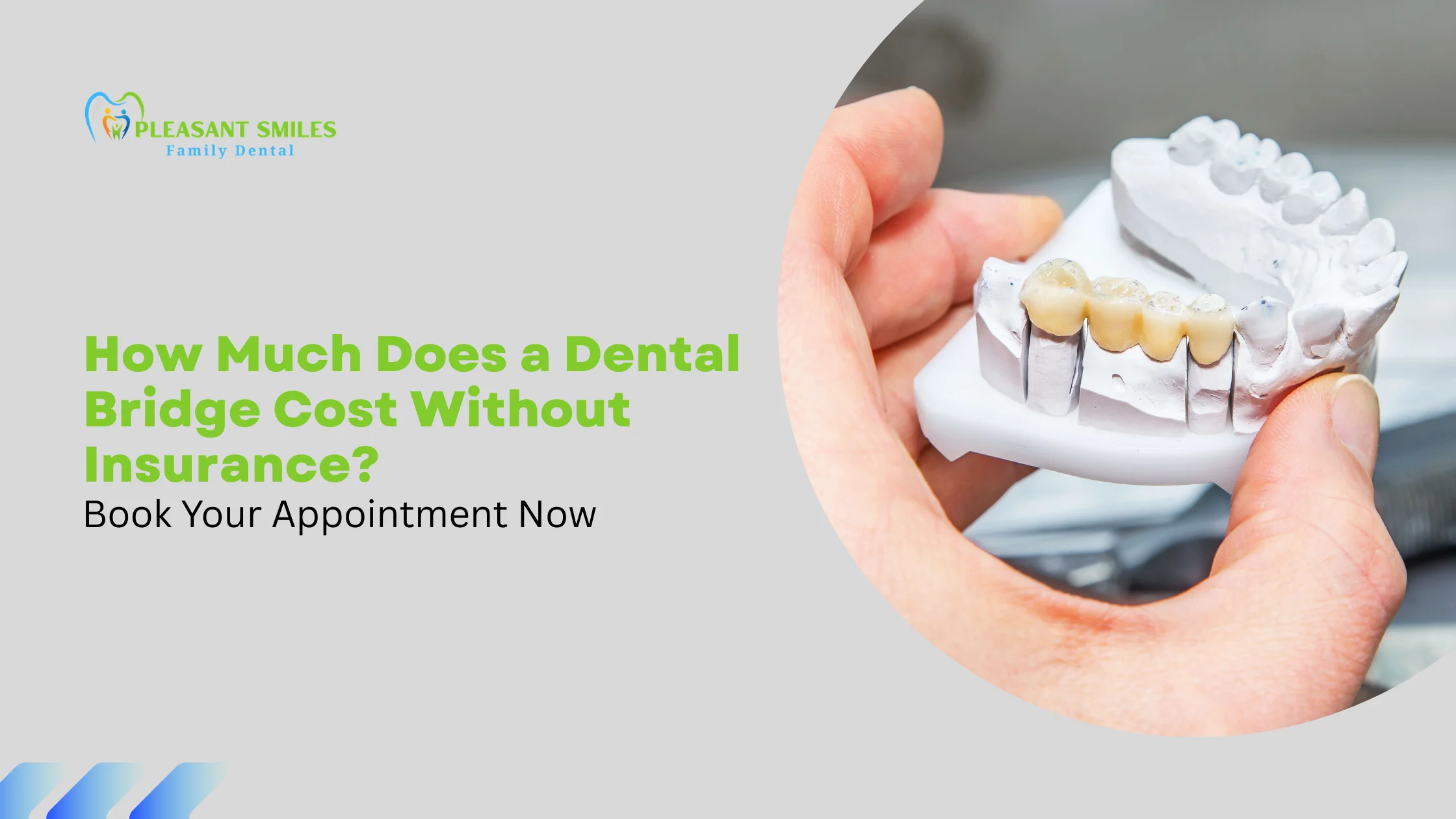
A dental bridge is a type of dental restoration used to replace one or more missing teeth. It is called a bridge because it literally bridges the gap created by missing teeth. The bridge is supported by the natural teeth on either side of the gap, which may require abutment teeth preparation to hold crowns, or in some cases by dental implants.

The purpose of a dental bridge is to restore the ability to chew and speak properly, maintain the natural shape of your face, and prevent the remaining teeth from shifting out of position. Bridges are fixed in place and are not removable like dentures, making them a stable and long-lasting solution when properly cared for.

Dental bridges come in different designs depending on the location of the missing teeth and the condition of the surrounding teeth. The type of bridge used can also influence the overall cost and the procedure required to place it.

How many types of dental bridges are there?

Dental bridges are designed to replace missing teeth and restore function and appearance. The type of bridge chosen depends on the location of the missing tooth, the health of the surrounding teeth, and your overall oral health. Understanding the different types can help you make an informed decision about which dental bridge is right for you.

Here are the most common types of dental bridges and how they work:

Traditional Dental Bridge

The traditional dental bridge is the most commonly used type. It consists of one or more artificial teeth called pontics that are held in place by dental crowns on the adjacent natural teeth. This type of bridge is highly durable and is usually recommended when there are healthy teeth on both sides of the gap.

Traditional dental bridges are suitable for restoring back teeth as well as front teeth, and they help maintain proper chewing function and bite alignment.

Cantilever Bridge

A cantilever bridge is similar to a traditional bridge but is supported by a crown on only one adjacent tooth instead of two. This type of bridge is less common and is generally used when there is only one healthy tooth next to the missing tooth.

Cantilever bridges are often used in areas of the mouth that experience less chewing pressure, as placing the bridge on a single tooth can put more stress on that tooth over time.

Maryland Bridge

The Maryland bridge, also called a resin-bonded bridge, uses a metal or porcelain framework that is bonded to the back of the adjacent teeth. Unlike traditional bridges, Maryland bridges do not require full crowns on the supporting teeth, making them a more conservative option.

This type of dental bridge is often used to replace front teeth because it preserves the natural structure of the adjacent teeth and offers a natural-looking result.

Implant Supported Bridge

An implant-supported bridge does not rely on natural teeth for support. Instead, it is anchored to dental implants placed in the jawbone. This type of bridge is highly stable and considered a long-lasting dental bridge, providing durable support for multiple missing teeth.

Implant-supported bridges are typically recommended when multiple teeth are missing or when the surrounding teeth are not strong enough to support a traditional bridge. While this option usually involves higher dental bridge cost, it is often considered the most reliable solution for long-term oral health.

How Much Does a Dental Bridge Cost Without Insurance?

The cost of a dental bridge can vary widely based on the type of bridge, number of teeth being replaced, and materials used. Without insurance, prices generally range from $500 to $4,000 per tooth. Understanding these factors helps you plan for the procedure with confidence.

Even though this range is broad, understanding the factors that affect pricing can help you make informed decisions about your oral health. Material choice, for example, can influence both the durability and appearance of your bridge. 

Porcelain, zirconia, or porcelain-fused-to-metal bridges all have different costs and lifespans. Additionally, if adjacent teeth require preparation, crowns, or other treatments before placing the bridge, the overall cost will increase.

While dental insurance can help offset some of these expenses, many patients do not have coverage. Even without insurance, there are options to make treatment more manageable. Financing plans or in-house payment options can allow patients to spread the cost over time, making it easier to receive the care they need without financial stress.

At Pleasant Smiles Family Dental, we help patients understand the dental bridge procedure and its costs before treatment. By reviewing your oral health, the number of teeth involved, and your goals, we provide a clear, personalized estimate. Knowing what to expect helps you plan ahead and make confident decisions for restoring your smile.

Dental Bridge Cost by Type

The cost of a dental bridge can vary depending on the type of bridge used and the materials involved. Understanding the different types of dental bridges can help you plan and make informed decisions about treatment.

Traditional Dental Bridge

A traditional dental bridge is the most common type and is used when there are healthy teeth on both sides of the gap. It consists of one or more artificial teeth, called pontics, anchored by crowns placed on the neighboring teeth. This type of bridge is strong and reliable, suitable for both front and back teeth.

Cost Insight: Generally, traditional bridges fall within a moderate price range, influenced by materials and complexity.

Cantilever Bridge

A cantilever bridge is supported by a crown on only one adjacent tooth. This type is less commonly used and is generally recommended for areas of the mouth that experience lower chewing pressure. Because it relies on a single tooth for support, it is important that the supporting tooth is healthy and strong.

Cost Insight: This option is often slightly less expensive than a traditional bridge but varies based on material and tooth preparation.

Maryland Bonded Bridge

Maryland bridges, also called resin-bonded bridges, use a metal or porcelain framework that is bonded to the back of the adjacent teeth. This option is more conservative because it preserves the natural structure of the supporting teeth. Maryland bridges are most often used to replace front teeth where strength is less of a concern.

Cost Insight: Maryland bridges usually cost less than traditional bridges and are chosen when a more conservative approach is preferred.

Implant-Supported Bridge

An implant-supported bridge is anchored to dental implants instead of natural teeth. This type of bridge provides excellent stability and durability, making it suitable for patients replacing multiple missing teeth. While implant-supported bridges involve a more complex procedure, the long-term benefits include reduced risk of tooth shifting and stronger chewing function.

Cost Insight: Implant-supported bridges are generally higher in cost due to the surgical procedure and long-term durability benefits.

Factors That Affect Dental Bridge Work Cost

The cost of a dental bridge can vary widely based on several key factors. Understanding these elements can help you anticipate expenses and make informed decisions about your treatment.

Here’s a quick summary of the main factors that can affect the cost of your dental bridge:

Factor Description Effect on Cost
Bridge Type Traditional, cantilever, Maryland, implant-supported More complex or implant-supported bridges cost more
Materials Metal, porcelain-fused-to-metal, all-ceramic/porcelain Higher quality or natural-looking materials increase cost
Number of Missing Teeth Single tooth vs multiple teeth in a row More teeth require more materials and lab work, increasing cost
Supporting Teeth Health and condition of abutment teeth Teeth needing prep, fillings, or root canals raise the overall cost

Bridge Type

The type of dental bridge is one of the main factors affecting cost. There are four common types: traditional, cantilever, Maryland (resin-bonded), and implant-supported bridges.

  • Maryland and cantilever bridges are generally more affordable and less invasive, but they are best suited for teeth that do not endure heavy chewing forces.
  • Traditional bridges are durable and can be used for most teeth, but they tend to be more expensive due to the amount of work involved.
  • Implant-supported bridges are the most costly option because they combine implant placement with the bridge restoration. These bridges are highly durable and long-lasting, but the surgical procedure and implant components increase the overall cost.

Material Used for the Bridge

The material used to make your dental bridge also plays a significant role in pricing.

  • Metal bridges are typically the least expensive but may not offer the most natural appearance.
  • Porcelain-fused-to-metal (PFM) bridges combine strength and aesthetics, making them a popular mid-range option.
  • All-ceramic or all-porcelain bridges are usually the most expensive, offering a highly natural look and durability. These are often preferred for front teeth where appearance is a priority.

Number of Missing Teeth

The number of teeth being replaced directly affects the total cost. Replacing a single front tooth may require a simpler and less expensive bridge. However, if multiple teeth are missing, especially in a row, the procedure becomes more complex. Each additional pontic or implant increases the work involved, which will influence the overall dental bridge cost.

Required Work on Support Teeth

The health of the teeth adjacent to the gap, known as abutment teeth, directly affects the bridge procedure. Healthy supporting teeth allow for straightforward bridge placement, but if these teeth require treatment—such as fillings, root canals, or deep cleaning—the cost of the overall procedure will rise. Proper preparation of abutment teeth is essential for long-term success and durability of the bridge.

Cost to Bridge One Tooth vs Multiple Teeth

The cost of a dental bridge can vary depending on whether you are replacing a single tooth or multiple teeth. Understanding this distinction can help you plan your treatment and anticipate the overall expense.

Bridging a Single Tooth

When replacing a single missing tooth, the procedure is typically simpler. A traditional or Maryland bridge is often sufficient, and fewer materials and dental visits are required. The supporting teeth, or abutment teeth, may need crowns or preparation to hold the bridge in place, but the overall complexity is generally lower than for multiple teeth.

Bridging Multiple Teeth

Replacing multiple teeth in a row involves a larger bridge with more pontics, which increases the work required and the cost. In some cases, multiple missing teeth may require implant-supported bridges for better stability and durability. The number of supporting teeth, the materials chosen, and any preparatory dental work all contribute to the total dental bridge cost.

Factors That Influence the Difference

  • Number of Pontics: More artificial teeth in the bridge increase material costs and laboratory work.
  • Type of Bridge: Implant-supported bridges for multiple teeth are generally more expensive than traditional or Maryland bridges.
  • Condition of Adjacent Teeth: Supporting teeth may require additional treatments before placing a multi-tooth bridge, which can raise costs.
  • Materials Used: All-porcelain or ceramic bridges cost more than metal or porcelain-fused-to-metal bridges, especially when covering multiple teeth.
Bridge Scenario Description Informational Price Range (Without Insurance)
Single Tooth Replacing one missing tooth with a traditional or Maryland bridge. Typically ranges from $1,500 to $5,000 depending on bridge type and materials.
Multiple Teeth Replacing two or more missing teeth in a row, may require larger bridge or implant support. Can range from $3,000 to $10,000 depending on the number of pontics and materials.
Implant-Supported Single or multiple teeth replaced using implants to anchor the bridge. Usually ranges from $5,000 to $10,000 or more, depending on number of implants and complexity.

In general, bridging a single tooth is more straightforward and less costly, while replacing multiple teeth requires more planning, materials, and procedures, resulting in higher overall dental bridge work cost.

Does Insurance Cover Dental Bridge Cost?

Dental insurance can help reduce the cost of a dental bridge, but coverage depends on your plan and the reason for the procedure. Many dental insurance plans cover a portion of the cost, usually between 50-80%, if the bridge is considered medically necessary, such as restoring function after tooth loss.

If the bridge is being placed primarily for cosmetic reasons, insurance coverage is usually limited or may not apply. It’s important to review your dental plan to understand whether bridging procedures are included, as some plans may exclude them entirely regardless of medical necessity.

Other factors that can affect insurance coverage include:

  • Annual maximums: If you have already reached your yearly dental benefits limit, coverage for a bridge may be reduced or unavailable.
  • Waiting periods: Some insurance plans require a waiting period before covering major procedures, including bridges.
  • Pre-approval: Many plans require pre-authorization to confirm coverage before the procedure begins.

At Pleasant Smiles Family Dental, we accept Husky Insurance and work closely with patients to maximize their benefits for restorative procedures like dental bridges. With Husky Insurance, patients can access essential care with less financial stress. Knowing your coverage ahead of time allows you to plan for the procedure and restore your smile confidently.

Conclusion

When it comes to maintaining your dental health, having a trusted local dental clinic is important. At Pleasant Smiles Family Dental, we are dedicated to providing high-quality care and helping patients restore their smiles with procedures like dental bridges.

We accept many insurance plans, including Husky Insurance, to help lower out-of-pocket costs. For patients without insurance, flexible financing and payment options are available. Understanding the type of dental bridge, cost factors, and coverage helps you make informed decisions about your oral health.

Our goal is to ensure that every patient feels confident and supported throughout their treatment journey. If you are considering a dental bridge, want to learn more about your options, or would like to book an appointment, Pleasant Smiles Family Dental is here to guide you every step of the way.
Does Tooth Filling Hurt Without Anesthesia?

One of the most common questions patients ask before booking an appointment is simple and completely understandable: does tooth filling hurt without anesthesia? For many people, the worry isn’t the filling itself — it’s the fear of unexpected pain. Dental anxiety often comes from not knowing what to expect.

After more than a decade in clinical practice, I’ve seen firsthand how much modern dentistry has changed. Today’s techniques, materials, and numbing methods are designed with patient comfort in mind. In very small cavities, some patients may feel only mild sensitivity even without anesthesia. 

However, when decay extends deeper toward the inner layers of the tooth, numbing is usually recommended to ensure the procedure remains comfortable. The determining factor is not the act of placing a filling — it’s how close the decay is to the nerve inside the tooth.

When patients understand how the procedure works and why anesthesia is sometimes necessary, much of the fear tends to fade. Clear information replaces uncertainty, and that makes a significant difference in how treatment feels.

What is Dental Filling?

A dental filling is a restorative procedure used to repair a tooth damaged by decay (cavities), minor fractures, or wear. When bacteria break down tooth enamel and dentin, they create a cavity. If left untreated, decay can progress toward the pulp (the nerve tissue inside the tooth).

During a filling, the decayed portion of the tooth is removed, the area is cleaned, and a restorative material — most commonly composite resin (tooth-colored filling) — is placed to restore shape and function. The goal is to stop decay, protect the nerve, and preserve the natural tooth structure.

What Happens During a Tooth Filling Procedure

A tooth filling is one of the most routine procedures in dentistry, and in most cases, it’s completed comfortably in a single visit. Knowing each step ahead of time can make the experience feel far less intimidating. Here’s how the process typically unfolds:

  1. Initial Evaluation: Your dentist examines the tooth, often using digital X-rays, to determine how far the decay has progressed and whether anesthesia is necessary.
  2. Comfort & Isolation: If numbing is required, a local anesthetic is gently administered. The tooth is then isolated with specialized materials to keep the area clean and dry throughout the procedure.
  3. Decay Removal: Using precise dental instruments, the dentist carefully removes the decayed portion of the tooth. This step is conservative — only the damaged structure is taken away, preserving as much healthy enamel as possible.
  4. Cavity Preparation & Cleaning: Once the decay is removed, the space is thoroughly cleaned to eliminate bacteria and debris. This step is critical for preventing future infection beneath the filling.
  5. Placement of the Filling Material: The selected restorative material (such as composite resin) is placed into the prepared area. It’s carefully shaped to match your natural tooth structure.
  6. Shaping, Hardening & Polishing: The filling is hardened (if needed), adjusted to ensure your bite feels normal, and polished for a smooth, natural finish.

Why Anesthesia is Usually Used for Tooth Filling

Local anesthesia plays an important role in making restorative dental care comfortable and predictable. Its purpose is simple: to temporarily block pain signals from the treated tooth so you don’t feel discomfort while decay is being removed.

Although some tiny cavities may cause only minor sensitivity, many fillings involve working beyond the outer enamel layer. Once treatment reaches dentin — the softer layer beneath enamel—the tooth becomes significantly more responsive to temperature, pressure, and vibration. In these situations, numbing ensures the procedure remains comfortable from start to finish.

Beyond pain control, anesthesia offers additional benefits:

  • Blocking Nerve Sensation: It temporarily interrupts pain signals from the tooth’s nerve, allowing decay to be removed without sharp discomfort.
  • Improving Patient Comfort: Even mild sensitivity can cause a patient to tense up. Numbing the area allows you to stay relaxed throughout the appointment.
  • Enhancing Precision: When a patient isn’t bracing for pain, they’re less likely to move unexpectedly. This helps the dentist work more efficiently and accurately.
  • Reducing Anxiety: For many people, simply knowing they won’t feel pain significantly lowers stress levels before and during treatment.

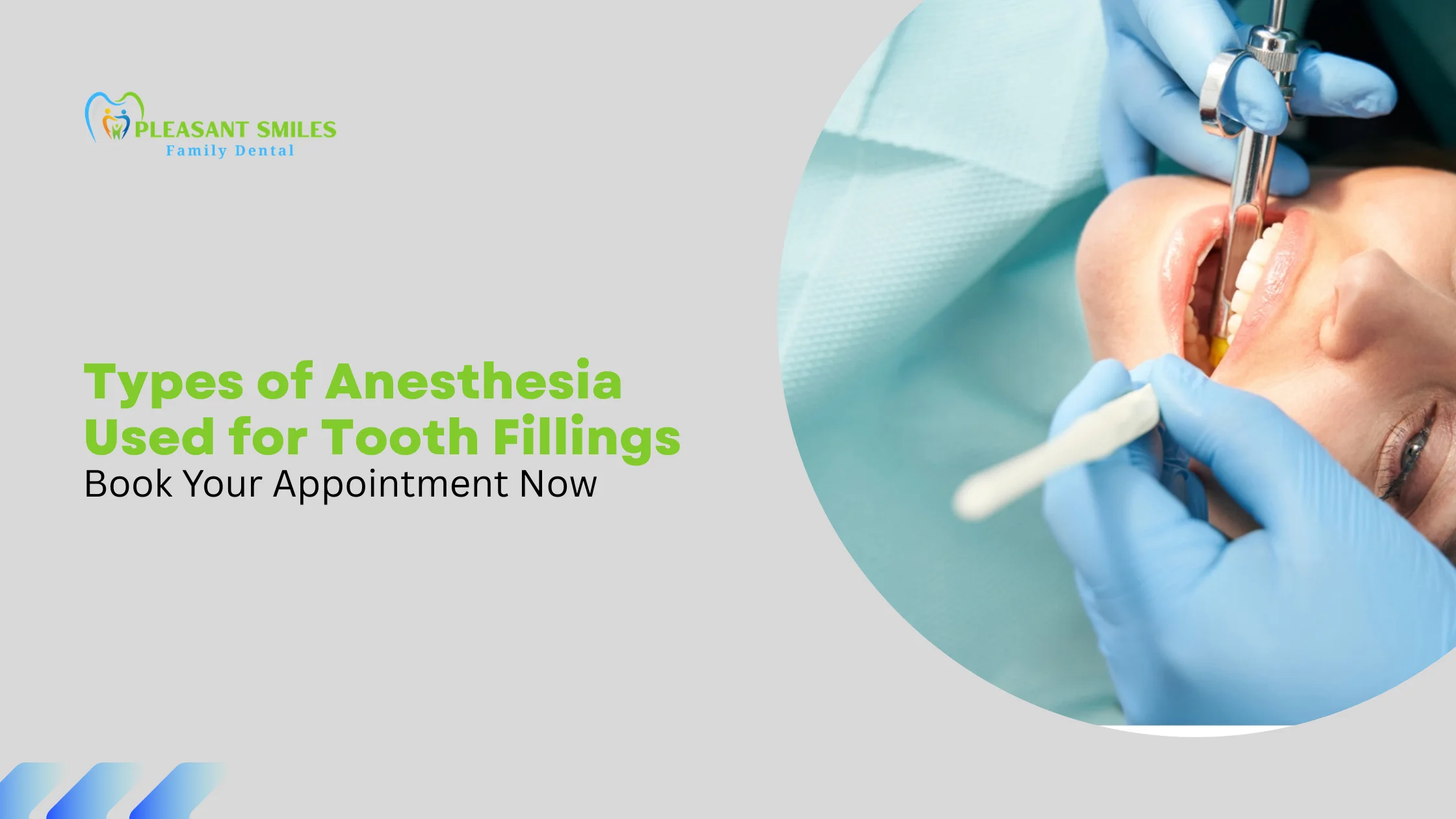
Types of Anesthesia Used for Tooth Fillings

Types of Anesthesia Used for Tooth Fillings

The type of anesthesia used during a filling depends on the depth of the cavity, your comfort level, and your individual needs. In most cases, treatment is simple and requires only minimal numbing.

Local Anesthesia

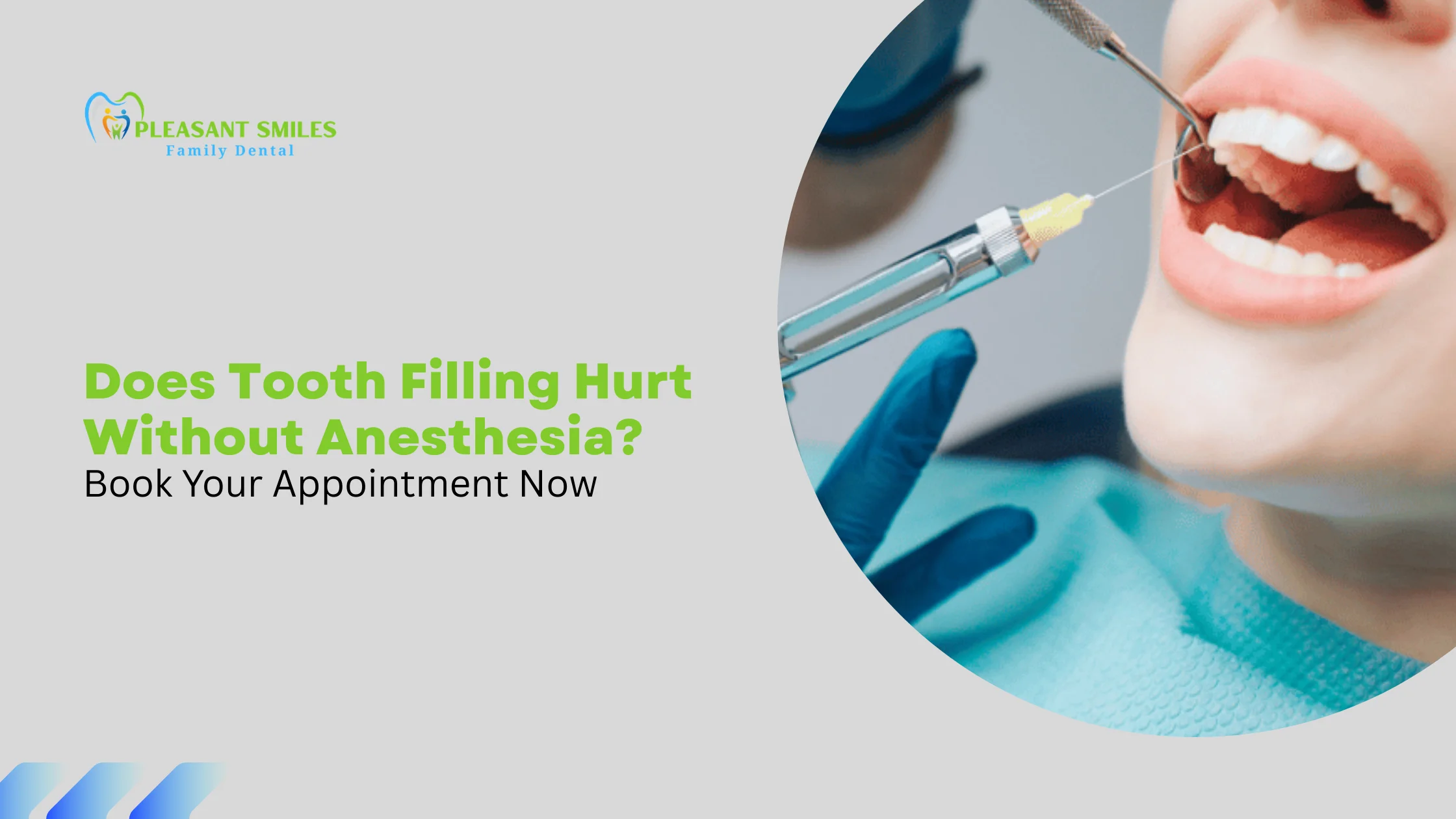
This is the most commonly used method for fillings. A small amount of anesthetic is injected near the treated tooth to temporarily numb the surrounding area. You remain fully awake and aware, but the tooth being treated will not feel pain.

Topical Numbing Gel

Before the local anesthetic is administered, a surface numbing gel is typically applied to the gum tissue. This helps reduce the sensation of the injection itself and makes the process more comfortable.

Nitrous Oxide (Laughing Gas)

For patients who feel nervous about dental treatment, nitrous oxide may be offered. It’s inhaled through a small mask and creates a calm, relaxed feeling while allowing you to stay responsive. Its effects wear off quickly once the mask is removed.

Oral Sedation (In Select Cases)

For individuals with higher levels of anxiety or strong dental fear, a prescribed oral medication may be used to promote deeper relaxation during the appointment.

Does a Filling Hurt Without Anesthesia?

The honest answer isn’t a simple yes or no — it depends on two main factors: the depth of the cavity and your individual sensitivity. Every tooth has layers. The outer enamel is the hardest and least sensitive part. 

Beneath it lies dentin, which contains tiny tubules connected to the nerve. At the center is the pulp, where the nerve resides. How close the decay gets to these inner layers largely determines what you’ll feel.

Here’s how it typically breaks down:

  • When decay is limited to enamel: You may feel vibration, light pressure, or mild awareness of the instruments—but not sharp pain. Many patients tolerate small enamel-only fillings without numbing.
  • When decay reaches dentin: Sensitivity increases. Because dentin communicates more directly with the nerve, you may experience brief, sharp sensations while the decayed area is being removed.
  • When decay approaches the nerve (pulp): Treatment without anesthesia can become genuinely uncomfortable. In these cases, numbing is strongly recommended to prevent significant pain.

It’s also important to understand that discomfort, when it occurs, is not constant throughout the procedure. It usually happens only during the removal of decay near sensitive layers. Once that portion is complete, the remaining steps — cleaning, placing, shaping, and polishing — are typically much more comfortable.

That said, even short bursts of sensitivity can feel intense. For that reason, most patients choose anesthesia — not because fillings are unbearable, but because added comfort makes the entire experience smoother and less stressful.

Can Fillings Be Done Without Injections?

Yes — in certain situations, fillings can be completed without injections. The key is proper case selection. When a cavity is tiny and confined to the outer enamel layer, there may be little to no sensitivity during treatment. 

In these cases, some patients choose to proceed without local anesthesia, especially if they prefer to avoid needles or lingering numbness afterward. If the clinical evaluation shows that the decay is shallow and the tooth is not already sensitive, this approach can be entirely appropriate.

That said, comfort is never something we compromise. If at any point during the procedure you begin to feel discomfort, local anesthesia can be administered right away. The goal is not simply to complete the filling—it’s to do so in a way that feels calm, controlled, and comfortable. Patient safety and well-being always come first.

What Patients Might Feel Without Anesthesia

When a filling is performed without anesthesia, the sensations can vary depending on the depth of the cavity and individual sensitivity. Common experiences include:

  • Pressure from dental instruments: Even without pain, you may feel the dentist working on your tooth.
  • Vibration from the handpiece: The drill or other instruments can create noticeable vibrations.
  • Sharp sensitivity when decay is near dentin: As dentin is more connected to the nerve, removing decay in this layer can trigger brief, sharp sensations.
  • Brief pain if decay is close to the pulp (nerve): The closer the procedure gets to the nerve, the more uncomfortable it may feel without numbing.

It’s important to note that these sensations are temporary and usually occur only during specific steps of the treatment. Some patients tolerate them quite well, while others may feel discomfort more quickly. This is why dentists carefully assess each case and adjust anesthesia options to ensure a safe and comfortable experience.

Common Risks of Filling Without Anesthesia

While having a filling without anesthesia is generally safe for small cavities, there are practical considerations that patients should be aware of:

  • Sudden discomfort: Without numbing, unexpected sensitivity can cause you to flinch or move involuntarily, which may make treatment more challenging.
  • Increased anxiety: Feeling even mild discomfort can heighten stress during the procedure, making the experience less comfortable overall.
  • Interruption of treatment: If discomfort becomes too intense, the dentist may need to pause and administer anesthesia, which can extend the appointment.
  • Limitations for deeper cavities: For moderate to large cavities or decay close to the nerve, proceeding without anesthesia may not be realistic or safe.

In consultation with your dentist, you can ultimately decide whether to skip anesthesia, taking into account factors such as comfort, safety, and the specifics of the cavity. Often, a short period of mild sensation may be manageable, but deeper or more sensitive teeth generally benefit from numbing for a smoother and stress-free experience.

How Modern Dentistry Reduces Discomfort

Modern dentistry has transformed the experience of getting a filling. What was once a procedure many feared is now designed to be as comfortable and efficient as possible. Advances in technology and technique focus on minimizing pain, preserving tooth structure, and keeping patients relaxed throughout treatment.

Some of the key ways modern dentistry reduces discomfort include:

  • Precision instruments: High-speed, vibration-controlled handpieces allow dentists to remove decay accurately with minimal pressure and trauma to surrounding tissue.
  • Conservative materials: Tooth-colored filling materials bond effectively to the natural tooth, allowing dentists to preserve more healthy enamel and dentin.
  • Enhanced anesthesia techniques: Local numbing agents now work faster and last longer, ensuring comfort during even deeper procedures.
  • Patient-centered care: Dentists use clear communication, step-by-step explanations, and a calm pacing of treatment to reduce anxiety and make patients feel at ease.

Today, patient comfort is never an afterthought — it’s a core part of every treatment plan. By combining technology, technique, and empathy, dental care is now safer, faster, and far more comfortable than in the past.

Tips for a Comfortable Filling Experience

There are several ways patients can make a tooth filling appointment more comfortable and stress-free. Preparing ahead and communicating openly with your dentist can significantly improve the experience.

Talk Openly About Anxiety

Let your dentist know if you feel nervous. Sharing your concerns allows them to tailor the approach, offer reassurance, and suggest relaxation techniques.

Ask About Numbing Options

Discuss anesthesia choices before the procedure so you know exactly what to expect. This helps prevent surprises and ensures your comfort.

Limit Stimulants

Avoid caffeine or energy drinks before your appointment, as they can increase jitteriness or sensitivity to stress.

Follow Post-Treatment Care

Proper aftercare, including oral hygiene and dietary recommendations, reduces discomfort and promotes faster healing.

Maintain Clear Communication

Don’t hesitate to ask questions or signal any discomfort during treatment. Dentists can adjust their technique, pace, or anesthesia as needed.

By taking these steps, patients can feel more relaxed, confident, and in control, making the filling process smoother and much more manageable.

Why Choosing the Right Dentist Matters in Cheshire

The comfort and success of a tooth filling often depend as much on the dentist as on the procedure itself. Skillful technique, attention to detail, and clear communication can make the difference between a stressful visit and a smooth, pain-free experience.

In Cheshire, patients benefit from dental practices that prioritize both clinical precision and patient comfort. Pleasant Smiles Family Dental focuses on preserving natural tooth structure while ensuring the procedure is as gentle and efficient as possible. Under the guidance of Dr. Vijitha Bandla, minimally invasive techniques are used, and patients are kept informed throughout every step, helping to reduce anxiety and build confidence.

Choosing the right dentist isn’t just about technical ability — it’s about selecting a provider who understands your comfort, communicates clearly, and creates a calm, reassuring environment. This thoughtful approach makes every dental visit easier and more predictable.

Conclusion

So, does a tooth filling hurt without anesthesia? The answer depends on the size and depth of the cavity. For minimal, superficial cavities, discomfort is often minimal. However, when decay reaches deeper layers of the tooth, treatment without numbing can become uncomfortable. While anesthesia isn’t always required, it is commonly recommended to ensure predictable comfort throughout the procedure.

The most important factor is personalized care. A thorough examination helps determine whether anesthesia is necessary, and open communication ensures patients feel informed, prepared, and at ease. 

Modern dental techniques, combined with careful planning, make fillings far more comfortable than many expect. When performed thoughtfully, tooth fillings are typically straightforward, safe, and well tolerated, leaving patients with restored teeth and confidence in their oral health.

Is Same Day Tooth Extraction and Implant Possible?

For many patients dealing with damaged, infected, or failing teeth, restoring function and appearance as quickly as possible is a common goal. The treatment known as same day tooth extraction and implant allows a dentist to remove a damaged tooth and place a dental implant during the same appointment in carefully selected cases. 

Advances in implant technology, imaging, and surgical planning have made this approach more predictable than in the past.

A same-day procedure can shorten overall treatment time and may help preserve natural jawbone shape after tooth removal. However, long-term success depends on proper case selection, surgical precision, and healing conditions. 

Clinical recommendations from professional organizations such as the American Dental Association emphasize that bone quality, infection control, and patient health must be carefully evaluated before immediate implant placement is considered.

What Is Same Day Tooth Extraction and Implant?

Same day tooth extraction and implant, clinically referred to as immediate implant placement, is a treatment approach where a tooth that cannot be saved is removed and a dental implant is placed into the jawbone during the same surgical visit. 

The implant is positioned in the natural tooth socket immediately after extraction, when conditions such as adequate bone quality and the absence of active infection allow safe placement.

This approach differs from traditional implant timelines, where dentists usually wait several weeks or months after extraction to allow bone and soft tissue healing before placing the implant. 

Immediate placement aims to help preserve existing bone structure and reduce the number of surgical procedures, but it requires detailed planning and precise surgical technique.

The primary goal of same day implant placement is to shorten overall treatment time while maintaining safe, predictable healing and long-term implant integration with the jawbone. 

When performed under appropriate clinical conditions, it can be a reliable treatment option, but it is not suitable for every patient.

Who is a Good Candidate for Same Day Dental Implants in Cheshire, CT?

Patients living in or near Cheshire, Connecticut, often want to know whether they qualify for same day implant treatment. Eligibility is not based on age alone. Instead, dentists focus on oral health, bone condition, and overall medical stability before recommending immediate implant placement.

A good candidate typically demonstrates the following clinical factors:

  • Healthy gum tissue with no signs of active periodontal (gum) disease
  • Adequate jawbone density and volume to securely support the implant at the time of placement
  • Stable overall health, meaning no uncontrolled medical conditions that may interfere with healing (such as uncontrolled diabetes or immune disorders)
  • A tooth that can be removed with minimal trauma, without severe infection, cysts, or major bone destruction around the root

Dentists do not rely on visual exams alone. Modern implant evaluation usually includes 3D cone beam imaging, digital scans, and a full clinical assessment. These tools help determine bone thickness, nerve position, and sinus location, which are critical for safe and predictable implant placement.

Even when patients meet many of these criteria, final suitability is always confirmed through a comprehensive clinical evaluation and personalized treatment planning.

Benefits of Same Day Tooth Extraction and Implant

Same day tooth extraction and implant can offer both clinical and practical advantages when performed under the right conditions. While this approach is not suitable for every patient, carefully selected cases may benefit from a streamlined treatment process and preservation-focused outcomes.

Faster Overall Treatment Timeline

One of the most noticeable benefits is the reduction in total treatment time. Instead of waiting several months between extraction and implant placement, the process begins immediately. This can reduce the number of surgical appointments and shorten the time a patient spends without a functional tooth replacement.

Potential Preservation of Natural Bone Structure

When an implant is placed soon after tooth removal, it may help support the surrounding bone structure. After a tooth is extracted, the jawbone can naturally begin to shrink over time. Immediate implant placement may help maintain the natural contour of the bone when healing conditions are ideal.

Reduced Number of Surgical Procedures

Traditional implant treatment often requires two separate surgical phases—extraction followed by implant placement later. Same day treatment may reduce surgical exposure by combining these steps into one procedure, which some patients find more convenient.

Earlier Functional and Aesthetic Restoration

Replacing a missing tooth sooner can help maintain bite balance and smile appearance, especially in visible areas such as front teeth. Early tooth replacement may also help some patients feel more confident in social and professional settings.

Psychological Comfort for Some Patients

For some individuals, leaving the dental office knowing a replacement plan is already in place can reduce anxiety about living with a missing tooth during healing.

It is important to note that while these benefits are possible, outcomes depend on proper case selection, surgical precision, and patient healing response. Same day implant placement is recommended only when clinical conditions support safe and predictable results.

What to Expect During Tooth Extraction and Implant Procedure

The same day tooth extraction and implant process typically begins well before the day of surgery. Careful planning plays a major role in safety, comfort, and long-term implant success. If a patient is considered suitable, the procedure typically follows these steps:

  1. Initial Consultation: Digital imaging and a clinical exam are used to evaluate bone health, gum condition, and treatment planning.
  2. Tooth Extraction: The damaged or failing tooth is carefully removed while preserving as much surrounding bone as possible.
  3. Implant Placement: The dental implant is placed into the jawbone immediately after extraction, depending on bone stability and infection control.
  4. Temporary Restoration: In some cases, a temporary crown or healing cap is placed to protect the implant during early healing.
  5. Healing Period: Over the next few months, the implant integrates with the jawbone through a natural process called osseointegration.
  6. Final Restoration: Once healing is complete, a custom permanent crown is attached to restore normal function and appearance.

Patients usually go home the same day with post-operative instructions and medication guidance.

Same Day Implant vs Delayed Implant – Which Is Better Long Term?

Both same day and delayed implant approaches can be successful when planned and performed under the right clinical conditions. The best option depends on the patient’s oral health, bone condition, and presence of infection at the extraction site.

Delayed Implant

Delayed implant placement involves removing the tooth first and allowing the area to heal for several weeks or months before placing the implant. This approach is often recommended when there is active infection, significant bone loss, or when additional bone grafting is required. Healing before implant placement can sometimes create a more stable environment for long-term integration.

Same Day Implant

Same day implant placement allows the implant to be placed immediately after tooth removal. This approach may help preserve natural bone shape and reduce overall treatment time. However, it requires strong primary stability at the time of placement and healthy surrounding tissue to support predictable healing.

Long-term research and clinical reviews generally show that both methods can have high success rates when proper case selection, surgical technique, and follow-up care are followed. The key factor is not necessarily timing, but whether the clinical conditions are ideal for implant stability and healing.

Risks and Limitations of Immediate Dental Implants

Like any surgical procedure, same day tooth extraction and implant has potential risks and clinical limitations. Immediate implant placement is not recommended if healing conditions are not ideal.

Potential risks and limitations may include:

  • Active or Severe Infection:
    If infection is present at the extraction site, it can interfere with healing and may increase the risk of implant failure. In these cases, delayed implant placement is often safer.
  • Insufficient Bone Quality or Volume:
    Immediate implants require strong bone support. Thin, soft, or damaged bone may not provide enough stability at the time of placement.
  • Implant Micromovement During Healing:
    If the implant moves slightly before fully bonding with the bone, it can affect long-term stability and integration.
  • Gum Tissue Healing Challenges:
    Poor gum health or improper oral hygiene during recovery can increase the risk of soft tissue complications.
  • Systemic Health Factors:
    Conditions that affect healing, smoking, or poor post-surgical care can increase complication risk.

Proper diagnosis, careful treatment planning, and following post-procedure care instructions significantly improve the chances of long-term implant success.

Recovery Timeline After Same Day Implant

Recovery after a same day tooth extraction and implant happens in stages. Healing speed can vary depending on bone quality, overall health, and how well post-procedure care instructions are followed.

First 24–72 Hours (Immediate Healing Phase)

Mild swelling, soreness, or minor bleeding can occur and is considered normal. These symptoms are usually manageable with prescribed or recommended medications. Patients are typically advised to eat soft foods and avoid placing pressure on the implant area.

First 1–2 Weeks (Soft Tissue Healing)

During this stage, the gums begin to heal around the implant site. Most daily activities can usually be resumed, but patients should continue following oral hygiene instructions and avoid hard or crunchy foods near the implant area.

3–6 Months (Bone Healing and Osseointegration Phase)

The implant gradually bonds with the jawbone through a natural process called osseointegration. This phase is critical for long-term stability. In some cases, a temporary crown or restoration may be worn while healing continues.

Final Restoration Phase

Once the implant is fully integrated and stable, a custom permanent crown is placed to restore full function and appearance.

Maintaining good oral hygiene, avoiding smoking, and attending scheduled follow-up visits play a major role in long-term implant success.

Why Choosing the Right Implant Dentist in Cheshire Matters

Dental implant success depends on several factors, including clinical experience, diagnostic technology, and detailed treatment planning. Implant placement is a precision-based procedure that requires careful evaluation of bone structure, bite forces, gum health, and overall medical history before treatment begins.

Experienced implant dentists in Cheshire typically use advanced tools such as 3D digital imaging, cone beam CT scans, and guided surgical planning to improve placement accuracy and reduce complications. Evidence-based treatment protocols and careful case selection help improve healing predictability and long-term implant stability.

Practices that focus on comprehensive patient evaluation, clear treatment communication, and structured follow-up care often achieve more consistent outcomes and higher patient satisfaction. A thorough consultation helps patients understand risks, benefits, and whether immediate or delayed implant placement is the safest option.

In Cheshire, patients often look for providers who combine modern implant technology with personalized care. At Pleasant Smiles Family Dental, implant treatment planning focuses on clinical safety, detailed diagnostics, and patient-specific treatment approaches. Treatment is performed under the clinical guidance of Dr. Vijitha Bandla, who emphasizes careful case selection, patient education, and long-term oral health outcomes.

Alternatives If Same-Day Implants Aren’t an Option

If same day tooth extraction and implant placement is not recommended, there are still several reliable treatment options available. The right choice depends on bone condition, healing needs, and long-term treatment goals.

Delayed Implants

This approach involves allowing the extraction site to heal before placing the implant. Healing typically takes about 3–6 months, depending on bone and tissue recovery. Delayed placement is often recommended if infection, inflammation, or bone damage is present.

Bone Grafting

If bone loss is detected, bone grafting may be recommended to rebuild the jawbone and create proper support for a future implant. After grafting, healing time is required before implant placement can be safely performed.

Bridges or Partial Dentures

For patients who may not be ready for implant treatment, bridges or removable partial dentures can restore chewing function and smile appearance. These options may be used as short-term or long-term solutions depending on patient needs.

Each treatment option has different benefits, timelines, and maintenance requirements. A personalized evaluation helps determine the safest and most effective long-term solution for tooth replacement.

Conclusion

Same day tooth extraction and implant can be a safe and effective treatment option for many patients when performed under appropriate clinical conditions. Advances in implant design, digital imaging, and surgical planning have made immediate implant placement more predictable in carefully selected cases.

When successful, this approach can help maintain natural bone structure, restore function sooner, and reduce overall treatment timelines. However, long-term success depends on several key factors, including accurate diagnosis, proper case selection, surgical precision, and patient commitment to aftercare and oral hygiene.

Immediate implant placement is not suitable for every situation, especially when infection, insufficient bone support, or certain medical conditions are present.

Ready to Explore Your Options?

At Pleasant Smiles Family Dental in Cheshire, patients can receive personalized treatment planning based on their oral health condition, bone structure, and overall treatment goals. A consultation helps patients clearly understand available options, expected timelines, and the safest path forward for tooth replacement.

Call the clinic to schedule a consultation or request an appointment online to find out whether same-day dental implants are suitable for your needs.

Frequently Asked Questions

1. Is the same day implant painful?

Most patients report mild to moderate discomfort rather than severe pain. Local anesthesia keeps the procedure comfortable, and post-treatment soreness is usually manageable with medication.

2. Can front teeth be replaced the same day?

In many cases, yes. Front teeth are often candidates for same day implants if bone and gum conditions are healthy. Cosmetic planning becomes especially important for front tooth replacements.

3. How long do immediate implants last?

With proper placement and maintenance, implants can last many years. Long-term success depends on oral hygiene, regular dental visits, and overall health.

Why Don’t Dentists Use Nitrous Oxide Anymore

Why don’t dentists use nitrous oxide anymore? Dental anxiety is a common concern for patients of all ages. For decades, nitrous oxide, also known as “laughing gas,” was widely used to help patients relax during dental procedures. Yet, recent trends show a shift away from its use in many practices.

Understanding the reasons behind this change helps patients make informed decisions about sedation and pain management. Modern dentistry now offers alternative methods that are often safer, more efficient, and easier to manage than traditional nitrous oxide sedation.

What is Nitrous Oxide and How It Works

Nitrous oxide, commonly known as laughing gas, is a mild sedative used in dentistry to help reduce anxiety and discomfort during treatment. It is not a sleep-inducing drug, but a calming agent that allows patients to remain awake and responsive.

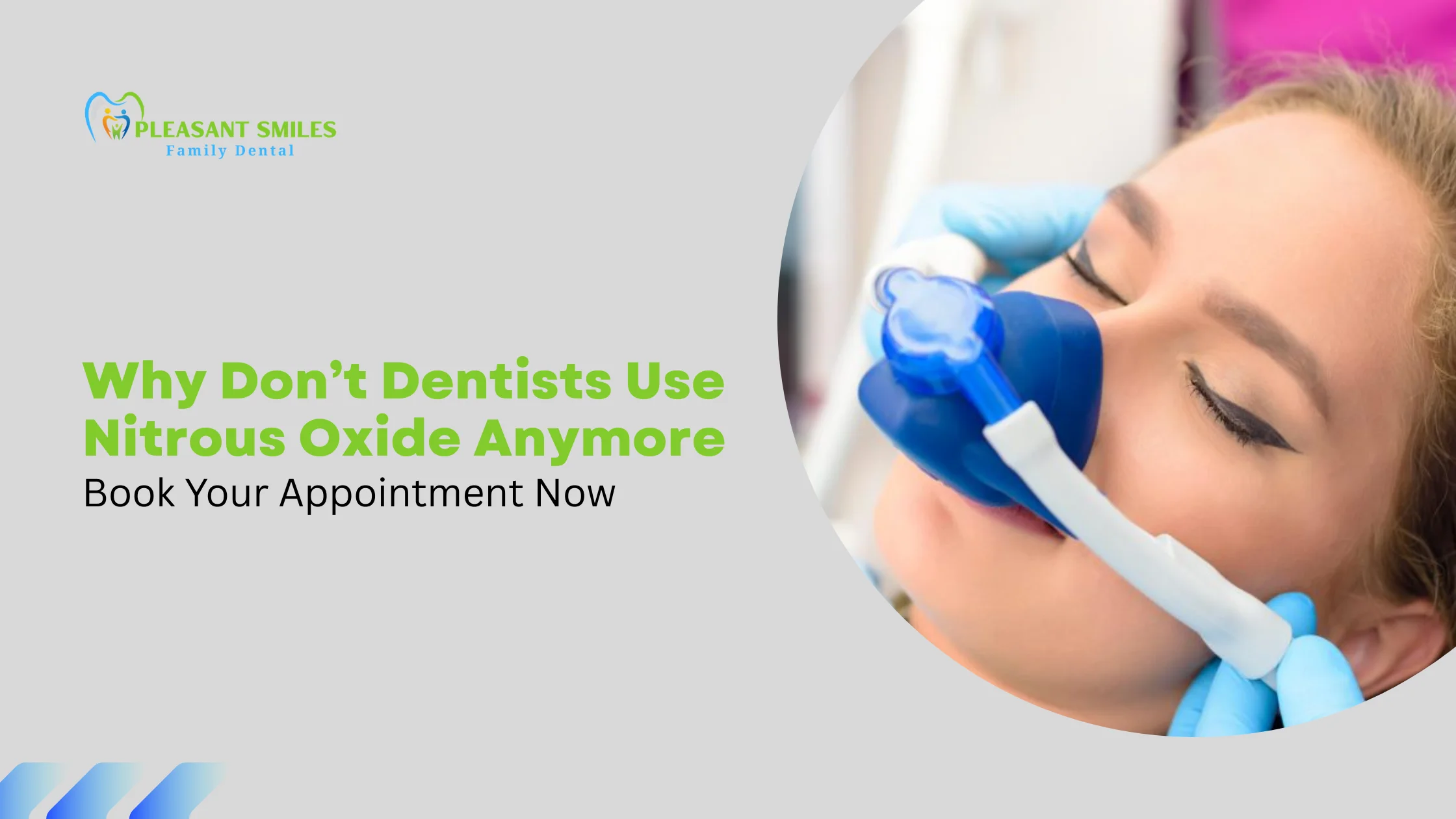
The gas is mixed with oxygen and inhaled through a small mask placed over the nose. This delivery method allows dentists to control sedation levels easily and adjust them in real time based on patient comfort.

Nitrous oxide works by slowing the nervous system’s response to stress and pain signals. Most patients begin to feel relaxed within 2–3 minutes, often experiencing a light, floaty sensation or mild euphoria.

Patients stay fully conscious and can communicate clearly throughout the procedure. This makes nitrous oxide suitable for short treatments where cooperation and awareness are important.

Key points about nitrous oxide:

  • Delivered through a mask over the nose.
  • Onset is almost immediate, typically 2–3 minutes.
  • Effects wear off quickly once the gas is stopped.
  • Commonly used for minor procedures, children, or anxious patients.

While nitrous oxide has clear benefits, many dentists are now reassessing its role. Modern safety expectations, efficiency concerns, and newer sedation options have shifted how and when it is used in dental care.

The Rise of Nitrous Oxide in Dentistry

Nitrous oxide has played an important role in dentistry for well over a century. First introduced in the 1800s, it became one of the earliest and most widely accepted methods of dental sedation, helping make procedures less stressful for patients who struggled with fear or discomfort.

Dentists quickly adopted nitrous oxide because it was easy to administer and produced reliable calming effects without putting patients fully to sleep. Compared to older sedatives like ether or chloroform, it offered a safer experience with fewer complications and a much faster recovery, allowing patients to return to normal activities soon after treatment.

Over time, these advantages helped nitrous oxide become a standard option in dental offices, especially for managing mild to moderate anxiety during routine procedures.

What Changed in Modern Dental Sedation Practices

Dental sedation has evolved as practices focus on efficiency, safety, and predictable patient outcomes. While nitrous oxide was once widely used, many offices now prefer sedation methods that better align with modern clinical workflows.

Today’s sedation options are designed to minimize setup time and simplify monitoring. Oral sedatives and IV sedation provide longer-lasting relaxation and more consistent effects, making them easier to manage during complex or extended procedures.

Key reasons nitrous oxide use has declined include:

  • Appointment efficiency: Nitrous oxide requires equipment setup and recovery time, which can lengthen visits.
  • Training and compliance: Not all dental teams are licensed or equipped to administer inhalation sedation safely.
  • Safety considerations: Ongoing staff exposure and patient-specific risks have led to stricter oversight.
  • Patient preferences: Many patients favor pills or localized numbing over breathing through a mask.

As dental care continues to advance, providers are adopting sedation methods that balance comfort with efficiency. The goal remains the same—helping patients feel calm and supported while delivering high-quality treatment.

What Alternatives Dentists Use Instead of Nitrous Oxide

As dental practices move away from nitrous oxide, many now rely on newer, more controlled ways to keep patients comfortable. These alternatives focus on reducing anxiety, managing pain effectively, and improving overall safety for both patients and staff.

1. Oral Sedation

Oral sedation involves taking a prescribed pill before the dental appointment, most commonly medications like triazolam or diazepam. This approach helps calm nerves and can produce mild to moderate sedation without the use of inhaled gases. Patients remain conscious but feel more relaxed and less aware of the procedure.

2. IV Sedation

IV sedation is administered directly into the bloodstream, allowing the dentist to adjust sedation levels in real time. It works quickly and provides a deeper, more consistent level of relaxation, making it a preferred option for longer or more complex treatments where anxiety or discomfort may be higher.

3. Local Anesthesia Combined With Comfort Techniques

For many routine procedures, dentists rely on local anesthesia supported by comfort-focused techniques. Topical numbing gels, warmed anesthetic solutions, gentle injection methods, and simple distractions like music or visuals help minimize pain and stress. In these cases, additional sedation is often unnecessary.

4. Behavioral and Psychological Approaches

Non-medication strategies such as guided breathing, relaxation exercises, music therapy, and cognitive behavioral techniques are increasingly common—especially for children or patients with mild dental anxiety. These methods aim to build trust and comfort without using drugs at all.

Overall, these alternatives tend to be more predictable, easier to manage, and safer in modern dental settings. They also reduce long-term exposure risks for dental professionals while still prioritizing patient comfort and care.

Benefits of Nitrous Oxide

Although many dental practices are transitioning to newer sedation methods, nitrous oxide still offers certain benefits in specific situations. When used appropriately by trained professionals, it can be a practical option for managing mild to moderate dental anxiety.

Fast Onset and Quick Recovery

Nitrous oxide works within minutes and wears off shortly after the mask is removed. This allows patients to feel relaxed during treatment while returning to normal alertness quickly, with little to no downtime afterward.

Helpful for Anxiety and More Comfortable

For patients who experience mild anxiety or have a sensitive gag reflex, nitrous oxide can make dental procedures more tolerable without the need for deeper sedation.

Suitable for Both Adults and Children

Laughing gas is commonly used across age groups, making it a flexible option for family dental care when minimal sedation is sufficient.

Safe When Properly Administered

When delivered and monitored by trained dental professionals, nitrous oxide has a strong safety record and is generally well tolerated by patients.

While nitrous oxide continues to be used in some dental settings, many clinics now prioritize more modern, patient-focused sedation alternatives that offer greater control and broader comfort options.

What Risks Are Associated With Nitrous Oxide

Nitrous oxide is widely viewed as safe, but growing awareness of its risks has led many dental practices to reassess its routine use. These concerns affect both patients and dental professionals, which helps explain the gradual shift toward other sedation options.

For patients, side effects are usually mild but still relevant:

  • Nausea or vomiting, especially after longer procedures
  • Dizziness or lightheadedness during or shortly after treatment
  • Rare adverse reactions, particularly in patients with underlying medical conditions

Certain individuals, such as those with vitamin B12 deficiencies, respiratory issues, or pregnancy, may be advised to avoid nitrous oxide altogether.

For dental staff, long-term exposure presents additional concerns:

  • Chronic exposure risks, including potential vitamin B12 depletion
  • Possible neurological effects if safety standards are not strictly followed
  • Dependence on proper ventilation and scavenging systems, which are essential for workplace safety

Maintaining these systems adds operational complexity and cost for dental offices. Because of these combined patient and occupational risks, many practices now favor sedation methods that offer effective comfort with lower exposure risk and simpler administration, making them more practical for modern dentistry.

A Personalized Approach at Pleasant Smiles Family Dental

At Pleasant Smiles Family Dental, we focus on creating a welcoming, relaxed environment where patients feel comfortable and understood. We take time to listen to your concerns and tailor care to your individual needs.

Our practice combines modern dental technology with a gentle approach to make treatments as smooth and comfortable as possible. This helps us deliver efficient, high-quality care while keeping patient comfort a priority.

We believe in clear communication, patient education, and choice at every step. Our goal is to help you feel confident, informed, and at ease throughout your dental care journey.

Frequently Asked Questions

1. Can nitrous oxide still be used in some dental offices?

Yes. Some dental practices still use nitrous oxide, especially for patients with mild anxiety or for certain pediatric visits. However, many offices are gradually reducing its use as newer sedation options become more common.

2. Is nitrous oxide safe for children?

Nitrous oxide can be safe for children when administered by trained professionals and properly monitored. Dentists also consider a child’s medical history, breathing health, and comfort level before recommending it.

3. How do oral sedatives compare to nitrous oxide?

Oral sedatives provide longer-lasting relaxation and do not require inhaled gas or specialized equipment. This makes them a practical choice for patients undergoing longer procedures or those who prefer non-gas options.

4. Is IV sedation more effective than nitrous oxide?

In many cases, yes. IV sedation allows dentists to precisely control the level of sedation throughout the procedure, which is especially helpful for complex or lengthy treatments.

5. Do insurance plans cover dental sedation?

Coverage varies by provider and plan. Sedation that is considered medically necessary may be partially covered, while sedation used mainly for anxiety relief or cosmetic procedures is often not included.

6. Why are dentists moving away from nitrous oxide?

Many dentists are shifting toward newer sedation methods due to improved safety controls, reduced occupational exposure, patient preference, evolving regulations, and the availability of more advanced alternatives.