
How Do You Find a Good Cosmetic Dentist? Expert Guide

Choosing to improve your smile is a big decision, and the results depend heavily on the dentist you select. Many patients today search for how do you find a good cosmetic dentist because cosmetic treatments require both technical skill and an artistic eye.

Unlike general dental care, cosmetic dentistry focuses on enhancing the appearance of your teeth while maintaining proper function. Whether you’re considering veneers, teeth whitening, or a complete smile makeover, the quality of the outcome is directly linked to the dentist’s experience and approach.

With so many options available, it’s important to know what to look for before making a decision. In this guide, you’ll learn how to evaluate a cosmetic dentist, what questions to ask, and how to choose the right professional for long-lasting, natural-looking results.

What Does a Cosmetic Dentist Actually Do?

A cosmetic dentist focuses on improving the appearance of your teeth, gums, and overall smile. While general dentistry is centered on oral health and prevention, cosmetic dentistry combines function with aesthetics to create a more balanced and natural-looking smile.

Common cosmetic treatments include procedures such as teeth whitening, veneers, dental bonding, and smile makeovers. These treatments are designed to address concerns like discoloration, chipped teeth, gaps, uneven shapes, or misalignment.

In many cases, a cosmetic dentist also ensures that any improvements blend seamlessly with your natural teeth. This requires not only technical expertise but also an eye for detail, symmetry, and facial harmony to achieve results that look both attractive and realistic.

Why Choosing the Right Cosmetic Dentist Is Critical

Cosmetic dental treatments are highly visible, which means even small mistakes can affect your overall appearance. Unlike routine procedures, results like veneers or smile makeovers are not easy to reverse, making your choice of dentist extremely important.

An experienced cosmetic dentist focuses on both aesthetics and function, ensuring that your smile not only looks natural but also feels comfortable and works properly. Poorly done cosmetic work can lead to issues such as uneven bites, discomfort, or the need for costly corrections later.

Choosing the right professional from the start helps you avoid unnecessary risks and ensures long-lasting results. A skilled cosmetic dentist will take the time to understand your goals and create a treatment plan that enhances your smile while protecting your oral health.

How Do You Find a Good Cosmetic Dentist?

Finding the right cosmetic dentist requires more than a quick online search. You need to evaluate their experience, approach, and ability to deliver natural-looking results.

To find a good cosmetic dentist, check their training and experience, review real patient results, read verified reviews, evaluate the technology they use, and schedule a consultation to assess their approach and communication.

Key Tips to Follow

  • Check Qualifications and Training: Look for a dentist with additional training or certifications in cosmetic dentistry, not just general dental experience.
  • Review Before-and-After Photos: A strong portfolio of real patient cases helps you understand the quality and consistency of their work.
  • Read Patient Reviews: Go through Google and other review platforms to see honest feedback about patient experiences and results.
  • Evaluate Experience in Specific Procedures: Make sure the dentist regularly performs the treatment you are considering, such as veneers or smile makeovers.
  • Ask About Technology Used: Modern tools like digital smile design and 3D imaging can improve precision and outcomes.
  • Schedule a Consultation: A consultation helps you understand their communication style, treatment plan, and how well they address your concerns.
  • Look for Personalized Treatment Plans: A good cosmetic dentist will customize the treatment based on your facial features, goals, and oral health.
  • Assess Communication and Transparency: The dentist should clearly explain procedures, risks, timelines, and costs without pressure.
  • Compare Multiple Options: Don’t rush the decision—consulting more than one dentist can help you make a more confident choice. 

Key Qualities of a Good Cosmetic Dentist

Proven Experience in Cosmetic Procedures

A skilled cosmetic dentist should have consistent experience in treatments like veneers, bonding, and smile makeovers. Repeated hands-on work helps refine technique and ensures more predictable, high-quality results.

Strong Portfolio of Real Cases

Before-and-after photos of actual patients provide insight into the dentist’s work. A reliable portfolio shows natural-looking results across different cases, not just one or two ideal outcomes.

Attention to Detail and Aesthetics

Cosmetic dentistry requires precision and an artistic eye. A good dentist focuses on symmetry, tooth proportions, and how your smile complements your facial features.

Use of Modern Technology

Advanced tools like digital smile design, intraoral scanners, and 3D imaging improve accuracy and planning. Technology helps create better-fitting restorations and more predictable results.

Clear Communication and Transparency

A trustworthy dentist explains every step of the process, including risks, timelines, and expected results. Clear communication helps you feel informed and confident about your decision.

Customized Treatment Approach

Every smile is different, and treatment should never be one-size-fits-all. A good cosmetic dentist designs a plan based on your goals, dental condition, and facial structure.

Positive Patient Feedback

Consistent positive reviews and patient testimonials reflect reliability and patient satisfaction. Look for feedback that mentions both the experience and the final results.

Why Patients Trust Pleasant Smiles Family Dental

At Pleasant Smiles Family Dental, Dr. Vijitha Bandla brings years of hands-on experience in cosmetic and restorative dentistry. Her dedication to staying updated with modern techniques and technology ensures patients receive safe, effective, and natural-looking results.

The clinic focuses on personalized care, combining aesthetic improvements with functional outcomes. Every treatment is tailored to enhance not only the smile but also overall oral health and confidence. Patients trust Pleasant Smiles Family Dental for reliable, compassionate care that delivers long-lasting results.

Conclusion

Choosing the right cosmetic dentist comes down to a few key considerations: evaluating experience, reviewing real patient results, checking credentials, and feeling confident in the clinic’s approach. Taking the time to research and compare options can help you make an informed decision that meets both your aesthetic and oral health goals.

If you’re ready to explore your cosmetic dentistry options or have questions about specific treatments, scheduling a consultation is the best next step. At Pleasant Smiles Family Dental, Dr. Vijitha Bandla and our team provide personalized guidance to help you achieve a smile that looks natural, feels comfortable, and supports long-term oral health.

FAQs

1. How do I choose the best cosmetic dentist?

Look for experience, training in cosmetic procedures, real patient results, positive reviews, and a dentist who explains options clearly. Trust and comfort with your dentist are key for successful outcomes.

2. What qualifications should a cosmetic dentist have?

A good cosmetic dentist should have a dental degree, advanced training in aesthetic procedures, certifications from recognized dental boards, and hands-on experience in treatments like veneers, teeth whitening, and smile makeovers.

3. Is cosmetic dentistry safe?

Yes, cosmetic dentistry is generally safe when performed by a qualified dentist. Proper evaluation, planning, and using approved materials ensure treatments improve your smile without compromising oral health.

4. How long do cosmetic results last?

The longevity of cosmetic results depends on the procedure, oral hygiene, and lifestyle habits. Teeth whitening may last months, while veneers and crowns can last 10–20 years with proper care.

5. Is cosmetic dentistry worth it?

Cosmetic dentistry can boost confidence, improve smile aesthetics, and enhance oral function. Investing in treatments with a skilled dentist often provides long-term benefits for both appearance and dental health.
Dental Implants Versus Dentures: Which Is Better for You?

Replacing missing teeth is essential for maintaining oral health, proper chewing, and overall comfort. Many patients often compare dental implants versus dentures to understand which option is more suitable for their needs.

Both options are widely used for missing teeth replacement, but they function differently. Dentures are removable appliances designed to replace multiple missing teeth, while dental implants are fixed solutions placed in the jawbone to support artificial teeth.

When comparing dentures vs implants, factors such as stability, longevity, maintenance, and oral health impact play a key role. Understanding the difference between dentures and implants can help you make a more informed decision based on your condition and long-term expectations.

​​Key Considerations

  • Long-Term Costs: Dentures are cheaper upfront but may cost more over time due to adjustments and replacements, while implants are a higher initial investment with long-term savings.
  • Maintenance Requirements: Implants are brushed like natural teeth, whereas dentures need daily removal, soaking, and special cleaning.
  • Bone Health and Facial Structure: Implants preserve jawbone density and prevent facial sagging, unlike dentures which do not support the bone.
  • Hybrid Solutions: Implant-supported dentures or “All-on-4” offer more stability than traditional dentures without placing an implant for every tooth.
  • Lifestyle and Functionality: Implants provide better chewing efficiency and natural feel, while dentures may affect comfort, speech, or eating certain foods.

What Are Dental Implants?

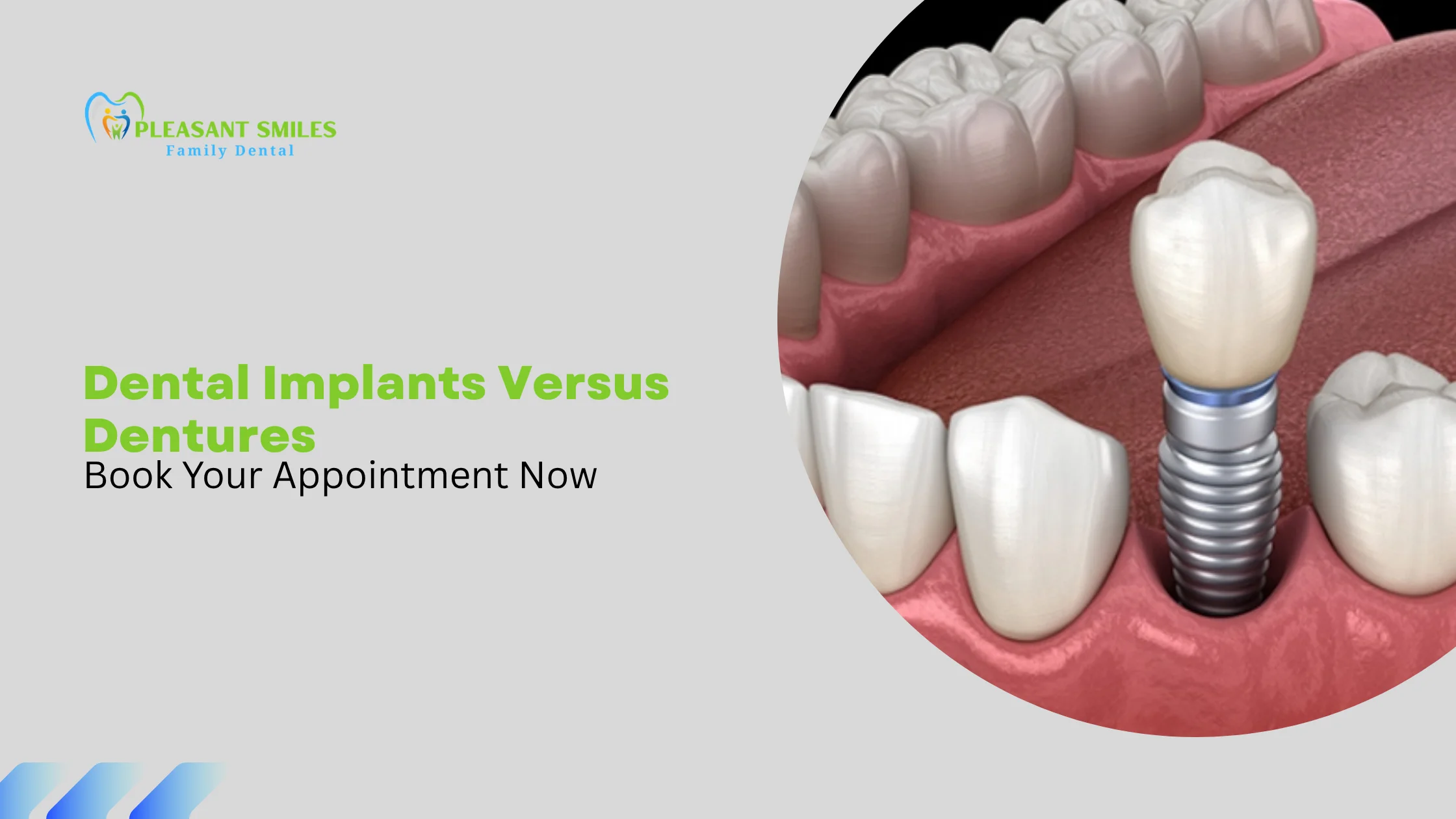
Dental implants are a fixed solution used to replace missing teeth. They involve placing a small titanium post into the jawbone, which acts like a natural tooth root and supports a crown, bridge, or even full arch restoration.

Over time, the implant integrates with the bone through a process called osseointegration, creating a stable and long-lasting foundation. This procedure makes implants one of the most reliable options for restoring both function and appearance.

Compared to other options like dentures, implants do not move or shift in the mouth. They are designed to function like natural teeth, improving chewing ability and helping maintain jawbone health.

What Are Dentures?

Dentures are removable dental appliances used to replace missing teeth and surrounding tissues. They are typically made from acrylic or a combination of materials and are designed to fit comfortably over the gums.

There are different types of dentures, including full dentures for replacing all teeth and partial dentures for filling gaps when some natural teeth remain. This feature makes them a flexible option for various levels of tooth loss.

Compared to implants, dentures are not fixed in place and may need to be removed for cleaning. While they restore basic function and appearance, they may feel less stable during eating or speaking.

Dental Implants vs Dentures—Key Differences

Both dental implants and dentures are effective solutions for replacing missing teeth, but they differ in how they function, feel, and are maintained. Understanding these differences can help you choose the option that best fits your needs.

Feature Dental Implants Dentures
Placement Surgically placed into the jawbone Rest on top of the gums
Stability Fixed and secure Removable, may shift
Comfort Feels similar to natural teeth May take time to adjust
Chewing Ability Strong and efficient Limited compared to implants
Maintenance Brushed like natural teeth Removed daily for cleaning
Longevity Long-term solution with proper care May need replacement over time

Dental implants are designed to function like natural teeth, offering better stability and chewing strength. In contrast, dentures provide a more affordable and non-surgical option but may require adjustments over time.

Procedure for Dental Implants vs Dentures

Understanding the procedure for dental implants versus dentures helps set clear expectations about time, complexity, and overall treatment approach. Both options restore missing teeth, but the process involved is very different.

Dental Implants Procedure

Dental implants require sufficient jawbone to support the implant. The process begins with placing a small titanium post into the jawbone, which acts as an artificial tooth root.

After placement, the bone gradually fuses with the implant through a healing process called osseointegration. This phase can take a few months, as the implant becomes stable within the bone.

Once healing is complete, a connector (abutment) is attached, followed by a custom-made crown. The final result is a fixed tooth replacement that closely functions like a natural tooth.

Dentures Procedure

Dentures are a non-surgical option and can be made regardless of bone availability. The process typically starts with taking detailed impressions of the gums and any remaining teeth.

These impressions are used to create a custom set of dentures designed to fit comfortably and support proper chewing and speech. In some cases, trial dentures are placed first to check fit and alignment.

The final dentures are supplied after any required modifications. They are designed to rest on the gums and may be held in place using natural suction or a dental adhesive for added stability.

Dental Implants vs. Dentures—Pros and Cons

Pros of Dental Implants

  • Improved Stability: Implants anchor securely into the jawbone, reducing movement and preventing slipping while eating or speaking.
  • Bone Preservation: Implants stimulate the jawbone, helping maintain bone density and facial structure over time.
  • Long-Term Solution: With proper care, implants can last many years and often outlast traditional dentures.
  • Enhanced Comfort: Because they are fixed in place, implants feel more natural and reduce gum irritation.
  • Better Chewing Ability: Implants provide stronger biting force, allowing patients to eat a wider variety of foods comfortably.

Cons of Dental Implants

  • Surgical Procedure Required: Implant placement involves minor oral surgery, which may not be suitable for all patients.
  • Healing Time: The process requires time for the implant to integrate with the bone before final placement.
  • Higher Initial Cost: Implants typically involve a greater upfront investment compared to dentures.

Pros of Dentures

  • Non-Surgical Option: Dentures do not require surgery, making them suitable for patients who prefer less invasive treatment.
  • Affordable Upfront Cost: They are generally more budget-friendly compared to implants.
  • Faster Treatment Process: Dentures can be made and fitted in a shorter period of time.
  • Suitable for Multiple Teeth: Ideal for replacing several or all missing teeth at once.

Cons of Dentures

  • Less Stability: Dentures may shift or move, especially while eating or speaking.
  • Adjustment Period: It can take time to get used to wearing dentures comfortably.
  • Ongoing Maintenance: Dentures require daily removal, cleaning, and occasional adjustments or replacement.

Partial Dentures vs Implants

When to Choose Partial Dentures

Partial dentures are often recommended when a few teeth are missing and a non-invasive, removable solution is preferred. They are suitable for patients with limited jawbone density or those who want a cost-effective option without surgery. Partial dentures restore chewing ability and aesthetics but require daily cleaning and occasional adjustments.

When Implants Are Better

Dental implants are ideal for patients seeking a permanent solution with improved stability and function. Implants preserve jawbone health, prevent bone loss, and feel more like natural teeth. They are especially recommended when long-term durability and minimal movement during chewing or speaking are priorities.

Cost and Comfort Comparison

Partial dentures are generally less expensive upfront but may need replacement over time and can cause minor gum irritation. Implants have a higher initial cost but offer better comfort, stability, and long-term oral health benefits. Over time, implants often provide a more cost-effective solution due to their longevity and reduced maintenance needs.

Implant-Supported Dentures vs Traditional Dentures

What Are Implant-Supported Dentures?

Implant-supported dentures attach to dental implants placed in the jaw, providing a stable and secure fit. Unlike traditional dentures, they don’t rely solely on adhesives and are less likely to shift while speaking or eating. This option is particularly helpful for patients who want a more natural feel and improved chewing efficiency.

Advantages Over Traditional Dentures

Implant-supported dentures help preserve jawbone density by stimulating the bone, which reduces bone loss over time. They also offer better comfort, fewer sore spots, and increased confidence while speaking or smiling. Patients generally find them easier to adapt to compared to removable dentures.

When Traditional Dentures Are Suitable

Traditional dentures remain a practical choice for patients who cannot undergo implant surgery due to medical conditions, insufficient bone, or budget constraints. They restore function and aesthetics but may require adhesives and periodic adjustments to maintain a proper fit.

Making a Decision: Dental Implants vs Dentures

When choosing between dentures and implants, several key factors can help guide your decision:

Age

Younger patients often benefit from implants because they offer a long-term solution that can last decades. Older adults may prefer dentures, as they require less invasive procedures and can be fitted more quickly.

Bone Density

Implants need sufficient jawbone to support the posts. Bone loss from age, tooth loss, or gum disease can make implants challenging, though bone grafting is an option for some patients.

Function and Comfort

Implants generally offer better stability, chewing ability, and a more natural feel than dentures. Implant-supported overdentures combine the benefits of both, providing improved comfort and efficiency over traditional dentures.

Oral Hygiene

Implants require less daily maintenance compared to removable dentures. If you anticipate challenges in keeping dentures clean or in place, implants may be the more practical option.

Choosing the right option depends on your health, lifestyle, and personal preferences. A consultation with a dental professional can help determine which solution will best meet your needs.

Alternatives to Dentures and Dental Implants

While dentures and dental implants are the most common options for replacing missing teeth, several alternatives may suit your needs depending on your oral health, budget, and lifestyle:

Dental Bridge: 

A dental bridge, also called a fixed partial denture, replaces one or more missing teeth by anchoring to the surrounding teeth. Bridges can restore your smile and chewing function effectively, though proper care and regular dental checkups are necessary to prevent decay on the supporting teeth.

Temporary Partial Denture (Flipper): 

Flippers are removable, retainer-like dentures that fill gaps caused by missing teeth. They are lightweight and cost-effective, offering a quick cosmetic solution while waiting for a permanent option like an implant or bridge. However, they are less durable and may need replacement over time.

Snap-In Denture (Overdenture): 

Snap-in dentures combine features of implants and traditional dentures. They attach to a few dental implants in the jaw, providing more stability than conventional dentures. Snap-in dentures can be removable for cleaning or fixed, but they require regular maintenance and come with similar considerations as implants.

Each of these alternatives has its own advantages and limitations. Discussing your oral health, budget, and long-term goals with a dental professional, such as Dr. Vijitha Bandla at Pleasant Smiles Family Dental, will help determine which solution is best suited for your smile.

Pleasant Smiles Family Dental: Dentures and Dental Implants Explained

At Pleasant Smiles Family Dental, Dr. Vijitha Bandla and our experienced team understand that each patient’s dental needs are different. We provide thorough guidance on options for replacing missing teeth, including traditional dentures and dental implant-supported solutions.

Our approach focuses on ensuring that each option—whether a removable denture or a fixed implant—fits comfortably, functions well, and supports long-term oral health. By assessing your jawbone, bite, and overall oral condition, we help patients make informed choices between dentures and implants.

With careful planning and modern techniques, patients can achieve a stable, natural-looking smile while maintaining comfort and functionality. Our goal is to provide clarity on the differences, benefits, and considerations for each solution so you can choose what works best for your dental health.

FAQs

1. What are the main differences between traditional dentures and implant-supported dentures?

Traditional dentures rest on the gums and can be removed, while implant-supported dentures are anchored to dental implants in the jawbone. Implants offer better stability, improved chewing, and help maintain jawbone health, whereas traditional dentures are less invasive and more affordable.

2. Are implant-supported dentures more comfortable than traditional dentures?

Yes, implant-supported dentures generally feel more natural and secure. They reduce slipping, minimize sore spots, and make eating and speaking easier compared to traditional dentures.

3. Do implant-supported dentures last longer than traditional dentures?

Implant-supported dentures can last many years with proper care, often significantly longer than traditional dentures. The implants stimulate the jawbone, helping maintain support and prolong the lifespan of the prosthetic.

4. How do dentures affect bone loss?

Traditional dentures do not prevent bone loss, which can occur over time as the jawbone resorbs after tooth loss. Implant-supported dentures help preserve bone by stimulating the jaw, reducing the risk of facial structure changes.

5. Can I switch from traditional dentures to implant-supported dentures later?

Yes, it is possible to transition from traditional dentures to implant-supported dentures. A dentist will evaluate your jawbone health and may recommend bone grafting if additional support is needed for implants.

How to Cure Gum Disease Without a Dentist​

Many patients ask me how to cure gum disease without a dentist​, especially when they first notice bleeding gums or mild swelling. Gum disease is very common, yet many people don’t realize they have it in the early stages. The encouraging part is that mild cases can often improve with better daily oral care.

Gum disease usually begins with plaque, a sticky layer of bacteria that collects on the teeth and along the gumline. When plaque isn’t removed through regular brushing and flossing, it irritates the gums and causes inflammation. This early stage is called gingivitis, and it is usually reversible with proper care.

In many mild cases, improving your brushing routine, flossing daily, and using antibacterial rinses can help control gum inflammation. These simple habits reduce bacteria and allow the gums to heal naturally. Consistency with oral hygiene is the key to managing early gum problems.

However, when gum disease progresses into periodontitis, the infection can begin damaging the bone that supports the teeth. At this stage, home remedies alone are not enough to stop the condition. Professional dental treatment becomes necessary to prevent long-term complications.

What is Gum Disease?

Gum disease is a common condition that affects the gums and the tissues supporting your teeth. Many people don’t notice it at first because it often develops quietly without pain. If ignored, however, it can gradually damage the gums and even the bone that holds your teeth in place.

The problem usually begins with plaque, a sticky film of bacteria that forms on teeth and along the gumline. When plaque isn’t removed through brushing and flossing, it can harden into tartar and irritate the gums. This irritation triggers inflammation, which is the body’s natural response to infection.

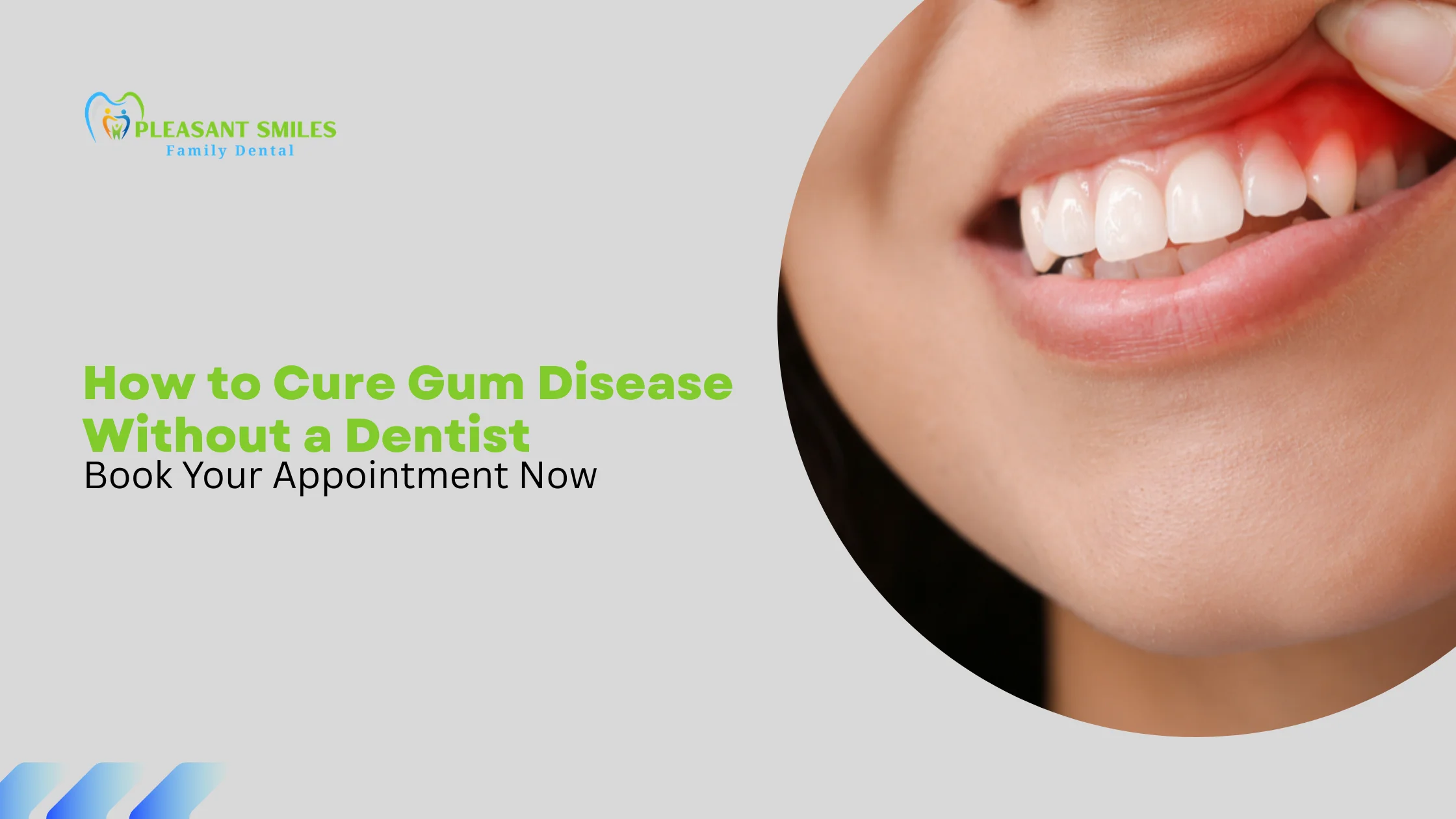
Over time, this inflammation can cause symptoms like redness, swelling, bleeding gums, and persistent bad breath. If the condition continues to progress, it can lead to more serious periodontal problems. Dentists generally classify gum disease into two main stages.

Gingivitis (Early Stage)

Gingivitis is the earliest and most manageable stage of gum disease. Gums may appear red, swollen, or bleed during brushing or flossing. The good news is that with proper brushing, daily flossing, and regular dental cleanings, gingivitis can usually be reversed before it causes permanent damage.

Periodontitis (Advanced Stage)

Periodontitis is a more advanced stage of gum disease that develops when gingivitis is left untreated. In this stage, the infection spreads below the gumline and begins damaging the bone that supports the teeth. This can lead to gum recession, loose teeth, and even tooth loss if not treated promptly.

Symptoms of Gum Disease

Gum disease often begins with subtle signs that many people overlook. Recognizing these early symptoms can help prevent the condition from becoming more serious.

  • Gums that bleed during or after brushing and flossing
  • Swollen or tender gum tissue
  • Gums that appear red or inflamed instead of healthy pink
  • Ongoing bad breath that does not improve with brushing
  • Gums slowly pulling away from the teeth (gum recession)
  • Deep spaces or pockets forming between the gums and teeth
  • Teeth feeling loose or shifting slightly
  • Discomfort or sensitivity when chewing food

Causes of Gum Disease

Several factors can contribute to the development of gum disease. Understanding these causes can help reduce your risk and protect your oral health.

  • Poor oral hygiene that allows plaque and bacteria to build up on the teeth
  • A diet lacking essential nutrients needed for healthy gums
  • Smoking or tobacco use, which weakens gum tissue and slows healing
  • Certain medical conditions such as diabetes, HIV, or other immune-related illnesses
  • Hormonal changes, particularly during puberty or pregnancy
  • Genetic factors that may increase a person’s susceptibility to gum problems

The Importance of Early Detection & Prevention

Early detection plays a key role in protecting your gum health. Many people don’t notice gum disease until symptoms like bleeding, swelling, or bad breath become more noticeable. In reality, gum disease often begins quietly with mild inflammation.

When caught early in the gingivitis stage, gum disease can usually be reversed with proper brushing, daily flossing, and professional dental cleanings. At this point, the infection has not yet affected the bone or deeper tissues supporting the teeth. This makes treatment simpler and far more effective.

Preventive care is just as important as early treatment. Regular dental checkups help identify plaque buildup, gum inflammation, or early gum recession before the condition worsens. Addressing these signs early can prevent the development of periodontitis, a more serious form of gum disease.

Maintaining a consistent oral hygiene routine makes a big difference. Brushing twice a day, flossing daily, and visiting your dentist regularly can greatly reduce the risk of gum disease. Taking these preventive steps helps protect your gums and keeps your smile healthy for years to come.

Can You Cure Gum Disease Without a Dentist?

Many patients ask whether gum disease can be treated at home once they notice bleeding gums or mild swelling. The answer depends largely on how early the condition is detected. In the early stage, small improvements in daily oral care can sometimes calm the inflammation.

When gum disease is limited to gingivitis, the infection affects only the gum tissue and has not reached the supporting bone. Improving brushing habits, flossing consistently, and using antibacterial rinses can help reduce plaque and allow the gums to recover.

However, if gum disease progresses into periodontitis, the situation becomes more serious. Bacteria and hardened tartar begin to build up beneath the gum line where normal brushing and flossing cannot reach. At this point, professional dental treatment is necessary to stop the infection from causing deeper damage.

From a clinical perspective, home care plays an important role in maintaining gum health, but it cannot replace professional treatment in advanced cases. Persistent bleeding, gum recession, loose teeth, or ongoing bad breath are clear signs that a dental evaluation is needed. Early intervention helps prevent long-term complications and protects your smile.

How to Cure Gum Disease Without a Dentist​

When gum disease is still in its early stage, small changes in your daily routine can make a noticeable difference. In my experience, patients who become consistent with oral hygiene often see their gum inflammation improve within weeks. The key is removing plaque before it has a chance to irritate the gums further.

1. Improve Your Brushing Routine

Brushing is your first defense against plaque buildup along the gumline. Use a soft-bristled toothbrush and gently clean where the teeth meet the gums, as bacteria tend to gather there. Brushing twice a day for about two minutes helps keep harmful bacteria under control.

2. Floss Daily

Flossing reaches areas your toothbrush simply can’t access. Plaque often hides between teeth, and when it stays there, it quickly irritates the gums. Daily flossing removes trapped debris and reduces the risk of inflammation and bleeding.

3. Use an Antibacterial Mouthwash

An antibacterial rinse can help lower the number of bacteria in the mouth. It works by reaching areas brushing and flossing may miss. Regular use can support healthier gums and help manage early gum irritation.

4. Try a Warm Saltwater Rinse

A simple saltwater rinse can calm irritated gums and reduce mild swelling. Salt has natural cleansing properties that help keep bacteria in check. Rinsing for about 30 seconds with warm saltwater can soothe gum tissue.

5. Maintain a Healthy Diet

What you eat also affects your gum health. Nutrient-rich foods like leafy greens, fruits, and vegetables support the body’s natural ability to fight inflammation. Diets rich in vitamin C and antioxidants can help keep gum tissue healthier.

6. Vitamins

Vitamins play an important role in maintaining healthy gums and supporting the body’s immune system. Nutrients like vitamin C and vitamin D help reduce inflammation and strengthen gum tissue. A balanced diet rich in fruits and vegetables can support better gum health.

7. Avoid Smoking and Tobacco

Tobacco use weakens the body’s ability to fight infection in the mouth. It also slows the healing process of gum tissue. Patients who stop smoking often notice better gum health and less irritation over time.

8. Oil Pulling With Coconut Oil

Oil pulling with coconut oil is a traditional practice that may help reduce bacteria in the mouth. Swishing a tablespoon of coconut oil for 10–15 minutes can support gum health and reduce plaque buildup.

Complications of Untreated Gum Disease

When gum disease is left untreated, it can gradually progress into a serious condition that affects more than just your gums. The infection can spread deeper into the tissues supporting your teeth and may eventually impact overall oral health. Below are some of the most common complications associated with advanced gum disease.

Tooth Loss

Advanced gum disease is one of the most common reasons adults lose their teeth. As the infection progresses, it weakens the gums and the structures that hold the teeth in place. Over time, this damage can cause teeth to loosen and eventually fall out.

Bone Damage

Severe gum infection can begin to break down the jawbone that supports your teeth. As bone loss occurs, the stability of the teeth is affected and the shape of the smile may gradually change. In more advanced cases, bone damage can make future dental treatments more complex.

Increased Risk of Heart Disease

Studies have suggested a connection between gum disease and certain heart conditions. Bacteria from infected gums can enter the bloodstream and contribute to inflammation within the body. This may increase the risk of cardiovascular problems such as heart disease and stroke.

Respiratory Issues

Bacteria from untreated gum infections can sometimes travel into the respiratory system. When inhaled, these bacteria may contribute to respiratory infections or worsen existing conditions like pneumonia. Maintaining healthy gums can help reduce the risk of these complications.

When Gum Disease Cannot Be Treated at Home

Early gum irritation can sometimes improve with better oral hygiene. However, home care is not always enough to control gum disease. If the infection progresses, professional treatment becomes necessary.

Once gum disease moves beyond gingivitis, it can begin affecting the tissues and bone that support the teeth. At this stage, plaque and hardened tartar collect beneath the gumline where brushing and flossing cannot reach.

Certain symptoms signal that home remedies are no longer effective. Persistent bleeding, swollen gums, gum recession, bad breath, or loose teeth should not be ignored. These signs often indicate a more advanced infection.

Dentists typically treat these cases with procedures such as deep cleaning, scaling, and root planing. These treatments remove bacteria and tartar from areas that cannot be cleaned at home.

Getting professional care at the right time helps prevent long-term damage. If gum symptoms continue despite good oral hygiene, a dental evaluation is the safest way to protect your teeth and gums.

When Should You Seek Professional Help for Gum Disease?

If gum symptoms continue even after improving your oral hygiene routine, it may be time to consult a dental professional. Persistent gum problems can indicate that the condition is progressing and requires proper treatment.

The following signs suggest you should seek professional dental care:

  • Gums that bleed frequently, especially during brushing or flossing
  • Tender, swollen, or sensitive gum tissue
  • Unexpected gum bleeding while eating or chewing food
  • Ongoing bad breath that does not improve with oral care
  • New gaps or spaces forming between your teeth and gums

Final Thought

Healthy gums are essential for maintaining a strong and confident smile. While early gum irritation may improve with better oral care, symptoms like bleeding gums, swelling, or persistent bad breath should be evaluated by a dental professional. Early treatment can prevent more serious problems.

At Pleasant Smiles Family Dental, we focus on helping patients protect their long-term oral health. Dr. Vijitha Bandla and our experienced team carefully evaluate gum health and recommend treatments that address the root cause of the problem.

If you are noticing signs of gum disease or simply want to keep your gums healthy, a professional checkup can make a big difference. You can easily book your appointment or call us today at 860-426-0997

Frequently Asked Questions

1. Can gum disease be cured without a dentist?

Mild gum disease called gingivitis can sometimes improve at home with proper brushing, flossing, antibacterial mouthwash, and healthy habits. However, advanced gum disease (periodontitis) usually requires professional dental treatment to prevent permanent gum and bone damage.

2. What is the fastest way to cure gum disease at home?

The fastest way to improve early gum disease is by brushing twice daily, flossing every day, using an antibacterial mouth rinse, and rinsing with warm saltwater. These steps help reduce plaque buildup and calm gum inflammation.

3. How long does it take for gum disease to heal?

Early gum disease can begin improving within one to two weeks after maintaining consistent oral hygiene. However, complete healing depends on the severity of the condition and whether plaque and bacteria are properly controlled.

4. When should you see a dentist for gum disease?

You should see a dentist if gum bleeding continues for more than a few days, gums become swollen or painful, or you notice gum recession or loose teeth. These symptoms may indicate more advanced gum disease.

5. How can you prevent gum disease?

Preventing gum disease involves brushing twice daily, flossing regularly, using mouthwash, eating a balanced diet, and visiting the dentist for routine cleanings. Consistent oral hygiene is the most effective way to maintain healthy gums.

How to Choose the Right Dentist for Dental Implants

Choosing dental implants in Cheshire, CT to replace your missing teeth is a significant investment in your oral health, function, and overall quality of life. Naturally, you’ll want a highly qualified dentist to perform your treatment. While many general dentists now place dental implants, they may not have the specialized training and extensive experience that certain specialists possess.

You can technically see different types of dentists for your implant procedure, but it’s important to understand their qualifications and experience. These are general guidelines, so always check a dentist’s credentials, training, and years of implant placement experience, regardless of their specialty.

The Risks of Picking the Wrong Provider for Dental Implants

Dental implants in Cheshire are a major investment in your oral health, function, and smile. Choosing the wrong provider can lead to complications, additional costs, and even implant failure. Unlike routine dental work, implant procedures are surgical and technically complex, requiring precise planning and expertise. Not every dentist is equipped to handle these procedures safely.

Is Every Dentist Qualified to Place Implants?

While many general dentists offer implant services, only those with specialized training and experience in implant dentistry should perform complex procedures. Success depends on knowledge of jaw anatomy, surgical techniques, and prosthetic restoration.

Dentists who lack experience in procedures such as bone grafting, sinus lifts, or digital planning tools may increase the risk of complications or implant failure. To ensure the best outcome, choose a provider or team with a proven track record, advanced technology, and a collaborative approach to care.

What Type of Dentist Does Dental Implants?

Dental implants can be performed by different types of dental professionals depending on the patient’s needs, oral health condition, and the complexity of the procedure. Implant treatment often combines surgical placement with restorative work, which means more than one specialist may be involved in the process.

Understanding the different professionals who perform dental implant procedures can help patients decide whether they should visit a general dentist, oral surgeon, or another dental specialist for implant treatment.

General Dentist Implants

Many patients receive dental implants from a general dentist who has completed additional training in implant dentistry. General dentists commonly handle straightforward implant cases where the jawbone is healthy and no complex surgical procedures are required.

A general dentist may perform the entire treatment process, including the implant placement, abutment teeth preparation, and the final crown restoration. This option can be convenient for patients because the procedure and follow-up care are handled in one dental office.

However, if the case involves bone loss, impacted teeth, or surgical complications, the general dentist may refer the patient to a specialist for the implant placement while completing the final restoration later.

Oral Surgeon for Dental Implants

An oral and maxillofacial surgeon is often recommended for patients who require more advanced surgical procedures. Oral surgeons specialize in complex dental surgeries involving the jawbone, facial structures, and soft tissues.

They commonly perform implant placement surgeries, especially in cases that require bone grafting, sinus lifts, or multiple implants. Because oral surgeons receive extensive surgical training, they are often the preferred option when a dental implant procedure involves complicated anatomical conditions.

After the implant is placed and the area heals, the patient may return to their general dentist for the final crown or bridge restoration.

Periodontist (Gum Specialist)

A periodontist is a dentist who specializes in the health of the gums and the supporting structures of the teeth. Since dental implants depend on strong bone and healthy gum tissue, periodontists are highly trained in implant placement and long-term implant stability.

Patients who have gum disease, bone loss, or soft tissue concerns are often referred to a periodontist for dental implant treatment. Periodontists focus on ensuring that the implant integrates properly with the jawbone, which is essential for creating a long-lasting dental bridge or implant restoration.

Prosthodontist (Restorative Specialist)

A prosthodontist specializes in advanced tooth replacement and restorative dentistry. While they may not always perform the surgical placement of implants, prosthodontists are experts in designing and placing the final prosthetic tooth, crown, or implant-supported bridge.

Their role is to ensure that the implant restoration looks natural, functions properly, and fits comfortably with the patient’s bite. Prosthodontists are often involved in complex cases where multiple teeth are missing or when patients require full-mouth restoration.

Periodontist vs. Oral Surgeon for Dental Implants

When considering dental implants, many patients wonder whether a periodontist or an oral surgeon is the right choice. Both are specialists, but their expertise and focus differ, making the choice dependent on your oral health and the complexity of your procedure.

A periodontist specializes in the health of the gums and supporting bone. They are ideal for patients with gum disease, bone loss, or other periodontal concerns. Periodontists are trained to place implants while ensuring the surrounding tissue is healthy and strong, which is crucial for long-term implant success.

An oral surgeon, also called an oral and maxillofacial surgeon, focuses on complex surgical procedures involving the jaw, mouth, and facial structures. Oral surgeons are often recommended for patients who need bone grafts, sinus lifts, or multiple implants. Their advanced surgical training makes them well-suited for complicated implant placements.

For example, a periodontist or oral surgeon may handle the implant placement, while a general dentist or prosthodontist completes the final restoration with crowns, bridges, or implant-supported dentures.

Comparing Roles:

Provider Role in Implant Treatment
Periodontist Focuses on gum and bone health; places implants when periodontal conditions exist
Oral Surgeon Performs surgical placement, especially in complex cases involving bone grafts, sinus lifts, or multiple implants

Understanding the differences between a periodontist and an oral surgeon can help you choose the right specialist for your dental implant procedure in Cheshire, ensuring better outcomes and long-lasting results.

How to Choose the Right Dentist for Dental Implants

Choosing the right dentist for dental implants is crucial, as successful treatment requires both surgical precision and restorative expertise. Whether you see a general dentist or a specialist, it’s important to consider their experience and training in implant dentistry.

One of the first things to check is the dentist’s implant experience. Ask how many procedures they have performed and whether they regularly handle cases similar to yours. Experienced dentists often have before-and-after photos that showcase successful outcomes.

Technology also plays a key role in accurate implant placement. At Pleasant Smiles Family Dental, we use advanced CBCT scans and digital implant planning to evaluate bone structure and precisely place implants, ensuring better results and faster healing.

Scheduling a consultation is essential. During your visit to Pleasant Smiles Family Dental, our implant specialists review your oral health, discuss the best treatment options, explain the procedure step by step, and create a personalized plan. This approach helps patients feel confident, informed, and comfortable throughout their dental implant journey.

Schedule Your Appointment

Dental implants are a reliable solution for replacing missing teeth, and several types of dental professionals can perform the procedure. General dentists can handle simple cases, while oral surgeons manage complex surgical needs. Periodontists focus on gum and bone health, and prosthodontists specialize in restoring implants with crowns or bridges. The best choice depends on the dentist’s training, experience, and the specific needs of your case. 

At Pleasant Smiles Family Dental, our team includes skilled professionals ready to guide you through every step of your implant journey. Book your consultation today and restore your smile with confidence!

Frequently Asked Questions

1. What type of dentist is best for implants?

The best dentist for implants depends on your case complexity. Simple implants can be done by a general dentist, while complex cases may require an oral surgeon, periodontist, or prosthodontist with specialized training.

2. Can a general dentist place dental implants?

Yes, many general dentists can place implants if they have completed additional training. They are typically best for straightforward cases involving a single tooth or limited implants.

3. Should I see a dentist or oral surgeon for implants?

For simple implant cases, a trained general dentist is sufficient. Complex procedures, like bone grafts or multiple implants, are better handled by an oral surgeon with surgical expertise.

4. What is a dental implant specialist called?

A dental implant dentist is a professional with specialized training in both implant placement and restoration. They focus on implant surgery, osseointegration, and creating durable, natural-looking results.

5. Are dental implants done by prosthodontists?

Yes, prosthodontists are experts in restoring implants with crowns, bridges, or dentures. They specialize in tooth replacement and ensuring the implant functions and looks natural within your smile.