
Why Don’t Dentists Use Nitrous Oxide Anymore

Why don’t dentists use nitrous oxide anymore? Dental anxiety is a common concern for patients of all ages. For decades, nitrous oxide, also known as “laughing gas,” was widely used to help patients relax during dental procedures. Yet, recent trends show a shift away from its use in many practices.

Understanding the reasons behind this change helps patients make informed decisions about sedation and pain management. Modern dentistry now offers alternative methods that are often safer, more efficient, and easier to manage than traditional nitrous oxide sedation.

What is Nitrous Oxide and How It Works

Nitrous oxide, commonly known as laughing gas, is a mild sedative used in dentistry to help reduce anxiety and discomfort during treatment. It is not a sleep-inducing drug, but a calming agent that allows patients to remain awake and responsive.

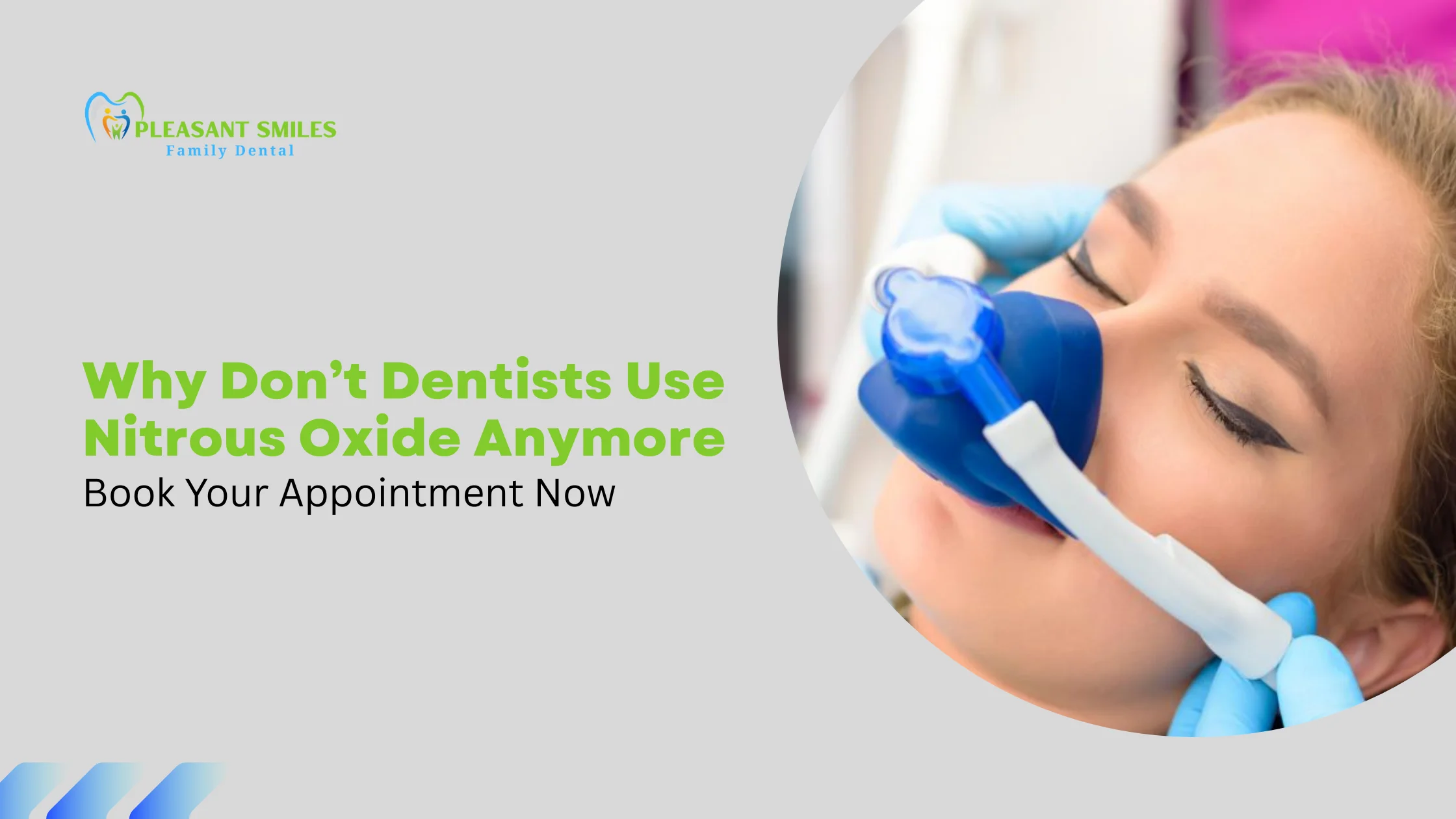
The gas is mixed with oxygen and inhaled through a small mask placed over the nose. This delivery method allows dentists to control sedation levels easily and adjust them in real time based on patient comfort.

Nitrous oxide works by slowing the nervous system’s response to stress and pain signals. Most patients begin to feel relaxed within 2–3 minutes, often experiencing a light, floaty sensation or mild euphoria.

Patients stay fully conscious and can communicate clearly throughout the procedure. This makes nitrous oxide suitable for short treatments where cooperation and awareness are important.

Key points about nitrous oxide:

  • Delivered through a mask over the nose.
  • Onset is almost immediate, typically 2–3 minutes.
  • Effects wear off quickly once the gas is stopped.
  • Commonly used for minor procedures, children, or anxious patients.

While nitrous oxide has clear benefits, many dentists are now reassessing its role. Modern safety expectations, efficiency concerns, and newer sedation options have shifted how and when it is used in dental care.

The Rise of Nitrous Oxide in Dentistry

Nitrous oxide has played an important role in dentistry for well over a century. First introduced in the 1800s, it became one of the earliest and most widely accepted methods of dental sedation, helping make procedures less stressful for patients who struggled with fear or discomfort.

Dentists quickly adopted nitrous oxide because it was easy to administer and produced reliable calming effects without putting patients fully to sleep. Compared to older sedatives like ether or chloroform, it offered a safer experience with fewer complications and a much faster recovery, allowing patients to return to normal activities soon after treatment.

Over time, these advantages helped nitrous oxide become a standard option in dental offices, especially for managing mild to moderate anxiety during routine procedures.

What Changed in Modern Dental Sedation Practices

Dental sedation has evolved as practices focus on efficiency, safety, and predictable patient outcomes. While nitrous oxide was once widely used, many offices now prefer sedation methods that better align with modern clinical workflows.

Today’s sedation options are designed to minimize setup time and simplify monitoring. Oral sedatives and IV sedation provide longer-lasting relaxation and more consistent effects, making them easier to manage during complex or extended procedures.

Key reasons nitrous oxide use has declined include:

  • Appointment efficiency: Nitrous oxide requires equipment setup and recovery time, which can lengthen visits.
  • Training and compliance: Not all dental teams are licensed or equipped to administer inhalation sedation safely.
  • Safety considerations: Ongoing staff exposure and patient-specific risks have led to stricter oversight.
  • Patient preferences: Many patients favor pills or localized numbing over breathing through a mask.

As dental care continues to advance, providers are adopting sedation methods that balance comfort with efficiency. The goal remains the same—helping patients feel calm and supported while delivering high-quality treatment.

What Alternatives Dentists Use Instead of Nitrous Oxide

As dental practices move away from nitrous oxide, many now rely on newer, more controlled ways to keep patients comfortable. These alternatives focus on reducing anxiety, managing pain effectively, and improving overall safety for both patients and staff.

1. Oral Sedation

Oral sedation involves taking a prescribed pill before the dental appointment, most commonly medications like triazolam or diazepam. This approach helps calm nerves and can produce mild to moderate sedation without the use of inhaled gases. Patients remain conscious but feel more relaxed and less aware of the procedure.

2. IV Sedation

IV sedation is administered directly into the bloodstream, allowing the dentist to adjust sedation levels in real time. It works quickly and provides a deeper, more consistent level of relaxation, making it a preferred option for longer or more complex treatments where anxiety or discomfort may be higher.

3. Local Anesthesia Combined With Comfort Techniques

For many routine procedures, dentists rely on local anesthesia supported by comfort-focused techniques. Topical numbing gels, warmed anesthetic solutions, gentle injection methods, and simple distractions like music or visuals help minimize pain and stress. In these cases, additional sedation is often unnecessary.

4. Behavioral and Psychological Approaches

Non-medication strategies such as guided breathing, relaxation exercises, music therapy, and cognitive behavioral techniques are increasingly common—especially for children or patients with mild dental anxiety. These methods aim to build trust and comfort without using drugs at all.

Overall, these alternatives tend to be more predictable, easier to manage, and safer in modern dental settings. They also reduce long-term exposure risks for dental professionals while still prioritizing patient comfort and care.

Benefits of Nitrous Oxide

Although many dental practices are transitioning to newer sedation methods, nitrous oxide still offers certain benefits in specific situations. When used appropriately by trained professionals, it can be a practical option for managing mild to moderate dental anxiety.

Fast Onset and Quick Recovery

Nitrous oxide works within minutes and wears off shortly after the mask is removed. This allows patients to feel relaxed during treatment while returning to normal alertness quickly, with little to no downtime afterward.

Helpful for Anxiety and More Comfortable

For patients who experience mild anxiety or have a sensitive gag reflex, nitrous oxide can make dental procedures more tolerable without the need for deeper sedation.

Suitable for Both Adults and Children

Laughing gas is commonly used across age groups, making it a flexible option for family dental care when minimal sedation is sufficient.

Safe When Properly Administered

When delivered and monitored by trained dental professionals, nitrous oxide has a strong safety record and is generally well tolerated by patients.

While nitrous oxide continues to be used in some dental settings, many clinics now prioritize more modern, patient-focused sedation alternatives that offer greater control and broader comfort options.

What Risks Are Associated With Nitrous Oxide

Nitrous oxide is widely viewed as safe, but growing awareness of its risks has led many dental practices to reassess its routine use. These concerns affect both patients and dental professionals, which helps explain the gradual shift toward other sedation options.

For patients, side effects are usually mild but still relevant:

  • Nausea or vomiting, especially after longer procedures
  • Dizziness or lightheadedness during or shortly after treatment
  • Rare adverse reactions, particularly in patients with underlying medical conditions

Certain individuals, such as those with vitamin B12 deficiencies, respiratory issues, or pregnancy, may be advised to avoid nitrous oxide altogether.

For dental staff, long-term exposure presents additional concerns:

  • Chronic exposure risks, including potential vitamin B12 depletion
  • Possible neurological effects if safety standards are not strictly followed
  • Dependence on proper ventilation and scavenging systems, which are essential for workplace safety

Maintaining these systems adds operational complexity and cost for dental offices. Because of these combined patient and occupational risks, many practices now favor sedation methods that offer effective comfort with lower exposure risk and simpler administration, making them more practical for modern dentistry.

A Personalized Approach at Pleasant Smiles Family Dental

At Pleasant Smiles Family Dental, we focus on creating a welcoming, relaxed environment where patients feel comfortable and understood. We take time to listen to your concerns and tailor care to your individual needs.

Our practice combines modern dental technology with a gentle approach to make treatments as smooth and comfortable as possible. This helps us deliver efficient, high-quality care while keeping patient comfort a priority.

We believe in clear communication, patient education, and choice at every step. Our goal is to help you feel confident, informed, and at ease throughout your dental care journey.

Frequently Asked Questions

1. Can nitrous oxide still be used in some dental offices?

Yes. Some dental practices still use nitrous oxide, especially for patients with mild anxiety or for certain pediatric visits. However, many offices are gradually reducing its use as newer sedation options become more common.

2. Is nitrous oxide safe for children?

Nitrous oxide can be safe for children when administered by trained professionals and properly monitored. Dentists also consider a child’s medical history, breathing health, and comfort level before recommending it.

3. How do oral sedatives compare to nitrous oxide?

Oral sedatives provide longer-lasting relaxation and do not require inhaled gas or specialized equipment. This makes them a practical choice for patients undergoing longer procedures or those who prefer non-gas options.

4. Is IV sedation more effective than nitrous oxide?

In many cases, yes. IV sedation allows dentists to precisely control the level of sedation throughout the procedure, which is especially helpful for complex or lengthy treatments.

5. Do insurance plans cover dental sedation?

Coverage varies by provider and plan. Sedation that is considered medically necessary may be partially covered, while sedation used mainly for anxiety relief or cosmetic procedures is often not included.

6. Why are dentists moving away from nitrous oxide?

Many dentists are shifting toward newer sedation methods due to improved safety controls, reduced occupational exposure, patient preference, evolving regulations, and the availability of more advanced alternatives.

Why Regular Dental Cleanings Prevent Bigger Problems?

What Are Dental Cleanings?

Dental cleanings, also called prophylaxis, are professional preventive treatments that help maintain healthy teeth and gums. 

Unlike regular brushing and flossing at home, professional cleanings remove stubborn plaque and tartar that can lead to cavities, gum disease, and other oral health issues. 

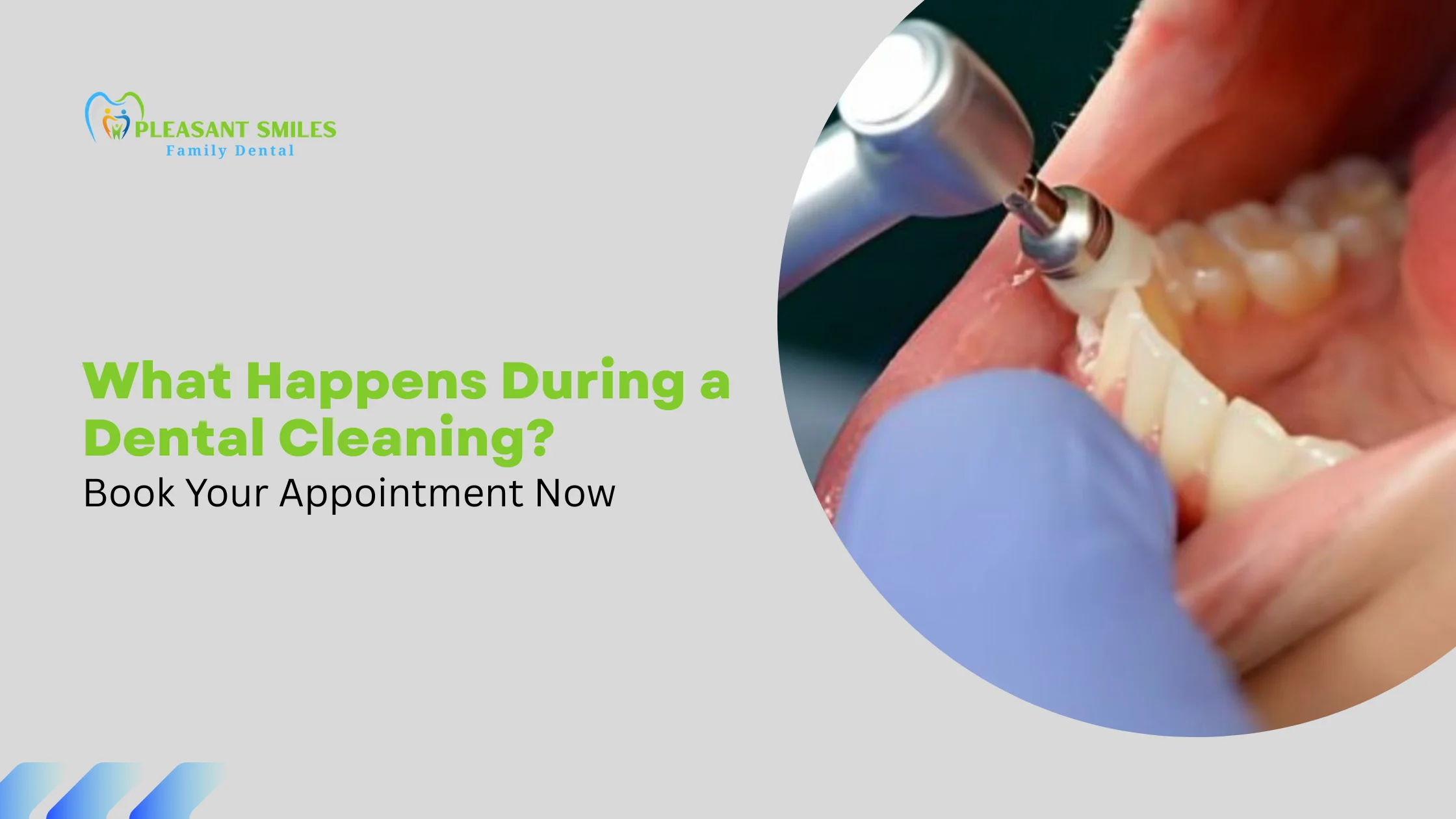
During a cleaning, a dental hygienist carefully examines the teeth, gently removes buildup, polishes surfaces, and checks for early signs of decay or gum inflammation.

Regular dental cleanings not only improve oral hygiene but also help detect potential problems before they require more extensive treatment. 

By keeping teeth clean and gums healthy, patients can prevent serious dental issues, reduce discomfort, and save time and costs associated with restorative procedures in the future.

Why Regular Dental Cleanings Are Crucial for Preventing Bigger Problems

Routine dental cleanings are more than a cosmetic procedure—they are an essential part of maintaining long-term oral health. 

Even a single missed cleaning can allow plaque and tartar to build up, increasing the risk of cavities, gum disease, and infections.

Professional cleanings remove hard-to-reach debris that daily brushing and flossing often miss. This preventive care helps avoid periodontal disease, which can lead to tooth loss, and reduces the need for extensive restorative treatments such as crowns, root canals, or other dental procedures. 

Cleanings also allow for early detection of potential issues, including tooth decay, oral lesions, or bite irregularities, enabling prompt intervention before complications develop.

For both children and adults, dental cleanings reinforce proper oral hygiene habits and provide guidance on effective brushing, flossing, and dietary choices. 

Maintaining gum health also supports overall wellness, as research links gum disease to systemic conditions like heart disease and diabetes. By scheduling cleanings every six months, individuals can enjoy healthier teeth, fresher breath, and a more confident smile.

Regular professional care is a simple yet powerful step toward preventing serious dental problems and protecting your long-term oral health.

What Happens During a Dental Cleaning

What Happens During a Dental Cleaning

Understanding the dental cleaning process helps patients feel confident and prepared for their appointment. A professional dental cleaning follows a structured, preventive approach designed to protect both teeth and gums while identifying potential concerns early.

1. Initial Oral Examination

The visit typically begins with a brief oral exam performed by a dental professional. Teeth, gums, and surrounding tissues are checked for signs of cavities, gum inflammation, plaque buildup, or other oral health issues. This step plays a key role in early detection, allowing problems to be addressed before they progress.

2. Plaque and Tartar Removal (Scaling)

Specialized instruments are used to gently remove plaque and hardened tartar from the tooth surfaces and along the gumline. Even with good brushing habits, tartar can form in hard-to-reach areas, making professional scaling essential for preventing gum disease and enamel damage.

3. Polishing and Flossing

After scaling, teeth are polished using a mildly abrasive paste to remove surface stains and smooth the enamel. Flossing follows to clear debris between teeth and ensure a thorough clean.

4. Fluoride Treatment (When Recommended)

In some cases, fluoride is applied to strengthen tooth enamel and reduce the risk of cavities. This step is especially beneficial for children or individuals prone to tooth decay.

5. X-Rays or Additional Assessments (If Needed)

When necessary, dental X-rays may be taken to evaluate areas not visible during the exam, supporting accurate diagnosis and long-term care planning.

This step-by-step process ensures dental cleanings support both immediate cleanliness and long-term oral health.

Typical Time Frames for Different Types of Dental Cleanings

Not all dental cleanings are the same. The length of an appointment depends on the type of cleaning required and the patient’s current oral health. Understanding these time frames helps patients plan visits and know what to expect.

Routine Dental Cleaning (Prophylaxis)

For patients who attend regular checkups every six months and maintain good oral hygiene, a standard dental cleaning typically takes 30–45 minutes. This usually includes an oral examination, removal of plaque and tartar, polishing, and optional fluoride treatment. These visits are efficient and focused on prevention.

First-Time or Overdue Cleanings

If a patient has not had a cleaning in over a year or has noticeable plaque and tartar buildup, the appointment may take 45–60 minutes. Additional time allows for more detailed scaling and evaluation of gum health to ensure a thorough and safe cleaning.

Deep Cleaning (Scaling and Root Planing)

Patients diagnosed with gum disease may require deep cleaning procedures. These are more extensive and are often divided into multiple visits, with each session lasting 60–90 minutes. Deep cleanings target bacteria and tartar below the gumline to reduce inflammation and slow disease progression.

Pediatric Dental Cleanings

Children’s cleanings are usually shorter, lasting 20–30 minutes. These visits focus on gentle cleaning, monitoring tooth development, and reinforcing proper brushing and flossing habits.

Knowing the appropriate cleaning type and time commitment helps patients stay proactive about their oral health and avoid more complex treatments in the future.

Factors That Affect How Long a Dental Cleaning Takes

The length of a dental cleaning appointment can vary from person to person based on several oral health and procedural factors. Understanding these variables helps patients better anticipate their visit and appreciate why some cleanings take longer than others.

Plaque and Tartar Buildup

The amount of plaque and hardened tartar on the teeth plays a major role in cleaning duration. Patients who brush and floss consistently and attend regular checkups usually require less scaling, resulting in shorter appointments. Heavier buildup, especially along the gum line, requires more time for safe and thorough removal.

Gum Health

Healthy gums allow for quicker and more comfortable cleanings. If gums are inflamed, swollen, or prone to bleeding, the hygienist must work more carefully to avoid discomfort and ensure proper care, which can extend the appointment.

Dental History and Restorations

Crowns, bridges, implants, orthodontic appliances, and other restorations require extra attention during cleanings. These areas must be cleaned carefully to avoid damage and ensure plaque does not accumulate around margins or hardware.

Sensitivity and Anxiety

Tooth sensitivity or dental anxiety can slow the process, as breaks, gentler techniques, or additional explanations may be needed. Taking time to ensure comfort helps create a more positive experience.

Additional Diagnostics

If X-rays, oral cancer screenings, or comprehensive examinations are performed during the same visit, the total appointment time will naturally increase. These evaluations support early detection and long-term oral health.

Because of these factors, dental cleanings may range from 30 to 60 minutes, depending on individual needs and oral health status.

Cost Comparison: Preventive Cleanings vs. Restorative Treatments

Regular dental cleanings are not only essential for oral health—they are also a cost-effective way to prevent more expensive dental problems in the future. For patients in Cheshire, CT, investing in preventive care can significantly reduce long-term dental expenses.

Approximate Costs in Cheshire, CT

A routine preventive dental cleaning typically costs around $100–$150 per visit, depending on the office and whether exams or basic diagnostics are included. 

Optional services such as fluoride treatments or sealants may add a small additional cost, but these measures help strengthen enamel and lower the risk of decay.

In comparison, restorative treatments are substantially more expensive. A simple filling may cost approximately $200–$400, while crowns and root canal treatments can range from $800 to $2,000 or more per tooth, depending on complexity, materials, and the tooth’s location. 

These figures are approximate and can vary based on individual treatment needs and insurance coverage.

Why Prevention Saves Money Long-Term

Preventive cleanings help detect early signs of cavities, gum disease, or enamel wear before they progress into more serious conditions. Addressing issues early often avoids the need for extensive procedures, multiple appointments, and higher out-of-pocket costs. Preventive care also lowers the risk of dental emergencies, which tend to be both urgent and costly.

Example Scenario

A small cavity caught during a routine cleaning could be managed with minimal treatment. Without preventive visits, that same issue may worsen and eventually require a crown or root canal—turning a modest preventive expense into a much larger financial and time commitment.

Overall, regular dental cleanings represent a proactive approach that protects both oral health and long-term dental budgets.

What to Expect During Your Visit at Pleasant Smiles

Visiting the dentist doesn’t have to be stressful—especially at Pleasant Smiles Family Dental in Cheshire, CT. From the moment you step into our office, every detail is designed to make your cleaning smooth, efficient, and comfortable.

Warm Welcome and Relaxing Atmosphere

Our friendly team greets patients by name, offering a calm and inviting environment. Soft music, comfortable seating, and a kid-friendly space help reduce anxiety, making every visit feel welcoming.

Personalized Approach

Dr. Vijitha Bandla reviews your dental history, examines your oral health, and customizes your cleaning to meet your specific needs. Whether it’s your first visit in years or a routine six-month checkup, our team ensures every step is tailored for you.

Step-by-Step Cleaning Process

  • Initial Exam: A quick check of teeth, gums, and overall oral health to identify potential concerns.
  • Scaling: Gentle removal of plaque and tartar from tooth surfaces and gum lines.
  • Polishing: Teeth are polished to remove surface stains and leave a smooth finish.
  • Flossing: Thorough flossing ensures no debris is left behind.
  • Fluoride Treatment: Optional fluoride strengthens enamel and helps prevent cavities.

Parent and Patient Guidance

Before you leave, our hygienists provide practical tips for maintaining oral health at home, from proper brushing techniques to dietary advice.

Efficiency and Comfort

Appointments typically last 30–60 minutes depending on your oral health, but the process is never rushed. Our goal is to combine high-quality care with a stress-free, pleasant experience for every patient.

At Pleasant Smiles Family Dental, Dr. Vijitha Bandla and her team prioritize patient comfort, thorough care, and education, ensuring that every dental cleaning supports long-term oral health and leaves patients smiling with confidence.

Frequently Asked Questions (FAQ)

1. Why is dental cleaning important if I brush every day?

Even with regular brushing and flossing, plaque and tartar can build up in hard-to-reach areas. Professional dental cleanings remove these deposits, reduce the risk of cavities and gum disease, and help maintain long-term oral health. Pleasant Smiles Family Dental ensures thorough, gentle care tailored to each patient.

2. Will dental cleanings hurt?

Most patients experience little to no discomfort during routine cleanings. Dr. Vijitha Bandla and the team use gentle techniques and advanced tools to make the process comfortable. Sensitive patients may benefit from additional comfort measures, including numbing gel or shorter cleaning sessions.

3. How long does a dental cleaning take?

A standard cleaning usually takes 30–45 minutes for patients who maintain regular visits. First-time or overdue cleanings may take slightly longer. Children or patients with minimal buildup may finish in about 20–30 minutes.

4. Are dental cleanings covered by insurance?

Most dental insurance plans, including Husky coverage for eligible patients, partially or fully cover preventive cleanings. Pleasant Smiles Family Dental helps verify benefits and guides families through insurance coverage and flexible payment options.

5. How soon after a cleaning should I schedule my next one?

Dentists recommend scheduling a cleaning every six months to maintain optimal oral health. Patients with gum disease or higher risk factors may need more frequent visits, which Dr. Vijitha Bandla can personalize for your needs.

Emergency Dentist in Cheshire – Same-Day Dental Care

Dental emergencies can happen without warning — a cracked tooth while eating, a throbbing toothache that keeps you up at night, or an accident that knocks out a tooth entirely. In moments like these, having a trusted emergency dentist in Cheshire, CT can make all the difference between saving a tooth and losing it.

At Pleasant Smiles Family Dental, we understand that dental pain can’t wait for regular office hours. That’s why Dr. Vijitha Bandla and her experienced team provide prompt, same-day emergency dental care for patients across Cheshire and nearby communities. Our goal is to relieve pain quickly, address the root cause of the issue, and help you return to comfort as soon as possible.

From treating sudden infections and abscesses to repairing broken crowns or restoring knocked-out teeth, we handle a full range of urgent dental problems using advanced technology and gentle, patient-focused care. We also know how stressful dental emergencies can feel — so every member of our team is trained to respond with empathy, clear communication, and efficient treatment planning.

When a dental crisis occurs, you shouldn’t have to search endlessly for help. Pleasant Smiles Family Dental keeps same-day emergency appointments available daily, ensuring that whether it’s early morning or late afternoon, you can reach a qualified dentist who’s ready to help.

If you’re experiencing severe dental pain, swelling, bleeding, or trauma, call our Cheshire dental office right away. Dr. Bandla will guide you on what to do next and ensure you get the care you need without delay.

What Is a Dental Emergency?

A dental emergency refers to any sudden oral health issue that causes severe pain, bleeding, infection, or trauma and requires immediate professional attention to prevent permanent damage or complications. Unlike routine dental problems, which can wait for a scheduled appointment, emergencies demand prompt treatment to protect the teeth, gums, and surrounding tissues — and, in some cases, your overall health.

According to the American Dental Association (ADA), a true dental emergency involves situations where delaying treatment could result in significant oral health deterioration or systemic infection. These issues often include severe toothaches, knocked-out teeth, cracked or fractured teeth exposing the nerve, uncontrolled bleeding after an injury or extraction, or signs of oral infection such as swelling in the face or jaw.

For example, if a tooth gets knocked out during an accident, seeking dental care within 30 to 60 minutes can often make the difference between saving and losing that tooth. Similarly, infections that cause swelling around the jaw or face may spread rapidly if untreated — in extreme cases, they can even become life-threatening when the infection reaches the bloodstream or airway.

Not all discomfort, however, qualifies as an emergency. A small chip, a minor sensitivity to cold, or a temporary gum irritation might feel uncomfortable but usually doesn’t require same-day attention. That’s why understanding the difference between urgent and non-urgent dental issues helps patients act quickly and appropriately.

At Pleasant Smiles Family Dental, Dr. Vijitha Bandla emphasizes that early evaluation is crucial. Even if you’re unsure whether your situation is an emergency, contacting a dentist immediately ensures the problem is accurately assessed. Many conditions that start small — such as untreated cavities or gum infections — can escalate into emergencies if ignored.

In essence, a dental emergency is any oral health problem that disrupts your daily life through pain, swelling, or trauma and risks long-term oral damage if not treated right away. Recognizing these signs early and seeking professional care can preserve your smile, prevent costly procedures later, and protect your overall well-being.

Common Dental Emergencies and Their Symptoms

Dental emergencies can occur unexpectedly — from biting into something hard to an accidental fall. Recognizing the signs early helps you respond the right way and get immediate care before the problem worsens. Below are the most common dental emergencies treated by Dr. Vijitha Bandla and her team at Pleasant Smiles Family Dental in Cheshire, CT, along with their warning symptoms and what they mean for your oral health.

1. Severe Toothache or Throbbing Pain

A persistent or intense toothache is one of the clearest signs of a dental emergency. It often indicates an underlying infection, an abscess, or deep tooth decay that has reached the nerve.

Common symptoms include: sharp or throbbing pain, sensitivity to temperature, swelling around the jaw, and difficulty chewing.

If left untreated, the infection can spread to the jawbone or bloodstream, leading to serious health risks. Prompt treatment — usually a root canal or drainage of the abscess — can quickly relieve pain and save the tooth.

2. Knocked-Out (Avulsed) Tooth

A knocked-out tooth is a true dental emergency that requires immediate action. According to the American Association of Endodontists, reimplantation is most successful when done within 30–60 minutes of the injury.

What to do: Gently rinse the tooth without scrubbing it, keep it moist in milk or saline, and bring it to the dental office right away.

At Pleasant Smiles Family Dental, Dr. Bandla’s team uses advanced preservation techniques to reattach the tooth if possible or replace it with dental implants if necessary.

3. Broken, Cracked, or Fractured Teeth

Teeth can crack or break from trauma, biting something hard, or untreated decay. Even a small crack can expose the inner nerve, causing pain and sensitivity.

Symptoms include: visible cracks, sharp edges, or pain when biting down.
Treatment depends on the severity — from bonding and crowns to emergency root canals if the pulp is exposed. Ignoring a fracture can lead to infection or tooth loss.

4. Lost or Dislodged Dental Filling or Crown

When a filling or crown falls out, it leaves the tooth unprotected and highly sensitive. This can quickly lead to pain, infection, or structural damage.

Temporary fix: You can use dental cement (available at pharmacies) to protect the area until you reach the dentist.

Professional care: Dr. Bandla ensures the tooth is cleaned, restored, and refitted with a durable crown or filling to prevent further complications.

5. Gum or Facial Swelling and Abscesses

Swelling in the gums, face, or jaw often indicates an infection that requires urgent attention.

Symptoms include: visible swelling, fever, tenderness, and sometimes a bad taste from pus drainage.

An abscess won’t heal on its own — it requires professional drainage and antibiotics. Left untreated, oral infections can spread and cause serious systemic issues. Dr. Vijitha Bandla and her team provide immediate infection control to relieve pain and prevent recurrence.

6. Soft Tissue Injuries (Gums, Cheeks, or Tongue)

Accidents can cause cuts or tears inside the mouth, leading to bleeding and pain.

First aid: Rinse gently with warm salt water and apply pressure with gauze to control bleeding. If bleeding persists after 10–15 minutes, seek emergency dental care immediately.

Dr. Bandla ensures that wounds are disinfected, sutured if necessary, and checked for any deeper damage to surrounding teeth or tissues.

7. Jaw Pain or Broken Jaw

Pain or difficulty moving the jaw may signal a fracture or dislocation. This can occur from accidents, sports injuries, or sudden trauma.

Symptoms include: swelling, difficulty closing the mouth, or misalignment of the teeth.

Immediate evaluation is crucial, as jaw injuries can affect your bite, breathing, and facial structure.

When to Visit an Emergency Dentist and When It Can Wait

Not every dental problem requires immediate emergency care, but knowing which situations demand urgent attention can prevent complications and save teeth. At Pleasant Smiles Family Dental in Cheshire, CT, Dr. Vijitha Bandla guides patients to recognize the difference between true emergencies and issues that can be scheduled for routine care.

Situations That Require Immediate Attention

  1. Severe Pain or Swelling
    Persistent or throbbing tooth pain, especially when accompanied by swelling in the gums, face, or jaw, should be treated as an emergency. These symptoms often indicate infections or abscesses, which can spread rapidly and, in severe cases, affect your overall health. Immediate care ensures timely antibiotics, pain relief, and, if necessary, drainage or root canal treatment.
  2. Knocked-Out or Loose Teeth
    A tooth that has been completely dislodged, partially knocked loose, or severely fractured needs urgent dental intervention. The earlier a dentist evaluates the injury — ideally within 30 to 60 minutes for knocked-out teeth — the higher the chance of saving the tooth and preventing permanent damage.
  3. Uncontrolled Bleeding or Trauma
    Bleeding that does not stop with 10–15 minutes of firm pressure or injuries involving the jaw, lips, or soft tissues qualifies as a dental emergency. Immediate care ensures proper clotting, prevents infection, and identifies any underlying fractures or damage.
  4. Signs of Infection
    Redness, warmth, swelling, pus drainage, fever, or difficulty swallowing may indicate a dental infection. Prompt evaluation and treatment are essential because untreated infections can spread to other parts of the head and neck, posing serious health risks.

Situations That Can Usually Wait for a Scheduled Appointment

While these issues can be uncomfortable, they typically do not require same-day intervention:

  • Minor chips that do not expose the nerve
  • Slight sensitivity to hot or cold foods
  • Loose fillings or crowns without pain
  • Mild gum irritation or bleeding from brushing

Even though these conditions can wait, it’s still important to schedule an appointment. Ignoring small problems can allow them to progress into emergencies over time.

Do We Handle After-Hours Emergencies? How to Get Care When the Office Is Closed

Dental emergencies often happen outside of normal office hours — late at night, early in the morning, or on weekends. At Pleasant Smiles Family Dental in Cheshire, CT, we understand that urgent dental issues can’t wait until the next business day. While our office strives to accommodate same-day emergencies during regular hours, we also provide guidance and resources for after-hours dental care.

After-Hours Options at Pleasant Smiles

While our clinic is not open 24/7, we have protocols in place to ensure that patients experiencing true dental emergencies receive timely assistance:

  • On-Call Support: Patients can call our main office number to reach a member of our team. Our staff will triage the situation over the phone and provide guidance on pain management, temporary solutions, and immediate steps to prevent worsening of the condition.
  • Scheduling the Earliest Possible Appointment: For injuries or severe pain occurring outside of normal hours, we reserve same-day or next-morning slots for patients in urgent need. This ensures that treatment begins as quickly as possible.
  • Instructions for Stabilization at Home: We provide clear instructions for managing bleeding, swelling, or pain temporarily until the patient can be seen by Dr. Vijitha Bandla. These instructions follow ADA and AAE guidelines for safe at-home management.

When to Go to the Emergency Room

Certain dental emergencies require hospital-level care rather than waiting for a dentist:

  • Severe facial trauma or jaw fractures
  • Uncontrolled bleeding that does not stop after 10–15 minutes of firm pressure
  • Signs of systemic infection, such as fever, difficulty breathing, or spreading swelling
  • Severe injuries involving other parts of the face or head alongside dental trauma

In these situations, we advise patients to go directly to the nearest emergency room for immediate stabilization before follow-up dental care.

By providing clear instructions and rapid access to care, Pleasant Smiles Family Dental ensures that patients in Cheshire, CT, never face a dental emergency alone. Even outside office hours, our priority is to minimize pain, prevent infection, and guide you safely until professional treatment is available.

Diagnostics and Treatments We Offer for Dental Emergencies

When you arrive at Pleasant Smiles Family Dental with a dental emergency, the first priority is to assess the problem accurately and provide immediate relief. Dr. Vijitha Bandla and her team use advanced diagnostic tools and evidence-based treatment methods to ensure that every patient receives fast, effective, and safe care.

Step 1: Comprehensive Evaluation and Diagnostics

The emergency visit begins with a thorough evaluation:

  • Medical and Dental History: Understanding your overall health, medications, and previous dental treatments helps prevent complications during urgent care.
  • Visual Examination: Dr. Bandla carefully examines the affected teeth, gums, and surrounding tissues to identify fractures, decay, or infection.
  • Imaging: Digital X-rays are used to detect hidden cracks, infections, or bone involvement. For complex cases, CBCT (cone-beam computed tomography) may be utilized to assess detailed tooth and jaw structure.
  • Pulp Vitality Testing: When a tooth is severely injured, tests determine whether the nerve is still viable or if immediate root canal treatment is needed.

This step ensures that treatment is tailored to the specific emergency, rather than using temporary measures that may fail later.

Step 2: Immediate Pain Relief and Stabilization

Once the evaluation is complete, the next priority is pain control and stabilization:

  • Local anesthesia to numb the area and allow comfortable treatment
  • Ice or cold compresses for swelling
  • Temporary splints or bonding for fractured or loose teeth
  • Debridement and cleaning for wounds or abscesses to reduce infection risk

The goal is to relieve pain immediately while protecting the tooth or affected area until definitive treatment is completed.

Step 3: Emergency Treatments We Provide

Depending on the type of emergency, Dr. Bandla offers a range of same-day procedures, including:

  • Reimplantation of Knocked-Out Teeth: Using best-practice techniques to preserve tooth viability.
  • Root Canal Therapy for Infected or Damaged Nerves: Rapid treatment to save teeth affected by trauma or abscess.
  • Incision and Drainage of Abscesses: Controlling infection and reducing swelling.
  • Emergency Extractions: When a tooth cannot be saved, removal is performed safely and efficiently.
  • Temporary or Permanent Crown/Filling Replacement: Protecting damaged teeth and restoring functionality.
  • Soft Tissue Repair: Suturing cuts or injuries to the gums, tongue, or lips.
  • Sedation and Comfort Options: For anxious patients, mild sedation or calming techniques may be offered to ensure stress-free treatment.

Step 4: Post-Treatment Instructions

After immediate care, patients receive clear, written instructions on:

  • Pain management and recommended medications
  • Diet and chewing precautions
  • Signs of complications to watch for
  • Follow-up appointments for definitive care (e.g., final crown placement, root canal completion)

By combining advanced diagnostics, rapid pain relief, and definitive emergency treatment, Pleasant Smiles Family Dental ensures that patients leave the office safe, comfortable, and on the path to full recovery.

Costs, Insurance, and Financing Options for Emergency Dental Care

Dental emergencies can be stressful enough without worrying about unexpected costs. At Pleasant Smiles Family Dental, we strive to make emergency care accessible, transparent, and affordable for all patients. Understanding your options ahead of time helps you make informed decisions and ensures you receive timely treatment without unnecessary delays.

Emergency Dental Care Costs

The cost of emergency dental treatment varies depending on the type and complexity of the issue:

  • Minor procedures such as replacing a lost filling or providing temporary pain relief may be relatively low-cost.
  • Moderate procedures like treating a cracked tooth, performing an emergency root canal, or repairing a dislodged crown generally require more time and materials.
  • Complex treatments such as reimplanting knocked-out teeth, draining severe abscesses, or emergency extractions may be higher due to the specialized care and equipment involved.

At Pleasant Smiles, we provide a clear estimate before treatment begins, so you know exactly what to expect financially.

Insurance Coverage

Most dental insurance plans cover emergency procedures, though coverage levels may vary. Our team can:

  • Verify your insurance benefits before your appointment
  • File claims on your behalf to maximize coverage
  • Explain what portion of the emergency care will be your responsibility

Even if your insurance plan does not fully cover certain procedures, our staff will guide you through available options to minimize out-of-pocket costs.

Flexible Financing and Payment Plans

For patients without insurance or those facing high-cost emergencies, Pleasant Smiles Family Dental offers flexible payment options:

  • CareCredit Financing: Allows you to pay for treatment over time with low or no interest plans.
  • In-House Payment Plans: Custom payment arrangements can be discussed directly with our office staff to fit your budget.
  • Transparent Billing: No hidden fees, with all costs explained before treatment begins.

Peace of Mind During a Dental Emergency

Our goal is to ensure that financial concerns never prevent you from getting urgent care. Patients in Cheshire, CT, can trust that Dr. Vijitha Bandla and her team will provide both high-quality treatment and guidance on navigating costs, insurance, and financing — allowing you to focus on healing and comfort during a stressful time.

Why Choose Pleasant Smiles Family Dental for Your Emergency Care

When a dental emergency strikes, you need more than just quick treatment — you need a dentist you can trust, a team that understands your concerns, and a clinic equipped to provide comprehensive, evidence-based care. At Pleasant Smiles Family Dental, Dr. Vijitha Bandla and her staff combine expertise, compassion, and modern technology to ensure every patient receives the best possible care during dental emergencies.

Expertise You Can Rely On

Dr. Vijitha Bandla is a highly trained emergency dentist with years of experience in managing urgent dental issues, from knocked-out teeth and severe infections to complex trauma cases. Her approach is grounded in the latest clinical guidelines from the American Dental Association (ADA) and the American Association of Endodontists (AAE), ensuring safe, effective, and evidence-based care. Patients can be confident that their dental emergency is being managed by a professional who understands both the science of dentistry and the stress of urgent situations.

Patient-Centered Care

At Pleasant Smiles, every emergency patient is treated with empathy and respect. The team prioritizes clear communication, explaining each step of the treatment, potential outcomes, and aftercare instructions. This approach reduces anxiety, helps patients feel informed, and ensures they can make decisions confidently, even under stressful circumstances.

Advanced Technology and Treatment Options

Our clinic is equipped with modern dental technology, including:

  • Digital X-rays and CBCT scans for accurate diagnosis
  • Advanced sterilization protocols for patient safety
  • State-of-the-art emergency dental tools for precise treatment

This technology allows Dr. Bandla to provide efficient, minimally invasive procedures, which are critical during emergencies where time and accuracy matter.

Local Trust and Community Commitment

Being a part of the Cheshire, CT community, Pleasant Smiles Family Dental is committed to helping local families maintain their oral health. Our team understands the unique needs of the community and strives to provide accessible, reliable emergency care. Many patients return not only for emergencies but also for ongoing dental care because of the trust, professionalism, and personalized attention they receive.

Comprehensive Follow-Up Care

Emergency treatment is only the first step. Dr. Bandla ensures that each patient receives a customized follow-up plan, including definitive restorations, preventive care, and ongoing monitoring to prevent future emergencies. This approach aligns with the highest standards of dental care, emphasizing long-term oral health rather than just temporary relief.

Choosing Pleasant Smiles Family Dental means choosing a clinic that combines expert skill, compassionate care, and state-of-the-art technology, providing peace of mind when dental emergencies happen.

Tips for Maintaining Healthy Teeth and Gums

While accidents can happen, many dental emergencies are preventable with proper oral care, lifestyle habits, and regular dental checkups. At Pleasant Smiles Family Dental, Dr. Vijitha Bandla emphasizes prevention as the best strategy to avoid pain, costly procedures, and emergency visits.

1. Maintain Consistent Oral Hygiene

  • Brush your teeth twice daily with fluoride toothpaste.
  • Floss at least once a day to remove plaque and debris between teeth.
  • Use an antiseptic mouthwash to reduce bacteria and protect gums.

Good oral hygiene prevents cavities, infections, and gum disease, which are common triggers for emergency dental problems.

2. Protect Your Teeth During Sports and Physical Activities

  • Wear a custom-fitted mouthguard when playing contact sports or activities with a risk of facial injury.
  • Avoid chewing on hard objects such as ice, pens, or popcorn kernels, which can crack teeth.

These measures help reduce the risk of broken, chipped, or knocked-out teeth, one of the most common dental emergencies.

3. Schedule Regular Dental Checkups

  • Visit the dentist every six months for cleanings and examinations.
  • Early detection of decay, gum disease, or weakened teeth allows preventive treatment before problems become emergencies.

Dr. Vijitha Bandla uses advanced diagnostics during routine checkups to identify potential risks and take proactive measures.

4. Monitor Your Oral Health and Act Early

  • Pay attention to sensitivity, swelling, or discoloration in teeth and gums.
  • Don’t delay treatment for minor pain or loose restorations; what starts as a small problem can escalate into a severe emergency if ignored.

Prompt care ensures issues are treated before they develop into urgent, painful situations.

5. Adopt Healthy Lifestyle Habits

  • Limit sugary snacks and drinks to reduce the risk of cavities.
  • Stay hydrated and chew sugar-free gum to stimulate saliva, which naturally protects teeth.
  • Avoid tobacco use, which increases the risk of gum disease and oral infections.

By combining proper oral hygiene, protective habits, and routine dental visits, patients can significantly reduce the likelihood of dental emergencies and maintain a healthy, strong smile for life.

Conclusion

Dental emergencies can strike at any time, and when they do, having a trusted emergency dentist in Cheshire can make all the difference. At Pleasant Smiles Family Dental, Dr. Vijitha Bandla and her team are committed to providing fast, effective, and compassionate care for patients facing urgent dental issues.

From severe toothaches and knocked-out teeth to broken crowns and infections, our clinic offers same-day emergency appointments, advanced diagnostics, and expert treatment to relieve pain, prevent further damage, and restore your smile. We also provide guidance for after-hours emergencies, flexible payment options, and clear post-treatment instructions — ensuring that your emergency is handled safely and efficiently.

Remember, early action is crucial. Don’t wait or try to manage serious dental problems on your own. Contact Pleasant Smiles Family Dental immediately if you experience:

  • Severe tooth pain or swelling
  • Knocked-out, broken, or loose teeth
  • Persistent bleeding or trauma to the mouth
  • Signs of infection, such as pus, fever, or facial swelling

By choosing Dr. Vijitha Bandla and our team, you’re choosing a clinic that combines expertise, advanced technology, and patient-centered care to handle dental emergencies with precision and compassion.

Call Pleasant Smiles Family Dental today or book an emergency appointment online — and get the fast, reliable care you need to protect your teeth, your smile, and your health.

How Long Does a Dental Cleaning Take? A Complete Guide

If you’ve ever put off booking a dental cleaning because you weren’t sure how long it would take, you’re definitely not alone. Between busy work schedules, school runs, and family priorities, it’s easy to assume a dental visit will eat up your day. But here’s the truth — most dental cleanings are quicker, smoother, and far more comfortable than people expect.

At Pleasant Smiles Family Dental, Dr. Vijitha Bandla and her team make every visit efficient and stress-free while ensuring your oral health gets the thorough care it deserves. Whether it’s your routine six-month cleaning or your first visit in a while, we tailor each appointment to fit your needs and comfort. In this guide, we’ll break down exactly how long a dental cleaning takes, what happens during your visit, and why that short time in the chair makes such a big difference for your smile.

What’s Involved in a Routine Dental Cleaning

Before diving into how long a dental cleaning takes, it’s important to understand what actually happens during your visit. A routine dental cleaning is far more than just “scrubbing teeth”—it’s a carefully structured, preventive treatment designed to keep your smile healthy, bright, and problem-free. At Pleasant Smiles Family Dental, Dr. Vijitha Bandla and her compassionate team take pride in providing thorough cleanings that protect your teeth while making your experience as comfortable as possible.

1. Initial Exam and Check-In

Your visit begins with a quick oral health evaluation. Dr. Bandla or one of our skilled hygienists examines your gums, teeth, and soft tissues to identify any signs of decay, inflammation, or early gum disease. This short check-in—usually lasting 5 to 10 minutes—sets the stage for a personalized cleaning that targets your unique dental needs.

2. Plaque and Tartar Removal (Scaling)

Next comes the most essential part: scaling. Using advanced dental instruments, our hygienists gently remove soft plaque and hardened tartar that regular brushing and flossing can’t reach. This process helps prevent gum disease, tooth decay, and bad breath. Depending on the buildup, scaling may take 15 to 30 minutes—and our gentle approach ensures it’s done efficiently and comfortably.

3. Polishing and Flossing

Once your teeth are clean, we use a mildly abrasive paste to polish away surface stains, leaving your enamel smooth and radiant. Then, we carefully floss between your teeth to remove any lingering debris. This polishing and flossing stage not only brightens your smile but also makes it harder for new plaque to form. Expect this to take around 10 to 15 minutes.

4. Fluoride Treatment (If Needed)

For extra protection, a fluoride treatment may be applied. It strengthens tooth enamel and helps fight cavities long after you leave the chair. This simple, painless step takes just a few minutes but offers months of defense against decay.

5. Optional X-Rays or Dentist Consultation

If you’re due for your routine X-rays or a comprehensive checkup, Dr. Bandla may take detailed images of your teeth and jaw to catch potential issues before they become serious. This part adds about 10 to 15 minutes.

When you put it all together, a routine dental cleaning at Pleasant Smiles Family Dental typically lasts 30 to 60 minutes, depending on your oral health and the type of care you need. It’s a small time investment that pays off in a healthier, brighter smile—and long-term peace of mind.

Typical Time Frames for Different Cleaning Types

Not every dental cleaning is the same — the time it takes depends on your oral health, the type of cleaning you need, and how long it’s been since your last visit. At Pleasant Smiles Family Dental, Dr. Vijitha Bandla and her team tailor each appointment to ensure every patient receives the right level of care without feeling rushed.

Routine Dental Cleaning (Prophylaxis)

For patients who maintain regular six-month visits, a routine cleaning is quick and comfortable. These appointments usually take 30 to 45 minutes. During this time, plaque and tartar are removed, your teeth are polished, and your mouth feels completely refreshed. It’s a preventive step that helps you maintain long-term oral health with minimal disruption to your schedule.

First-Time or Overdue Cleanings

If it’s been more than a year since your last dental cleaning—or if you’re visiting a new dentist for the first time—expect a bit more time in the chair. These cleanings typically last 45 to 60 minutes, as extra care is taken to address any tartar buildup, gum irritation, or other early signs of dental issues. Dr. Bandla’s gentle approach ensures even overdue cleanings are a comfortable experience.

Deep Cleaning (Scaling and Root Planing)

For patients showing signs of gum disease, a deep cleaning may be recommended. This is a more intensive procedure that targets buildup beneath the gumline to restore gum health. Deep cleanings are often divided into two separate visits, each lasting 60 to 90 minutes, to ensure thorough and effective treatment without discomfort.

Pediatric Cleanings

Children’s cleanings are typically shorter—around 20 to 30 minutes—and focus not just on cleaning but on education. Our team teaches kids proper brushing, flossing, and healthy eating habits to help them develop strong, lasting dental routines.

At Pleasant Smiles Family Dental, every cleaning—no matter the type—is performed with precision, compassion, and your comfort in mind.

Factors That Affect How Long a Dental Cleaning Takes

Factors That Affect How Long a Dental Cleaning Takes

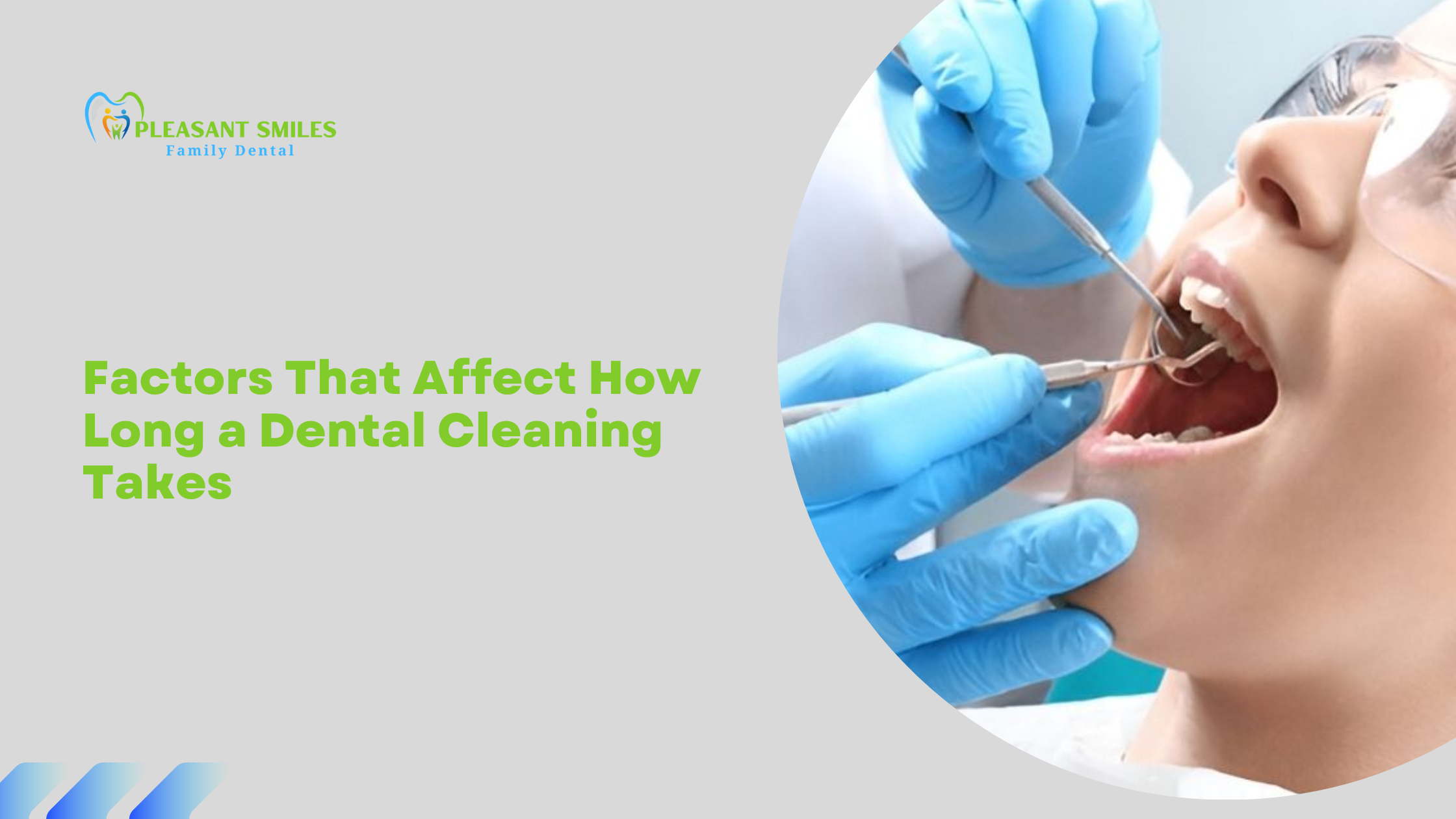
No two dental cleanings are exactly alike. The time required for your appointment can vary based on your unique oral health and comfort needs. Here are some of the most common factors that influence how long your cleaning might take:

1. Plaque & Tartar Buildup

The more buildup that has accumulated on your teeth and along the gumline, the longer your hygienist will need to ensure a thorough cleaning. Patients who maintain consistent brushing, flossing, and regular checkups usually experience shorter, smoother appointments.

2. Gum Health

If your gums are inflamed or show early signs of gingivitis, the cleaning process may take a bit longer. Our hygienists at Pleasant Smiles Family Dental take a gentle approach to minimize discomfort while restoring your gums to a healthy state.

3. Dental History

Existing restorations—such as crowns, bridges, or braces—require extra attention during cleaning. Navigating around these areas carefully ensures plaque is completely removed without damaging your dental work.

4. Anxiety or Sensitivity

We understand that dental visits can make some patients feel anxious or uncomfortable. Our compassionate team takes extra time to explain each step, answer questions, and provide a calm, reassuring environment so you never feel rushed.

5. X-rays or Comprehensive Exams

Sometimes, your visit includes digital X-rays or a full dental exam by Dr. Vijitha Bandla. These help us detect hidden issues early and ensure your smile stays healthy, though they can slightly extend your total appointment time.

At Pleasant Smiles Family Dental, we tailor every cleaning to your comfort level and oral health needs—never compromising on quality or care.

What to Expect During Your Visit at Pleasant Smiles

From the moment you step into Pleasant Smiles Family Dental, our priority is to make your visit as comfortable and stress-free as possible. We know that dental appointments can feel intimidating, which is why every part of your experience is designed around care, comfort, and compassion.

Warm Welcome & Relaxing Atmosphere

Our friendly front desk team greets you with a smile and helps you settle in. We value your time, so appointments run smoothly and efficiently. Our modern, inviting office environment is designed to put you at ease from the moment you arrive.

Personalized Approach

Before beginning your cleaning, Dr. Vijitha Bandla and our dental hygienists take time to review your oral health history and discuss any concerns. Whether it’s your first visit or a routine checkup, we tailor the cleaning process to your specific needs for the best results.

Gentle Techniques & Modern Tools

Our practice uses the latest dental technology to make cleanings more efficient, precise, and comfortable. Ultrasonic scalers and polishing tools help remove plaque and tartar with minimal discomfort, ensuring a smooth and refreshing experience.

Educational Guidance

Before you leave, our hygienists provide personalized advice on brushing, flossing, and diet to help maintain your bright smile between visits. We want every patient to leave feeling confident, informed, and empowered to take charge of their oral health.

At Pleasant Smiles Family Dental, every cleaning appointment is more than a routine procedure—it’s a step toward long-term oral wellness, delivered with the gentle touch and compassionate care you deserve.

How to Prepare for Your Dental Cleaning in Cheshire

A little preparation before your dental cleaning can go a long way in making your visit smoother, more efficient, and even more comfortable. At Pleasant Smiles Family Dental, Dr. Vijitha Bandla and our caring team want every patient to feel confident and ready for their appointment. Here are a few easy ways to prepare:

Brush and Floss Beforehand

Giving your teeth a quick brush and floss before your appointment isn’t just polite—it’s practical. It removes food particles and surface plaque, allowing our hygienists to focus on deep cleaning and tartar removal rather than basic debris.

Update Your Medical Information

Oral health is closely linked to your overall health. Bring an updated list of any medications you’re taking or recent changes in your medical history. Certain conditions or prescriptions can influence your dental treatment plan, and sharing these details ensures you receive the safest and most personalized care.

Avoid Eating Right Before

Try to skip heavy, sticky, or staining foods—like coffee, berries, or caramel—right before your visit. A clean mouth helps our team get started right away and gives you a fresher post-cleaning feel.

Arrive Early

Getting to the office a few minutes early gives you time to settle in, complete any quick paperwork, and relax before your cleaning begins. Our front desk team works hard to keep every appointment running on time so your day stays on schedule.

At Pleasant Smiles Family Dental, we believe preparation and communication make every visit better. A few small steps before your appointment can make a big difference in your comfort and the quality of your dental care.

How Long Does a Dental Cleaning Take – and Why It’s Worth It

When it comes to your oral health, a routine dental cleaning is one of the simplest yet most powerful ways to protect your smile. In most cases, a cleaning takes about 45 minutes to an hour—a small investment of time that pays off in long-term benefits for both your teeth and overall health.

At Pleasant Smiles Family Dental, Dr. Vijitha Bandla and her team emphasize that cleanings aren’t just about aesthetics. Removing plaque and tartar helps prevent gum disease, cavities, and even systemic health issues linked to oral bacteria—such as heart disease and diabetes. It’s not just about keeping your teeth white; it’s about keeping your entire body healthy.

Most patients do best with cleanings every six months, which helps catch potential issues early and keep your mouth feeling fresh year-round. However, if you’re prone to gum inflammation, smoke, or have certain medical conditions, Dr. Bandla may recommend more frequent visits to maintain optimal gum health.

Think of your cleaning appointment as a reset for your mouth—a chance to start fresh, improve your confidence, and protect your smile for years to come. Spending an hour in the chair today can save you from extensive dental treatments tomorrow.

Final Thoughts

So, how long does a dental cleaning take? For most patients, the answer is under an hour, yet the impact of that short visit lasts far longer. A dental cleaning is more than just a routine chore—it’s a key step in protecting your teeth, gums, and overall health. Regular cleanings help prevent cavities, gum disease, and other oral issues, saving you time, discomfort, and potentially costly treatments down the line.

At Pleasant Smiles Family Dental, Dr. Vijitha Bandla and her team make every minute of your appointment count. From the moment you arrive, you’ll experience a welcoming, calm environment where your comfort and oral health are the top priorities. Using gentle techniques and modern tools, cleanings are efficient yet thorough, leaving your teeth feeling fresh and your smile bright.

Whether it’s your first visit in a while or part of your routine six-month checkup, you can trust that your cleaning will be personalized to your needs. With expert care, clear guidance, and a focus on patient comfort, maintaining a healthy smile has never been easier. Schedule your next cleaning and experience how Pleasant Smiles makes oral health simple, effective, and enjoyable.

Frequently Asked Questions

1. How long should a routine dental cleaning in Cheshire take?

A routine dental cleaning usually takes 30–45 minutes, including plaque and tartar removal, polishing, flossing, and sometimes fluoride treatment. At Pleasant Smiles Family Dental, Dr. Vijitha Bandla ensures your cleaning is thorough yet comfortable, helping prevent cavities, gum disease, and maintain a fresh, healthy smile.

2. Will my dental cleaning take longer if I haven’t been in a while?

Yes. If it’s been over a year, your cleaning may take around an hour due to extra plaque and tartar buildup. Dr. Vijitha Bandla carefully removes buildup, checks your gums, and may take X-rays to ensure your oral health is fully assessed and maintained.

3. Can a dental cleaning be done in under 30 minutes?

For children or patients with minimal buildup, a cleaning can take less than 30 minutes. However, most cleanings require at least 30 minutes to ensure thorough plaque removal, polishing, and gum checks. Pleasant Smiles Family Dental prioritizes both efficiency and quality care for lasting oral health.

4. How often should I get a dental cleaning?

Dental cleanings are recommended every six months to prevent cavities, gum disease, and maintain oral health. Dr. Vijitha Bandla at Pleasant Smiles Family Dental may adjust this schedule for higher-risk patients, ensuring your teeth and gums stay healthy and your smile remains bright.

5. Is a deep cleaning painful or time-intensive?

Deep cleanings (scaling and root planing) take longer than routine cleanings, sometimes 60–90 minutes over multiple visits. Mild discomfort is possible, but Dr. Vijitha Bandla uses gentle numbing and advanced tools at Pleasant Smiles Family Dental, making the process comfortable while effectively treating gum disease.

Teeth Whitening in Cheshire: Your Complete Guide to a Brighter Smile

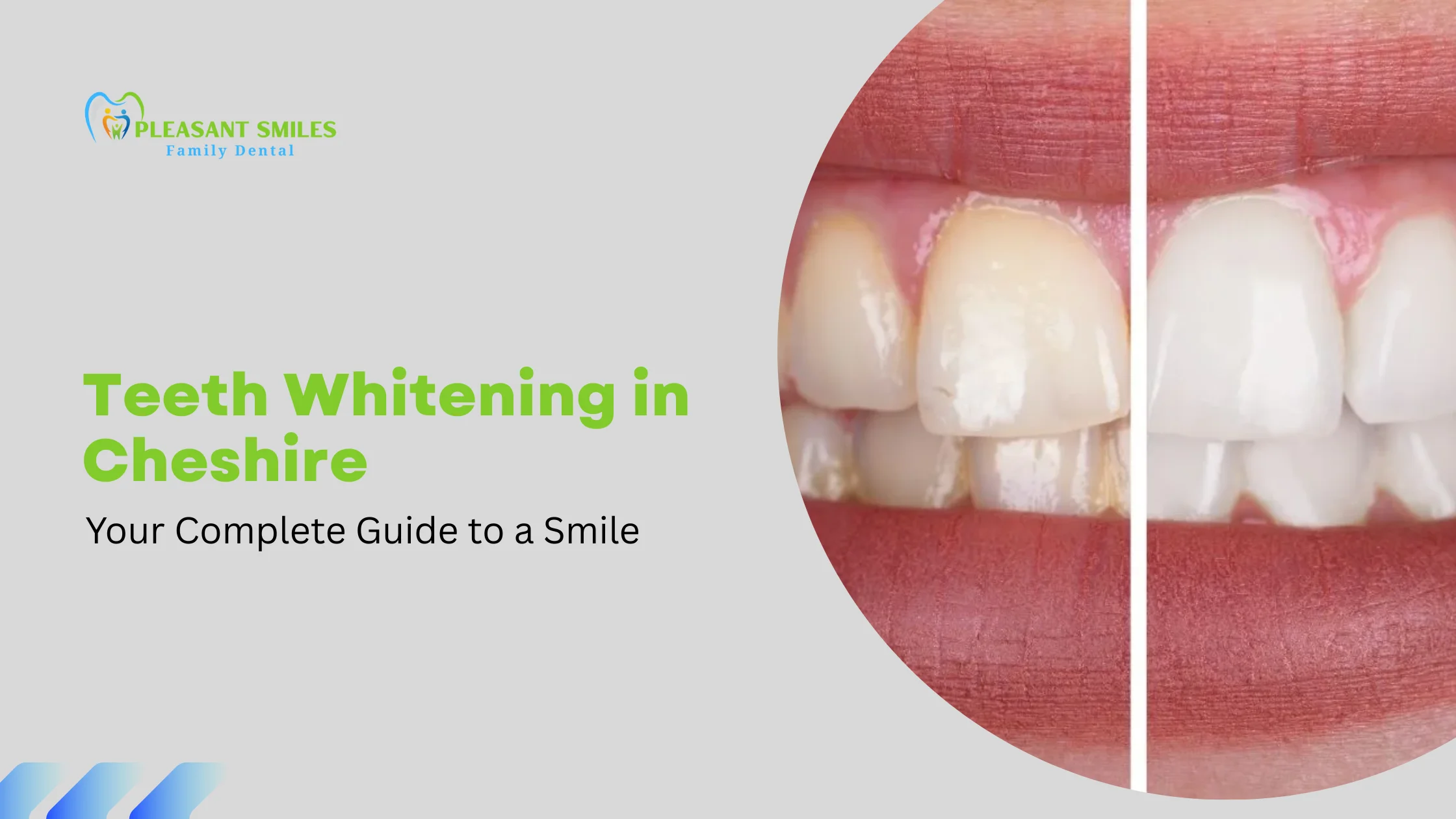
A bright, confident smile can change the way you look, feel, and connect with others. But over time, coffee, tea, wine, and even healthy foods can stain your teeth. If you’ve ever looked in the mirror and wished your smile was just a little whiter, you’re not alone. Many Cheshire residents are now turning to professional teeth whitening to restore their natural brilliance safely and effectively.

At Pleasant Smiles Family Dental, Dr. Vijitha Bandla and her team offer personalized whitening treatments that deliver stunning, natural-looking results—without damaging your enamel or causing unnecessary sensitivity. In this guide, we’ll walk you through everything you need to know before starting your whitening journey, including treatment options, costs, and how to maintain your results for the long haul.

Why Choose Professional Teeth Whitening Over Store-Bought Kits

It’s easy to be tempted by the convenience of over-the-counter whitening strips or toothpaste. But while these products may help with minor surface stains, they can’t deliver the deep, lasting results that professional whitening offers.

Professional whitening treatments—available right here in Cheshire—use dentist-supervised, medical-grade whitening gels that penetrate beneath the enamel surface to remove stubborn discoloration safely. Because your treatment is customized, the strength of the whitening solution and application time are tailored to your needs, minimizing risks like gum irritation or uneven whitening.

In contrast, store-bought kits often use weaker or inconsistent formulas. Some online products even contain harsh ingredients that can erode enamel or irritate gums. The result? You spend more time, more money, and still don’t get the even, bright smile you’re hoping for.

That’s why patients in Cheshire trust Pleasant Smiles Family Dental—for safe, effective, and fast whitening treatments with results that truly shine.

In-Office Whitening: Fast, Noticeable Results

If you want immediate, dramatic improvement, in-office teeth whitening is your best choice. At Pleasant Smiles Family Dental, Dr. Bandla performs a complete oral examination before beginning treatment to ensure your teeth and gums are healthy enough for whitening.

Here’s what you can expect during your appointment:

  1. Protection: Your gums and soft tissues are carefully covered to prevent irritation.
  2. Application: A high-concentration whitening gel is applied to your teeth.
  3. Activation: Depending on the system, a specialized light or LED may be used to enhance the whitening effect.
  4. Reveal: In just about an hour, your smile can be up to six to ten shades lighter—instantly noticeable when you look in the mirror.

Most patients love in-office whitening because it’s fast, effective, and safe under professional supervision. You walk in with stains and walk out with a brighter, more confident smile.

Dr. Bandla also offers customized recommendations after your session—such as using a sensitivity gel or whitening toothpaste—to keep your enamel healthy and your results long-lasting.

Take-Home Whitening Trays: Convenient and Controlled

For those who prefer whitening gradually or from the comfort of home, take-home trays are another excellent option offered at Pleasant Smiles Family Dental. Unlike store-bought versions, these trays are custom-made to fit your teeth precisely, ensuring even coverage and avoiding gum irritation.

Here’s how it works:

  • Step 1: Impressions of your teeth are taken to create your custom trays.
  • Step 2: You receive professional-strength whitening gel and instructions from Dr. Bandla.
  • Step 3: Wear your trays for the prescribed time—usually a few hours a day or overnight—for about one to two weeks.

This method gives you flexibility and control over your whitening pace. It’s also more affordable than in-office whitening and ideal for those with sensitive teeth, as you can adjust usage based on your comfort level.

Patients who use these trays often enjoy natural, gradual results that look authentic—not overly bright or artificial.

Who Is a Good Candidate for Teeth Whitening in Cheshire?

While most people can benefit from professional whitening, not everyone is an ideal candidate. Whitening works best on natural enamel affected by external stains—like those from coffee, tea, or smoking.

You might not be a good candidate if you have:

  • Tooth decay or untreated cavities
  • Gum disease or receding gums
  • Dental restorations such as crowns, veneers, or fillings in visible areas (these won’t change color)
  • Extremely sensitive teeth

During your consultation, Dr. Bandla will evaluate your oral health and recommend whether whitening is the right option—or if other cosmetic treatments, like veneers or bonding, would better meet your goals.

Teeth Whitening Cost and Payment Options in Cheshire

Cost is often a common concern for patients, and it’s important to know what to expect. In Cheshire, professional whitening can range from $400 to $1,000 depending on the system, number of sessions, and whether you choose in-office or take-home treatment.

At Pleasant Smiles Family Dental, transparency matters. Dr. Vijitha Bandla provides a clear cost estimate before starting treatment and offers flexible payment plans. The clinic also accepts Husky insurance and provides discounts for patients without coverage—making quality cosmetic care accessible to more Cheshire families.

The best way to know your exact cost is to schedule a quick whitening consultation, where you’ll receive personalized recommendations and an exact quote for your specific needs.

How to Maintain Your Brighter Smile

After investing in your new smile, maintenance is key to keeping it radiant. Here’s how to protect your results:

  • Avoid staining foods and drinks (coffee, tea, red wine) for at least 48–72 hours after whitening.
  • Use a straw for dark beverages to limit contact with your teeth.
  • Rinse your mouth or brush after consuming foods that may stain.
  • Schedule touch-up whitening sessions every 6–18 months, depending on your habits.
  • Brush twice daily with a whitening toothpaste and keep up with regular dental cleanings.

Dr. Bandla also recommends avoiding tobacco and considering a professional touch-up every year for consistently bright results.

Is Teeth Whitening Safe?

Absolutely—when performed by a qualified dentist. Professional teeth whitening at Pleasant Smiles Family Dental uses FDA-approved products and carefully monitored procedures to ensure your teeth and gums remain healthy.

Some patients may experience mild, temporary sensitivity after whitening, but this usually subsides within 24–48 hours. Dr. Bandla can provide desensitizing treatments or recommend special toothpaste if needed.

The key is supervision. Whitening under professional care ensures that your enamel stays strong, your gums protected, and your results long-lasting.

Why Cheshire Patients Choose Pleasant Smiles Family Dental

When it comes to teeth whitening in Cheshire, patients trust Dr. Vijitha Bandla and the Pleasant Smiles Family Dental team for one simple reason—they truly care about your smile’s health and beauty.

Unlike quick-fix whitening bars or one-size-fits-all solutions, Dr. Bandla focuses on personalized care. Every treatment plan begins with a detailed consultation to understand your oral health, shade goals, and lifestyle habits. This ensures that your results look natural, balanced, and healthy—never overly bright or artificial.

At Pleasant Smiles, comfort comes first. From gentle application techniques to aftercare advice, every step is designed to make your whitening experience smooth and stress-free. Whether it’s your first cosmetic treatment or part of a smile makeover, you can count on Dr. Bandla to guide you with honesty and expertise.

Beyond Whitening: Maintaining a Radiant Smile for Life

Whitening is just one part of achieving your dream smile. To keep your teeth healthy and glowing, consistency matters. Regular cleanings, fluoride treatments, and good brushing habits all help prevent new stains from forming.

Dr. Bandla also recommends avoiding smoking and using a straw when drinking dark beverages. And if you ever notice new discoloration, Pleasant Smiles Family Dental offers convenient touch-up whitening sessions that fit easily into your regular dental visits.

It’s not just about having white teeth—it’s about maintaining a confident, healthy smile that lasts.

Ready to Brighten Your Smile in Cheshire?

Your smile deserves expert care—and the results you’ll love. Whether you want a quick in-office whitening or a custom take-home kit, Pleasant Smiles Family Dental makes it simple to achieve a naturally radiant smile.

Dr. Vijitha Bandla and her friendly team are dedicated to helping Cheshire patients look and feel their best with safe, effective, and affordable whitening solutions. With flexible scheduling, transparent pricing, and options for Husky insurance patients, a brighter smile is closer than you think.

Schedule your teeth whitening consultation today at Pleasant Smiles Family Dental in Cheshire, CT, and take the first step toward a whiter, healthier smile that makes every day a little brighter.