


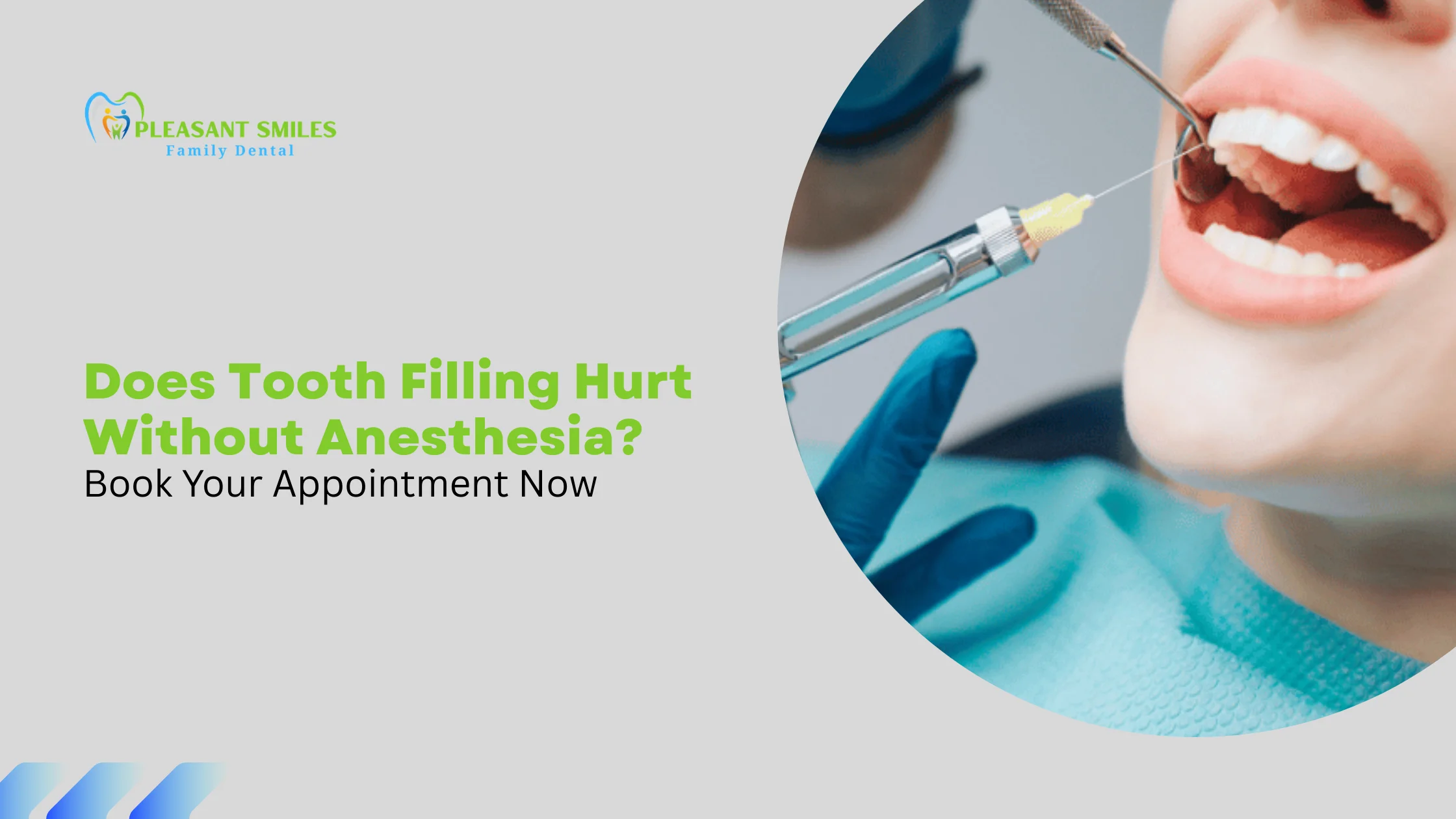
One of the most common questions patients ask before booking an appointment is simple and completely understandable: does tooth filling hurt without anesthesia? For many people, the worry isn’t the filling itself — it’s the fear of unexpected pain. Dental anxiety often comes from not knowing what to expect.
After more than a decade in clinical practice, I’ve seen firsthand how much modern dentistry has changed. Today’s techniques, materials, and numbing methods are designed with patient comfort in mind. In very small cavities, some patients may feel only mild sensitivity even without anesthesia.
However, when decay extends deeper toward the inner layers of the tooth, numbing is usually recommended to ensure the procedure remains comfortable. The determining factor is not the act of placing a filling — it’s how close the decay is to the nerve inside the tooth.
When patients understand how the procedure works and why anesthesia is sometimes necessary, much of the fear tends to fade. Clear information replaces uncertainty, and that makes a significant difference in how treatment feels.
What is Dental Filling?
A dental filling is a restorative procedure used to repair a tooth damaged by decay (cavities), minor fractures, or wear. When bacteria break down tooth enamel and dentin, they create a cavity. If left untreated, decay can progress toward the pulp (the nerve tissue inside the tooth).
During a filling, the decayed portion of the tooth is removed, the area is cleaned, and a restorative material — most commonly composite resin (tooth-colored filling) — is placed to restore shape and function. The goal is to stop decay, protect the nerve, and preserve the natural tooth structure.
What Happens During a Tooth Filling Procedure
A tooth filling is one of the most routine procedures in dentistry, and in most cases, it’s completed comfortably in a single visit. Knowing each step ahead of time can make the experience feel far less intimidating. Here’s how the process typically unfolds:
- Initial Evaluation: Your dentist examines the tooth, often using digital X-rays, to determine how far the decay has progressed and whether anesthesia is necessary.
- Comfort & Isolation: If numbing is required, a local anesthetic is gently administered. The tooth is then isolated with specialized materials to keep the area clean and dry throughout the procedure.
- Decay Removal: Using precise dental instruments, the dentist carefully removes the decayed portion of the tooth. This step is conservative — only the damaged structure is taken away, preserving as much healthy enamel as possible.
- Cavity Preparation & Cleaning: Once the decay is removed, the space is thoroughly cleaned to eliminate bacteria and debris. This step is critical for preventing future infection beneath the filling.
- Placement of the Filling Material: The selected restorative material (such as composite resin) is placed into the prepared area. It’s carefully shaped to match your natural tooth structure.
- Shaping, Hardening & Polishing: The filling is hardened (if needed), adjusted to ensure your bite feels normal, and polished for a smooth, natural finish.
Why Anesthesia is Usually Used for Tooth Filling
Local anesthesia plays an important role in making restorative dental care comfortable and predictable. Its purpose is simple: to temporarily block pain signals from the treated tooth so you don’t feel discomfort while decay is being removed.
Although some tiny cavities may cause only minor sensitivity, many fillings involve working beyond the outer enamel layer. Once treatment reaches dentin — the softer layer beneath enamel—the tooth becomes significantly more responsive to temperature, pressure, and vibration. In these situations, numbing ensures the procedure remains comfortable from start to finish.
Beyond pain control, anesthesia offers additional benefits:
- Blocking Nerve Sensation: It temporarily interrupts pain signals from the tooth’s nerve, allowing decay to be removed without sharp discomfort.
- Improving Patient Comfort: Even mild sensitivity can cause a patient to tense up. Numbing the area allows you to stay relaxed throughout the appointment.
- Enhancing Precision: When a patient isn’t bracing for pain, they’re less likely to move unexpectedly. This helps the dentist work more efficiently and accurately.
- Reducing Anxiety: For many people, simply knowing they won’t feel pain significantly lowers stress levels before and during treatment.
Types of Anesthesia Used for Tooth Fillings
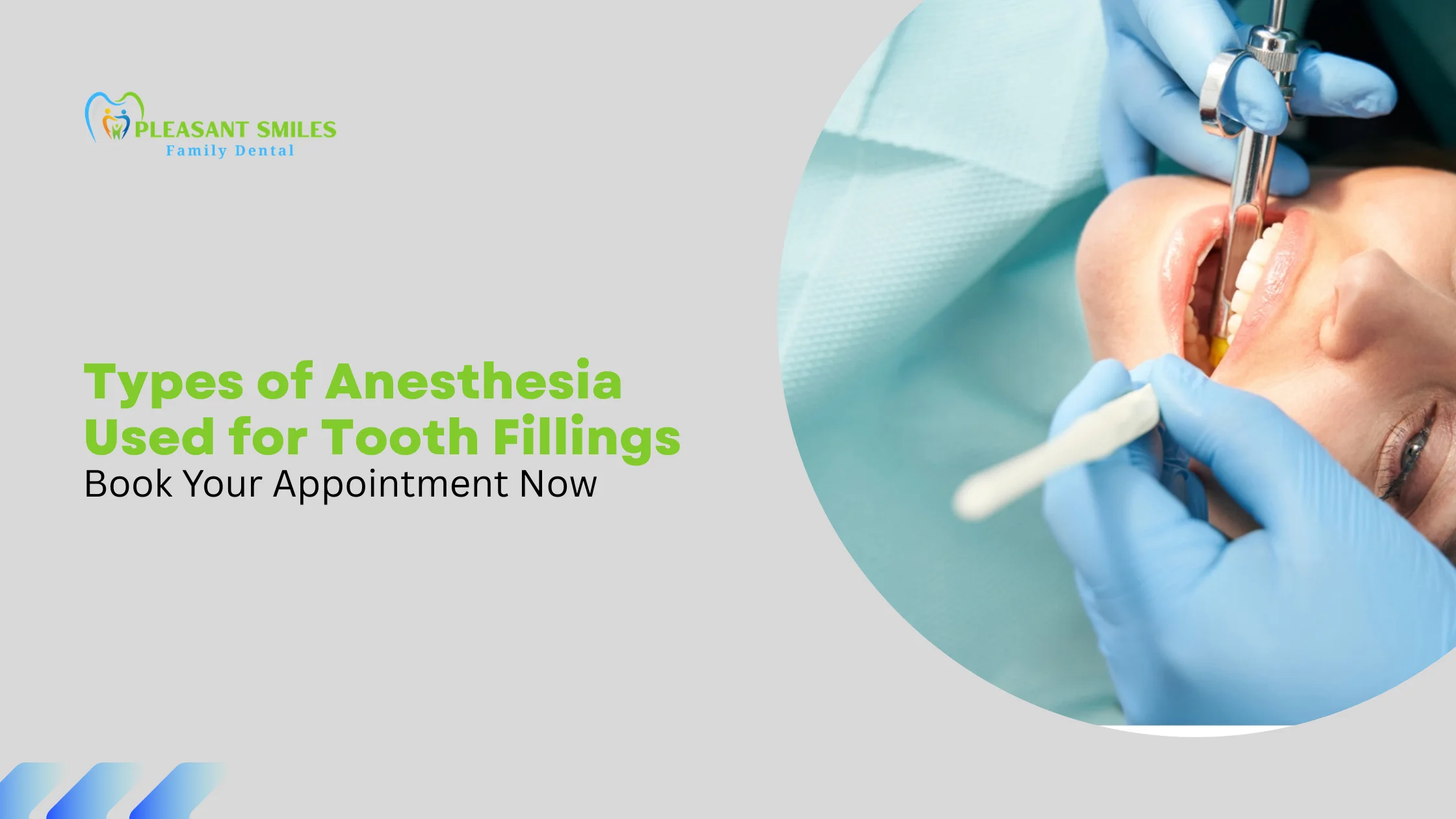
The type of anesthesia used during a filling depends on the depth of the cavity, your comfort level, and your individual needs. In most cases, treatment is simple and requires only minimal numbing.
Local Anesthesia
This is the most commonly used method for fillings. A small amount of anesthetic is injected near the treated tooth to temporarily numb the surrounding area. You remain fully awake and aware, but the tooth being treated will not feel pain.
Topical Numbing Gel
Before the local anesthetic is administered, a surface numbing gel is typically applied to the gum tissue. This helps reduce the sensation of the injection itself and makes the process more comfortable.
Nitrous Oxide (Laughing Gas)
For patients who feel nervous about dental treatment, nitrous oxide may be offered. It’s inhaled through a small mask and creates a calm, relaxed feeling while allowing you to stay responsive. Its effects wear off quickly once the mask is removed.
Oral Sedation (In Select Cases)
For individuals with higher levels of anxiety or strong dental fear, a prescribed oral medication may be used to promote deeper relaxation during the appointment.
Does a Filling Hurt Without Anesthesia?
The honest answer isn’t a simple yes or no — it depends on two main factors: the depth of the cavity and your individual sensitivity. Every tooth has layers. The outer enamel is the hardest and least sensitive part.
Beneath it lies dentin, which contains tiny tubules connected to the nerve. At the center is the pulp, where the nerve resides. How close the decay gets to these inner layers largely determines what you’ll feel.
Here’s how it typically breaks down:
- When decay is limited to enamel: You may feel vibration, light pressure, or mild awareness of the instruments—but not sharp pain. Many patients tolerate small enamel-only fillings without numbing.
- When decay reaches dentin: Sensitivity increases. Because dentin communicates more directly with the nerve, you may experience brief, sharp sensations while the decayed area is being removed.
- When decay approaches the nerve (pulp): Treatment without anesthesia can become genuinely uncomfortable. In these cases, numbing is strongly recommended to prevent significant pain.
It’s also important to understand that discomfort, when it occurs, is not constant throughout the procedure. It usually happens only during the removal of decay near sensitive layers. Once that portion is complete, the remaining steps — cleaning, placing, shaping, and polishing — are typically much more comfortable.
That said, even short bursts of sensitivity can feel intense. For that reason, most patients choose anesthesia — not because fillings are unbearable, but because added comfort makes the entire experience smoother and less stressful.
Can Fillings Be Done Without Injections?
Yes — in certain situations, fillings can be completed without injections. The key is proper case selection. When a cavity is tiny and confined to the outer enamel layer, there may be little to no sensitivity during treatment.
In these cases, some patients choose to proceed without local anesthesia, especially if they prefer to avoid needles or lingering numbness afterward. If the clinical evaluation shows that the decay is shallow and the tooth is not already sensitive, this approach can be entirely appropriate.
That said, comfort is never something we compromise. If at any point during the procedure you begin to feel discomfort, local anesthesia can be administered right away. The goal is not simply to complete the filling—it’s to do so in a way that feels calm, controlled, and comfortable. Patient safety and well-being always come first.
What Patients Might Feel Without Anesthesia
When a filling is performed without anesthesia, the sensations can vary depending on the depth of the cavity and individual sensitivity. Common experiences include:
- Pressure from dental instruments: Even without pain, you may feel the dentist working on your tooth.
- Vibration from the handpiece: The drill or other instruments can create noticeable vibrations.
- Sharp sensitivity when decay is near dentin: As dentin is more connected to the nerve, removing decay in this layer can trigger brief, sharp sensations.
- Brief pain if decay is close to the pulp (nerve): The closer the procedure gets to the nerve, the more uncomfortable it may feel without numbing.
It’s important to note that these sensations are temporary and usually occur only during specific steps of the treatment. Some patients tolerate them quite well, while others may feel discomfort more quickly. This is why dentists carefully assess each case and adjust anesthesia options to ensure a safe and comfortable experience.
Common Risks of Filling Without Anesthesia
While having a filling without anesthesia is generally safe for small cavities, there are practical considerations that patients should be aware of:
- Sudden discomfort: Without numbing, unexpected sensitivity can cause you to flinch or move involuntarily, which may make treatment more challenging.
- Increased anxiety: Feeling even mild discomfort can heighten stress during the procedure, making the experience less comfortable overall.
- Interruption of treatment: If discomfort becomes too intense, the dentist may need to pause and administer anesthesia, which can extend the appointment.
- Limitations for deeper cavities: For moderate to large cavities or decay close to the nerve, proceeding without anesthesia may not be realistic or safe.
In consultation with your dentist, you can ultimately decide whether to skip anesthesia, taking into account factors such as comfort, safety, and the specifics of the cavity. Often, a short period of mild sensation may be manageable, but deeper or more sensitive teeth generally benefit from numbing for a smoother and stress-free experience.
How Modern Dentistry Reduces Discomfort
Modern dentistry has transformed the experience of getting a filling. What was once a procedure many feared is now designed to be as comfortable and efficient as possible. Advances in technology and technique focus on minimizing pain, preserving tooth structure, and keeping patients relaxed throughout treatment.
Some of the key ways modern dentistry reduces discomfort include:
- Precision instruments: High-speed, vibration-controlled handpieces allow dentists to remove decay accurately with minimal pressure and trauma to surrounding tissue.
- Conservative materials: Tooth-colored filling materials bond effectively to the natural tooth, allowing dentists to preserve more healthy enamel and dentin.
- Enhanced anesthesia techniques: Local numbing agents now work faster and last longer, ensuring comfort during even deeper procedures.
- Patient-centered care: Dentists use clear communication, step-by-step explanations, and a calm pacing of treatment to reduce anxiety and make patients feel at ease.
Today, patient comfort is never an afterthought — it’s a core part of every treatment plan. By combining technology, technique, and empathy, dental care is now safer, faster, and far more comfortable than in the past.
Tips for a Comfortable Filling Experience
There are several ways patients can make a tooth filling appointment more comfortable and stress-free. Preparing ahead and communicating openly with your dentist can significantly improve the experience.
Talk Openly About Anxiety
Let your dentist know if you feel nervous. Sharing your concerns allows them to tailor the approach, offer reassurance, and suggest relaxation techniques.
Ask About Numbing Options
Discuss anesthesia choices before the procedure so you know exactly what to expect. This helps prevent surprises and ensures your comfort.
Limit Stimulants
Avoid caffeine or energy drinks before your appointment, as they can increase jitteriness or sensitivity to stress.
Follow Post-Treatment Care
Proper aftercare, including oral hygiene and dietary recommendations, reduces discomfort and promotes faster healing.
Maintain Clear Communication
Don’t hesitate to ask questions or signal any discomfort during treatment. Dentists can adjust their technique, pace, or anesthesia as needed.
By taking these steps, patients can feel more relaxed, confident, and in control, making the filling process smoother and much more manageable.
Why Choosing the Right Dentist Matters in Cheshire
The comfort and success of a tooth filling often depend as much on the dentist as on the procedure itself. Skillful technique, attention to detail, and clear communication can make the difference between a stressful visit and a smooth, pain-free experience.
In Cheshire, patients benefit from dental practices that prioritize both clinical precision and patient comfort. Pleasant Smiles Family Dental focuses on preserving natural tooth structure while ensuring the procedure is as gentle and efficient as possible. Under the guidance of Dr. Vijitha Bandla, minimally invasive techniques are used, and patients are kept informed throughout every step, helping to reduce anxiety and build confidence.
Choosing the right dentist isn’t just about technical ability — it’s about selecting a provider who understands your comfort, communicates clearly, and creates a calm, reassuring environment. This thoughtful approach makes every dental visit easier and more predictable.
Conclusion
So, does a tooth filling hurt without anesthesia? The answer depends on the size and depth of the cavity. For minimal, superficial cavities, discomfort is often minimal. However, when decay reaches deeper layers of the tooth, treatment without numbing can become uncomfortable. While anesthesia isn’t always required, it is commonly recommended to ensure predictable comfort throughout the procedure.
The most important factor is personalized care. A thorough examination helps determine whether anesthesia is necessary, and open communication ensures patients feel informed, prepared, and at ease.
Modern dental techniques, combined with careful planning, make fillings far more comfortable than many expect. When performed thoughtfully, tooth fillings are typically straightforward, safe, and well tolerated, leaving patients with restored teeth and confidence in their oral health.