

Teeth Whitening in Cheshire CT: Find Your Best Option

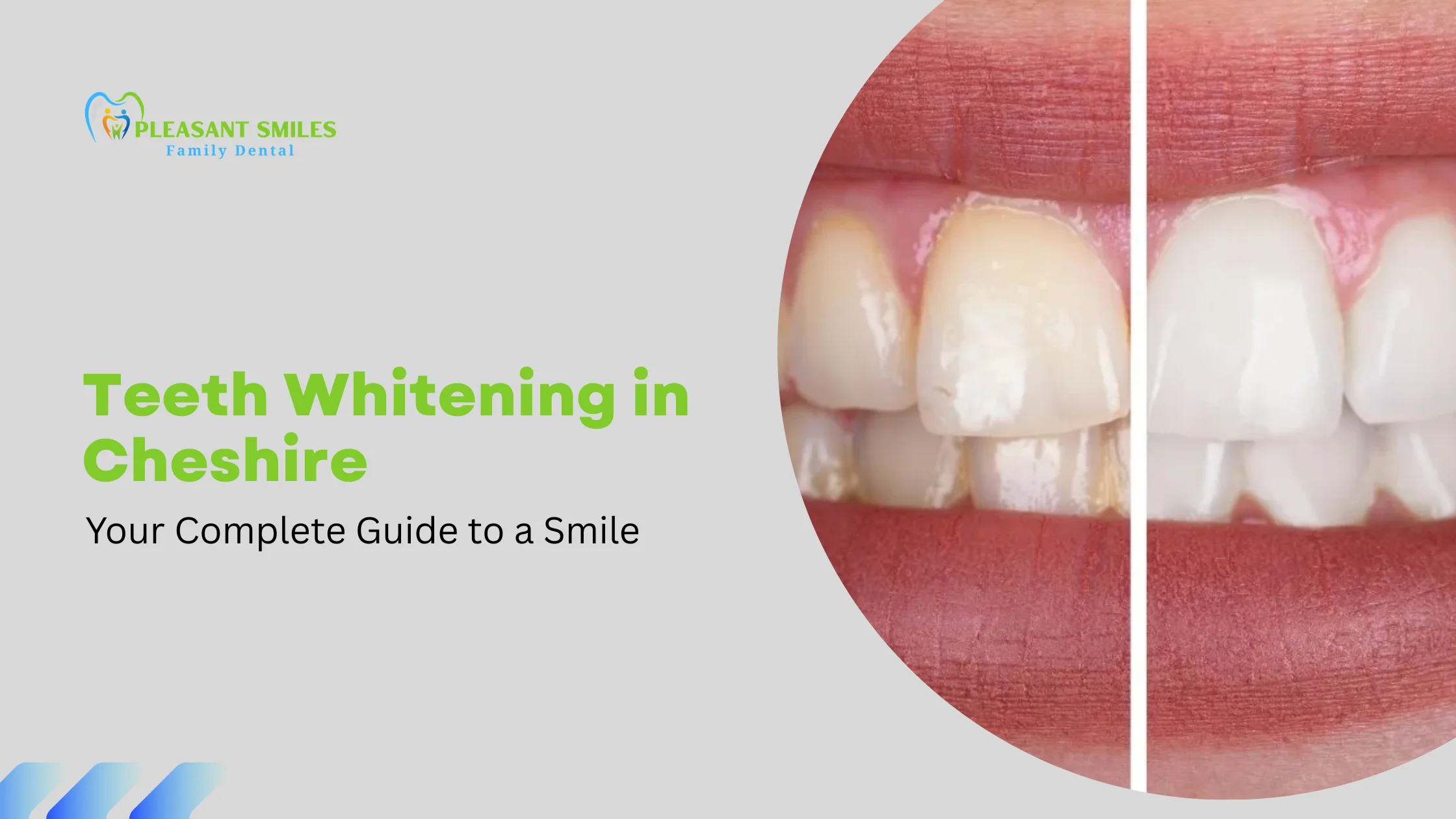
Coffee, tea, and other deeply colored foods and drinks can gradually stain your teeth, even when you brush regularly. If your smile looks more yellow or dull than it used to, professional teeth whitening may help restore a brighter appearance. The right approach depends on what’s causing the discoloration, how sensitive your teeth are, and the results you want to achieve.

At Pleasant Smiles Family Dental, Dr. Vijitha Bandla evaluates your teeth and gums before recommending a whitening option. This matters because whitening works on natural teeth, but it won’t change the color of crowns, veneers, or fillings. An examination can also help identify issues that may need attention before treatment, such as cavities or gum problems.

If you’re considering teeth whitening in Cheshire, CT, this guide explains the differences between in-office whitening and custom take-home trays, what can affect treatment costs, and how to care for your smile afterward. You’ll also learn what whitening can realistically achieve and when another cosmetic treatment may be a better fit.

Why Choose Professional Teeth Whitening Over Store-Bought Kits

Over-the-counter whitening strips, gels, and toothpastes can be useful for mild discoloration, but they don’t all work the same way. Whitening toothpastes mainly help remove surface stains through polishing ingredients, while whitening strips use bleaching agents to change the color of natural teeth. The results depend on the product, how consistently you use it, and the type of staining you’re trying to address.

Professional teeth whitening offers a more individualized approach. Before recommending treatment, a dentist can check whether the discoloration comes from coffee, tea, or other surface stains, or from changes within the tooth. This distinction matters because some types of discoloration respond better to whitening than others. A dental examination can also identify cavities, gum irritation, or existing restorations that may affect your treatment plan.

Another important difference is how the whitening treatment is selected and applied. A dentist can recommend an appropriate whitening product, explain how to use it, and help reduce the risk of gum irritation or excessive tooth sensitivity. Store-bought products can also be effective when used as directed, but they may not be the right choice for every patient, especially when teeth are already sensitive or restorations are visible.

For anyone considering professional teeth whitening in Cheshire, CT, the best option depends on your current tooth color, oral health, and expectations. A dental consultation can help you understand which approach is suitable for your smile and what kind of improvement is realistic.

What Happens During In-Office Teeth Whitening?

If you want to brighten your smile in a single appointment, in-office teeth whitening may be a suitable option. Before treatment, Dr. Vijitha Bandla examines your teeth and gums to check for cavities, gum inflammation, or sensitivity that may need attention.

Here’s what you can expect during your appointment:

  1. Gum protection: Your gums and soft tissues are covered to help prevent irritation.
  2. Whitening gel: A professional whitening gel is applied to the surfaces of your teeth.
  3. Treatment process: The gel is left on for a set period and may be reapplied. Some whitening systems use a specialized light, while others do not.
  4. Shade assessment: Your dentist checks the results and discusses any sensitivity you experience.

In-office whitening can produce noticeable results in one appointment, although the degree of whitening varies depending on your natural tooth color and the type of stains. It also changes the color of natural teeth, not crowns, veneers, or fillings.

After treatment, your dentist may recommend a toothpaste for sensitivity and ways to maintain your results. If you’re considering teeth whitening in Cheshire, CT, a consultation can help you understand which option suits your teeth and what results to expect.

Take-Home Teeth Whitening: Brighten Your Smile at Home

If you’d rather whiten your teeth gradually at home, custom take-home trays may be a good fit. Your dentist creates trays that fit your teeth and provides professional whitening gel with instructions for use. The custom fit helps distribute the gel across your teeth while limiting contact with your gums.

Here’s how it works:

  • Custom fitting: Your dentist takes impressions or scans of your teeth to make your trays.
  • Whitening gel: You receive the recommended gel and instructions.
  • Daily use: Wear the trays for the prescribed time, following your dentist’s schedule.

Treatment may take days to a few weeks, depending on the whitening product and your teeth’s starting shade. You’ll see the change gradually, but avoid wearing the trays longer than recommended to speed up results.

Take-home trays offer flexibility, but they may not suit everyone, especially if you already have sensitive teeth or gum problems. Dr. Vijitha Bandla can help you compare this option with in-office whitening and choose an approach that fits your needs.

Is Professional Teeth Whitening Right for You?

Professional teeth whitening can help lighten stains caused by coffee, tea, and other foods and drinks. However, the results depend on the type of discoloration and the condition of your teeth. Whitening works on natural teeth, so crowns, veneers, and fillings won’t change color along with them.

You may need to address certain dental concerns before whitening, including:

  • Untreated cavities: These may need treatment first.
  • Gum disease: Inflamed gums should be evaluated before whitening.
  • Sensitive teeth: Whitening may worsen existing sensitivity.
  • Visible restorations: Crowns, veneers, and fillings won’t whiten like natural teeth.

During a consultation, Dr. Vijitha Bandla can examine your teeth and gums to determine whether whitening is suitable for you. If your goal is to change the shape of a tooth, close a small gap, or improve the appearance of existing restorations, alternatives such as dental veneers or dental bonding may be worth discussing. The right choice depends on your oral health and the changes you’d like to make to your smile.

How Much Does Teeth Whitening Cost in Cheshire, CT?

Professional teeth whitening in Cheshire can cost around $400 to $1,000, depending on the treatment. In-office whitening and custom take-home trays have different costs, so it helps to compare both options before deciding. Treat this range as an estimate, as actual fees can vary by dental practice and whitening system.

One thing worth checking before booking is whether the quoted price includes the consultation and any follow-up care. Whitening is considered cosmetic in most cases, which means dental insurance typically doesn’t cover it. If cost is a concern, ask about payment options before starting treatment rather than assuming your plan will cover the procedure.

At Pleasant Smiles Family Dental, Dr. Vijitha Bandla can discuss the available whitening options and explain the expected cost for your situation. You can also ask the team about current payment arrangements and whether any discounts are available. If you have questions about Husky coverage, check the practice’s Husky insurance information rather than assuming cosmetic whitening is covered.

How to Maintain Your Brighter Smile

After investing in your new smile, maintenance is key to keeping it radiant. Here’s how to protect your results:

  • Avoid staining foods and drinks (coffee, tea, red wine) for at least 48–72 hours after whitening.
  • Use a straw for dark beverages to limit contact with your teeth.
  • Rinse your mouth or brush after consuming foods that may stain.
  • Schedule touch-up whitening sessions every 6–18 months, depending on your habits.
  • Brush twice daily with a whitening toothpaste and keep up with regular dental cleanings.

Dr. Bandla also recommends avoiding tobacco and considering a professional touch-up every year for consistently bright results.

Is Teeth Whitening Safe?

Yes, professional teeth whitening is generally safe when the treatment is appropriate for your teeth and gums. That doesn’t mean everyone will have the same experience, though. Some people notice temporary sensitivity or mild gum irritation after whitening.

Before treatment, Dr. Vijitha Bandla can check for cavities, gum inflammation, and existing sensitivity. These issues may need attention before whitening begins. The type of discoloration also matters because not every stain responds equally well to bleaching.

If your teeth feel sensitive afterward, try to avoid very hot or cold foods and drinks until the discomfort settles. A desensitizing toothpaste may help, but contact your dentist if the sensitivity persists or becomes uncomfortable.

The goal isn’t simply to make teeth look whiter. It’s to choose an approach that suits your oral health and gives you a result you feel comfortable with.

Why Choose Pleasant Smiles Family Dental for Teeth Whitening?

Getting your teeth whitened isn’t just about choosing a brighter shade. You also want to know what’s suitable for your teeth, whether you might experience sensitivity, and what kind of results you can realistically expect. At Pleasant Smiles Family Dental in Cheshire, CT, Dr. Vijitha Bandla helps patients work through these questions before treatment begins.

Some patients want to lift stains from years of drinking coffee or tea, while others are concerned that their teeth look uneven in color. These concerns can call for different approaches. During your consultation, Dr. Bandla can assess your teeth, discuss your goals, and explain whether professional whitening is likely to help.

It’s also worth discussing existing crowns, fillings, or veneers, since these won’t whiten like natural teeth. Understanding this beforehand can help you avoid an uneven result and decide whether another cosmetic option makes more sense.

You’ll also receive guidance on caring for your teeth after whitening, including what to do if sensitivity develops. The aim is to help you choose a treatment that suits your smile and understand what to expect, without pressure to pursue a particular cosmetic result.

How to Keep Your Smile Bright After Teeth Whitening

Your teeth won’t stay the same shade forever after whitening, and that’s normal. Coffee, tea, red wine, and tobacco can cause new stains over time. You don’t have to give up your favorite drinks, but rinsing with water afterward and avoiding tobacco can help limit discoloration.

Daily care matters, too. Brush twice a day with fluoride toothpaste, clean between your teeth, and keep up with regular dental cleanings. These habits help maintain your oral health and remove surface stains before they build up. If you experience sensitivity after whitening, ask your dentist which toothpaste is suitable for you.

You may eventually notice your teeth becoming darker again, especially if stain-causing habits continue. Ask Dr. Vijitha Bandla whether a whitening touch-up is appropriate for you and how often it may be needed. The goal is to maintain a healthy smile while keeping any additional whitening suited to your teeth and gums.

Final Thoughts

A brighter smile starts with understanding what’s causing the discoloration and choosing a whitening method that suits your teeth. Coffee and tea stains may respond well to whitening, but existing dental work and certain types of discoloration may need a different approach. Knowing what to expect can help you make a choice that feels right for your smile.

Professional whitening can be a useful option, but maintaining your results also depends on everyday habits, from brushing with fluoride toothpaste to keeping up with regular dental visits. If you’re unsure whether whitening is suitable for you, Dr. Vijitha Bandla at Pleasant Smiles Family Dental can help you understand your options.

If you’re considering teeth whitening in Cheshire, CT, discussing your goals with a dentist is a good place to start. You’ll have a clearer idea of the likely results, the available treatments, and how to care for your smile afterward.

Teeth Whitening in Cheshire FAQs

1. How long does professional teeth whitening last?

Professional teeth whitening can last several months to a few years, depending on your diet, oral hygiene, and habits. Frequent coffee, tea, red wine, and tobacco use can cause new stains to develop sooner. Regular dental cleanings and following your dentist’s aftercare instructions can help maintain your results.

2. Can yellow teeth become white again?

Many yellow teeth can become noticeably lighter with professional whitening, particularly when the discoloration comes from coffee, tea, tobacco, or natural aging. However, results depend on the cause of the staining. Discoloration inside a tooth or stains caused by certain medications may not respond as well to traditional whitening.

3. Can I whiten my teeth if I have crowns, veneers, or fillings?

You can often whiten your natural teeth if you have crowns, veneers, or fillings, but the restorations themselves will not become lighter. This can create a noticeable difference between your natural teeth and existing dental work. Your dentist can assess your smile and help you decide whether whitening or another cosmetic treatment is the better option.

4. Is professional teeth whitening covered by dental insurance?

Most dental insurance plans do not cover teeth whitening because it is considered a cosmetic procedure rather than medically necessary dental care. Coverage depends on your individual plan, so check with your insurance provider before scheduling treatment. Patients considering whitening at Pleasant Smiles Family Dental can ask the team about the expected cost and available payment arrangements.

5. How often can you get your teeth professionally whitened?

There is no single whitening schedule that is right for everyone. How often you can repeat treatment depends on your tooth sensitivity, oral health, the whitening product used, and how much your teeth have darkened. Ask your dentist before scheduling another session or using additional whitening products between treatments.
Nighttime Teeth Grinding Could Be Damaging Your Smile

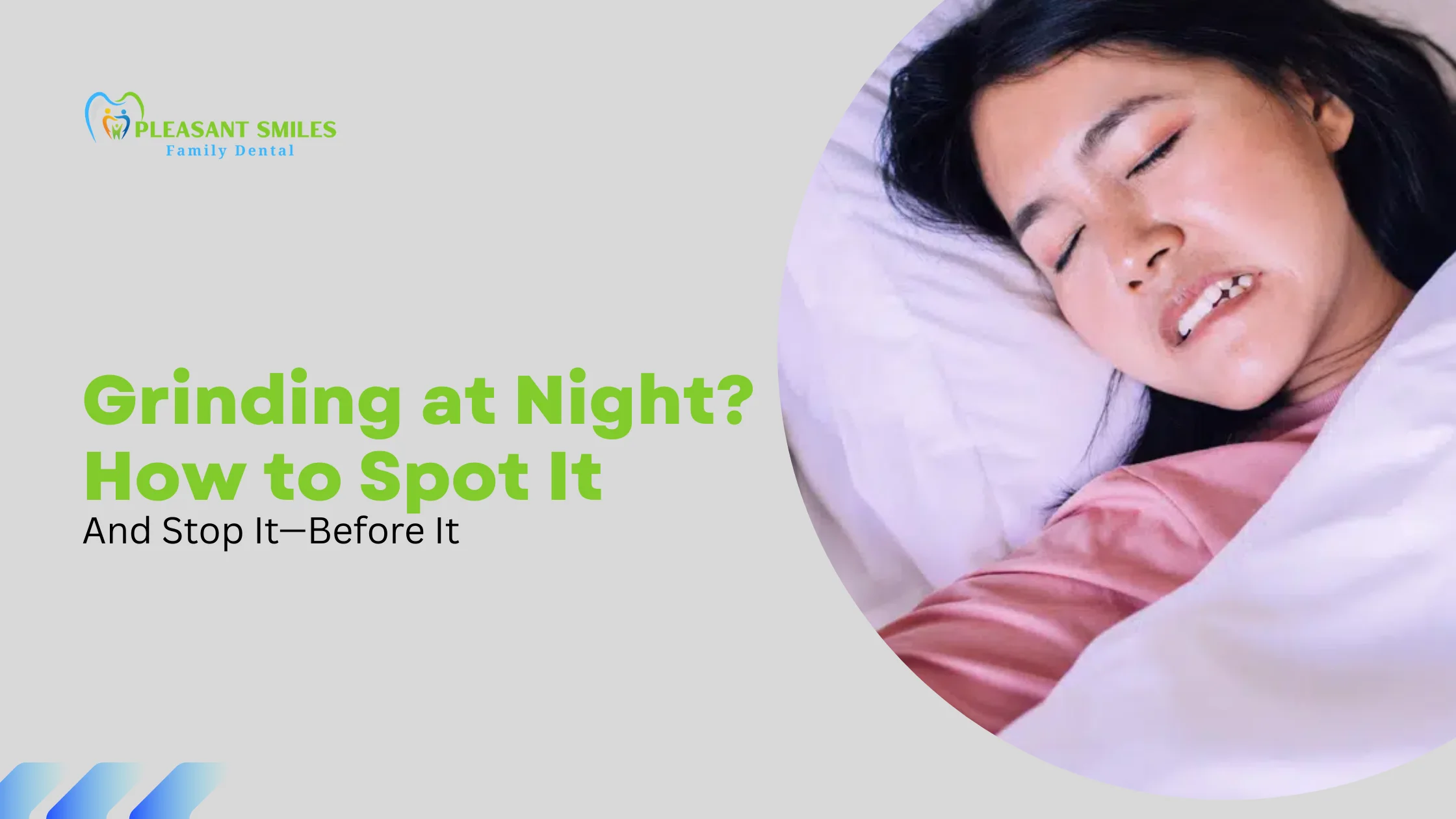
Do you wake up with a sore jaw, morning headaches, or sensitive teeth? These symptoms may be signs of nighttime teeth grinding, also known as bruxism. It happens when you clench or grind your teeth while sleeping, often without realizing it. Over time, repeated grinding can wear down tooth enamel, cause chips or cracks, and leave your jaw feeling sore or tense.

One of the challenges with nighttime teeth grinding is that you may not know it’s happening until you notice the symptoms. You might wake up with jaw discomfort, experience increased tooth sensitivity, or have a partner who hears grinding sounds while you sleep.

At Pleasant Smiles Family Dental, Dr. Vijitha Bandla and her team help patients recognize the signs of bruxism and understand their treatment options. In this article, we’ll explore what causes nighttime teeth grinding, how to recognize the warning signs, and which steps can help protect your teeth and improve your comfort.

What is Teeth Grinding (Bruxism)?

Teeth grinding is also known as bruxism and is the involuntary clenching or grinding of the teeth, usually during sleep. It’s pretty common, both adults and children. Some people grind their teeth occasionally with no long term effects, but chronic grinding can damage teeth, cause jaw pain and disrupt sleep.

Bruxism is not always due to bad oral habits, it can be due to stress, sleep disorders or even bite misalignments. Know the early signs to prevent bigger dental problems. With Dr. Vijitha Bandla you can save your teeth before it’s too late.

Signs of Teeth Grinding at Night

You can’t catch nighttime teeth grinding because it happens when you’re asleep but your body leaves clues. Knowing these signs can help you act before damage is done.

  • Sore Jaw or Headaches: Many people wake up with a sore jaw or tension headaches. This is often the first sign that grinding or clenching is happening at night.
  • Tooth Sensitivity: Grinding wears down enamel over time making your teeth more sensitive to hot, cold or sweet foods.
  • Visible Wear or Chipping: Look for flat, chipped or worn down teeth—these are the signs of repeated grinding.
  • Partner Observations: Sometimes your partner will hear the grinding or clicking at night before you even realize there’s a problem.
  • Facial or Ear Pain: Chronic pressure from clenching can radiate into your cheeks, temples or ears and cause discomfort during the day.

Dr. Vijitha Bandla at Pleasant Smiles Family Dental. Your dentist can spot bruxism before you do. Timely intervention can save your teeth and prevent long term damage.

Common Causes of Nighttime Teeth Grinding

Knowing the reasons behind nighttime teeth grinding (bruxism) is key to managing it and protecting your smile.

  • Stress and Anxiety: One of the most common triggers, stress can cause you to clench your jaw or grind your teeth in your sleep. Your mind is restless and your body reacts physically without you even realizing it.
  • Sleep Disorders: Sleep apnea or frequent wakings can increase the likelihood of bruxism. Disturbed sleep patterns can cause you to grind your teeth as your body tries to release tension.
  • Lifestyle: Some habits can cause you to grind at night. Caffeine or alcohol consumption and some medications can make your jaw more prone to clenching at night.
  • Dental Issues: Misaligned teeth, uneven bites or missing teeth can put extra pressure on your jaw and make your body grind your teeth as it tries to find a comfortable alignment.

At Pleasant Smiles Family Dental, Dr. Vijitha Bandla takes a holistic approach. She looks at your dental structure, lifestyle and sleep habits to find the root cause of your bruxism. Then she can recommend solutions, from nightguards to lifestyle changes, to keep your teeth healthy and protected and improve overall comfort and sleep.

How to Prevent and Manage Nighttime Teeth Grinding

The good news is that bruxism is manageable with proactive measures.

Professional Solutions

  • Custom-Fit Mouthguards: A nightguard protects teeth from damage by creating a cushion between the upper and lower teeth.
  • Dental Adjustments: Minor reshaping or bite alignment can reduce grinding triggers.
  • Botox Treatments: For severe cases, Botox injections may help relax jaw muscles and reduce grinding intensity.

Lifestyle Adjustments

  • Stress Management: Techniques like meditation, yoga, and deep breathing exercises can lower tension that contributes to grinding.
  • Bedtime Routine: Establishing a calming routine before bed promotes better sleep and reduces nighttime clenching.
  • Limit Stimulants: Cutting back on caffeine or alcohol in the evening can decrease the likelihood of bruxism.

Dr. Vijitha Bandla often combines these strategies with personalized dental solutions to create a treatment plan tailored to each patient’s needs.

When to Consult a Dentist

If you regularly wake up with jaw pain, morning headaches, or tooth sensitivity, it may be time to see a dentist. Worn, chipped, or cracked teeth can also be signs of nighttime teeth grinding. Even if you’re unsure whether you grind your teeth while sleeping, a dental evaluation can help identify potential problems before further damage occurs.

At Pleasant Smiles Family Dental, Dr. Vijitha Bandla can examine your teeth, bite, and jaw muscles for signs of bruxism. She’ll also ask about your symptoms, sleep habits, and any discomfort you experience in the morning to better understand your situation and determine whether treatment may help.

Depending on your symptoms and the extent of tooth wear, treatment may include a custom night guard to protect your teeth while you sleep, along with practical strategies to manage contributing factors such as stress. Addressing nighttime teeth grinding early can help reduce the risk of further tooth damage and the need for more extensive dental treatment later.

If you suspect you grind your teeth at night, schedule a dental appointment to discuss your symptoms and explore the right options for protecting your teeth and maintaining your oral health.

Conclusion

Nighttime teeth grinding can be easy to overlook, especially when it happens while you’re asleep. However, repeated grinding may wear down tooth enamel, damage teeth, and cause jaw pain or morning headaches. Recognizing the signs early and seeking dental advice can help you protect your teeth and prevent further damage.

At Pleasant Smiles Family Dental, Dr. Vijitha Bandla and her team can assess the signs of bruxism and recommend care based on your needs. Depending on the cause and severity, treatment may include a custom night guard to protect your teeth, along with practical steps to manage contributing factors such as stress or sleep difficulties.

If you frequently wake up with jaw soreness, headaches, or sensitive teeth, don’t ignore these symptoms. Schedule an appointment to discuss your concerns and explore ways to protect your smile.

Frequently Asked Questions

1. Why do people grind their teeth in their sleep?

People grind their teeth during sleep due to factors such as stress, anxiety, sleep disorders, and certain medications. This condition, called sleep bruxism, can also be associated with caffeine, alcohol, and smoking. The exact cause varies from person to person.

2. How do you know if you grind your teeth?

You may grind your teeth if you experience jaw pain, morning headaches, tooth sensitivity, or worn or chipped teeth. A dentist can identify signs of teeth grinding during a dental examination, even if you don’t notice symptoms yourself.

3. How do you know if you grind your teeth at night?

You may grind your teeth at night if someone hears grinding sounds while you sleep or you wake up with a sore jaw, headaches, or sensitive teeth. A dentist can check for enamel wear, tooth damage, and jaw muscle tenderness to help determine whether you grind your teeth at night.

4. Why do people grind their teeth in their sleep?

People grind their teeth during sleep due to factors such as stress, anxiety, sleep disturbances, and certain medications. This condition, called sleep bruxism, can also be associated with caffeine, alcohol, and smoking. The exact cause varies from person to person.

5. Can teeth grinding cause headaches and jaw pain?

Yes, teeth grinding can cause headaches, jaw pain, and soreness in the muscles around the jaw. Repeated clenching puts pressure on the jaw muscles and teeth, which may lead to discomfort when you wake up. Frequent grinding can also cause tooth sensitivity, worn enamel, and chipped teeth.

6. How can a dentist tell if you grind your teeth?

A dentist can identify teeth grinding by checking for worn enamel, flattened or chipped teeth, tooth sensitivity, and tenderness in the jaw muscles. They may also ask about morning headaches, jaw pain, and grinding sounds during sleep. These signs help the dentist assess whether you have bruxism and recommend appropriate treatment.

No Insurance? No Worries: Pleasant Smiles Family Dental Has You Covered

You’ve put off visiting the dentist because you don’t have insurance? You’re not alone. Many families skip checkups or delay needed treatment because of cost. And waiting only leads to bigger problems: more pain, more complicated treatment and higher bills down the line.

At Pleasant Smiles Family Dental, we believe dental care should never feel out of reach. That’s why Dr. Vijitha Bandla and our caring team in Cheshire, CT are committed to making dentistry affordable, even if you don’t carry insurance. With special discounts, transparent pricing, and flexible payment options, we’ve built solutions for patients just like you so you can protect your smile without financial stress.

Why Dental Coverage Isn’t the Only Path to Great Care

Insurance can be good, but it’s not the only way. Many plans have limits, exclusions and waiting periods, and patients still pay out of pocket.

For those without insurance, the good news is that a trusted dental office can offer affordable options outside of the insurance model. At Pleasant Smiles Family Dental, we provide straightforward pricing and discounts for uninsured patients, so you always know what to expect before treatment begins. Whether it’s a routine cleaning or a more advanced procedure, we’ll make sure you get the care you need at a cost you can manage.

By focusing on preventive care and catching small issues early, many of our uninsured patients save money compared to those who delay visits because they feel insurance is required. The truth is, you don’t need insurance to protect your smile — you need a dental team that truly cares about making treatment possible.

Pleasant Smiles Family Dental No-Insurance Plan: What It Offers

If you don’t have dental insurance, Pleasant Smiles Family Dental has you covered. We’ve created an approach designed to ease the financial worry while still delivering the same high-quality care our insured patients receive.

Here’s what you can expect:

  • Discounted Rates: Patients without insurance receive special pricing on preventive checkups, cleanings, fillings, and more.
  • Comprehensive Care: From preventive services to emergency visits and cosmetic procedures, every treatment is available to you at a reduced cost.
  • Transparent Costs: We’ll walk you through the total cost before treatment begins — no hidden fees or surprise bills.
  • Tailored Options: Whether you need just a cleaning or a full treatment plan, Dr. Bandla will work with you to design care that fits your needs and budget.

Our goal is simple: to remove financial barriers so you never have to choose between your health and your wallet.

Payment Options & Flexible Pricing

We know everyone’s financial situation is different, which is why Pleasant Smiles Family Dental offers flexible ways to manage your dental expenses.

  • In-Office Payment Plans: Spread payments over time with zero- or low-interest options.
  • Pay-in-Full Discounts: Save more when you pay upfront for your treatment.
  • Phased Treatment Plans: Break big procedures into smaller, manageable steps without compromising on quality.

Our team will sit down with you, review your treatment plan, and help you choose the payment solution that makes the most sense. We believe affordability should come with clarity — you’ll always know exactly what to expect.

How to Access Care Without Insurance

Getting started is simple. Here’s how Pleasant Smiles Family Dental supports uninsured patients:

  1. Schedule a Consultation: We’ll evaluate your oral health, discuss your goals, and provide an upfront estimate.
  2. Review Your Options: Together, we’ll go over treatment choices, costs, and available discounts.
  3. Choose a Plan That Fits: Select from our flexible payment solutions to move forward comfortably.
  4. Begin Care Right Away: With no insurance red tape, treatment often begins sooner.

Whether you need a routine exam or a complete smile makeover, Pleasant Smiles Family Dental makes sure lack of insurance never holds you back.

Maintaining Oral Health Without Insurance

Many people without insurance worry about cost, but investing in preventive care now often saves you money later. At Pleasant Smiles Family Dental, we stress the importance of staying ahead of problems.

  • Regular Cleanings & Exams: Catch cavities, gum issues, or wear early.
  • Daily Habits: Brushing twice a day, flossing, and limiting sugary foods can dramatically reduce dental expenses.
  • Early Visits for Symptoms: Don’t ignore tooth sensitivity or bleeding gums. Small treatments are far more affordable than advanced procedures.

Dr. Bandla often tells patients, “Preventive care is the best insurance you can have.” With our discount options, those preventive visits become easier to afford, protecting both your health and your budget.

Patient Stories

Many of our patients arrive at Pleasant Smiles Family Dental worried about affordability. One recent patient shared:

“I didn’t have dental insurance and was nervous about costs, but Dr. Bandla’s team explained everything upfront. They offered a discount and a payment plan that made it possible for me to get the treatment I needed. Now I feel confident smiling again — and it was so much easier than I expected.”

Stories like this remind us why we created these options, because no one should miss out on dental care due to cost.

Conclusion

You’ve been putting off the dentist because you don’t have insurance? Now is the time to make a change. At Pleasant Smiles Family Dental, Dr. Vijitha Bandla and our team will make dental care accessible, affordable and stress-free for everyone.

No insurance? No worries. Pleasant Smiles Family Dental has you covered.

Call our Cheshire, CT office today to schedule your consultation and discover just how simple it can be to get the care your smile deserves.

Frequently Asked Questions

1. What if I need a major procedure without insurance?

Pleasant Smiles Family Dental offers phased treatment plans and flexible financing so large procedures can be broken down into affordable steps.

2. Do uninsured patients get the same quality of care?

Absolutely. Every patient at Pleasant Smiles Family Dental receives the same high standard of materials, techniques, and compassionate treatment.

3. Will I know the costs before treatment?

Yes. We provide complete cost transparency, so you’ll never face unexpected charges.

4. Is it possible to save money without skipping care?

Yes — with our discounted fees and preventive focus, many uninsured patients actually spend less long term than those who delay care.

Dentist Who Accepts HUSKY Insurance in Cheshire, CT

Finding a dentist in Cheshire who accepts HUSKY should not be hard, but we know for a lot of families it still is. At Pleasant Smiles Family Dental, we are proud to accept HUSKY A, B, C, and D, and we welcome new HUSKY patients of every age. Whether you are bringing in your child, scheduling your own cleaning, or you need a filling, we treat every HUSKY patient with the same care and attention as anyone else who walks through our door.

We believe quality dental care should not depend on what insurance plan you have. Dr. Bandla and our team take the time to explain what is covered, what is not, and what your options are for anything insurance does not pay for. No surprise bills, no pressure to add on things you do not need.

This guide answers the questions we get most often from HUSKY insurance in Cheshire. What HUSKY covers for adults compared to kids, how to verify your plan with us in 60 seconds, which services need pre-approval, and what happens if HUSKY does not cover something you need. If you have HUSKY and need a dentist, call us at (860) 426-0997 and we will handle the rest.

What is HUSKY Insurance?

HUSKY (Healthcare for Uninsured Kids and Youth) began as a program focused on children but has since expanded to include a wide range of low-income residents in Connecticut. Today, HUSKY Health is divided into several coverage categories (A, B, C, and D), each tailored to meet specific needs.

The program combines Medicaid and CHIP funding to provide free or low-cost health insurance, ensuring families do not have to go without critical medical services.

Verify Your HUSKY Coverage in 60 Seconds. Enter your info and we will check what is covered before you come in.

The Four Categories of HUSKY Health

  1. HUSKY A (Medicaid for Children, Parents, and Caretakers)
    • Covers children under 19, parents, and relative caregivers.
    • Income-based eligibility.
    • Provides full health benefits including preventive care, hospital visits, prescriptions, and dental care.
  2. HUSKY B (Children’s Health Insurance Program – CHIP)
    • For children under 19 who are not eligible for HUSKY A.
    • Offers low-cost coverage with small co-pays and no deductibles.
  3. HUSKY C (Medicaid for Olders and Individuals with Disabilities)
    • Designed for people 65 and older or those with disabilities.
    • Helps cover nursing home care, home healthcare, and long-term services.
  4. HUSKY D (Medicaid Expansion for Low-Income Adults)
    • Covers low-income adults ages 19–64 without dependent children.
    • Provides full benefits, including preventive and primary care, prescription drugs, and mental health services.

What Does HUSKY Insurance in Cheshire Cover?

HUSKY offers comprehensive health coverage to meet the medical and dental needs of eligible residents. Key benefits include:

  • Preventive Care: Check-ups, immunizations, screenings.
  • Hospital & Emergency Care: Inpatient and outpatient services.
  • Prescription Medications: Coverage for a wide range of drugs.
  • Dental Services: Exams, cleanings, fillings, crowns, and emergency dental care.
  • Vision Care: Eye exams and glasses for children.
  • Behavioural Health Services: Counselling, mental health, and substance use treatment.
  • Specialist Care: Referrals to specialists as needed.
  • Long-Term Care (for HUSKY C): Nursing homes, assisted living, and home healthcare.

Eligibility for HUSKY Health

Eligibility depends on household income, family size, age, disability status, and immigration status. Connecticut uses the Federal Poverty Level (FPL) guidelines to determine qualification.

For example:

  • Children in families with incomes up to 323% of the FPL may qualify.
  • Adults without dependent children may qualify under HUSKY D if they meet income limits.
  • Older adults and people with disabilities may qualify under HUSKY C based on income and asset limits.

Have HUSKY and need to see a dentist soon? We will call you back within one business hour with an appointment time that works for you.

How to Apply for HUSKY Insurance in Cheshire CT

Applying for HUSKY is straightforward and can be done in multiple ways:

  1. Online: Through Access Health CT, the state’s health insurance marketplace.
  2. By Phone: Call the HUSKY Health program directly.
  3. In Person: Visit local DSS (Department of Social Services) offices.
  4. By Mail: Paper applications are also accepted.

Applicants must provide documents such as proof of income, residency, and citizenship or immigration status.

Why HUSKY Matters

Healthcare is a necessity, not a luxury. Without insurance, families often avoid medical care due to cost, leading to worsening health problems and higher expenses later.

HUSKY Health helps bridge this gap by ensuring:

  • Children get preventive care early and develop healthier futures.
  • Families avoid crushing medical debt due to emergencies.
  • Olders and individuals with disabilities receive the long-term care they need.
  • Low-income adults get access to preventive care and treatment, reducing strain on emergency rooms.

The Role of HUSKY Dental

One of the standout features of HUSKY is its dental coverage. Many insurance programs neglect dental care, but HUSKY ensures that children and adults can access cleanings, fillings, extractions, and emergency dental work. This is crucial since oral health is directly linked to overall health.

Pleasant Smiles Family Dental, located in Connecticut, proudly accepts HUSKY Insurance. This means families and individuals covered by HUSKY can receive comprehensive dental care from routine check-ups to advanced procedures at Pleasant Smiles Family Dental, ensuring quality treatment without financial stress.

Final Thoughts

HUSKY Health is more than just an insurance program; it’s a lifeline for many Connecticut residents. By providing affordable, comprehensive healthcare, it ensures that everyone, regardless of income, has a chance to live a healthier, more secure life.

If you or someone you know may be eligible, explore the options today and take advantage of the coverage available. And remember, with providers like Pleasant Smiles Family Dental accepting HUSKY Insurance, quality dental care is within your reach.

Yes, we accept HUSKY A, B, C, and D right here in Cheshire. Book My HUSKY Appointment

HUSKY Insurance in Cheshire FAQs

1. Does Pleasant Smiles Family Dental accept HUSKY insurance?

Yes. We accept HUSKY A, B, C, and D for both children and adults at our Cheshire office. We are actively taking new HUSKY patients.

2. What dental services does HUSKY cover for adults?

HUSKY covers routine cleanings, exams, X-rays, fillings, extractions, and emergency dental care for adult members. Coverage for crowns, dentures, and periodontal treatment is limited and depends on medical necessity. HUSKY does not currently cover cosmetic procedures or dental implants for adults.

3. What dental services does HUSKY cover for children?

HUSKY covers nearly all dental care for members under 21. That means cleanings, exams, X-rays, fluoride, sealants, fillings, extractions, root canals, crowns, orthodontics (if medically necessary), and emergency care. There is no co-pay for pediatric dental under HUSKY.

4. How do I verify my HUSKY coverage before coming in?

Two easy ways. Call us at (860) 426-0997 with your member ID and we will verify your coverage on the spot. Or use our 60-second verification form on this page. Either way, we will confirm what is covered before your appointment so there are no surprises.

5. Does HUSKY cover braces or Invisalign in Cheshire?

HUSKY covers orthodontic treatment for children under 21, but only when it is medically necessary. Severe crowding, bite issues, or other functional problems. Cosmetic orthodontics for adults is not covered. Dr. Bandla will do a free orthodontic screening and let you know honestly if your child qualifies.