

How to Choose the Right Dentist for Dental Implants

Choosing dental implants in Cheshire, CT to replace your missing teeth is a significant investment in your oral health, function, and overall quality of life. Naturally, you’ll want a highly qualified dentist to perform your treatment. While many general dentists now place dental implants, they may not have the specialized training and extensive experience that certain specialists possess.

You can technically see different types of dentists for your implant procedure, but it’s important to understand their qualifications and experience. These are general guidelines, so always check a dentist’s credentials, training, and years of implant placement experience, regardless of their specialty.

The Risks of Picking the Wrong Provider for Dental Implants

Dental implants in Cheshire are a major investment in your oral health, function, and smile. Choosing the wrong provider can lead to complications, additional costs, and even implant failure. Unlike routine dental work, implant procedures are surgical and technically complex, requiring precise planning and expertise. Not every dentist is equipped to handle these procedures safely.

Is Every Dentist Qualified to Place Implants?

While many general dentists offer implant services, only those with specialized training and experience in implant dentistry should perform complex procedures. Success depends on knowledge of jaw anatomy, surgical techniques, and prosthetic restoration.

Dentists who lack experience in procedures such as bone grafting, sinus lifts, or digital planning tools may increase the risk of complications or implant failure. To ensure the best outcome, choose a provider or team with a proven track record, advanced technology, and a collaborative approach to care.

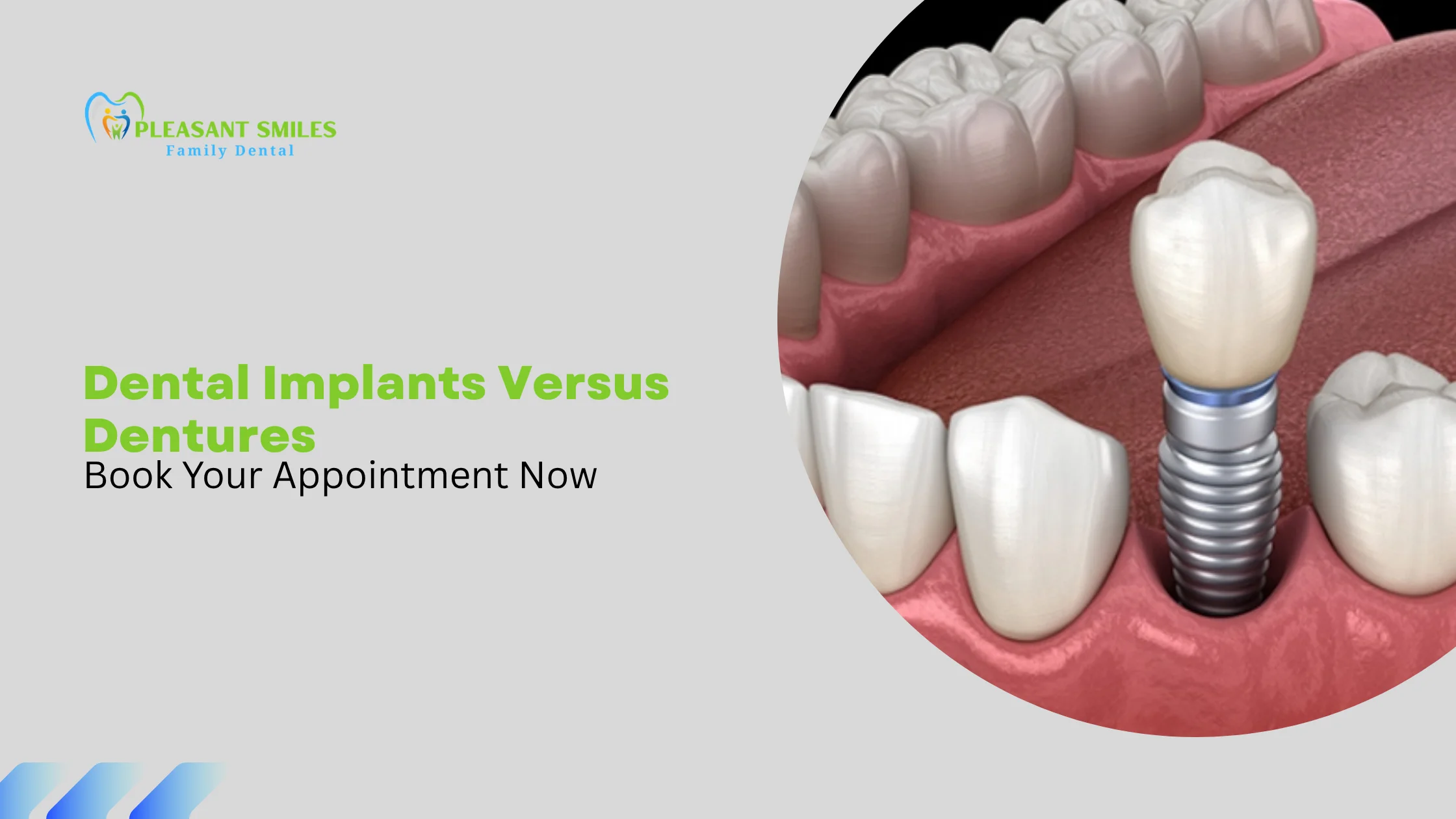
What Type of Dentist Does Dental Implants?

Dental implants can be performed by different types of dental professionals depending on the patient’s needs, oral health condition, and the complexity of the procedure. Implant treatment often combines surgical placement with restorative work, which means more than one specialist may be involved in the process.

Understanding the different professionals who perform dental implant procedures can help patients decide whether they should visit a general dentist, oral surgeon, or another dental specialist for implant treatment.

General Dentist Implants

Many patients receive dental implants from a general dentist who has completed additional training in implant dentistry. General dentists commonly handle straightforward implant cases where the jawbone is healthy and no complex surgical procedures are required.

A general dentist may perform the entire treatment process, including the implant placement, abutment teeth preparation, and the final crown restoration. This option can be convenient for patients because the procedure and follow-up care are handled in one dental office.

However, if the case involves bone loss, impacted teeth, or surgical complications, the general dentist may refer the patient to a specialist for the implant placement while completing the final restoration later.

Oral Surgeon for Dental Implants

An oral and maxillofacial surgeon is often recommended for patients who require more advanced surgical procedures. Oral surgeons specialize in complex dental surgeries involving the jawbone, facial structures, and soft tissues.

They commonly perform implant placement surgeries, especially in cases that require bone grafting, sinus lifts, or multiple implants. Because oral surgeons receive extensive surgical training, they are often the preferred option when a dental implant procedure involves complicated anatomical conditions.

After the implant is placed and the area heals, the patient may return to their general dentist for the final crown or bridge restoration.

Periodontist (Gum Specialist)

A periodontist is a dentist who specializes in the health of the gums and the supporting structures of the teeth. Since dental implants depend on strong bone and healthy gum tissue, periodontists are highly trained in implant placement and long-term implant stability.

Patients who have gum disease, bone loss, or soft tissue concerns are often referred to a periodontist for dental implant treatment. Periodontists focus on ensuring that the implant integrates properly with the jawbone, which is essential for creating a long-lasting dental bridge or implant restoration.

Prosthodontist (Restorative Specialist)

A prosthodontist specializes in advanced tooth replacement and restorative dentistry. While they may not always perform the surgical placement of implants, prosthodontists are experts in designing and placing the final prosthetic tooth, crown, or implant-supported bridge.

Their role is to ensure that the implant restoration looks natural, functions properly, and fits comfortably with the patient’s bite. Prosthodontists are often involved in complex cases where multiple teeth are missing or when patients require full-mouth restoration.

Periodontist vs. Oral Surgeon for Dental Implants

When considering dental implants, many patients wonder whether a periodontist or an oral surgeon is the right choice. Both are specialists, but their expertise and focus differ, making the choice dependent on your oral health and the complexity of your procedure.

A periodontist specializes in the health of the gums and supporting bone. They are ideal for patients with gum disease, bone loss, or other periodontal concerns. Periodontists are trained to place implants while ensuring the surrounding tissue is healthy and strong, which is crucial for long-term implant success.

An oral surgeon, also called an oral and maxillofacial surgeon, focuses on complex surgical procedures involving the jaw, mouth, and facial structures. Oral surgeons are often recommended for patients who need bone grafts, sinus lifts, or multiple implants. Their advanced surgical training makes them well-suited for complicated implant placements.

For example, a periodontist or oral surgeon may handle the implant placement, while a general dentist or prosthodontist completes the final restoration with crowns, bridges, or implant-supported dentures.

Comparing Roles:

Provider Role in Implant Treatment
Periodontist Focuses on gum and bone health; places implants when periodontal conditions exist
Oral Surgeon Performs surgical placement, especially in complex cases involving bone grafts, sinus lifts, or multiple implants

Understanding the differences between a periodontist and an oral surgeon can help you choose the right specialist for your dental implant procedure in Cheshire, ensuring better outcomes and long-lasting results.

How to Choose the Right Dentist for Dental Implants

Choosing the right dentist for dental implants is crucial, as successful treatment requires both surgical precision and restorative expertise. Whether you see a general dentist or a specialist, it’s important to consider their experience and training in implant dentistry.

One of the first things to check is the dentist’s implant experience. Ask how many procedures they have performed and whether they regularly handle cases similar to yours. Experienced dentists often have before-and-after photos that showcase successful outcomes.

Technology also plays a key role in accurate implant placement. At Pleasant Smiles Family Dental, we use advanced CBCT scans and digital implant planning to evaluate bone structure and precisely place implants, ensuring better results and faster healing.

Scheduling a consultation is essential. During your visit to Pleasant Smiles Family Dental, our implant specialists review your oral health, discuss the best treatment options, explain the procedure step by step, and create a personalized plan. This approach helps patients feel confident, informed, and comfortable throughout their dental implant journey.

Schedule Your Appointment

Dental implants are a reliable solution for replacing missing teeth, and several types of dental professionals can perform the procedure. General dentists can handle simple cases, while oral surgeons manage complex surgical needs. Periodontists focus on gum and bone health, and prosthodontists specialize in restoring implants with crowns or bridges. The best choice depends on the dentist’s training, experience, and the specific needs of your case. 

At Pleasant Smiles Family Dental, our team includes skilled professionals ready to guide you through every step of your implant journey. Book your consultation today and restore your smile with confidence!

Frequently Asked Questions

1. What type of dentist is best for implants?

The best dentist for implants depends on your case complexity. Simple implants can be done by a general dentist, while complex cases may require an oral surgeon, periodontist, or prosthodontist with specialized training.

2. Can a general dentist place dental implants?

Yes, many general dentists can place implants if they have completed additional training. They are typically best for straightforward cases involving a single tooth or limited implants.

3. Should I see a dentist or oral surgeon for implants?

For simple implant cases, a trained general dentist is sufficient. Complex procedures, like bone grafts or multiple implants, are better handled by an oral surgeon with surgical expertise.

4. What is a dental implant specialist called?

A dental implant dentist is a professional with specialized training in both implant placement and restoration. They focus on implant surgery, osseointegration, and creating durable, natural-looking results.

5. Are dental implants done by prosthodontists?

Yes, prosthodontists are experts in restoring implants with crowns, bridges, or dentures. They specialize in tooth replacement and ensuring the implant functions and looks natural within your smile.

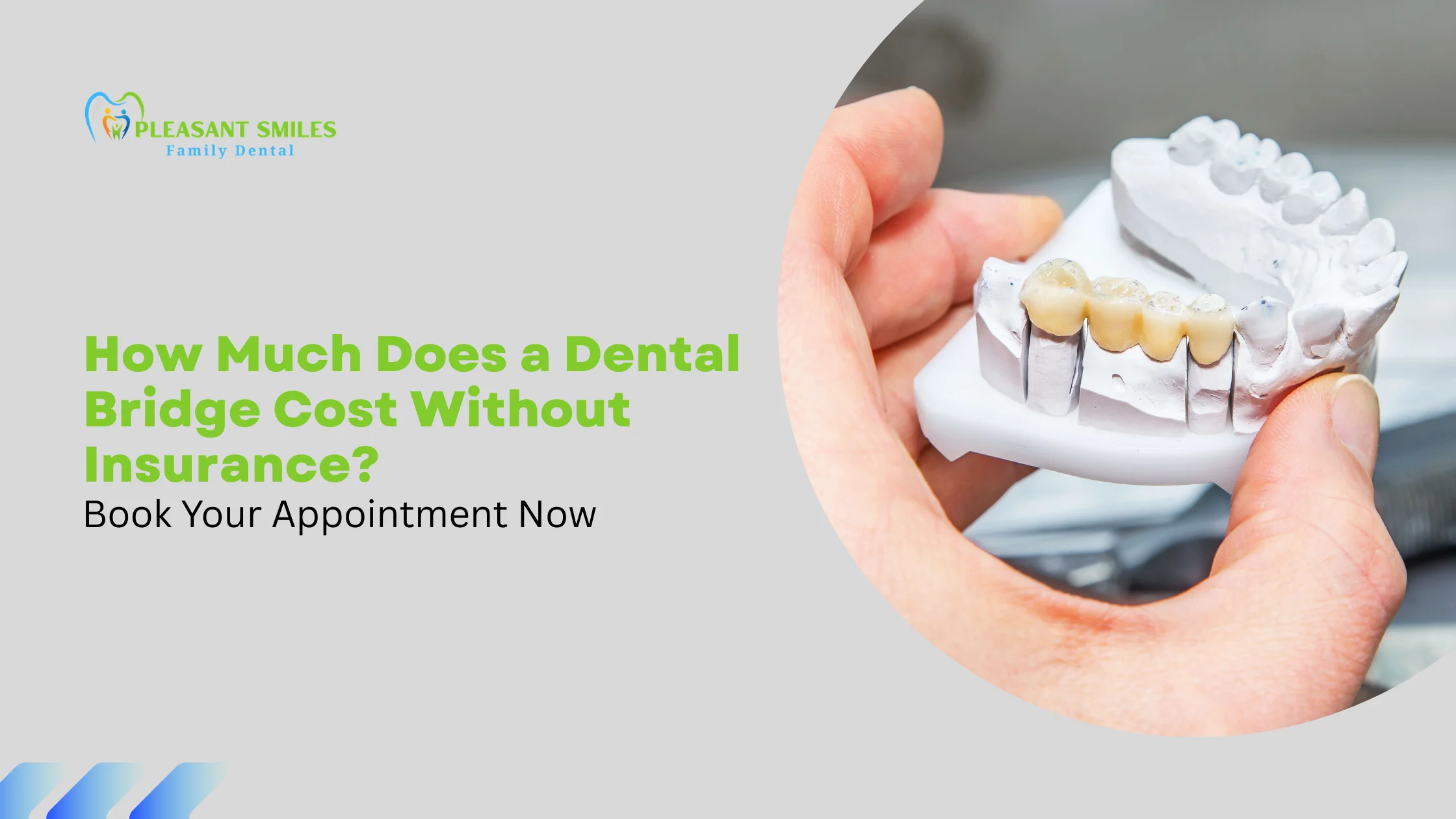
How Much Does a Dental Bridge Cost Without Insurance

Introduction

Visiting the dentist for an unexpected procedure can be stressful, especially when you’re unsure about the cost. A common concern many patients have is how much does a dental bridge cost without insurance. Knowing what to expect can help you plan ahead and make informed decisions about your dental care.

A dental bridge is a restorative dental procedure used for missing teeth replacement, helping restore proper chewing, prevent neighboring teeth from shifting, and maintain the overall structure of your mouth.

Costs for a dental bridge can vary depending on several factors, including the type of bridge, the condition of the surrounding teeth, and any additional treatments that may be needed. Being aware of these factors beforehand can help you better understand the procedure and make decisions that suit your oral health needs.

What is a Dental Bridge?

A dental bridge is a type of dental restoration used to replace one or more missing teeth. It is called a bridge because it literally bridges the gap created by missing teeth. The bridge is supported by the natural teeth on either side of the gap, which may require abutment teeth preparation to hold crowns, or in some cases by dental implants.

The purpose of a dental bridge is to restore the ability to chew and speak properly, maintain the natural shape of your face, and prevent the remaining teeth from shifting out of position. Bridges are fixed in place and are not removable like dentures, making them a stable and long-lasting solution when properly cared for.

Dental bridges come in different designs depending on the location of the missing teeth and the condition of the surrounding teeth. The type of bridge used can also influence the overall cost and the procedure required to place it.

How many types of dental bridges are there?

Dental bridges are designed to replace missing teeth and restore function and appearance. The type of bridge chosen depends on the location of the missing tooth, the health of the surrounding teeth, and your overall oral health. Understanding the different types can help you make an informed decision about which dental bridge is right for you.

Here are the most common types of dental bridges and how they work:

Traditional Dental Bridge

The traditional dental bridge is the most commonly used type. It consists of one or more artificial teeth called pontics that are held in place by dental crowns on the adjacent natural teeth. This type of bridge is highly durable and is usually recommended when there are healthy teeth on both sides of the gap.

Traditional dental bridges are suitable for restoring back teeth as well as front teeth, and they help maintain proper chewing function and bite alignment.

Cantilever Bridge

A cantilever bridge is similar to a traditional bridge but is supported by a crown on only one adjacent tooth instead of two. This type of bridge is less common and is generally used when there is only one healthy tooth next to the missing tooth.

Cantilever bridges are often used in areas of the mouth that experience less chewing pressure, as placing the bridge on a single tooth can put more stress on that tooth over time.

Maryland Bridge

The Maryland bridge, also called a resin-bonded bridge, uses a metal or porcelain framework that is bonded to the back of the adjacent teeth. Unlike traditional bridges, Maryland bridges do not require full crowns on the supporting teeth, making them a more conservative option.

This type of dental bridge is often used to replace front teeth because it preserves the natural structure of the adjacent teeth and offers a natural-looking result.

Implant Supported Bridge

An implant-supported bridge does not rely on natural teeth for support. Instead, it is anchored to dental implants placed in the jawbone. This type of bridge is highly stable and considered a long-lasting dental bridge, providing durable support for multiple missing teeth.

Implant-supported bridges are typically recommended when multiple teeth are missing or when the surrounding teeth are not strong enough to support a traditional bridge. While this option usually involves higher dental bridge cost, it is often considered the most reliable solution for long-term oral health.

How Much Does a Dental Bridge Cost Without Insurance?

The cost of a dental bridge can vary widely based on the type of bridge, number of teeth being replaced, and materials used. Without insurance, prices generally range from $500 to $4,000 per tooth. Understanding these factors helps you plan for the procedure with confidence.

Even though this range is broad, understanding the factors that affect pricing can help you make informed decisions about your oral health. Material choice, for example, can influence both the durability and appearance of your bridge. 

Porcelain, zirconia, or porcelain-fused-to-metal bridges all have different costs and lifespans. Additionally, if adjacent teeth require preparation, crowns, or other treatments before placing the bridge, the overall cost will increase.

While dental insurance can help offset some of these expenses, many patients do not have coverage. Even without insurance, there are options to make treatment more manageable. Financing plans or in-house payment options can allow patients to spread the cost over time, making it easier to receive the care they need without financial stress.

At Pleasant Smiles Family Dental, we help patients understand the dental bridge procedure and its costs before treatment. By reviewing your oral health, the number of teeth involved, and your goals, we provide a clear, personalized estimate. Knowing what to expect helps you plan ahead and make confident decisions for restoring your smile.

Dental Bridge Cost by Type

The cost of a dental bridge can vary depending on the type of bridge used and the materials involved. Understanding the different types of dental bridges can help you plan and make informed decisions about treatment.

Traditional Dental Bridge

A traditional dental bridge is the most common type and is used when there are healthy teeth on both sides of the gap. It consists of one or more artificial teeth, called pontics, anchored by crowns placed on the neighboring teeth. This type of bridge is strong and reliable, suitable for both front and back teeth.

Cost Insight: Generally, traditional bridges fall within a moderate price range, influenced by materials and complexity.

Cantilever Bridge

A cantilever bridge is supported by a crown on only one adjacent tooth. This type is less commonly used and is generally recommended for areas of the mouth that experience lower chewing pressure. Because it relies on a single tooth for support, it is important that the supporting tooth is healthy and strong.

Cost Insight: This option is often slightly less expensive than a traditional bridge but varies based on material and tooth preparation.

Maryland Bonded Bridge

Maryland bridges, also called resin-bonded bridges, use a metal or porcelain framework that is bonded to the back of the adjacent teeth. This option is more conservative because it preserves the natural structure of the supporting teeth. Maryland bridges are most often used to replace front teeth where strength is less of a concern.

Cost Insight: Maryland bridges usually cost less than traditional bridges and are chosen when a more conservative approach is preferred.

Implant-Supported Bridge

An implant-supported bridge is anchored to dental implants instead of natural teeth. This type of bridge provides excellent stability and durability, making it suitable for patients replacing multiple missing teeth. While implant-supported bridges involve a more complex procedure, the long-term benefits include reduced risk of tooth shifting and stronger chewing function.

Cost Insight: Implant-supported bridges are generally higher in cost due to the surgical procedure and long-term durability benefits.

Factors That Affect Dental Bridge Work Cost

The cost of a dental bridge can vary widely based on several key factors. Understanding these elements can help you anticipate expenses and make informed decisions about your treatment.

Here’s a quick summary of the main factors that can affect the cost of your dental bridge:

Factor Description Effect on Cost
Bridge Type Traditional, cantilever, Maryland, implant-supported More complex or implant-supported bridges cost more
Materials Metal, porcelain-fused-to-metal, all-ceramic/porcelain Higher quality or natural-looking materials increase cost
Number of Missing Teeth Single tooth vs multiple teeth in a row More teeth require more materials and lab work, increasing cost
Supporting Teeth Health and condition of abutment teeth Teeth needing prep, fillings, or root canals raise the overall cost

Bridge Type

The type of dental bridge is one of the main factors affecting cost. There are four common types: traditional, cantilever, Maryland (resin-bonded), and implant-supported bridges.

  • Maryland and cantilever bridges are generally more affordable and less invasive, but they are best suited for teeth that do not endure heavy chewing forces.
  • Traditional bridges are durable and can be used for most teeth, but they tend to be more expensive due to the amount of work involved.
  • Implant-supported bridges are the most costly option because they combine implant placement with the bridge restoration. These bridges are highly durable and long-lasting, but the surgical procedure and implant components increase the overall cost.

Material Used for the Bridge

The material used to make your dental bridge also plays a significant role in pricing.

  • Metal bridges are typically the least expensive but may not offer the most natural appearance.
  • Porcelain-fused-to-metal (PFM) bridges combine strength and aesthetics, making them a popular mid-range option.
  • All-ceramic or all-porcelain bridges are usually the most expensive, offering a highly natural look and durability. These are often preferred for front teeth where appearance is a priority.

Number of Missing Teeth

The number of teeth being replaced directly affects the total cost. Replacing a single front tooth may require a simpler and less expensive bridge. However, if multiple teeth are missing, especially in a row, the procedure becomes more complex. Each additional pontic or implant increases the work involved, which will influence the overall dental bridge cost.

Required Work on Support Teeth

The health of the teeth adjacent to the gap, known as abutment teeth, directly affects the bridge procedure. Healthy supporting teeth allow for straightforward bridge placement, but if these teeth require treatment—such as fillings, root canals, or deep cleaning—the cost of the overall procedure will rise. Proper preparation of abutment teeth is essential for long-term success and durability of the bridge.

Cost to Bridge One Tooth vs Multiple Teeth

The cost of a dental bridge can vary depending on whether you are replacing a single tooth or multiple teeth. Understanding this distinction can help you plan your treatment and anticipate the overall expense.

Bridging a Single Tooth

When replacing a single missing tooth, the procedure is typically simpler. A traditional or Maryland bridge is often sufficient, and fewer materials and dental visits are required. The supporting teeth, or abutment teeth, may need crowns or preparation to hold the bridge in place, but the overall complexity is generally lower than for multiple teeth.

Bridging Multiple Teeth

Replacing multiple teeth in a row involves a larger bridge with more pontics, which increases the work required and the cost. In some cases, multiple missing teeth may require implant-supported bridges for better stability and durability. The number of supporting teeth, the materials chosen, and any preparatory dental work all contribute to the total dental bridge cost.

Factors That Influence the Difference

  • Number of Pontics: More artificial teeth in the bridge increase material costs and laboratory work.
  • Type of Bridge: Implant-supported bridges for multiple teeth are generally more expensive than traditional or Maryland bridges.
  • Condition of Adjacent Teeth: Supporting teeth may require additional treatments before placing a multi-tooth bridge, which can raise costs.
  • Materials Used: All-porcelain or ceramic bridges cost more than metal or porcelain-fused-to-metal bridges, especially when covering multiple teeth.
Bridge Scenario Description Informational Price Range (Without Insurance)
Single Tooth Replacing one missing tooth with a traditional or Maryland bridge. Typically ranges from $1,500 to $5,000 depending on bridge type and materials.
Multiple Teeth Replacing two or more missing teeth in a row, may require larger bridge or implant support. Can range from $3,000 to $10,000 depending on the number of pontics and materials.
Implant-Supported Single or multiple teeth replaced using implants to anchor the bridge. Usually ranges from $5,000 to $10,000 or more, depending on number of implants and complexity.

In general, bridging a single tooth is more straightforward and less costly, while replacing multiple teeth requires more planning, materials, and procedures, resulting in higher overall dental bridge work cost.

Does Insurance Cover Dental Bridge Cost?

Dental insurance can help reduce the cost of a dental bridge, but coverage depends on your plan and the reason for the procedure. Many dental insurance plans cover a portion of the cost, usually between 50-80%, if the bridge is considered medically necessary, such as restoring function after tooth loss.

If the bridge is being placed primarily for cosmetic reasons, insurance coverage is usually limited or may not apply. It’s important to review your dental plan to understand whether bridging procedures are included, as some plans may exclude them entirely regardless of medical necessity.

Other factors that can affect insurance coverage include:

  • Annual maximums: If you have already reached your yearly dental benefits limit, coverage for a bridge may be reduced or unavailable.
  • Waiting periods: Some insurance plans require a waiting period before covering major procedures, including bridges.
  • Pre-approval: Many plans require pre-authorization to confirm coverage before the procedure begins.

At Pleasant Smiles Family Dental, we accept Husky Insurance and work closely with patients to maximize their benefits for restorative procedures like dental bridges. With Husky Insurance, patients can access essential care with less financial stress. Knowing your coverage ahead of time allows you to plan for the procedure and restore your smile confidently.

Conclusion

When it comes to maintaining your dental health, having a trusted local dental clinic is important. At Pleasant Smiles Family Dental, we are dedicated to providing high-quality care and helping patients restore their smiles with procedures like dental bridges.

We accept many insurance plans, including Husky Insurance, to help lower out-of-pocket costs. For patients without insurance, flexible financing and payment options are available. Understanding the type of dental bridge, cost factors, and coverage helps you make informed decisions about your oral health.

Our goal is to ensure that every patient feels confident and supported throughout their treatment journey. If you are considering a dental bridge, want to learn more about your options, or would like to book an appointment, Pleasant Smiles Family Dental is here to guide you every step of the way.

Does Tooth Filling Hurt Without Anesthesia?

One of the most common questions patients ask before booking an appointment is simple and completely understandable: does tooth filling hurt without anesthesia? For many people, the worry isn’t the filling itself — it’s the fear of unexpected pain. Dental anxiety often comes from not knowing what to expect.

After more than a decade in clinical practice, I’ve seen firsthand how much modern dentistry has changed. Today’s techniques, materials, and numbing methods are designed with patient comfort in mind. In very small cavities, some patients may feel only mild sensitivity even without anesthesia. 

However, when decay extends deeper toward the inner layers of the tooth, numbing is usually recommended to ensure the procedure remains comfortable. The determining factor is not the act of placing a filling — it’s how close the decay is to the nerve inside the tooth.

When patients understand how the procedure works and why anesthesia is sometimes necessary, much of the fear tends to fade. Clear information replaces uncertainty, and that makes a significant difference in how treatment feels.

What is Dental Filling?

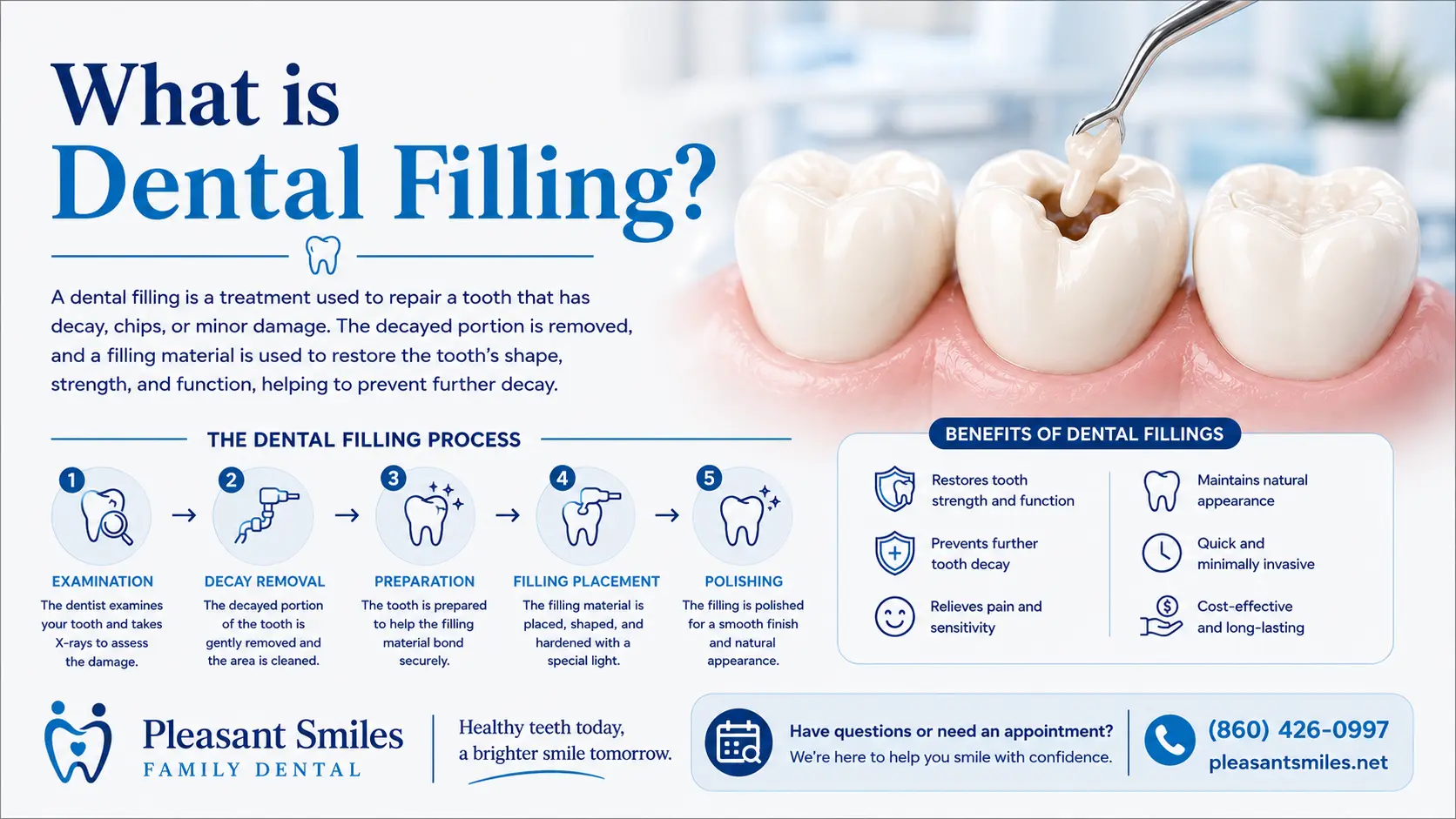
A dental filling is a restorative procedure used to repair a tooth damaged by decay (cavities), minor fractures, or wear. When bacteria break down tooth enamel and dentin, they create a cavity. If left untreated, decay can progress toward the pulp (the nerve tissue inside the tooth).

During a filling, the decayed portion of the tooth is removed, the area is cleaned, and a restorative material — most commonly composite resin (tooth-colored filling) — is placed to restore shape and function. The goal is to stop decay, protect the nerve, and preserve the natural tooth structure.

What Happens During a Tooth Filling Procedure

A tooth filling is one of the most routine procedures in dentistry, and in most cases, it’s completed comfortably in a single visit. Knowing each step ahead of time can make the experience feel far less intimidating. Here’s how the process typically unfolds:

  1. Initial Evaluation: Your dentist examines the tooth, often using digital X-rays, to determine how far the decay has progressed and whether anesthesia is necessary.
  2. Comfort & Isolation: If numbing is required, a local anesthetic is gently administered. The tooth is then isolated with specialized materials to keep the area clean and dry throughout the procedure.
  3. Decay Removal: Using precise dental instruments, the dentist carefully removes the decayed portion of the tooth. This step is conservative — only the damaged structure is taken away, preserving as much healthy enamel as possible.
  4. Cavity Preparation & Cleaning: Once the decay is removed, the space is thoroughly cleaned to eliminate bacteria and debris. This step is critical for preventing future infection beneath the filling.
  5. Placement of the Filling Material: The selected restorative material (such as composite resin) is placed into the prepared area. It’s carefully shaped to match your natural tooth structure.
  6. Shaping, Hardening & Polishing: The filling is hardened (if needed), adjusted to ensure your bite feels normal, and polished for a smooth, natural finish.

Why Anesthesia is Usually Used for Tooth Filling

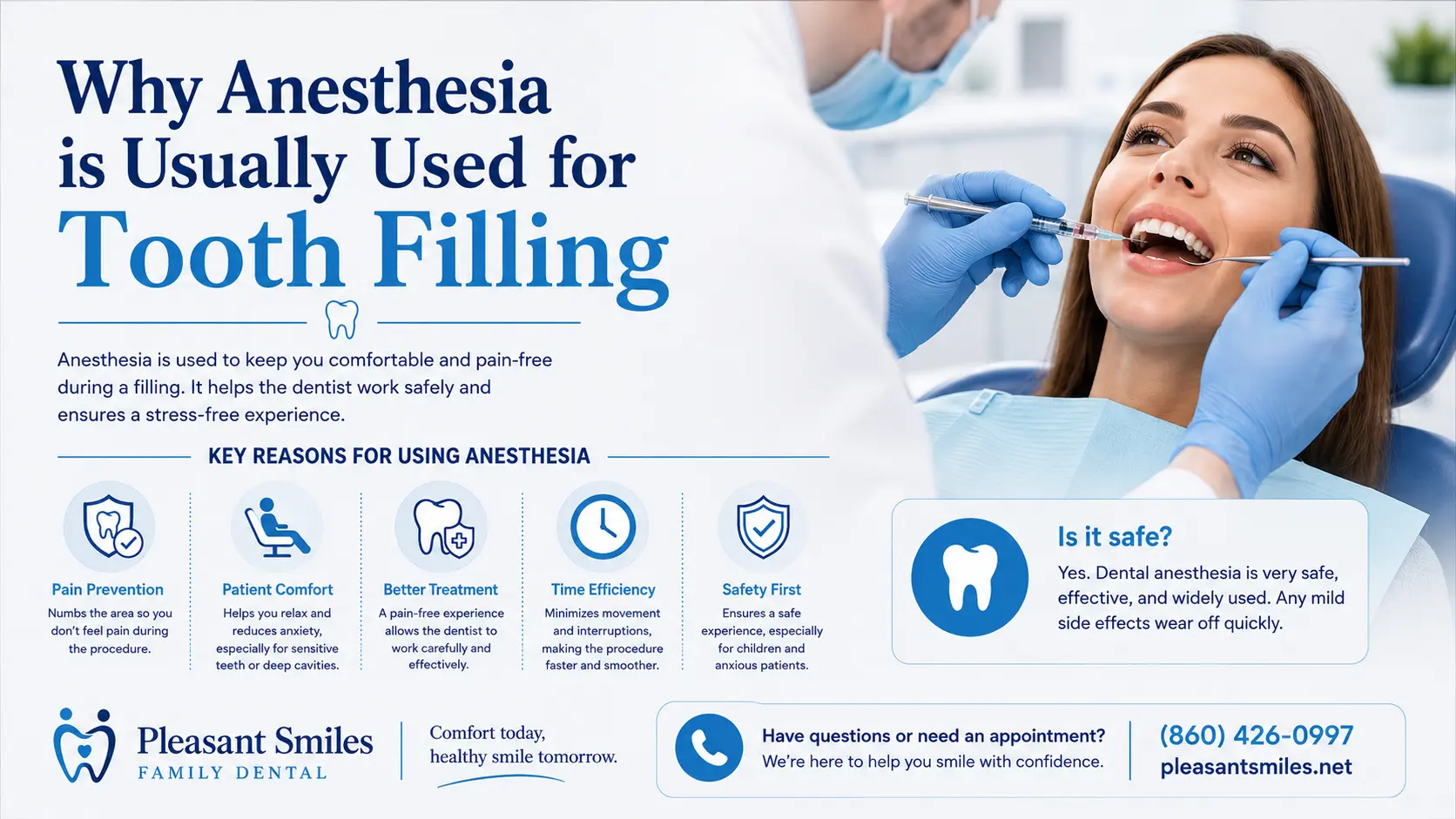
Local anesthesia plays an important role in making restorative dental care comfortable and predictable. Its purpose is simple: to temporarily block pain signals from the treated tooth so you don’t feel discomfort while decay is being removed.

Although some tiny cavities may cause only minor sensitivity, many fillings involve working beyond the outer enamel layer. Once treatment reaches dentin — the softer layer beneath enamel—the tooth becomes significantly more responsive to temperature, pressure, and vibration. In these situations, numbing ensures the procedure remains comfortable from start to finish.

Beyond pain control, anesthesia offers additional benefits:

  • Blocking Nerve Sensation: It temporarily interrupts pain signals from the tooth’s nerve, allowing decay to be removed without sharp discomfort.
  • Improving Patient Comfort: Even mild sensitivity can cause a patient to tense up. Numbing the area allows you to stay relaxed throughout the appointment.
  • Enhancing Precision: When a patient isn’t bracing for pain, they’re less likely to move unexpectedly. This helps the dentist work more efficiently and accurately.
  • Reducing Anxiety: For many people, simply knowing they won’t feel pain significantly lowers stress levels before and during treatment.

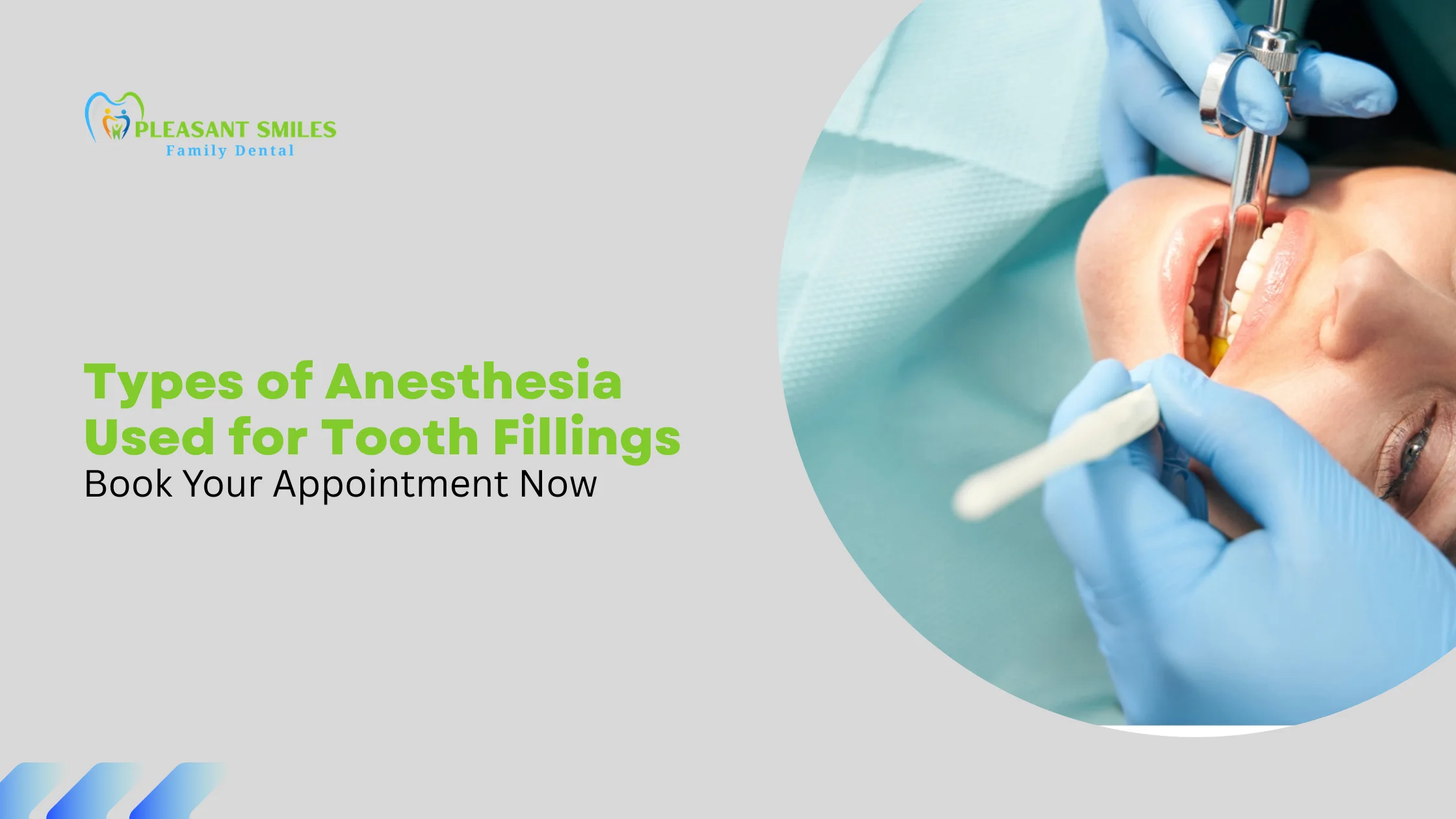
Types of Anesthesia Used for Tooth Fillings

Types of Anesthesia Used for Tooth Fillings

The type of anesthesia used during a filling depends on the depth of the cavity, your comfort level, and your individual needs. In most cases, treatment is simple and requires only minimal numbing.

Local Anesthesia

This is the most commonly used method for fillings. A small amount of anesthetic is injected near the treated tooth to temporarily numb the surrounding area. You remain fully awake and aware, but the tooth being treated will not feel pain.

Topical Numbing Gel

Before the local anesthetic is administered, a surface numbing gel is typically applied to the gum tissue. This helps reduce the sensation of the injection itself and makes the process more comfortable.

Nitrous Oxide (Laughing Gas)

For patients who feel nervous about dental treatment, nitrous oxide may be offered. It’s inhaled through a small mask and creates a calm, relaxed feeling while allowing you to stay responsive. Its effects wear off quickly once the mask is removed.

Oral Sedation (In Select Cases)

For individuals with higher levels of anxiety or strong dental fear, a prescribed oral medication may be used to promote deeper relaxation during the appointment.

Does a Filling Hurt Without Anesthesia?

The honest answer isn’t a simple yes or no — it depends on two main factors: the depth of the cavity and your individual sensitivity. Every tooth has layers. The outer enamel is the hardest and least sensitive part. 

Beneath it lies dentin, which contains tiny tubules connected to the nerve. At the center is the pulp, where the nerve resides. How close the decay gets to these inner layers largely determines what you’ll feel.

Here’s how it typically breaks down:

  • When decay is limited to enamel: You may feel vibration, light pressure, or mild awareness of the instruments—but not sharp pain. Many patients tolerate small enamel-only fillings without numbing.
  • When decay reaches dentin: Sensitivity increases. Because dentin communicates more directly with the nerve, you may experience brief, sharp sensations while the decayed area is being removed.
  • When decay approaches the nerve (pulp): Treatment without anesthesia can become genuinely uncomfortable. In these cases, numbing is strongly recommended to prevent significant pain.

It’s also important to understand that discomfort, when it occurs, is not constant throughout the procedure. It usually happens only during the removal of decay near sensitive layers. Once that portion is complete, the remaining steps — cleaning, placing, shaping, and polishing — are typically much more comfortable.

That said, even short bursts of sensitivity can feel intense. For that reason, most patients choose anesthesia — not because fillings are unbearable, but because added comfort makes the entire experience smoother and less stressful.

Can Fillings Be Done Without Injections?

Yes — in certain situations, fillings can be completed without injections. The key is proper case selection. When a cavity is tiny and confined to the outer enamel layer, there may be little to no sensitivity during treatment. 

In these cases, some patients choose to proceed without local anesthesia, especially if they prefer to avoid needles or lingering numbness afterward. If the clinical evaluation shows that the decay is shallow and the tooth is not already sensitive, this approach can be entirely appropriate.

That said, comfort is never something we compromise. If at any point during the procedure you begin to feel discomfort, local anesthesia can be administered right away. The goal is not simply to complete the filling—it’s to do so in a way that feels calm, controlled, and comfortable. Patient safety and well-being always come first.

What Patients Might Feel Without Anesthesia

When a filling is performed without anesthesia, the sensations can vary depending on the depth of the cavity and individual sensitivity. Common experiences include:

  • Pressure from dental instruments: Even without pain, you may feel the dentist working on your tooth.
  • Vibration from the handpiece: The drill or other instruments can create noticeable vibrations.
  • Sharp sensitivity when decay is near dentin: As dentin is more connected to the nerve, removing decay in this layer can trigger brief, sharp sensations.
  • Brief pain if decay is close to the pulp (nerve): The closer the procedure gets to the nerve, the more uncomfortable it may feel without numbing.

It’s important to note that these sensations are temporary and usually occur only during specific steps of the treatment. Some patients tolerate them quite well, while others may feel discomfort more quickly. This is why dentists carefully assess each case and adjust anesthesia options to ensure a safe and comfortable experience.

Common Risks of Filling Without Anesthesia

While having a filling without anesthesia is generally safe for small cavities, there are practical considerations that patients should be aware of:

  • Sudden discomfort: Without numbing, unexpected sensitivity can cause you to flinch or move involuntarily, which may make treatment more challenging.
  • Increased anxiety: Feeling even mild discomfort can heighten stress during the procedure, making the experience less comfortable overall.
  • Interruption of treatment: If discomfort becomes too intense, the dentist may need to pause and administer anesthesia, which can extend the appointment.
  • Limitations for deeper cavities: For moderate to large cavities or decay close to the nerve, proceeding without anesthesia may not be realistic or safe.

In consultation with your dentist, you can ultimately decide whether to skip anesthesia, taking into account factors such as comfort, safety, and the specifics of the cavity. Often, a short period of mild sensation may be manageable, but deeper or more sensitive teeth generally benefit from numbing for a smoother and stress-free experience.

How Modern Dentistry Reduces Discomfort

Modern dentistry has transformed the experience of getting a filling. What was once a procedure many feared is now designed to be as comfortable and efficient as possible. Advances in technology and technique focus on minimizing pain, preserving tooth structure, and keeping patients relaxed throughout treatment.

Some of the key ways modern dentistry reduces discomfort include:

  • Precision instruments: High-speed, vibration-controlled handpieces allow dentists to remove decay accurately with minimal pressure and trauma to surrounding tissue.
  • Conservative materials: Tooth-colored filling materials bond effectively to the natural tooth, allowing dentists to preserve more healthy enamel and dentin.
  • Enhanced anesthesia techniques: Local numbing agents now work faster and last longer, ensuring comfort during even deeper procedures.
  • Patient-centered care: Dentists use clear communication, step-by-step explanations, and a calm pacing of treatment to reduce anxiety and make patients feel at ease.

Today, patient comfort is never an afterthought — it’s a core part of every treatment plan. By combining technology, technique, and empathy, dental care is now safer, faster, and far more comfortable than in the past.

Tips for a Comfortable Filling Experience

There are several ways patients can make a tooth filling appointment more comfortable and stress-free. Preparing ahead and communicating openly with your dentist can significantly improve the experience.

Talk Openly About Anxiety

Let your dentist know if you feel nervous. Sharing your concerns allows them to tailor the approach, offer reassurance, and suggest relaxation techniques.

Ask About Numbing Options

Discuss anesthesia choices before the procedure so you know exactly what to expect. This helps prevent surprises and ensures your comfort.

Limit Stimulants

Avoid caffeine or energy drinks before your appointment, as they can increase jitteriness or sensitivity to stress.

Follow Post-Treatment Care

Proper aftercare, including oral hygiene and dietary recommendations, reduces discomfort and promotes faster healing.

Maintain Clear Communication

Don’t hesitate to ask questions or signal any discomfort during treatment. Dentists can adjust their technique, pace, or anesthesia as needed.

By taking these steps, patients can feel more relaxed, confident, and in control, making the filling process smoother and much more manageable.

Why Choosing the Right Dentist Matters in Cheshire

The comfort and success of a tooth filling often depend as much on the dentist as on the procedure itself. Skillful technique, attention to detail, and clear communication can make the difference between a stressful visit and a smooth, pain-free experience.

In Cheshire, patients benefit from dental practices that prioritize both clinical precision and patient comfort. Pleasant Smiles Family Dental focuses on preserving natural tooth structure while ensuring the procedure is as gentle and efficient as possible. Under the guidance of Dr. Vijitha Bandla, minimally invasive techniques are used, and patients are kept informed throughout every step, helping to reduce anxiety and build confidence.

Choosing the right dentist isn’t just about technical ability — it’s about selecting a provider who understands your comfort, communicates clearly, and creates a calm, reassuring environment. This thoughtful approach makes every dental visit easier and more predictable.

Conclusion

So, does a tooth filling hurt without anesthesia? The answer depends on the size and depth of the cavity. For minimal, superficial cavities, discomfort is often minimal. However, when decay reaches deeper layers of the tooth, treatment without numbing can become uncomfortable. While anesthesia isn’t always required, it is commonly recommended to ensure predictable comfort throughout the procedure.

The most important factor is personalized care. A thorough examination helps determine whether anesthesia is necessary, and open communication ensures patients feel informed, prepared, and at ease. 

Modern dental techniques, combined with careful planning, make fillings far more comfortable than many expect. When performed thoughtfully, tooth fillings are typically straightforward, safe, and well tolerated, leaving patients with restored teeth and confidence in their oral health.

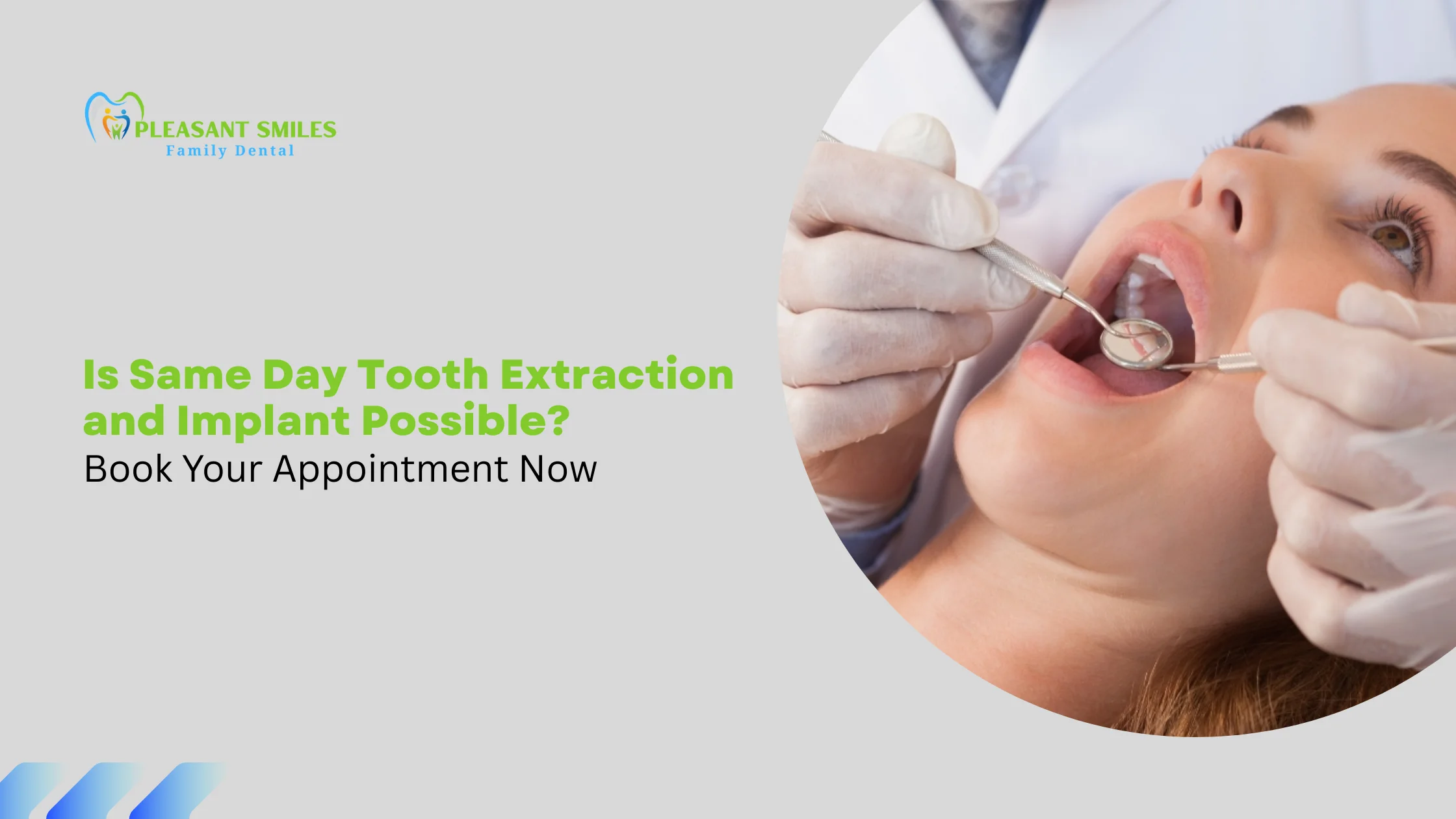
Is Same Day Tooth Extraction and Implant Possible?

For many patients dealing with damaged, infected, or failing teeth, restoring function and appearance as quickly as possible is a common goal. The treatment known as same day tooth extraction and implant allows a dentist to remove a damaged tooth and place a dental implant during the same appointment in carefully selected cases. 

Advances in implant technology, imaging, and surgical planning have made this approach more predictable than in the past.

A same-day procedure can shorten overall treatment time and may help preserve natural jawbone shape after tooth removal. However, long-term success depends on proper case selection, surgical precision, and healing conditions. 

Clinical recommendations from professional organizations such as the American Dental Association emphasize that bone quality, infection control, and patient health must be carefully evaluated before immediate implant placement is considered.

What Is Same Day Tooth Extraction and Implant?

Same day tooth extraction and implant, clinically referred to as immediate implant placement, is a treatment approach where a tooth that cannot be saved is removed and a dental implant is placed into the jawbone during the same surgical visit. 

The implant is positioned in the natural tooth socket immediately after extraction, when conditions such as adequate bone quality and the absence of active infection allow safe placement.

This approach differs from traditional implant timelines, where dentists usually wait several weeks or months after extraction to allow bone and soft tissue healing before placing the implant. 

Immediate placement aims to help preserve existing bone structure and reduce the number of surgical procedures, but it requires detailed planning and precise surgical technique.

The primary goal of same day implant placement is to shorten overall treatment time while maintaining safe, predictable healing and long-term implant integration with the jawbone. 

When performed under appropriate clinical conditions, it can be a reliable treatment option, but it is not suitable for every patient.

Who is a Good Candidate for Same Day Dental Implants in Cheshire, CT?

Patients living in or near Cheshire, Connecticut, often want to know whether they qualify for same day implant treatment. Eligibility is not based on age alone. Instead, dentists focus on oral health, bone condition, and overall medical stability before recommending immediate implant placement.

A good candidate typically demonstrates the following clinical factors:

  • Healthy gum tissue with no signs of active periodontal (gum) disease
  • Adequate jawbone density and volume to securely support the implant at the time of placement
  • Stable overall health, meaning no uncontrolled medical conditions that may interfere with healing (such as uncontrolled diabetes or immune disorders)
  • A tooth that can be removed with minimal trauma, without severe infection, cysts, or major bone destruction around the root

Dentists do not rely on visual exams alone. Modern implant evaluation usually includes 3D cone beam imaging, digital scans, and a full clinical assessment. These tools help determine bone thickness, nerve position, and sinus location, which are critical for safe and predictable implant placement.

Even when patients meet many of these criteria, final suitability is always confirmed through a comprehensive clinical evaluation and personalized treatment planning.

Benefits of Same Day Tooth Extraction and Implant

Same day tooth extraction and implant can offer both clinical and practical advantages when performed under the right conditions. While this approach is not suitable for every patient, carefully selected cases may benefit from a streamlined treatment process and preservation-focused outcomes.

Faster Overall Treatment Timeline

One of the most noticeable benefits is the reduction in total treatment time. Instead of waiting several months between extraction and implant placement, the process begins immediately. This can reduce the number of surgical appointments and shorten the time a patient spends without a functional tooth replacement.

Potential Preservation of Natural Bone Structure

When an implant is placed soon after tooth removal, it may help support the surrounding bone structure. After a tooth is extracted, the jawbone can naturally begin to shrink over time. Immediate implant placement may help maintain the natural contour of the bone when healing conditions are ideal.

Reduced Number of Surgical Procedures

Traditional implant treatment often requires two separate surgical phases—extraction followed by implant placement later. Same day treatment may reduce surgical exposure by combining these steps into one procedure, which some patients find more convenient.

Earlier Functional and Aesthetic Restoration

Replacing a missing tooth sooner can help maintain bite balance and smile appearance, especially in visible areas such as front teeth. Early tooth replacement may also help some patients feel more confident in social and professional settings.

Psychological Comfort for Some Patients

For some individuals, leaving the dental office knowing a replacement plan is already in place can reduce anxiety about living with a missing tooth during healing.

It is important to note that while these benefits are possible, outcomes depend on proper case selection, surgical precision, and patient healing response. Same day implant placement is recommended only when clinical conditions support safe and predictable results.

What to Expect During Tooth Extraction and Implant Procedure

The same day tooth extraction and implant process typically begins well before the day of surgery. Careful planning plays a major role in safety, comfort, and long-term implant success. If a patient is considered suitable, the procedure typically follows these steps:

  1. Initial Consultation: Digital imaging and a clinical exam are used to evaluate bone health, gum condition, and treatment planning.
  2. Tooth Extraction: The damaged or failing tooth is carefully removed while preserving as much surrounding bone as possible.
  3. Implant Placement: The dental implant is placed into the jawbone immediately after extraction, depending on bone stability and infection control.
  4. Temporary Restoration: In some cases, a temporary crown or healing cap is placed to protect the implant during early healing.
  5. Healing Period: Over the next few months, the implant integrates with the jawbone through a natural process called osseointegration.
  6. Final Restoration: Once healing is complete, a custom permanent crown is attached to restore normal function and appearance.

Patients usually go home the same day with post-operative instructions and medication guidance.

Same Day Implant vs Delayed Implant – Which Is Better Long Term?

Both same day and delayed implant approaches can be successful when planned and performed under the right clinical conditions. The best option depends on the patient’s oral health, bone condition, and presence of infection at the extraction site.

Delayed Implant

Delayed implant placement involves removing the tooth first and allowing the area to heal for several weeks or months before placing the implant. This approach is often recommended when there is active infection, significant bone loss, or when additional bone grafting is required. Healing before implant placement can sometimes create a more stable environment for long-term integration.

Same Day Implant

Same day implant placement allows the implant to be placed immediately after tooth removal. This approach may help preserve natural bone shape and reduce overall treatment time. However, it requires strong primary stability at the time of placement and healthy surrounding tissue to support predictable healing.

Long-term research and clinical reviews generally show that both methods can have high success rates when proper case selection, surgical technique, and follow-up care are followed. The key factor is not necessarily timing, but whether the clinical conditions are ideal for implant stability and healing.

Risks and Limitations of Immediate Dental Implants

Like any surgical procedure, same day tooth extraction and implant has potential risks and clinical limitations. Immediate implant placement is not recommended if healing conditions are not ideal.

Potential risks and limitations may include:

  • Active or Severe Infection:
    If infection is present at the extraction site, it can interfere with healing and may increase the risk of implant failure. In these cases, delayed implant placement is often safer.
  • Insufficient Bone Quality or Volume:
    Immediate implants require strong bone support. Thin, soft, or damaged bone may not provide enough stability at the time of placement.
  • Implant Micromovement During Healing:
    If the implant moves slightly before fully bonding with the bone, it can affect long-term stability and integration.
  • Gum Tissue Healing Challenges:
    Poor gum health or improper oral hygiene during recovery can increase the risk of soft tissue complications.
  • Systemic Health Factors:
    Conditions that affect healing, smoking, or poor post-surgical care can increase complication risk.

Proper diagnosis, careful treatment planning, and following post-procedure care instructions significantly improve the chances of long-term implant success.

Recovery Timeline After Same Day Implant

Recovery after a same day tooth extraction and implant happens in stages. Healing speed can vary depending on bone quality, overall health, and how well post-procedure care instructions are followed.

First 24–72 Hours (Immediate Healing Phase)

Mild swelling, soreness, or minor bleeding can occur and is considered normal. These symptoms are usually manageable with prescribed or recommended medications. Patients are typically advised to eat soft foods and avoid placing pressure on the implant area.

First 1–2 Weeks (Soft Tissue Healing)

During this stage, the gums begin to heal around the implant site. Most daily activities can usually be resumed, but patients should continue following oral hygiene instructions and avoid hard or crunchy foods near the implant area.

3–6 Months (Bone Healing and Osseointegration Phase)

The implant gradually bonds with the jawbone through a natural process called osseointegration. This phase is critical for long-term stability. In some cases, a temporary crown or restoration may be worn while healing continues.

Final Restoration Phase

Once the implant is fully integrated and stable, a custom permanent crown is placed to restore full function and appearance.

Maintaining good oral hygiene, avoiding smoking, and attending scheduled follow-up visits play a major role in long-term implant success.

Why Choosing the Right Implant Dentist in Cheshire Matters

Dental implant success depends on several factors, including clinical experience, diagnostic technology, and detailed treatment planning. Implant placement is a precision-based procedure that requires careful evaluation of bone structure, bite forces, gum health, and overall medical history before treatment begins.

Experienced implant dentists in Cheshire typically use advanced tools such as 3D digital imaging, cone beam CT scans, and guided surgical planning to improve placement accuracy and reduce complications. Evidence-based treatment protocols and careful case selection help improve healing predictability and long-term implant stability.

Practices that focus on comprehensive patient evaluation, clear treatment communication, and structured follow-up care often achieve more consistent outcomes and higher patient satisfaction. A thorough consultation helps patients understand risks, benefits, and whether immediate or delayed implant placement is the safest option.

In Cheshire, patients often look for providers who combine modern implant technology with personalized care. At Pleasant Smiles Family Dental, implant treatment planning focuses on clinical safety, detailed diagnostics, and patient-specific treatment approaches. Treatment is performed under the clinical guidance of Dr. Vijitha Bandla, who emphasizes careful case selection, patient education, and long-term oral health outcomes.

Alternatives If Same-Day Implants Aren’t an Option

If same day tooth extraction and implant placement is not recommended, there are still several reliable treatment options available. The right choice depends on bone condition, healing needs, and long-term treatment goals.

Delayed Implants

This approach involves allowing the extraction site to heal before placing the implant. Healing typically takes about 3–6 months, depending on bone and tissue recovery. Delayed placement is often recommended if infection, inflammation, or bone damage is present.

Bone Grafting

If bone loss is detected, bone grafting may be recommended to rebuild the jawbone and create proper support for a future implant. After grafting, healing time is required before implant placement can be safely performed.

Bridges or Partial Dentures

For patients who may not be ready for implant treatment, bridges or removable partial dentures can restore chewing function and smile appearance. These options may be used as short-term or long-term solutions depending on patient needs.

Each treatment option has different benefits, timelines, and maintenance requirements. A personalized evaluation helps determine the safest and most effective long-term solution for tooth replacement.

Conclusion

Same day tooth extraction and implant can be a safe and effective treatment option for many patients when performed under appropriate clinical conditions. Advances in implant design, digital imaging, and surgical planning have made immediate implant placement more predictable in carefully selected cases.

When successful, this approach can help maintain natural bone structure, restore function sooner, and reduce overall treatment timelines. However, long-term success depends on several key factors, including accurate diagnosis, proper case selection, surgical precision, and patient commitment to aftercare and oral hygiene.

Immediate implant placement is not suitable for every situation, especially when infection, insufficient bone support, or certain medical conditions are present.

Ready to Explore Your Options?

At Pleasant Smiles Family Dental in Cheshire, patients can receive personalized treatment planning based on their oral health condition, bone structure, and overall treatment goals. A consultation helps patients clearly understand available options, expected timelines, and the safest path forward for tooth replacement.

Call the clinic to schedule a consultation or request an appointment online to find out whether same-day dental implants are suitable for your needs.

Frequently Asked Questions

1. Is the same day implant painful?

Most patients report mild to moderate discomfort rather than severe pain. Local anesthesia keeps the procedure comfortable, and post-treatment soreness is usually manageable with medication.

2. Can front teeth be replaced the same day?

In many cases, yes. Front teeth are often candidates for same day implants if bone and gum conditions are healthy. Cosmetic planning becomes especially important for front tooth replacements.

3. How long do immediate implants last?

With proper placement and maintenance, implants can last many years. Long-term success depends on oral hygiene, regular dental visits, and overall health.

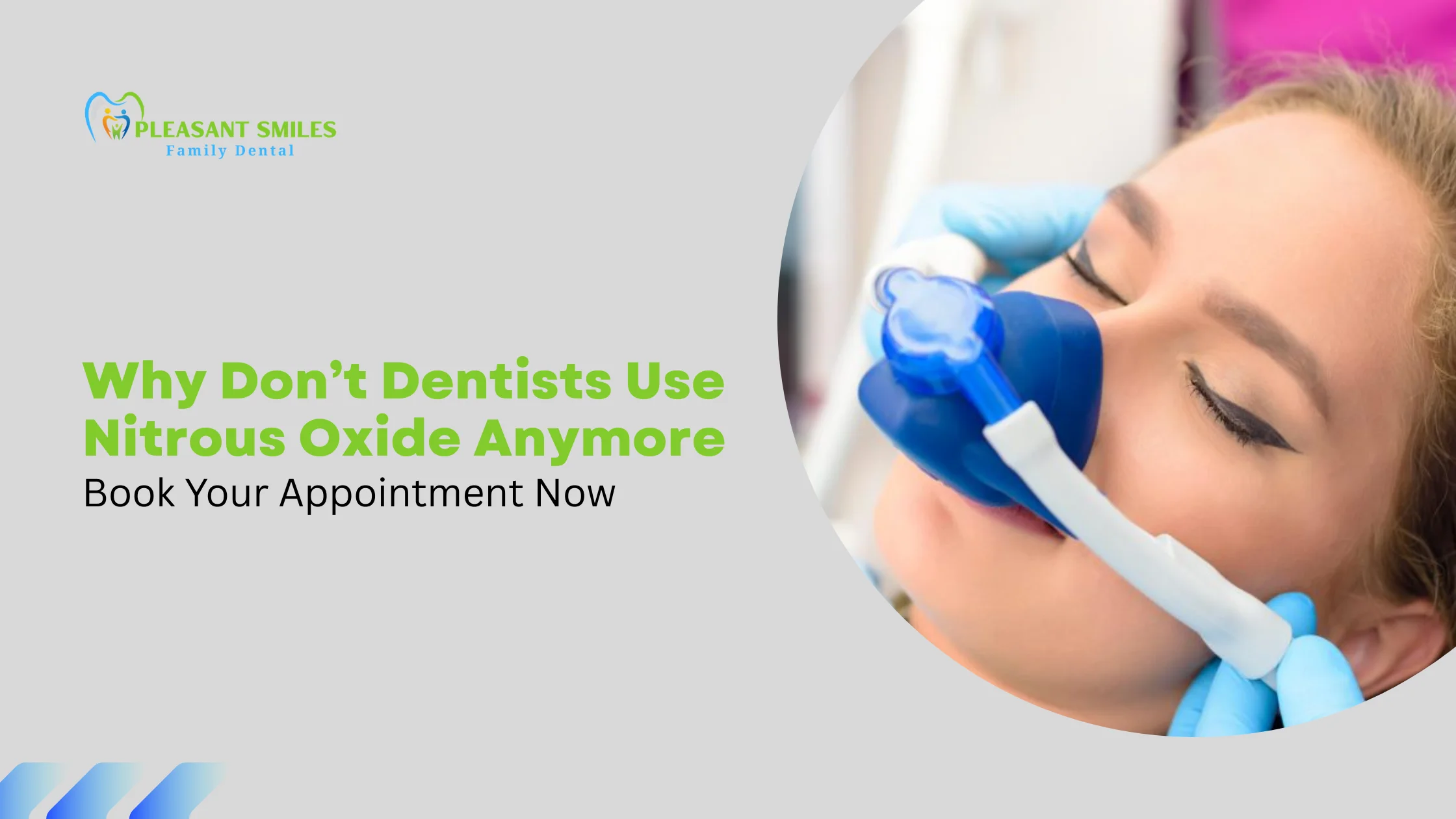
Why Don’t Dentists Use Nitrous Oxide Anymore

Why don’t dentists use nitrous oxide anymore? Dental anxiety is a common concern for patients of all ages. For decades, nitrous oxide, also known as “laughing gas,” was widely used to help patients relax during dental procedures. Yet, recent trends show a shift away from its use in many practices.

Understanding the reasons behind this change helps patients make informed decisions about sedation and pain management. Modern dentistry now offers alternative methods that are often safer, more efficient, and easier to manage than traditional nitrous oxide sedation.

What is Nitrous Oxide and How It Works

Nitrous oxide, commonly known as laughing gas, is a mild sedative used in dentistry to help reduce anxiety and discomfort during treatment. It is not a sleep-inducing drug, but a calming agent that allows patients to remain awake and responsive.

The gas is mixed with oxygen and inhaled through a small mask placed over the nose. This delivery method allows dentists to control sedation levels easily and adjust them in real time based on patient comfort.

Nitrous oxide works by slowing the nervous system’s response to stress and pain signals. Most patients begin to feel relaxed within 2–3 minutes, often experiencing a light, floaty sensation or mild euphoria.

Patients stay fully conscious and can communicate clearly throughout the procedure. This makes nitrous oxide suitable for short treatments where cooperation and awareness are important.

Key points about nitrous oxide:

  • Delivered through a mask over the nose.
  • Onset is almost immediate, typically 2–3 minutes.
  • Effects wear off quickly once the gas is stopped.
  • Commonly used for minor procedures, children, or anxious patients.

While nitrous oxide has clear benefits, many dentists are now reassessing its role. Modern safety expectations, efficiency concerns, and newer sedation options have shifted how and when it is used in dental care.

The Rise of Nitrous Oxide in Dentistry

Nitrous oxide has played an important role in dentistry for well over a century. First introduced in the 1800s, it became one of the earliest and most widely accepted methods of dental sedation, helping make procedures less stressful for patients who struggled with fear or discomfort.

Dentists quickly adopted nitrous oxide because it was easy to administer and produced reliable calming effects without putting patients fully to sleep. Compared to older sedatives like ether or chloroform, it offered a safer experience with fewer complications and a much faster recovery, allowing patients to return to normal activities soon after treatment.

Over time, these advantages helped nitrous oxide become a standard option in dental offices, especially for managing mild to moderate anxiety during routine procedures.

What Changed in Modern Dental Sedation Practices

Dental sedation has evolved as practices focus on efficiency, safety, and predictable patient outcomes. While nitrous oxide was once widely used, many offices now prefer sedation methods that better align with modern clinical workflows.

Today’s sedation options are designed to minimize setup time and simplify monitoring. Oral sedatives and IV sedation provide longer-lasting relaxation and more consistent effects, making them easier to manage during complex or extended procedures.

Key reasons nitrous oxide use has declined include:

  • Appointment efficiency: Nitrous oxide requires equipment setup and recovery time, which can lengthen visits.
  • Training and compliance: Not all dental teams are licensed or equipped to administer inhalation sedation safely.
  • Safety considerations: Ongoing staff exposure and patient-specific risks have led to stricter oversight.
  • Patient preferences: Many patients favor pills or localized numbing over breathing through a mask.

As dental care continues to advance, providers are adopting sedation methods that balance comfort with efficiency. The goal remains the same—helping patients feel calm and supported while delivering high-quality treatment.

What Alternatives Dentists Use Instead of Nitrous Oxide

As dental practices move away from nitrous oxide, many now rely on newer, more controlled ways to keep patients comfortable. These alternatives focus on reducing anxiety, managing pain effectively, and improving overall safety for both patients and staff.

1. Oral Sedation

Oral sedation involves taking a prescribed pill before the dental appointment, most commonly medications like triazolam or diazepam. This approach helps calm nerves and can produce mild to moderate sedation without the use of inhaled gases. Patients remain conscious but feel more relaxed and less aware of the procedure.

2. IV Sedation

IV sedation is administered directly into the bloodstream, allowing the dentist to adjust sedation levels in real time. It works quickly and provides a deeper, more consistent level of relaxation, making it a preferred option for longer or more complex treatments where anxiety or discomfort may be higher.

3. Local Anesthesia Combined With Comfort Techniques

For many routine procedures, dentists rely on local anesthesia supported by comfort-focused techniques. Topical numbing gels, warmed anesthetic solutions, gentle injection methods, and simple distractions like music or visuals help minimize pain and stress. In these cases, additional sedation is often unnecessary.

4. Behavioral and Psychological Approaches

Non-medication strategies such as guided breathing, relaxation exercises, music therapy, and cognitive behavioral techniques are increasingly common—especially for children or patients with mild dental anxiety. These methods aim to build trust and comfort without using drugs at all.

Overall, these alternatives tend to be more predictable, easier to manage, and safer in modern dental settings. They also reduce long-term exposure risks for dental professionals while still prioritizing patient comfort and care.

Benefits of Nitrous Oxide

Although many dental practices are transitioning to newer sedation methods, nitrous oxide still offers certain benefits in specific situations. When used appropriately by trained professionals, it can be a practical option for managing mild to moderate dental anxiety.

Fast Onset and Quick Recovery

Nitrous oxide works within minutes and wears off shortly after the mask is removed. This allows patients to feel relaxed during treatment while returning to normal alertness quickly, with little to no downtime afterward.

Helpful for Anxiety and More Comfortable

For patients who experience mild anxiety or have a sensitive gag reflex, nitrous oxide can make dental procedures more tolerable without the need for deeper sedation.

Suitable for Both Adults and Children

Laughing gas is commonly used across age groups, making it a flexible option for family dental care when minimal sedation is sufficient.

Safe When Properly Administered

When delivered and monitored by trained dental professionals, nitrous oxide has a strong safety record and is generally well tolerated by patients.

While nitrous oxide continues to be used in some dental settings, many clinics now prioritize more modern, patient-focused sedation alternatives that offer greater control and broader comfort options.

What Risks Are Associated With Nitrous Oxide

Nitrous oxide is widely viewed as safe, but growing awareness of its risks has led many dental practices to reassess its routine use. These concerns affect both patients and dental professionals, which helps explain the gradual shift toward other sedation options.

For patients, side effects are usually mild but still relevant:

  • Nausea or vomiting, especially after longer procedures
  • Dizziness or lightheadedness during or shortly after treatment
  • Rare adverse reactions, particularly in patients with underlying medical conditions

Certain individuals, such as those with vitamin B12 deficiencies, respiratory issues, or pregnancy, may be advised to avoid nitrous oxide altogether.

For dental staff, long-term exposure presents additional concerns:

  • Chronic exposure risks, including potential vitamin B12 depletion
  • Possible neurological effects if safety standards are not strictly followed
  • Dependence on proper ventilation and scavenging systems, which are essential for workplace safety

Maintaining these systems adds operational complexity and cost for dental offices. Because of these combined patient and occupational risks, many practices now favor sedation methods that offer effective comfort with lower exposure risk and simpler administration, making them more practical for modern dentistry.

A Personalized Approach at Pleasant Smiles Family Dental

At Pleasant Smiles Family Dental, we focus on creating a welcoming, relaxed environment where patients feel comfortable and understood. We take time to listen to your concerns and tailor care to your individual needs.

Our practice combines modern dental technology with a gentle approach to make treatments as smooth and comfortable as possible. This helps us deliver efficient, high-quality care while keeping patient comfort a priority.

We believe in clear communication, patient education, and choice at every step. Our goal is to help you feel confident, informed, and at ease throughout your dental care journey.

Frequently Asked Questions

1. Can nitrous oxide still be used in some dental offices?

Yes. Some dental practices still use nitrous oxide, especially for patients with mild anxiety or for certain pediatric visits. However, many offices are gradually reducing its use as newer sedation options become more common.

2. Is nitrous oxide safe for children?

Nitrous oxide can be safe for children when administered by trained professionals and properly monitored. Dentists also consider a child’s medical history, breathing health, and comfort level before recommending it.

3. How do oral sedatives compare to nitrous oxide?

Oral sedatives provide longer-lasting relaxation and do not require inhaled gas or specialized equipment. This makes them a practical choice for patients undergoing longer procedures or those who prefer non-gas options.

4. Is IV sedation more effective than nitrous oxide?

In many cases, yes. IV sedation allows dentists to precisely control the level of sedation throughout the procedure, which is especially helpful for complex or lengthy treatments.

5. Do insurance plans cover dental sedation?

Coverage varies by provider and plan. Sedation that is considered medically necessary may be partially covered, while sedation used mainly for anxiety relief or cosmetic procedures is often not included.

6. Why are dentists moving away from nitrous oxide?

Many dentists are shifting toward newer sedation methods due to improved safety controls, reduced occupational exposure, patient preference, evolving regulations, and the availability of more advanced alternatives.

Why Regular Dental Cleanings Prevent Bigger Problems?

What Are Dental Cleanings?

Dental cleanings, also called prophylaxis, are professional preventive treatments that help maintain healthy teeth and gums. 

Unlike regular brushing and flossing at home, professional cleanings remove stubborn plaque and tartar that can lead to cavities, gum disease, and other oral health issues. 

During a cleaning, a dental hygienist carefully examines the teeth, gently removes buildup, polishes surfaces, and checks for early signs of decay or gum inflammation.

Regular dental cleanings not only improve oral hygiene but also help detect potential problems before they require more extensive treatment. 

By keeping teeth clean and gums healthy, patients can prevent serious dental issues, reduce discomfort, and save time and costs associated with restorative procedures in the future.

Why Regular Dental Cleanings Are Crucial for Preventing Bigger Problems

Routine dental cleanings are more than a cosmetic procedure—they are an essential part of maintaining long-term oral health. 

Even a single missed cleaning can allow plaque and tartar to build up, increasing the risk of cavities, gum disease, and infections.

Professional cleanings remove hard-to-reach debris that daily brushing and flossing often miss. This preventive care helps avoid periodontal disease, which can lead to tooth loss, and reduces the need for extensive restorative treatments such as crowns, root canals, or other dental procedures. 

Cleanings also allow for early detection of potential issues, including tooth decay, oral lesions, or bite irregularities, enabling prompt intervention before complications develop.

For both children and adults, dental cleanings reinforce proper oral hygiene habits and provide guidance on effective brushing, flossing, and dietary choices. 

Maintaining gum health also supports overall wellness, as research links gum disease to systemic conditions like heart disease and diabetes. By scheduling cleanings every six months, individuals can enjoy healthier teeth, fresher breath, and a more confident smile.

Regular professional care is a simple yet powerful step toward preventing serious dental problems and protecting your long-term oral health.

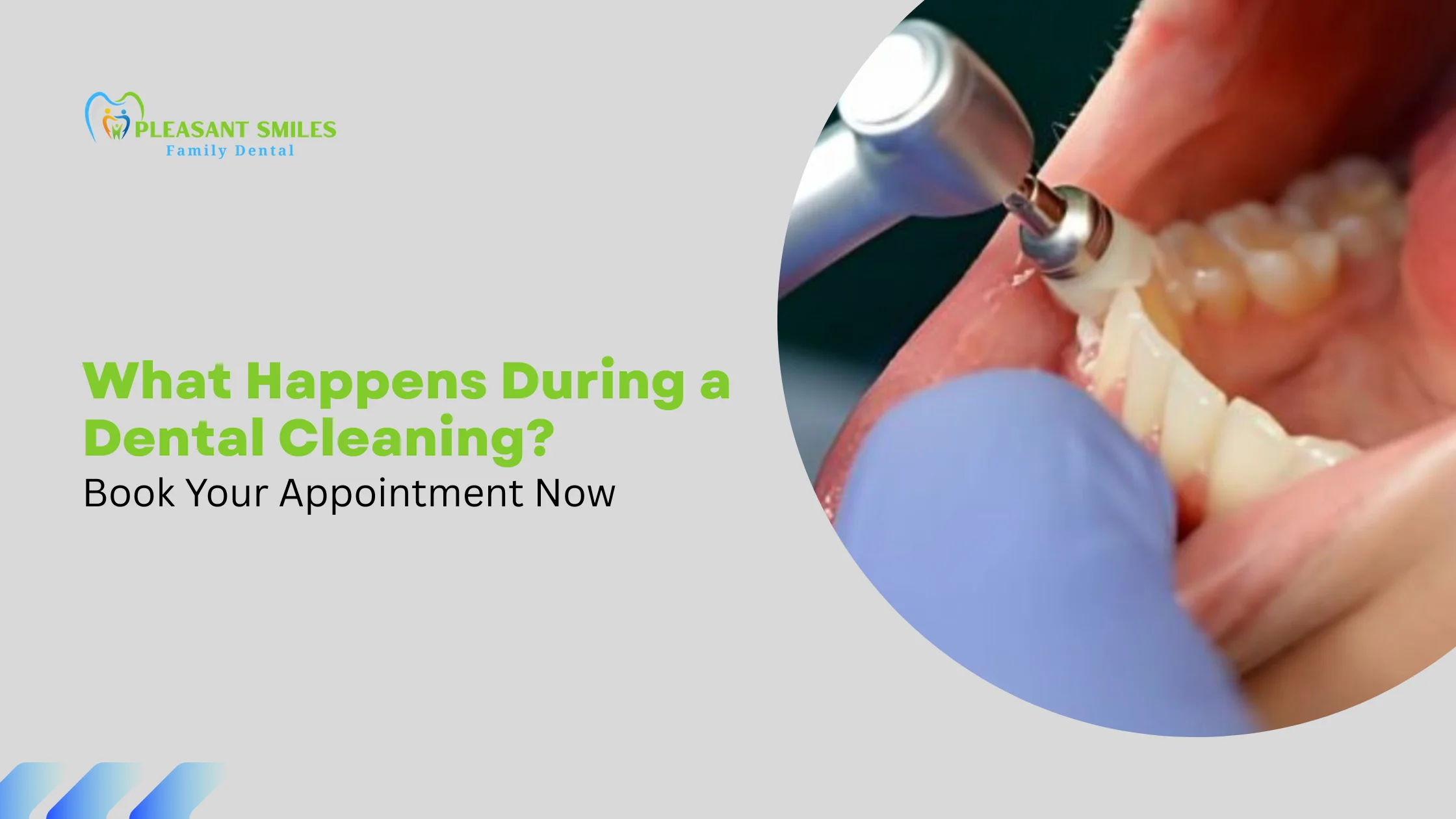
What Happens During a Dental Cleaning

What Happens During a Dental Cleaning

Understanding the dental cleaning process helps patients feel confident and prepared for their appointment. A professional dental cleaning follows a structured, preventive approach designed to protect both teeth and gums while identifying potential concerns early.

1. Initial Oral Examination

The visit typically begins with a brief oral exam performed by a dental professional. Teeth, gums, and surrounding tissues are checked for signs of cavities, gum inflammation, plaque buildup, or other oral health issues. This step plays a key role in early detection, allowing problems to be addressed before they progress.

2. Plaque and Tartar Removal (Scaling)

Specialized instruments are used to gently remove plaque and hardened tartar from the tooth surfaces and along the gumline. Even with good brushing habits, tartar can form in hard-to-reach areas, making professional scaling essential for preventing gum disease and enamel damage.

3. Polishing and Flossing

After scaling, teeth are polished using a mildly abrasive paste to remove surface stains and smooth the enamel. Flossing follows to clear debris between teeth and ensure a thorough clean.

4. Fluoride Treatment (When Recommended)

In some cases, fluoride is applied to strengthen tooth enamel and reduce the risk of cavities. This step is especially beneficial for children or individuals prone to tooth decay.

5. X-Rays or Additional Assessments (If Needed)

When necessary, dental X-rays may be taken to evaluate areas not visible during the exam, supporting accurate diagnosis and long-term care planning.

This step-by-step process ensures dental cleanings support both immediate cleanliness and long-term oral health.

Typical Time Frames for Different Types of Dental Cleanings

Not all dental cleanings are the same. The length of an appointment depends on the type of cleaning required and the patient’s current oral health. Understanding these time frames helps patients plan visits and know what to expect.

Routine Dental Cleaning (Prophylaxis)

For patients who attend regular checkups every six months and maintain good oral hygiene, a standard dental cleaning typically takes 30–45 minutes. This usually includes an oral examination, removal of plaque and tartar, polishing, and optional fluoride treatment. These visits are efficient and focused on prevention.

First-Time or Overdue Cleanings

If a patient has not had a cleaning in over a year or has noticeable plaque and tartar buildup, the appointment may take 45–60 minutes. Additional time allows for more detailed scaling and evaluation of gum health to ensure a thorough and safe cleaning.

Deep Cleaning (Scaling and Root Planing)

Patients diagnosed with gum disease may require deep cleaning procedures. These are more extensive and are often divided into multiple visits, with each session lasting 60–90 minutes. Deep cleanings target bacteria and tartar below the gumline to reduce inflammation and slow disease progression.

Pediatric Dental Cleanings

Children’s cleanings are usually shorter, lasting 20–30 minutes. These visits focus on gentle cleaning, monitoring tooth development, and reinforcing proper brushing and flossing habits.

Knowing the appropriate cleaning type and time commitment helps patients stay proactive about their oral health and avoid more complex treatments in the future.

Factors That Affect How Long a Dental Cleaning Takes

The length of a dental cleaning appointment can vary from person to person based on several oral health and procedural factors. Understanding these variables helps patients better anticipate their visit and appreciate why some cleanings take longer than others.

Plaque and Tartar Buildup

The amount of plaque and hardened tartar on the teeth plays a major role in cleaning duration. Patients who brush and floss consistently and attend regular checkups usually require less scaling, resulting in shorter appointments. Heavier buildup, especially along the gum line, requires more time for safe and thorough removal.

Gum Health

Healthy gums allow for quicker and more comfortable cleanings. If gums are inflamed, swollen, or prone to bleeding, the hygienist must work more carefully to avoid discomfort and ensure proper care, which can extend the appointment.

Dental History and Restorations

Crowns, bridges, implants, orthodontic appliances, and other restorations require extra attention during cleanings. These areas must be cleaned carefully to avoid damage and ensure plaque does not accumulate around margins or hardware.

Sensitivity and Anxiety

Tooth sensitivity or dental anxiety can slow the process, as breaks, gentler techniques, or additional explanations may be needed. Taking time to ensure comfort helps create a more positive experience.

Additional Diagnostics

If X-rays, oral cancer screenings, or comprehensive examinations are performed during the same visit, the total appointment time will naturally increase. These evaluations support early detection and long-term oral health.

Because of these factors, dental cleanings may range from 30 to 60 minutes, depending on individual needs and oral health status.

Cost Comparison: Preventive Cleanings vs. Restorative Treatments

Regular dental cleanings are not only essential for oral health—they are also a cost-effective way to prevent more expensive dental problems in the future. For patients in Cheshire, CT, investing in preventive care can significantly reduce long-term dental expenses.

Approximate Costs in Cheshire, CT

A routine preventive dental cleaning typically costs around $100–$150 per visit, depending on the office and whether exams or basic diagnostics are included. 

Optional services such as fluoride treatments or sealants may add a small additional cost, but these measures help strengthen enamel and lower the risk of decay.

In comparison, restorative treatments are substantially more expensive. A simple filling may cost approximately $200–$400, while crowns and root canal treatments can range from $800 to $2,000 or more per tooth, depending on complexity, materials, and the tooth’s location. 

These figures are approximate and can vary based on individual treatment needs and insurance coverage.

Why Prevention Saves Money Long-Term

Preventive cleanings help detect early signs of cavities, gum disease, or enamel wear before they progress into more serious conditions. Addressing issues early often avoids the need for extensive procedures, multiple appointments, and higher out-of-pocket costs. Preventive care also lowers the risk of dental emergencies, which tend to be both urgent and costly.

Example Scenario

A small cavity caught during a routine cleaning could be managed with minimal treatment. Without preventive visits, that same issue may worsen and eventually require a crown or root canal—turning a modest preventive expense into a much larger financial and time commitment.

Overall, regular dental cleanings represent a proactive approach that protects both oral health and long-term dental budgets.

What to Expect During Your Visit at Pleasant Smiles

Visiting the dentist doesn’t have to be stressful—especially at Pleasant Smiles Family Dental in Cheshire, CT. From the moment you step into our office, every detail is designed to make your cleaning smooth, efficient, and comfortable.

Warm Welcome and Relaxing Atmosphere

Our friendly team greets patients by name, offering a calm and inviting environment. Soft music, comfortable seating, and a kid-friendly space help reduce anxiety, making every visit feel welcoming.

Personalized Approach

Dr. Vijitha Bandla reviews your dental history, examines your oral health, and customizes your cleaning to meet your specific needs. Whether it’s your first visit in years or a routine six-month checkup, our team ensures every step is tailored for you.

Step-by-Step Cleaning Process

  • Initial Exam: A quick check of teeth, gums, and overall oral health to identify potential concerns.
  • Scaling: Gentle removal of plaque and tartar from tooth surfaces and gum lines.
  • Polishing: Teeth are polished to remove surface stains and leave a smooth finish.
  • Flossing: Thorough flossing ensures no debris is left behind.
  • Fluoride Treatment: Optional fluoride strengthens enamel and helps prevent cavities.

Parent and Patient Guidance

Before you leave, our hygienists provide practical tips for maintaining oral health at home, from proper brushing techniques to dietary advice.

Efficiency and Comfort

Appointments typically last 30–60 minutes depending on your oral health, but the process is never rushed. Our goal is to combine high-quality care with a stress-free, pleasant experience for every patient.

At Pleasant Smiles Family Dental, Dr. Vijitha Bandla and her team prioritize patient comfort, thorough care, and education, ensuring that every dental cleaning supports long-term oral health and leaves patients smiling with confidence.

Frequently Asked Questions (FAQ)

1. Why is dental cleaning important if I brush every day?

Even with regular brushing and flossing, plaque and tartar can build up in hard-to-reach areas. Professional dental cleanings remove these deposits, reduce the risk of cavities and gum disease, and help maintain long-term oral health. Pleasant Smiles Family Dental ensures thorough, gentle care tailored to each patient.

2. Will dental cleanings hurt?

Most patients experience little to no discomfort during routine cleanings. Dr. Vijitha Bandla and the team use gentle techniques and advanced tools to make the process comfortable. Sensitive patients may benefit from additional comfort measures, including numbing gel or shorter cleaning sessions.

3. How long does a dental cleaning take?

A standard cleaning usually takes 30–45 minutes for patients who maintain regular visits. First-time or overdue cleanings may take slightly longer. Children or patients with minimal buildup may finish in about 20–30 minutes.

4. Are dental cleanings covered by insurance?

Most dental insurance plans, including Husky coverage for eligible patients, partially or fully cover preventive cleanings. Pleasant Smiles Family Dental helps verify benefits and guides families through insurance coverage and flexible payment options.

5. How soon after a cleaning should I schedule my next one?

Dentists recommend scheduling a cleaning every six months to maintain optimal oral health. Patients with gum disease or higher risk factors may need more frequent visits, which Dr. Vijitha Bandla can personalize for your needs.

Root Canal Treatment in Cheshire, CT – Complete Patient Guide

Persistent tooth pain can disrupt daily life and often signals an underlying infection that needs immediate care. For patients searching for root canal treatment in Cheshire, Pleasant Smiles Family Dental provides reliable, gentle solutions designed to relieve pain and preserve natural teeth. Led by Dr. Vijitha Bandla, the practice combines modern dental technology with a patient-first approach to ensure comfort and long-term results.

This guide explains everything patients need to know about root canal treatment, including symptoms, procedure steps, recovery, cost considerations, and why choosing an experienced local dentist in Cheshire, CT makes a meaningful difference.

Why Root Canal Treatment Matters

Root canal treatment is an essential dental procedure that helps save natural teeth and stop the spread of infection. When the pulp inside a tooth becomes infected due to deep decay, cracks, or injury, bacteria can travel through the root canals and affect the surrounding bone and gums. 

Root canal treatment removes this infected tissue, cleans and disinfects the canals, and seals the tooth to prevent further damage. Preserving the natural tooth is always the preferred option, as it maintains proper chewing function, supports jaw alignment, and prevents neighboring teeth from shifting.

There are many myths surrounding root canal treatment, especially the belief that it is painful. In reality, modern root canal procedures are designed to relieve pain—not cause it. With advanced anesthesia, digital imaging, and gentle techniques, most patients experience comfort similar to a standard filling. The discomfort people associate with root canals usually comes from the infection itself, which the treatment effectively eliminates.

Signs & Symptoms That Indicate You May Need a Root Canal

Signs & Symptoms That Indicate You May Need a Root Canal

Understanding the warning signs of an infected tooth helps patients seek treatment before the condition worsens. Below are the most common symptoms dentists look for when diagnosing the need for root canal treatment.

Persistent or Throbbing Tooth Pain

Ongoing pain, especially pain that comes and goes or worsens at night, often indicates infection or nerve inflammation inside the tooth.

Prolonged Sensitivity to Hot or Cold

If sensitivity lingers after eating or drinking hot or cold items, it may signal damage to the tooth pulp rather than simple enamel wear.

Pain While Chewing or Biting

Discomfort when applying pressure can mean the infection has reached the root or surrounding bone, affecting the tooth’s stability.

Swollen or Tender Gums

Localized gum swelling, tenderness, or redness near a specific tooth is a common sign of an underlying infection.

Darkening or Discoloration of the Tooth

A gray or darkened tooth often indicates that the nerve tissue inside has been compromised or has died.

Recurring Pimple or Abscess on the Gums

A small bump that drains fluid is a clear sign of infection spreading beyond the tooth root and should never be ignored.

Early diagnosis allows dentists to treat the infection before it causes severe pain, bone damage, or tooth loss, resulting in more predictable and comfortable outcomes.

Understanding the Root Canal Procedure

Diagnosis & Consultation

The process begins with a thorough dental exam and digital X-rays to confirm infection inside the tooth. The dentist evaluates the extent of damage and explains the treatment plan, expected timeline, and restoration options.

Local Anesthesia and Numbing

Before treatment starts, the area is fully numbed using local anesthesia. This ensures the root canal procedure is comfortable and pain-free, similar to receiving a routine filling.

Removal of Infected Pulp

Once numb, a small opening is made in the tooth to access the infected pulp. The damaged nerve tissue and bacteria are carefully removed to eliminate the source of pain and infection.

Cleaning & Disinfecting the Canals

The inner canals are precisely cleaned, shaped, and disinfected using specialized instruments. This step prevents bacteria from spreading and promotes long-term healing.

Shaping and Filling

After cleaning, the canals are shaped and filled with a biocompatible material to stabilize the tooth and prevent reinfection.

Sealing and Restoration (Crown)

The tooth is sealed, and in most cases, a dental crown is placed to restore strength, function, and natural appearance.

Why Root Canal Treatment Doesn’t Have to Be Painful

Advances in modern endodontic techniques have transformed root canal treatment into a comfortable and routine dental procedure. Precise instruments, digital imaging, and improved cleaning methods allow the infected tissue to be removed efficiently while protecting healthy tooth structure.

Local anesthesia plays a key role in pain control. The area around the affected tooth is fully numbed before treatment begins, so patients typically feel little more than mild pressure during the procedure. For individuals with dental anxiety or heightened sensitivity, additional comfort options may be available to help them relax throughout the visit.

Sedation dentistry can also be considered when appropriate, especially for patients who feel nervous about dental care or require longer treatments. These options help create a calm, stress-free experience while allowing the dentist to work safely and effectively.

At Pleasant Smiles Family Dental, Dr. Vijitha Bandla is known for a gentle, patient-focused approach. Clear communication, a calm environment, and careful attention to comfort help ensure that root canal treatment is far easier than most patients expect.

Root Canal vs. Extraction: What’s Best?

Root Canal vs Extraction

When a tooth is severely damaged or infected, patients often face the choice between root canal treatment and extraction. Understanding the differences can help you make an informed decision.

Root Canal Treatment – Pros and Cons

  • Pros:

    • Preserves the natural tooth structure and appearance
    • Maintains proper bite and jaw alignment
    • Prevents neighboring teeth from shifting
    • Eliminates infection and relieves pain
    • Often avoids the need for more complex restorations
  • Cons:

    • Requires multiple steps or visits (unless same-day option is available)
    • Slight post-treatment sensitivity may occur

Tooth Extraction – Pros and Cons

  • Pros:

    • Immediate removal of the infected tooth
    • Can simplify some severe cases where restoration isn’t feasible
  • Cons:

    • Loss of natural tooth function and aesthetics
    • Potential for bone loss or jaw changes over time
    • Need for tooth replacement (implant, bridge, or denture), which adds cost and procedures

Long-Term Health Implications

Root canal treatment typically preserves oral health more effectively than extraction. Keeping the natural tooth maintains chewing efficiency, prevents shifting of adjacent teeth, and reduces future restorative needs.

At Pleasant Smiles Family Dental, Dr. Vijitha Bandla prioritizes tooth preservation whenever possible, combining modern techniques with gentle care to ensure the most comfortable and effective treatment plan for every patient.

How Long Does a Root Canal Last?

A root canal is designed to save a natural tooth and can last for many years—often a lifetime—with proper care. Understanding its longevity and the factors that influence success helps patients make informed dental decisions.

Longevity Expectations

Most root canal-treated teeth can last 10–20 years or longer, especially when restored promptly with a crown. With regular dental visits and good oral hygiene, many patients retain their treated teeth for life.

Factors That Influence Success Rates

  • Quality of the Procedure: Thorough cleaning, shaping, and filling of all canals reduces reinfection risk.
  • Tooth Location: Molars with multiple canals may have slightly higher failure rates than single-canal teeth.
  • Oral Hygiene: Brushing, flossing, and routine checkups prevent decay and gum disease around the treated tooth.
  • Bite and Pressure: Teeth under heavy grinding or clenching may experience additional stress.

Importance of Restoration (Crown) After Root Canal

Placing a crown or onlay protects the treated tooth from fracture and restores full function. A strong restoration seals the tooth, preventing bacteria from re-entering and prolonging the lifespan of the root canal.

At Pleasant Smiles Family Dental, Dr. Vijitha Bandla ensures each root canal tooth receives the appropriate restoration for long-term durability and comfort.

Costs and Insurance Coverage in Cheshire

The cost of root canal treatment in Cheshire, CT depends on the complexity of the tooth and the number of canals involved. Front teeth with a single canal typically cost less than molars, which have multiple canals and require more intricate treatment.

Insurance Coverage

Many dental insurance plans, including Husky, cover a portion of medically necessary root canal procedures. Coverage may vary based on whether the tooth requires additional restoration, such as a crown, which is often recommended after treatment.

Affordable Options at Pleasant Smiles

Pleasant Smiles Family Dental helps families navigate their insurance benefits, providing clear explanations of coverage and out-of-pocket costs. Flexible payment plans and financing options are available to make treatment accessible without financial stress. Staff members assist with pre-authorization and claims, ensuring patients can focus on their oral health rather than paperwork.

By combining insurance support with transparent pricing and flexible payment solutions, Pleasant Smiles ensures that high-quality root canal treatment in Cheshire is both effective and affordable for every patient.

Conclusion

Tooth pain is a sign that your dental health needs immediate attention. Ignoring persistent discomfort can lead to more serious complications, including infection or tooth loss. Root canal treatment in Cheshire, CT is a reliable way to save your natural tooth, relieve pain, and restore oral health efficiently.

At Pleasant Smiles Family Dental, Dr. Vijitha Bandla and the experienced team provide gentle, patient-focused care, using modern techniques to make the procedure as comfortable as possible. From diagnosis to restoration, every step is designed to protect your smile and ensure long-term results.

Don’t wait until the pain worsens—schedule your consultation today. Call Pleasant Smiles Family Dental or book online to restore comfort, preserve your natural teeth, and regain confidence in your smile. Your healthy, pain-free smile starts here.

Frequently Asked Questions

1. How much should a root canal treatment cost?

The cost of a root canal depends on the tooth type and complexity. On average, a front tooth may cost $300–$700, a premolar $400–$900, and a molar $500–$1,200. Costs can vary based on location, dentist experience, and whether a crown is needed afterward.

2. How much does a root canal really cost?

A root canal’s real cost includes the procedure itself plus any restoration, such as a crown. Overall, patients can expect $500–$2,000 per tooth depending on materials and complexity. Insurance may cover a portion if the treatment is medically necessary.

3. How much is the rate for a root canal?

Rates vary by dental practice, region, and the tooth being treated. Typical rates range from $300 for simple front teeth to $1,200 or more for molars, with additional costs for anesthesia, imaging, and crowns.

4. Is 2 weeks too long to wait for a root canal?

Waiting two weeks can be risky if you have persistent pain, swelling, or infection, as the tooth may worsen or the infection can spread. If symptoms are mild, short delays may be manageable, but prompt treatment is always recommended to prevent complications.

Dental Crown Procedure in Cheshire, CT: Pleasant Smiles Family Dental

What Patients Should Know About Dental Crowns Procedure

When a tooth becomes cracked, weakened, or severely decayed, the dental crown procedure is often the most dependable way to restore strength, function, and a natural-looking smile.

For families in Cheshire, CT, Pleasant Smiles Family Dental provides both traditional and same-day crown solutions using advanced technology and a gentle, patient-centered approach. Dr. Vijitha Bandla designs each crown with precision to ensure long-lasting durability, comfort, and seamless aesthetics.

This comprehensive guide walks readers through everything they need to know — from crown materials and step-by-step treatment to recovery timelines, costs, longevity, and the benefits of same-day crowns. It also highlights how Pleasant Smiles Family Dental delivers a smooth, stress-free experience from the very first visit.

What is a Dental Crown?

A dental crown is a custom-made cap that fits over a damaged or weakened tooth to restore its shape, strength, function, and natural appearance. Crowns act like a protective shield, allowing patients to chew comfortably while preventing further damage.

Common Reasons for Dental Crowns

Most patients in Cheshire need crowns for one of the following reasons:

  • Large cavities that cannot be restored with a filling
  • After a root canal, when the tooth becomes more fragile
  • Cracked or fractured teeth
  • Broken fillings
  • Worn-down teeth due to grinding
  • Cosmetic concerns, such as misshapen or discolored teeth

Dental crowns protect natural teeth while providing a long-lasting, realistic restoration.

Types of Dental Crowns — Pros & Cons

Porcelain / Ceramic Crowns

Best for front teeth, porcelain crowns offer excellent aesthetics and blend beautifully with natural enamel. They are metal-free and ideal for patients prioritizing appearance.

Porcelain-Fused-to-Metal (PFM) Crowns

PFM crowns combine durability with cosmetic appeal. Although strong, they may show a faint grey line at the gumline over time, making them better suited for back teeth.

Full Metal Crowns — Gold or Alloys

Metal crowns are extremely durable and ideal for molars. They rarely chip or break, making them perfect for patients with heavy bite forces or grinding habits.

Zirconia Crowns

Zirconia combines high strength with impressive aesthetics. These crowns resist fracture and wear, making them one of the most popular modern options.

Stainless Steel Crowns

Used mainly in pediatric dentistry, stainless steel crowns are durable, cost-effective, and commonly used for children with large cavities.

Crown Types

Crown Type Best For Aesthetics Durability Cost Range Notes
Porcelain/Ceramic Front teeth ★★★★★ ★★★★☆ Medium Most natural-looking
PFM Back teeth ★★★★☆ ★★★★☆ Medium Slight metal line possible
Metal Molars ★★★☆☆ ★★★★★ High Longest-lasting
Zirconia Any tooth ★★★★☆ ★★★★★ High Strong + aesthetic
Stainless Steel Kids ★★☆☆☆ ★★★★☆ Low Temporary/pediatric use

Do You Need a Crown? Signs & Diagnosis

Symptoms That Suggest You May Need a Crown

Cheshire patients often experience:

  • Pain when chewing
  • Sensitivity to hot or cold
  • A cracked or chipped tooth
  • A tooth that looks dark or weakened
  • A large or failing filling
  • A tooth recently treated with a root canal

How Dentists Diagnose the Need for a Crown

At Pleasant Smiles Family Dental, Dr. Vijitha Bandla uses:

  • Digital X-rays for internal assessment
  • Bite analysis to check pressure points
  • Tooth vitality testing
  • Visual examination for structural weakness

This ensures patients receive a treatment plan tailored to their needs.

Step-by-Step: Traditional Dental Crown Procedure

1. Consultation & Treatment Planning

During the first visit, Dr. Bandla reviews medical history, examines the tooth, takes digital images, and helps patients choose the right shade and material.

2. Tooth Preparation

After numbing the tooth, a thin layer of enamel is reshaped. If needed, a core buildup is added to strengthen the foundation.

3. Impression or Digital Scan

Pleasant Smiles offers both methods. Digital scans are preferred because they are fast, comfortable, and highly accurate.

4. Temporary Crown Placement

A temporary crown protects the tooth for 1–2 weeks. Patients receive instructions on care and eating.

5. Lab Fabrication

The dental lab creates a precise, customized crown using the chosen material.

6. Final Cementation

At the second visit, the temporary crown is removed, the new crown is checked for fit and bite alignment, and then permanently bonded.

Same-Day Crowns (CAD/CAM) — One-Visit Restoration

Same-day crowns use digital scanning and on-site milling technology to create a crown in a single appointment.

How Same-Day Crowns Work

  1. Digital scan
  2. 3D design
  3. Milling the crown from ceramic or zirconia
  4. Immediate placement

Advantages

  • No temporary crown
  • One visit instead of two
  • Faster relief
  • Highly precise fit

Limitations

Not every tooth is a candidate. Some cases require lab-made crowns for better customization.

Pleasant Smiles’ Approach

Patients appreciate the convenience and comfort of same-day restorations, especially those with busy schedules.

Materials & Technology Used at Pleasant Smiles

Pleasant Smiles Family Dental uses:

  • Digital impressions
  • CAD/CAM technology
  • High-strength zirconia and E.max materials
  • Advanced anesthetics
  • Modern bonding systems

These technologies improve accuracy, durability, and patient comfort.

Crown Aftercare: Do’s & Don’ts

Immediately After Placement

  • Avoid sticky or hard foods for 24 hours
  • Do not chew on the numb side
  • Expect slight sensitivity

Oral Hygiene Tips

  • Brush gently but thoroughly
  • Floss daily (slide, don’t snap)
  • Use fluoride toothpaste

When to Call the Dentist

  • Crown feels loose
  • Bite feels “off”
  • Persistent pain

How Long Do Crowns Last?

Average Lifespan

  • Porcelain: 10–15 years
  • Zirconia: 15–20+ years
  • Metal: 20+ years

What Shortens Lifespan

  • Teeth grinding
  • Poor oral hygiene
  • Biting hard objects

Maintenance Tips

  • Wear a night guard if grinding
  • Visit regularly for cleanings
  • Avoid chewing ice

Costs & Insurance

Typical CT Crown Costs

  • Porcelain/Zirconia: $1,200–$2,000
  • Metal: $1,300–$2,300
  • Same-day crowns: similar range

Insurance Coverage

Most plans cover medically necessary crowns at 40–80%. Pleasant Smiles Family Dental assists patients by verifying benefits to filing your claims and offering clear cost estimates.

Common Risks & Complications

Dental crowns are generally safe and long-lasting, but a few potential issues can arise:

  • Temporary sensitivity to hot or cold after the procedure
  • Loose crown due to changes in the underlying tooth or cement failure
  • Marginal decay if plaque builds up around the crown edges
  • Bite problems if the crown sits slightly high or uneven
  • Rare fractures from excessive grinding or biting hard foods

Most of these issues are minor and easy to correct when addressed early.

At Pleasant Smiles Family Dental, risks are greatly reduced thanks to precise digital impressions, high-quality materials, and thorough bite adjustments. Dr. Vijitha Bandla ensures each crown fits comfortably and securely, helping patients enjoy long-term comfort and stronger oral health.

Crown Procedure for Special Situations

After a Root Canal

When a tooth undergoes a root canal, it becomes more fragile and prone to fractures. Placing a crown is essential to protect the weakened structure, restore strength, and ensure long-term function. At Pleasant Smiles Family Dental, crowns are carefully fitted after root canal therapy to seal the tooth and prevent future damage.

Broken or Severely Damaged Teeth

Teeth with extensive fractures or large areas of decay often need additional support before a crown can be placed. This may include a core buildup or post to rebuild missing structure. These foundations allow the crown to fit securely and function like a natural tooth, even when significant damage has occurred.

Pediatric Crowns

For children, especially those with severe decay on baby molars, stainless steel crowns are frequently recommended. These crowns are durable, cost-effective, and protect the tooth until it naturally falls out. They help maintain proper spacing and prevent discomfort or infection.

Implant Crowns

Implant crowns are custom-designed restorations attached to dental implants to replace missing teeth permanently. These crowns mimic natural tooth aesthetics and strength, offering exceptional stability and long-term function. Pleasant Smiles ensures precise fit and color matching for seamless integration into a patient’s smile.

What to Expect at Pleasant Smiles Family Dental

Patients can expect:

  • Warm greeting and quick check-in
  • Gentle exam with digital imaging
  • Personalized discussion about crown options
  • Clear explanations and affordable choices
  • Modern technology that speeds treatment
  • Convenient hours and easy parking

Mini Case Study

A local Cheshire patient with a fractured molar received a same-day zirconia crown. They left the office with a fully restored tooth and no need for a second appointment — a perfect example of Pleasant Smiles’ patient-centered approach.

Conclusion

Dental crowns remain one of the most dependable solutions for restoring weakened, fractured, or heavily decayed teeth. They not only protect the tooth structure but also enhance function and appearance for long-term oral health. 

At Pleasant Smiles Family Dental, patients benefit from modern technology, precise digital imaging, and the option of both traditional lab-made crowns and convenient same-day restorations. Each crown is crafted to look natural and fit comfortably, ensuring durable results tailored to individual needs.

For those ready to rebuild confidence in their smile, appointments with Dr. Vijitha Bandla are available with flexible scheduling. Call Pleasant Smiles Family Dental or book online to begin your crown treatment with a trusted Cheshire CT dental provider.

Pediatric Dentist Cheshire CT — Gentle Care for Kids

Introduction

Parents searching for pediatric dentist Cheshire CT want a provider who delivers gentle, reliable, and compassionate care for their child. Early dental visits play a crucial role in building confidence, preventing future problems, and shaping lifelong oral habits—so choosing the right pediatric-friendly dentist truly matters. 

At Pleasant Smiles Family Dental, Dr. Vijitha Bandla creates a warm, nurturing environment where young patients feel safe, calm, and understood. This comprehensive guide will walk you through everything parents need to know, including available pediatric services, what happens during the first visit, how we ease dental anxiety, essential at-home tips, insurance information, and answers to common questions. 

If you’re ready to support your child’s healthiest smile, Pleasant Smiles is here to make every step simple and stress-free.

Why Pediatric Dentistry Matters

Pediatric dentistry plays a vital role in your child’s overall health, extending well beyond basic cleanings and checkups. A pediatric dentist in Cheshire CT understands the unique stages of childhood dental development—how baby teeth emerge, how jaw growth shapes bite alignment, and how early behaviors can influence oral health for years to come. This specialized knowledge helps detect concerns earlier and ensures your child receives care tailored to their age and comfort level.

Specialized Care Designed for Children

Pediatric-focused providers use child-friendly communication, gentle behavior guidance, and a calm, supportive approach that helps even anxious kids feel secure during visits. Their training includes managing childhood habits, developmental issues, and dental anxieties, making each appointment smoother for both parents and children.

Prevention That Protects the Future

Preventive care—such as fluoride treatments, dental sealants, regular cleanings, and early orthodontic screenings—plays a major role in reducing cavities, guiding proper bite development, and avoiding future complications. When children begin dental care early, they benefit from timely intervention, fewer emergency visits, reduced long-term costs, and healthy habits that last a lifetime.

When to Schedule Your Child’s First Visit

The American Academy of Pediatric Dentistry (AAPD) recommends scheduling your child’s first dental visit by their first birthday or within six months after the first tooth appears. Early dental care is essential because it allows your pediatric dentist to monitor jaw growth, check for early decay, and guide healthy habits before problems begin.

Why Early Visits Matter

Introducing your child to a pediatric dentist in Cheshire CT at a young age helps build comfort, reduces dental anxiety, and ensures any developmental concerns are addressed early. These early checkups also give parents valuable guidance on brushing routines, feeding habits, teething relief, and cavity prevention strategies.

What Happens at the First Visit

At Pleasant Smiles Family Dental, Dr. Vijitha Bandla keeps your child’s first appointment simple, gentle, and stress-free. The visit includes:

  • A quick oral exam to evaluate tooth and gum health
  • Discussion about brushing, diet, and oral hygiene routines
  • Guidance on fluoride, pacifier use, and bottle-feeding habits
  • Time for parents to ask questions

Infants and toddlers are always welcome, and families appreciate our convenient scheduling and insurance flexibility—including Husky coverage when applicable. Early visits set the foundation for a lifetime of healthy smiles.

Services Offered for Kids at Pleasant Smiles Family Dental

At Pleasant Smiles Family Dental, families searching for a pediatric dentist in Cheshire CT will find a full range of child-focused services designed to support healthy development and truly comfortable dental experiences. Every treatment is tailored to your child’s age, personality, and unique dental needs.

Preventive Pediatric Dental Care

Preventive dentistry lays the foundation for lifelong oral health. Pleasant Smiles offers:

  • Gentle cleanings that remove plaque while keeping children relaxed
  • Comprehensive exams to monitor growth, eruption patterns, and bite alignment
  • Fluoride treatments that strengthen young enamel
  • Dental sealants to protect cavity-prone molars from decay

Parents appreciate these early interventions because they significantly reduce the risk of cavities and future orthodontic issues.

Restorative Solutions for Growing Smiles

When treatment is needed, Dr. Vijitha Bandla uses kid-friendly techniques and materials, including:

  • Tooth-colored fillings that blend naturally and restore function
  • Pediatric crowns for severely damaged or decayed baby teeth

These treatments help maintain proper spacing for adult teeth and prevent long-term complications.

Orthodontic Checks for Kids

Pleasant Smiles evaluates bite development early to identify crowding, crossbites, or spacing concerns. Interceptive treatments—done during key growth phases—often minimize the need for extensive orthodontics later.

Emergency Pediatric Dental Care

Accidents happen, and Pleasant Smiles is equipped to handle urgent needs such as knocked-out teeth, dental trauma, sudden toothaches, or chipped teeth. Children are treated promptly with a calm, reassuring approach.

Comfort & Needs Care

Dr. Bandla uses behavior guidance techniques like “tell-show-do,” positive reinforcement, and gentle communication to help children feel secure. Nitrous oxide (laughing gas) may be offered for added comfort. The practice also provides supportive accommodations for children with sensory sensitivities or developmental needs, ensuring every child receives compassionate, individualized care.

With a kid-friendly environment and an experienced pediatric team, Pleasant Smiles Family Dental makes every visit smooth, educational, and stress-free for both children and parents.

What to Expect at Your Child’s Visit

From the moment you check in, the experience is designed to be warm and welcoming. The visit usually begins with a gentle exam followed by a cleaning or demonstration of proper brushing techniques, depending on your child’s age. 

Preventive treatments such as fluoride or sealants may be provided when appropriate. Parents receive personalized education about home care, dietary recommendations, and developmental milestones. 

To help prepare your child, keep the conversation light and upbeat—avoid negative past dental stories, pack a favorite toy, and maintain a calm tone from home to the clinic. These small steps encourage your child to feel confident and relaxed.

How We Reduce Dental Anxiety in Kids

Gentle, Predictable Techniques

Pleasant Smiles Family Dental uses the proven “tell-show-do” approach to help children understand what will happen during their visit. By explaining each step in simple terms, demonstrating it safely, and then performing the procedure, kids feel more in control and far less nervous.

Distraction & Positive Communication

Engaging conversation, simple distractions, and friendly guidance help shift a child’s focus away from the procedure. Shorter visits also keep little ones from feeling overwhelmed. Our team uses calm, encouraging language designed to build trust and reduce fear from the moment they sit in the chair.

Parent Support When Needed

Depending on your child’s comfort level, parents may stay in the room during the visit. This creates a reassuring presence and helps children feel emotionally supported while they adjust to the dental environment.

Real-Life Comfort Examples

A shy toddler may begin a visit feeling uncertain, but allowing them to hold a small mirror or touch a safe dental tool often turns worry into curiosity. These gentle, hands-on moments help children relax, feel braver, and develop confidence during future appointments.

Common Pediatric Dental Treatments Explained

Modern pediatric dental care focuses on early detection, preventive solutions, and minimally invasive treatments to keep a child’s smile healthy. Tooth-colored fillings are used to treat cavities and naturally blend with the enamel for an aesthetic result. When decay is extensive or added strength is needed, pediatric dental crowns—commonly stainless steel—restore durability and protect the tooth from further issues.

Preventive Treatments

Dental sealants safeguard the grooves on molars by blocking food particles and bacteria, reducing cavity risk. Early orthodontic evaluations help dentists monitor jaw growth, identify crowding, and correct bite problems before they worsen, supporting long-term oral development.

Space Maintenance & Early Care

Space maintainers are recommended when a baby tooth is lost ahead of time, preventing surrounding teeth from shifting and preserving proper alignment. Addressing these concerns early ensures smoother future treatments and promotes healthier dental outcomes as your child grows.

Home Care Tips for Parents

Building healthy oral habits at home is one of the most important ways to protect your child’s smile between dental visits. Consistent routines not only prevent cavities but also support proper dental development. Here’s how parents in Cheshire, CT can maintain strong at-home care that aligns with pediatric dental recommendations.

Start Early with Brushing

Begin brushing as soon as the first tooth emerges. Use a tiny smear of fluoride toothpaste for infants and switch to a pea-sized amount once your child can spit. Brush twice daily using gentle, circular motions to remove plaque and strengthen enamel.

Introduce Flossing Early

Flossing should begin as soon as two teeth touch. This helps remove plaque from areas a toothbrush can’t reach and reduces the risk of early childhood cavities.

Smart Nutrition for Healthy Teeth

Limit sugary snacks, sticky treats, and frequent juice consumption. Encourage water—especially fluoridated water—along with nutrient-rich foods such as fruits, vegetables, dairy alternatives, and lean proteins. These support both oral and overall health.

Managing Habits Like Thumb-Sucking

If thumb-sucking or pacifier habits continue beyond age four, talk to your dentist about gentle, positive habit-breaking methods. Addressing these habits early can prevent bite and alignment issues later.

Know When to Call the Dentist

If you notice white spots on teeth, persistent discomfort, unusual sensitivity, or changes in eating habits, schedule a visit promptly. Early evaluation helps prevent small issues from becoming bigger problems.

With consistent home care and regular visits to Pleasant Smiles Family Dental, parents can help their children develop strong, cavity-free smiles that last a lifetime.

Insurance & Payment Options for Families

At Pleasant Smiles Family Dental, we make navigating insurance and payment options simple and stress-free for families in Cheshire, CT. We accept many common pediatric and family dental insurance plans, and Husky coverage is available for eligible children, ensuring that quality dental care is accessible to everyone.

New patients can complete forms online for a seamless first visit. Scheduling is flexible, allowing you to choose a time that works best for your child’s routine. Our friendly team ensures a warm, welcoming experience from check-in to completion, helping children feel comfortable from the start.

For parents who want extra guidance, Pleasant Smiles offers consultation opportunities to review treatment plans and coverage before any in-office appointment. If you’re unsure about your benefits or want to understand coverage limits, calling our office is the quickest way to get clarity and peace of mind.

Our goal is to provide high-quality pediatric dental care without unnecessary stress, helping families focus on what matters most—their child’s oral health and comfort.

How to Choose a Pediatric Dentist in Cheshire CT

Parents should look for a dentist with pediatric experience, a comforting office atmosphere, and flexible scheduling that fits busy family routines. 

A good pediatric provider offers emergency access, clear communication, supportive behavior techniques, and transparent payment options. Reading reviews and assessing location convenience can also guide your decision. 

Pleasant Smiles Family Dental meets these criteria with its experienced team, child-focused approach, and patient-centered care model that local families trust.

Conclusion

Pleasant Smiles Family Dental welcomes new families searching for a reliable pediatric dentist in Cheshire CT. To schedule your child’s visit with Dr. Vijitha Bandla, simply call the office or book an appointment online. With convenient hours, gentle pediatric care, and insurance-friendly options, every appointment is designed to be easy and stress-free. Start your child’s journey toward a healthier, happier smile today.

Pediatric Dentist Cheshire CT FAQ

1. What age should my child first see a pediatric dentist in Cheshire CT?

Children should visit by age one or within six months of their first tooth appearing to monitor early development and prevent decay.

2. Does Pleasant Smiles accept Husky or pediatric insurance?

Pleasant Smiles may accept Husky plans depending on eligibility. Contact the office to confirm coverage for your child.

3. Are pediatric fillings painful?

Tooth-colored fillings are completed gently with child-appropriate anesthetic techniques to keep the experience comfortable and stress-free.

4. How often should children have dental checkups?

Most children benefit from checkups every six months, though some may need more frequent visits based on individual risk.

5. What should I bring to my child’s first appointment?

Parents can bring previous dental records, insurance information, comfort items like toys, and any questions about their child’s oral habits.

6. Do you provide emergency pediatric dental care in Cheshire?

Yes, Pleasant Smiles offers prompt emergency care for issues such as trauma, severe pain, or broken teeth.

Emergency Dentist in Cheshire – Same-Day Dental Care

Dental emergencies can happen without warning — a cracked tooth while eating, a throbbing toothache that keeps you up at night, or an accident that knocks out a tooth entirely. In moments like these, having a trusted emergency dentist in Cheshire, CT can make all the difference between saving a tooth and losing it.

At Pleasant Smiles Family Dental, we understand that dental pain can’t wait for regular office hours. That’s why Dr. Vijitha Bandla and her experienced team provide prompt, same-day emergency dental care for patients across Cheshire and nearby communities. Our goal is to relieve pain quickly, address the root cause of the issue, and help you return to comfort as soon as possible.

From treating sudden infections and abscesses to repairing broken crowns or restoring knocked-out teeth, we handle a full range of urgent dental problems using advanced technology and gentle, patient-focused care. We also know how stressful dental emergencies can feel — so every member of our team is trained to respond with empathy, clear communication, and efficient treatment planning.

When a dental crisis occurs, you shouldn’t have to search endlessly for help. Pleasant Smiles Family Dental keeps same-day emergency appointments available daily, ensuring that whether it’s early morning or late afternoon, you can reach a qualified dentist who’s ready to help.

If you’re experiencing severe dental pain, swelling, bleeding, or trauma, call our Cheshire dental office right away. Dr. Bandla will guide you on what to do next and ensure you get the care you need without delay.

What Is a Dental Emergency?

A dental emergency refers to any sudden oral health issue that causes severe pain, bleeding, infection, or trauma and requires immediate professional attention to prevent permanent damage or complications. Unlike routine dental problems, which can wait for a scheduled appointment, emergencies demand prompt treatment to protect the teeth, gums, and surrounding tissues — and, in some cases, your overall health.

According to the American Dental Association (ADA), a true dental emergency involves situations where delaying treatment could result in significant oral health deterioration or systemic infection. These issues often include severe toothaches, knocked-out teeth, cracked or fractured teeth exposing the nerve, uncontrolled bleeding after an injury or extraction, or signs of oral infection such as swelling in the face or jaw.

For example, if a tooth gets knocked out during an accident, seeking dental care within 30 to 60 minutes can often make the difference between saving and losing that tooth. Similarly, infections that cause swelling around the jaw or face may spread rapidly if untreated — in extreme cases, they can even become life-threatening when the infection reaches the bloodstream or airway.

Not all discomfort, however, qualifies as an emergency. A small chip, a minor sensitivity to cold, or a temporary gum irritation might feel uncomfortable but usually doesn’t require same-day attention. That’s why understanding the difference between urgent and non-urgent dental issues helps patients act quickly and appropriately.

At Pleasant Smiles Family Dental, Dr. Vijitha Bandla emphasizes that early evaluation is crucial. Even if you’re unsure whether your situation is an emergency, contacting a dentist immediately ensures the problem is accurately assessed. Many conditions that start small — such as untreated cavities or gum infections — can escalate into emergencies if ignored.

In essence, a dental emergency is any oral health problem that disrupts your daily life through pain, swelling, or trauma and risks long-term oral damage if not treated right away. Recognizing these signs early and seeking professional care can preserve your smile, prevent costly procedures later, and protect your overall well-being.

Common Dental Emergencies and Their Symptoms

Dental emergencies can occur unexpectedly — from biting into something hard to an accidental fall. Recognizing the signs early helps you respond the right way and get immediate care before the problem worsens. Below are the most common dental emergencies treated by Dr. Vijitha Bandla and her team at Pleasant Smiles Family Dental in Cheshire, CT, along with their warning symptoms and what they mean for your oral health.

1. Severe Toothache or Throbbing Pain

A persistent or intense toothache is one of the clearest signs of a dental emergency. It often indicates an underlying infection, an abscess, or deep tooth decay that has reached the nerve.

Common symptoms include: sharp or throbbing pain, sensitivity to temperature, swelling around the jaw, and difficulty chewing.

If left untreated, the infection can spread to the jawbone or bloodstream, leading to serious health risks. Prompt treatment — usually a root canal or drainage of the abscess — can quickly relieve pain and save the tooth.

2. Knocked-Out (Avulsed) Tooth

A knocked-out tooth is a true dental emergency that requires immediate action. According to the American Association of Endodontists, reimplantation is most successful when done within 30–60 minutes of the injury.

What to do: Gently rinse the tooth without scrubbing it, keep it moist in milk or saline, and bring it to the dental office right away.

At Pleasant Smiles Family Dental, Dr. Bandla’s team uses advanced preservation techniques to reattach the tooth if possible or replace it with dental implants if necessary.

3. Broken, Cracked, or Fractured Teeth

Teeth can crack or break from trauma, biting something hard, or untreated decay. Even a small crack can expose the inner nerve, causing pain and sensitivity.

Symptoms include: visible cracks, sharp edges, or pain when biting down.
Treatment depends on the severity — from bonding and crowns to emergency root canals if the pulp is exposed. Ignoring a fracture can lead to infection or tooth loss.

4. Lost or Dislodged Dental Filling or Crown

When a filling or crown falls out, it leaves the tooth unprotected and highly sensitive. This can quickly lead to pain, infection, or structural damage.

Temporary fix: You can use dental cement (available at pharmacies) to protect the area until you reach the dentist.

Professional care: Dr. Bandla ensures the tooth is cleaned, restored, and refitted with a durable crown or filling to prevent further complications.

5. Gum or Facial Swelling and Abscesses

Swelling in the gums, face, or jaw often indicates an infection that requires urgent attention.

Symptoms include: visible swelling, fever, tenderness, and sometimes a bad taste from pus drainage.

An abscess won’t heal on its own — it requires professional drainage and antibiotics. Left untreated, oral infections can spread and cause serious systemic issues. Dr. Vijitha Bandla and her team provide immediate infection control to relieve pain and prevent recurrence.

6. Soft Tissue Injuries (Gums, Cheeks, or Tongue)

Accidents can cause cuts or tears inside the mouth, leading to bleeding and pain.

First aid: Rinse gently with warm salt water and apply pressure with gauze to control bleeding. If bleeding persists after 10–15 minutes, seek emergency dental care immediately.

Dr. Bandla ensures that wounds are disinfected, sutured if necessary, and checked for any deeper damage to surrounding teeth or tissues.

7. Jaw Pain or Broken Jaw

Pain or difficulty moving the jaw may signal a fracture or dislocation. This can occur from accidents, sports injuries, or sudden trauma.

Symptoms include: swelling, difficulty closing the mouth, or misalignment of the teeth.

Immediate evaluation is crucial, as jaw injuries can affect your bite, breathing, and facial structure.

When to Visit an Emergency Dentist and When It Can Wait

Not every dental problem requires immediate emergency care, but knowing which situations demand urgent attention can prevent complications and save teeth. At Pleasant Smiles Family Dental in Cheshire, CT, Dr. Vijitha Bandla guides patients to recognize the difference between true emergencies and issues that can be scheduled for routine care.

Situations That Require Immediate Attention

  1. Severe Pain or Swelling
    Persistent or throbbing tooth pain, especially when accompanied by swelling in the gums, face, or jaw, should be treated as an emergency. These symptoms often indicate infections or abscesses, which can spread rapidly and, in severe cases, affect your overall health. Immediate care ensures timely antibiotics, pain relief, and, if necessary, drainage or root canal treatment.
  2. Knocked-Out or Loose Teeth
    A tooth that has been completely dislodged, partially knocked loose, or severely fractured needs urgent dental intervention. The earlier a dentist evaluates the injury — ideally within 30 to 60 minutes for knocked-out teeth — the higher the chance of saving the tooth and preventing permanent damage.
  3. Uncontrolled Bleeding or Trauma
    Bleeding that does not stop with 10–15 minutes of firm pressure or injuries involving the jaw, lips, or soft tissues qualifies as a dental emergency. Immediate care ensures proper clotting, prevents infection, and identifies any underlying fractures or damage.
  4. Signs of Infection
    Redness, warmth, swelling, pus drainage, fever, or difficulty swallowing may indicate a dental infection. Prompt evaluation and treatment are essential because untreated infections can spread to other parts of the head and neck, posing serious health risks.

Situations That Can Usually Wait for a Scheduled Appointment

While these issues can be uncomfortable, they typically do not require same-day intervention:

  • Minor chips that do not expose the nerve
  • Slight sensitivity to hot or cold foods
  • Loose fillings or crowns without pain
  • Mild gum irritation or bleeding from brushing

Even though these conditions can wait, it’s still important to schedule an appointment. Ignoring small problems can allow them to progress into emergencies over time.

Do We Handle After-Hours Emergencies? How to Get Care When the Office Is Closed

Dental emergencies often happen outside of normal office hours — late at night, early in the morning, or on weekends. At Pleasant Smiles Family Dental in Cheshire, CT, we understand that urgent dental issues can’t wait until the next business day. While our office strives to accommodate same-day emergencies during regular hours, we also provide guidance and resources for after-hours dental care.

After-Hours Options at Pleasant Smiles

While our clinic is not open 24/7, we have protocols in place to ensure that patients experiencing true dental emergencies receive timely assistance:

  • On-Call Support: Patients can call our main office number to reach a member of our team. Our staff will triage the situation over the phone and provide guidance on pain management, temporary solutions, and immediate steps to prevent worsening of the condition.
  • Scheduling the Earliest Possible Appointment: For injuries or severe pain occurring outside of normal hours, we reserve same-day or next-morning slots for patients in urgent need. This ensures that treatment begins as quickly as possible.
  • Instructions for Stabilization at Home: We provide clear instructions for managing bleeding, swelling, or pain temporarily until the patient can be seen by Dr. Vijitha Bandla. These instructions follow ADA and AAE guidelines for safe at-home management.

When to Go to the Emergency Room

Certain dental emergencies require hospital-level care rather than waiting for a dentist:

  • Severe facial trauma or jaw fractures
  • Uncontrolled bleeding that does not stop after 10–15 minutes of firm pressure
  • Signs of systemic infection, such as fever, difficulty breathing, or spreading swelling
  • Severe injuries involving other parts of the face or head alongside dental trauma

In these situations, we advise patients to go directly to the nearest emergency room for immediate stabilization before follow-up dental care.

By providing clear instructions and rapid access to care, Pleasant Smiles Family Dental ensures that patients in Cheshire, CT, never face a dental emergency alone. Even outside office hours, our priority is to minimize pain, prevent infection, and guide you safely until professional treatment is available.

Diagnostics and Treatments We Offer for Dental Emergencies

When you arrive at Pleasant Smiles Family Dental with a dental emergency, the first priority is to assess the problem accurately and provide immediate relief. Dr. Vijitha Bandla and her team use advanced diagnostic tools and evidence-based treatment methods to ensure that every patient receives fast, effective, and safe care.

Step 1: Comprehensive Evaluation and Diagnostics

The emergency visit begins with a thorough evaluation:

  • Medical and Dental History: Understanding your overall health, medications, and previous dental treatments helps prevent complications during urgent care.
  • Visual Examination: Dr. Bandla carefully examines the affected teeth, gums, and surrounding tissues to identify fractures, decay, or infection.
  • Imaging: Digital X-rays are used to detect hidden cracks, infections, or bone involvement. For complex cases, CBCT (cone-beam computed tomography) may be utilized to assess detailed tooth and jaw structure.
  • Pulp Vitality Testing: When a tooth is severely injured, tests determine whether the nerve is still viable or if immediate root canal treatment is needed.

This step ensures that treatment is tailored to the specific emergency, rather than using temporary measures that may fail later.

Step 2: Immediate Pain Relief and Stabilization

Once the evaluation is complete, the next priority is pain control and stabilization:

  • Local anesthesia to numb the area and allow comfortable treatment
  • Ice or cold compresses for swelling
  • Temporary splints or bonding for fractured or loose teeth
  • Debridement and cleaning for wounds or abscesses to reduce infection risk

The goal is to relieve pain immediately while protecting the tooth or affected area until definitive treatment is completed.

Step 3: Emergency Treatments We Provide

Depending on the type of emergency, Dr. Bandla offers a range of same-day procedures, including:

  • Reimplantation of Knocked-Out Teeth: Using best-practice techniques to preserve tooth viability.
  • Root Canal Therapy for Infected or Damaged Nerves: Rapid treatment to save teeth affected by trauma or abscess.
  • Incision and Drainage of Abscesses: Controlling infection and reducing swelling.
  • Emergency Extractions: When a tooth cannot be saved, removal is performed safely and efficiently.
  • Temporary or Permanent Crown/Filling Replacement: Protecting damaged teeth and restoring functionality.
  • Soft Tissue Repair: Suturing cuts or injuries to the gums, tongue, or lips.
  • Sedation and Comfort Options: For anxious patients, mild sedation or calming techniques may be offered to ensure stress-free treatment.

Step 4: Post-Treatment Instructions

After immediate care, patients receive clear, written instructions on:

  • Pain management and recommended medications
  • Diet and chewing precautions
  • Signs of complications to watch for
  • Follow-up appointments for definitive care (e.g., final crown placement, root canal completion)

By combining advanced diagnostics, rapid pain relief, and definitive emergency treatment, Pleasant Smiles Family Dental ensures that patients leave the office safe, comfortable, and on the path to full recovery.

Costs, Insurance, and Financing Options for Emergency Dental Care

Dental emergencies can be stressful enough without worrying about unexpected costs. At Pleasant Smiles Family Dental, we strive to make emergency care accessible, transparent, and affordable for all patients. Understanding your options ahead of time helps you make informed decisions and ensures you receive timely treatment without unnecessary delays.

Emergency Dental Care Costs

The cost of emergency dental treatment varies depending on the type and complexity of the issue:

  • Minor procedures such as replacing a lost filling or providing temporary pain relief may be relatively low-cost.
  • Moderate procedures like treating a cracked tooth, performing an emergency root canal, or repairing a dislodged crown generally require more time and materials.
  • Complex treatments such as reimplanting knocked-out teeth, draining severe abscesses, or emergency extractions may be higher due to the specialized care and equipment involved.

At Pleasant Smiles, we provide a clear estimate before treatment begins, so you know exactly what to expect financially.

Insurance Coverage

Most dental insurance plans cover emergency procedures, though coverage levels may vary. Our team can:

  • Verify your insurance benefits before your appointment
  • File claims on your behalf to maximize coverage
  • Explain what portion of the emergency care will be your responsibility

Even if your insurance plan does not fully cover certain procedures, our staff will guide you through available options to minimize out-of-pocket costs.

Flexible Financing and Payment Plans

For patients without insurance or those facing high-cost emergencies, Pleasant Smiles Family Dental offers flexible payment options:

  • CareCredit Financing: Allows you to pay for treatment over time with low or no interest plans.
  • In-House Payment Plans: Custom payment arrangements can be discussed directly with our office staff to fit your budget.
  • Transparent Billing: No hidden fees, with all costs explained before treatment begins.

Peace of Mind During a Dental Emergency

Our goal is to ensure that financial concerns never prevent you from getting urgent care. Patients in Cheshire, CT, can trust that Dr. Vijitha Bandla and her team will provide both high-quality treatment and guidance on navigating costs, insurance, and financing — allowing you to focus on healing and comfort during a stressful time.

Why Choose Pleasant Smiles Family Dental for Your Emergency Care

When a dental emergency strikes, you need more than just quick treatment — you need a dentist you can trust, a team that understands your concerns, and a clinic equipped to provide comprehensive, evidence-based care. At Pleasant Smiles Family Dental, Dr. Vijitha Bandla and her staff combine expertise, compassion, and modern technology to ensure every patient receives the best possible care during dental emergencies.

Expertise You Can Rely On

Dr. Vijitha Bandla is a highly trained emergency dentist with years of experience in managing urgent dental issues, from knocked-out teeth and severe infections to complex trauma cases. Her approach is grounded in the latest clinical guidelines from the American Dental Association (ADA) and the American Association of Endodontists (AAE), ensuring safe, effective, and evidence-based care. Patients can be confident that their dental emergency is being managed by a professional who understands both the science of dentistry and the stress of urgent situations.

Patient-Centered Care

At Pleasant Smiles, every emergency patient is treated with empathy and respect. The team prioritizes clear communication, explaining each step of the treatment, potential outcomes, and aftercare instructions. This approach reduces anxiety, helps patients feel informed, and ensures they can make decisions confidently, even under stressful circumstances.

Advanced Technology and Treatment Options

Our clinic is equipped with modern dental technology, including:

  • Digital X-rays and CBCT scans for accurate diagnosis
  • Advanced sterilization protocols for patient safety
  • State-of-the-art emergency dental tools for precise treatment

This technology allows Dr. Bandla to provide efficient, minimally invasive procedures, which are critical during emergencies where time and accuracy matter.

Local Trust and Community Commitment

Being a part of the Cheshire, CT community, Pleasant Smiles Family Dental is committed to helping local families maintain their oral health. Our team understands the unique needs of the community and strives to provide accessible, reliable emergency care. Many patients return not only for emergencies but also for ongoing dental care because of the trust, professionalism, and personalized attention they receive.

Comprehensive Follow-Up Care

Emergency treatment is only the first step. Dr. Bandla ensures that each patient receives a customized follow-up plan, including definitive restorations, preventive care, and ongoing monitoring to prevent future emergencies. This approach aligns with the highest standards of dental care, emphasizing long-term oral health rather than just temporary relief.

Choosing Pleasant Smiles Family Dental means choosing a clinic that combines expert skill, compassionate care, and state-of-the-art technology, providing peace of mind when dental emergencies happen.

Tips for Maintaining Healthy Teeth and Gums

While accidents can happen, many dental emergencies are preventable with proper oral care, lifestyle habits, and regular dental checkups. At Pleasant Smiles Family Dental, Dr. Vijitha Bandla emphasizes prevention as the best strategy to avoid pain, costly procedures, and emergency visits.

1. Maintain Consistent Oral Hygiene

  • Brush your teeth twice daily with fluoride toothpaste.
  • Floss at least once a day to remove plaque and debris between teeth.
  • Use an antiseptic mouthwash to reduce bacteria and protect gums.

Good oral hygiene prevents cavities, infections, and gum disease, which are common triggers for emergency dental problems.

2. Protect Your Teeth During Sports and Physical Activities

  • Wear a custom-fitted mouthguard when playing contact sports or activities with a risk of facial injury.
  • Avoid chewing on hard objects such as ice, pens, or popcorn kernels, which can crack teeth.

These measures help reduce the risk of broken, chipped, or knocked-out teeth, one of the most common dental emergencies.

3. Schedule Regular Dental Checkups

  • Visit the dentist every six months for cleanings and examinations.
  • Early detection of decay, gum disease, or weakened teeth allows preventive treatment before problems become emergencies.

Dr. Vijitha Bandla uses advanced diagnostics during routine checkups to identify potential risks and take proactive measures.

4. Monitor Your Oral Health and Act Early

  • Pay attention to sensitivity, swelling, or discoloration in teeth and gums.
  • Don’t delay treatment for minor pain or loose restorations; what starts as a small problem can escalate into a severe emergency if ignored.

Prompt care ensures issues are treated before they develop into urgent, painful situations.

5. Adopt Healthy Lifestyle Habits

  • Limit sugary snacks and drinks to reduce the risk of cavities.
  • Stay hydrated and chew sugar-free gum to stimulate saliva, which naturally protects teeth.
  • Avoid tobacco use, which increases the risk of gum disease and oral infections.

By combining proper oral hygiene, protective habits, and routine dental visits, patients can significantly reduce the likelihood of dental emergencies and maintain a healthy, strong smile for life.

Conclusion

Dental emergencies can strike at any time, and when they do, having a trusted emergency dentist in Cheshire can make all the difference. At Pleasant Smiles Family Dental, Dr. Vijitha Bandla and her team are committed to providing fast, effective, and compassionate care for patients facing urgent dental issues.

From severe toothaches and knocked-out teeth to broken crowns and infections, our clinic offers same-day emergency appointments, advanced diagnostics, and expert treatment to relieve pain, prevent further damage, and restore your smile. We also provide guidance for after-hours emergencies, flexible payment options, and clear post-treatment instructions — ensuring that your emergency is handled safely and efficiently.

Remember, early action is crucial. Don’t wait or try to manage serious dental problems on your own. Contact Pleasant Smiles Family Dental immediately if you experience:

  • Severe tooth pain or swelling
  • Knocked-out, broken, or loose teeth
  • Persistent bleeding or trauma to the mouth
  • Signs of infection, such as pus, fever, or facial swelling

By choosing Dr. Vijitha Bandla and our team, you’re choosing a clinic that combines expertise, advanced technology, and patient-centered care to handle dental emergencies with precision and compassion.

Call Pleasant Smiles Family Dental today or book an emergency appointment online — and get the fast, reliable care you need to protect your teeth, your smile, and your health.