

Pulpotomy vs Root Canal: Which One Do You Need?

Tooth pain can be confusing, especially when your dentist starts using words like pulpotomy vs root canal. Both treatments address infections within a tooth. But they are not the same. One is used at an early stage. The other is used when the problem has already gone deep.

Knowing the difference helps you avoid the wrong treatment and pick the right one at the right time.

Pulpotomy vs Root Canal: The Quick Answer

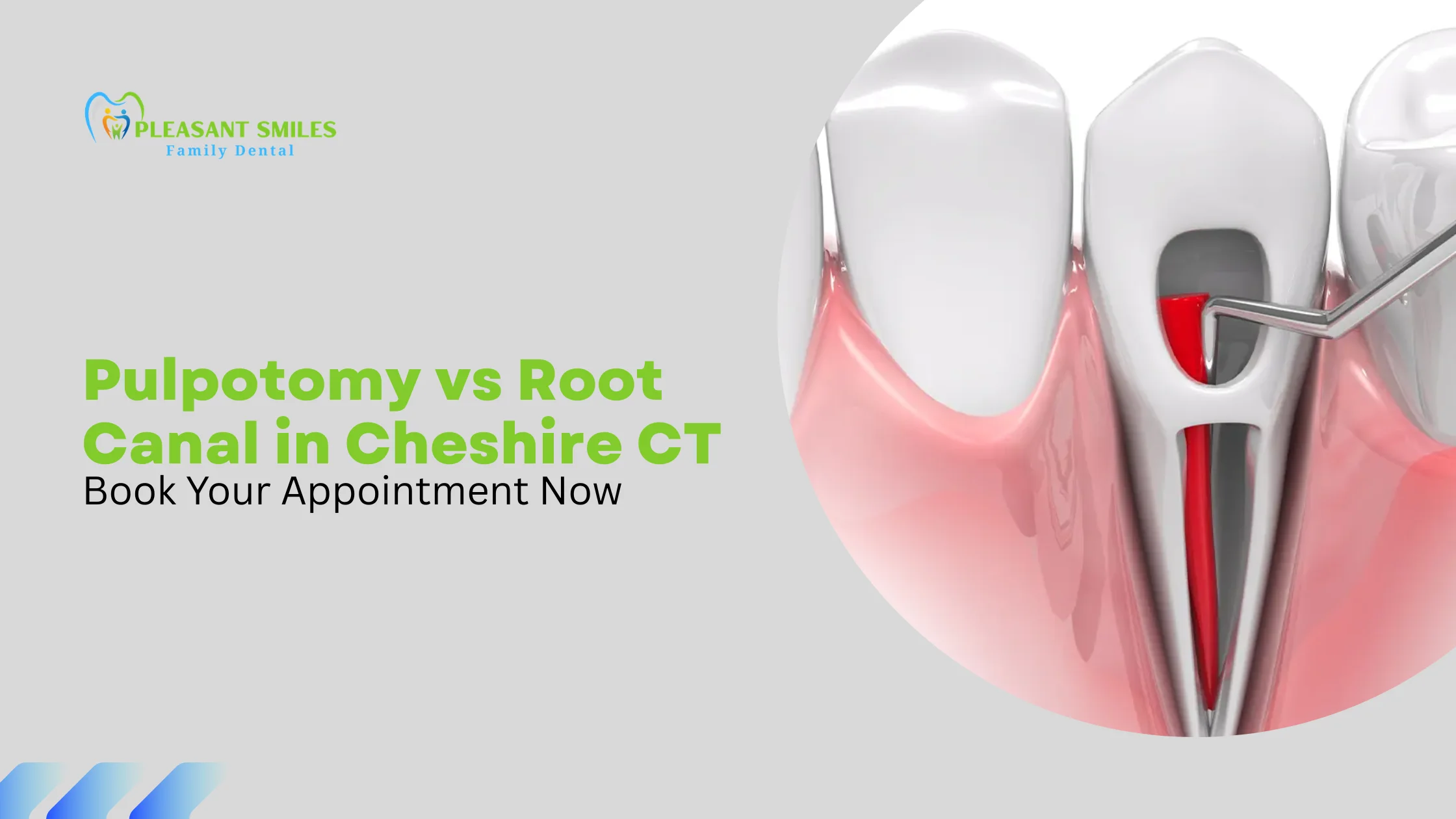
A pulpotomy removes only the infected pulp from the top of the tooth. The healthy pulp inside the roots is left untouched.

A root canal removes all the pulp. From the top of the tooth and from every root canal. The inside is then cleaned, disinfected and sealed.

In short, a pulpotomy is partial. A root canal is complete. The right choice depends on how far the infection has spread.

What is Tooth Pulp and Why Does It Matter?

Tooth pulp is the soft tissue inside your tooth. It contains nerves and blood vessels. It helps the tooth grow and lets it sense hot and cold.

When decay or injury reaches the pulp, bacteria get inside. The pulp gets inflamed first. If nothing is done, it becomes infected. The infection then travels down into the roots and into the bone around the tooth.

How far this damage has spread is what decides your treatment. That is why two people with similar tooth pain can need very different procedures.

What is a Pulpotomy?

A pulpotomy is a smaller dental procedure. The dentist removes only the infected pulp from the top part of the tooth. The healthy pulp inside the roots stays in place.

A medicated dressing is placed over the remaining pulp to calm it and protect it. The tooth is then sealed with a filling. In children, a stainless steel crown is often added on top.

The goal is simple. Stop the infection from spreading without removing tissue that is still healthy. This treatment is most often done on baby teeth. But it is also used on permanent teeth in young adults when enough healthy pulp is left.

When a Pulpotomy is the Right Choice

You or your child may need a pulpotomy if:

  • The infection is mild and has not reached the roots
  • Tooth pain started recently and is still mild
  • A baby tooth has deep decay but the roots are still healthy
  • A young permanent tooth was injured before the root finished growing
  • There is no swelling, no abscess and no infection seen on the X-ray

If any of these are missing, a pulpotomy will usually not be enough.

What is a Root Canal?

A root canal is the full treatment. It is needed when the infection has already gone deep into the tooth or when the pulp is dead.

The dentist removes all the pulp. Both from the top of the tooth and from every canal inside the roots. The inside is then cleaned, shaped and disinfected. Once the tooth is fully clean, it is sealed with a special material so bacteria cannot get back in.

Most back teeth then need a crown on top. This is because a tooth without pulp is more brittle and can crack under chewing pressure.

When a Root Canal is the Right Choice

You may need a root canal if:

  • The pain is sharp, throbbing or wakes you up at night
  • Hot or cold pain lasts more than 30 seconds after the trigger is gone
  • The gum near the tooth is swollen or has a small bump
  • The tooth has changed colour and looks darker than the others
  • The X-ray shows a dark spot at the tip of the root
  • A deep cavity, crack or old filling has reached the nerve

Pulpotomy vs Root Canal: Key Differences

Feature Pulpotomy Root Canal
Pulp removed Only from the top of the tooth All pulp, top and roots
Tooth stays alive Yes No
Best for Early stage infection Deep or complete infection
Number of visits Usually 1 Often 1 to 2
Treatment time 20 to 40 minutes 60 to 90 minutes per visit
Final restoration Filling or steel crown Almost always a crown
Common in Children and young adults All ages
Cost Lower Higher

How Your Dentist Decides Between the Two

Most patients think the choice is based on how much the tooth hurts. It is not. Pain alone is not reliable. Some teeth with serious infections barely hurt. Some mild cases hurt a lot.

Your dentist looks at four main things.

The X-ray. A dark area at the tip of the root means the infection has reached the bone. This rules out a pulpotomy.

Pulp testing. Cold tests and other simple tests show whether the nerve is still alive and how it is reacting.

Bleeding inside the tooth. Once the dentist opens the tooth, the colour of the pulp tells the rest of the story. Bright red blood that stops in a few minutes means the deeper pulp is healthy. Dark, slow blood means the pulp is dying. The first case is a pulpotomy. The second is a root canal.

Your history. Pain at night, swelling that came and went, or a tooth that has been “off” for months all point to deeper infection.

This is why a proper clinical check matters more than guessing from symptoms.

Symptoms That Mean You Need Treatment Soon

Some tooth pain is harmless. Other signs mean the problem is getting bigger by the day. Watch out for these:

  • Pain that does not go away or comes back at night
  • Sensitivity to hot or cold that lingers for more than 30 seconds
  • Pain when biting or chewing on one side
  • Swollen gums or face around the tooth
  • A bad taste, pus or a small pimple-like bump on the gum
  • A tooth that has slowly turned grey or darker

The longer you wait, the fewer options you will have. A pulpotomy can turn into a root canal. A root canal can turn into an extraction.

Pros and Cons of Pulpotomy

Pros

  • Less invasive
  • Shorter appointment, usually one visit
  • Cheaper than a root canal
  • The tooth stays alive
  • Lower risk of the tooth becoming brittle later

Cons

  • Only works if the deeper pulp is truly healthy
  • May need to be converted to a root canal later if the case was misjudged
  • Less predictable in adult permanent teeth than in baby teeth

Pros and Cons of Root Canal

Pros

  • Removes the source of infection completely
  • Very high success rate. Often above 90 percent over 10 years
  • Stops the infection from reaching the jawbone
  • Saves the natural tooth
  • With a crown, the tooth can chew normally for many years

Cons

  • More invasive and takes longer
  • Costs more, plus the crown is a separate cost
  • The tooth becomes non-vital
  • A small number of cases need repeat treatment

Which is Better, Pulpotomy or Root Canal?

There is no single winner. They solve different problems.

If the pulp is mostly healthy and the damage is small and recent, a pulpotomy is the smarter choice. It saves more of your natural tooth. Doing a root canal in this case would be too much treatment.

If the pulp is already infected throughout or dead, a pulpotomy will fail. Sometimes within weeks. The patient then ends up needing a root canal anyway. In that case, a root canal from the start is the better choice.

The right treatment is the one that matches the real condition of the tooth. That is why a proper diagnosis with an X-ray and pulp test matters more than what you read online.

Alternatives to Pulpotomy and Root Canal

Sometimes neither treatment is the right fit. The other options are:

  • Pulpectomy: This removes all the pulp from a baby tooth. It is used when a pulpotomy is not enough but a full root canal is too much.
  • Tooth extraction: Used when the tooth is broken too badly, has a cracked root, or cannot be rebuilt. Often the last option.
  • Replacing the tooth: If a tooth is pulled, an implant or bridge can fill the gap. This matters most for back teeth used for chewing.
  • Watchful waiting: Used only in very early cases. The dentist places a deep filling and checks the tooth over time to see if the pulp settles down.

Saving your natural tooth is almost always the first goal. No implant feels exactly like your own tooth.

What to Expect After Each Treatment

After a pulpotomy, most people feel mild soreness for a day or two. Soft food helps. Most patients are back to normal eating within 24 hours.

After a root canal, the tooth can feel tender for 3 to 5 days. Especially when you bite on it. Over the counter pain medicine handles this. Avoid chewing hard or sticky food on that tooth until the permanent crown is placed.

For both treatments, long-term success comes down to two simple things. Brushing twice a day. And going for your follow-up visit. Most failures are not from the procedure itself. They come from skipped crowns or new cavities forming next to the filling years later.

About Pleasant Smiles Family Dental

At Pleasant Smiles Family Dental, the focus is on understanding what is actually happening inside the tooth. Not just the surface pain. Every case is checked carefully so the real cause of the problem is clear before any treatment is suggested.

Dr. Vijitha Bandla follows a condition-based approach to dental care. Treatment is chosen based on the health of the tooth, the level of infection, and the overall oral condition of the patient.

If you’re experiencing tooth pain or unsure whether you need a pulpotomy or root canal, scheduling a consultation can help you get clarity on the right treatment for your situation.

Pulpotomy vs Root Canal FAQs

1. Is a pulpotomy the same as a root canal?

No. A pulpotomy removes only the pulp from the top of the tooth. A root canal removes all the pulp from the top and from every root. They are used at different stages of the same problem.

2. Is a pulpotomy painful?

The procedure itself is not painful because it is done under local anesthesia. Some mild soreness for a day or two is normal and goes away with simple pain medicine.

3. Can a pulpotomy fail?

Yes. The most common reason is that the deeper pulp was already infected at the time of treatment but did not show clear signs. If this happens, the next step is usually a root canal.

4. How long does a root canal last?

A root canal with a properly placed crown can last 10 to 30 years. Many last for the lifetime of the tooth. Studies show success rates above 90 percent over 10 years when both the root canal and the crown are done well.

5. Can adults get a pulpotomy?

Yes. It is less common than in children but it is possible. Young adults with a recent injury or deep decay can be good candidates if the deeper pulp is still healthy.

6. Is a root canal safer than pulling the tooth?

For most teeth, yes. Pulling a tooth removes the infection but leaves a gap. This affects your bite and the bone around the area over time. Keeping your natural tooth is almost always the better long-term choice.

7. Does every root canal need a crown?

Most back teeth do. They take heavy chewing pressure and can crack without protection. Front teeth sometimes do not need a crown if enough healthy structure is left.

Water Flosser vs Regular Floss: Which is Better for Oral Health?

When it comes to daily oral care, many patients ask about water flosser vs regular floss and which one actually works better. The confusion is understandable—both claim to clean between teeth, but they do it very differently.

Flossing is essential because brushing alone misses about 35–40% of tooth surfaces, especially between teeth where plaque builds up. Choosing the right method can directly impact your gum health and long-term dental outcomes.

In this guide, you’ll get a clear, expert-backed comparison to help you decide what fits your routine, lifestyle, and oral health needs.

What Is a Water Flosser?

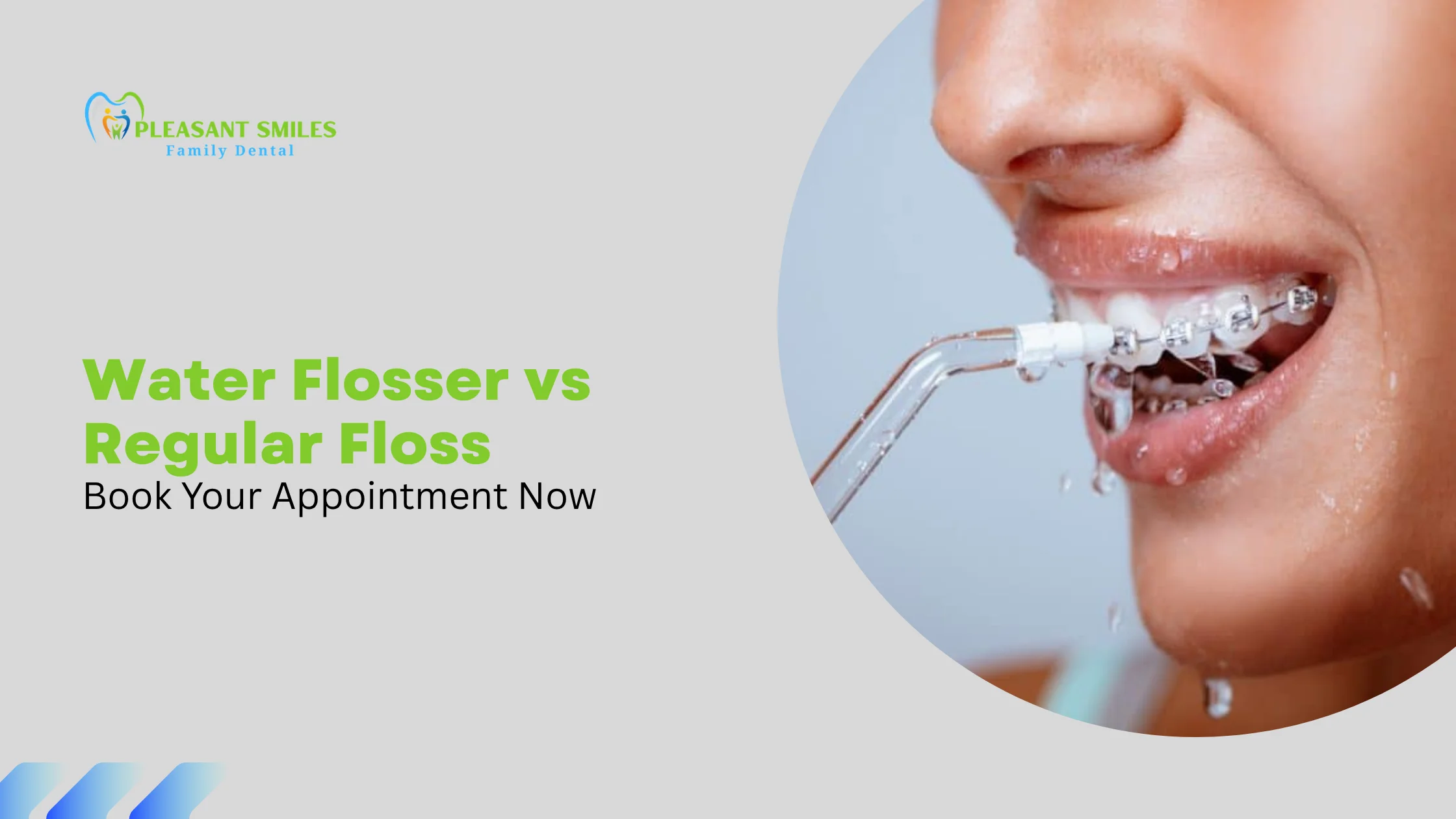
A water flosser is a device that uses a pressurized stream of water to clean between teeth and along the gumline. It’s also known as an oral irrigator.

Instead of physically scraping plaque like string floss, it flushes out food particles and bacteria. This makes it especially helpful for people with braces, implants, or sensitive gums.

According to the American Dental Association, water flossers can be effective for reducing plaque and gingivitis when used properly. Many modern devices also come with adjustable pressure settings for comfort.

What Is Regular Dental Floss?

Regular dental floss is a thin strand designed to physically remove plaque and debris from between teeth. It has been the standard recommendation for decades.

Floss works by sliding between tight spaces and scraping plaque directly off the tooth surface. This is something water alone may not fully achieve.

The Centers for Disease Control and Prevention emphasizes flossing daily as a key step in preventing gum disease and tooth decay, especially in areas a toothbrush cannot reach.

Water Flosser vs Regular Floss – Key Differences

At first glance, both tools seem to do the same job—clean between your teeth. But once you start using them, the difference becomes very clear. Each works in its own way, and each has strengths that suit different situations.

Feature Water Flosser Regular Floss Winner
Plaque Removal Great for flushing out food particles and bacteria from around the gums and hard-to-reach areas Best at physically removing sticky plaque by scraping tooth surfaces directly Regular Floss
Ease of Use Simple and quick, especially helpful for braces, implants, or limited hand movement Requires proper technique and a bit of practice to use effectively Water Flosser
Gum Health Gentle on gums and helps reduce inflammation with a massaging effect Very effective at cleaning along the gumline, but can irritate if done aggressively Tie
Cost Higher initial cost due to the device Very affordable and widely available Regular Floss
Portability Less convenient for travel due to size and need for power Easy to carry and use anywhere Regular Floss

If you’re looking for precision and deep plaque removal, regular floss still holds a slight edge. But if comfort and ease matter more—especially with braces or sensitive gums—a water flosser can make daily cleaning much easier to stick with.

In reality, it’s not about choosing one over the other. Water flossers are excellent for improving gum health, while regular floss remains the gold standard for cleaning tight spaces between teeth.

What Are the Benefits of Water Flossers?

Water flossers are simple to use and gentle on the gums, making them a great option for people who find traditional floss difficult.

  • Gentle on sensitive gums: The steady water stream cleans without the harsh pressure of string floss.
  • Ideal for braces and implants: Easily reaches around wires, crowns, and other dental work.
  • Helps reduce gum bleeding: Regular use can improve gum health and lower inflammation.
  • Beginner-friendly: Requires less technique, making it easier to stay consistent.

Research published in the Mayo Clinic has shown that water flossers can be particularly effective in reducing gum bleeding when used regularly.

What Are the Benefits of Regular Floss?

Regular floss continues to be one of the most reliable ways to clean between teeth, especially in areas a toothbrush can’t reach.

  • Removes plaque directly: The string makes physical contact with the tooth surface, helping clear stubborn buildup.
  • Affordable and accessible: It’s inexpensive and easy to find anywhere.
  • No power needed: Simple to use at home or while traveling.
  • Clinically proven: Backed by years of dental research and routine recommendations.

Dentists in Cheshire CT often prefer floss for its precision, especially when cleaning tight spaces where plaque tends to hide.

What Are the Disadvantages of Water Flossers?

Water flossers are convenient and gentle, but they’re not the perfect fit for every situation. It’s important to understand where they may fall short.

  • Higher upfront cost: The device is more expensive compared to regular floss.
  • Needs power and water: Less convenient when traveling or on the go.
  • Limited for tight spaces: May not fully remove sticky plaque between closely spaced teeth.
  • Requires maintenance: Regular cleaning is needed to keep the device hygienic.

For many people, a water flosser works best as a supportive tool rather than a complete replacement for traditional floss.

What Are the Disadvantages of Regular Floss?

Regular floss works well, but it does require the right technique and consistency to be effective. For many people, that’s where the challenge begins.

  • Technique-sensitive: If not used properly, floss may miss plaque or fail to clean effectively.
  • Can irritate gums: Flossing too hard or snapping it can cause bleeding and discomfort.
  • Difficult with braces: It can be tricky to maneuver around wires, brackets, or dental work.
  • Not beginner-friendly: Some people find it awkward, which leads to skipping it altogether.

This is why many patients prefer water flossers—they’re often easier to use and fit more comfortably into a daily routine.

Which Is More Effective According to Dentists?

Both options work well—but they serve slightly different purposes in your routine. The key isn’t choosing one over the other, but using the right tool consistently.

The Pleasant Smiles Family Dental supports daily interdental cleaning, whether it’s with floss or a water flosser. What matters most is how regularly and correctly you use it.

  • Regular floss is more effective at removing plaque tightly stuck between teeth
  • Water flossers are better at improving gum health and reducing bleeding

In practice, many dentists recommend combining both methods to get the most complete clean.

Water Flosser vs Regular Floss: Which Should You Choose?

The right choice really comes down to your oral condition and what you’ll actually use every day. Both options work well—consistency matters more than perfection.

  • Choose a water flosser if: you have braces, implants, or sensitive gums and want a gentler, easier routine.
  • Choose regular floss if: your teeth are tightly spaced and you need precise plaque removal between contacts.
  • Go for a water flosser if: you find traditional floss difficult or tend to skip it altogether.
  • Stick with regular floss if: you prefer a simple, low-cost option that’s easy to carry anywhere.

In the end, the best option is the one you can use consistently without skipping days.

When Should You Talk to a Dentist?

If your gums bleed regularly, feel swollen, or you notice ongoing bad breath, it’s a sign you shouldn’t ignore. These symptoms often point to early gum issues that need attention.

Gum disease can develop quietly, and by the time it becomes obvious, it may already be progressing. Getting checked early helps prevent more serious problems and protects your long-term oral health.

At Pleasant Smiles Family Dental, Dr. Vijitha Bandla focuses on understanding your specific needs and guiding you toward a practical, easy-to-follow oral care routine that fits your daily life.

Conclusion

When comparing water flosser vs regular floss, the right choice depends on your specific needs, comfort, and consistency. Regular floss is excellent for removing plaque, while water flossers are great for improving gum health and ease of use.

The best results often come from combining both methods and maintaining a consistent routine. Oral health is not about perfection—it’s about habits you can stick to daily.

If you’re unsure which option is right for you, schedule a consultation with Pleasant Smiles Family Dental. Dr. Vijitha Bandla and the team can guide you toward a routine that protects your gums, teeth, and long-term oral health with confidence.

Water Flosser vs Regular Floss FAQs

1. Is a water flosser better than regular floss?

It depends on your needs. Water flossers are great for improving gum health and reducing bleeding, while regular floss is better at removing plaque between tight teeth. Many dentists suggest using both for the best results.

2. Do dentists recommend water flossers?

Yes, especially for people with braces, implants, or sensitive gums. The American Dental Association recognizes water flossers as an effective way to clean between teeth and support gum health.

3. Can a water flosser replace regular floss?

Not completely. A water flosser can remove debris and bacteria, but it may not fully clean tight spaces where plaque sticks. For thorough cleaning, combining both methods is often recommended.

4. Is water flossing enough to remove plaque?

Water flossing helps flush out bacteria and food particles, but it doesn’t always remove sticky plaque from tooth surfaces. Regular floss is more effective for that mechanical cleaning.

5. Which is better for gum disease?

Water flossers are often more helpful for gum disease because they gently clean below the gumline and reduce inflammation. However, pairing them with regular floss can improve overall results.

Dental Implants vs Veneers: Which Option is Right for You?

Introduction

When patients start comparing dental implants vs veneers, it’s usually because they want a long-lasting solution to improve their smile. But the truth is, these two treatments serve very different purposes, and choosing the wrong one can lead to disappointing results.

In my experience, many people assume veneers and implants are interchangeable, when in reality, one replaces missing teeth while the other enhances existing ones. Understanding this difference is the key to making the right decision for your oral health and appearance.

In this guide, we’ll break down everything you need to know—from how each treatment works to their pros, limitations, costs, and ideal candidates—so you can confidently choose what’s best for your smile.

What Are Dental Implants?

Dental implants are a permanent solution for replacing missing teeth. Instead of sitting on the gums like dentures or relying on adjacent teeth like bridges, implants are placed directly into the jawbone, acting as artificial tooth roots.

The process involves inserting a small titanium post into the bone, which gradually fuses with it through a natural process called osseointegration. Once healed, a crown is placed on top, creating a tooth that looks, feels, and functions very much like a natural one.

What makes implants unique is their ability to restore both function and structure. They don’t just fill a gap—they help maintain jawbone density, support facial structure, and allow you to chew comfortably without worrying about movement or instability.

Advantages of Dental Implants

Strong and Stable Fit: Dental implants are securely anchored into the jawbone, providing exceptional stability. This allows you to eat, speak, and smile confidently without worrying about movement or slipping.

Preserves Jawbone Health: Implants stimulate the jawbone just like natural tooth roots, helping prevent bone loss that typically occurs after missing teeth. This also helps maintain your natural facial structure over time.

Long-Lasting Solution: With proper care and regular dental visits, implants can last for decades. Their durability makes them one of the most reliable tooth replacement options available.

Natural Look and Feel: Implants are designed to closely mimic natural teeth in both appearance and function, making them virtually indistinguishable from your existing teeth.

Protects Surrounding Teeth: Unlike bridges, implants do not rely on adjacent teeth for support. This helps preserve the strength and integrity of your natural teeth.

Improved Chewing Ability: Because implants function like real teeth, they restore strong biting force, allowing you to enjoy a wider range of foods without discomfort.

Enhanced Comfort: Since implants become part of your jawbone, they eliminate the discomfort often associated with removable dental appliances.

Easy Maintenance: Caring for dental implants is simple and similar to natural teeth—regular brushing, flossing, and routine dental checkups help keep them in excellent condition.

Disadvantages of Dental Implants

Surgical Procedure Required: Dental implants involve a minor surgical process to place the implant into the jawbone. This may not be suitable for patients with certain medical conditions or those who prefer non-invasive treatments.

Longer Treatment Timeline: The process takes time, as the implant must heal and integrate with the bone before the final crown is placed. In most cases, the full treatment can take several months.

Higher Initial Cost: Implants typically require a greater upfront investment compared to other options. While they offer long-term value, the initial expense can be a concern for some patients.

Requires Adequate Bone Support: Successful implant placement depends on having sufficient jawbone density. Patients with bone loss may need additional procedures like bone grafting before treatment.

Healing and Recovery Period: After the implant is placed, a healing phase is necessary. Some patients may experience temporary discomfort, swelling, or dietary restrictions during recovery.

Not Ideal for Every Patient: Certain health conditions, such as uncontrolled diabetes or heavy smoking, can affect healing and may impact the success of dental implants.

Multiple Appointments Needed: Unlike some cosmetic treatments, implants require several visits for placement, healing, and final restoration, which may not suit patients looking for a quicker solution.

Maintenance Still Required: Although implants are durable, they still require proper oral hygiene and regular dental checkups to prevent complications like gum infection around the implant.

What Are Dental Veneers?

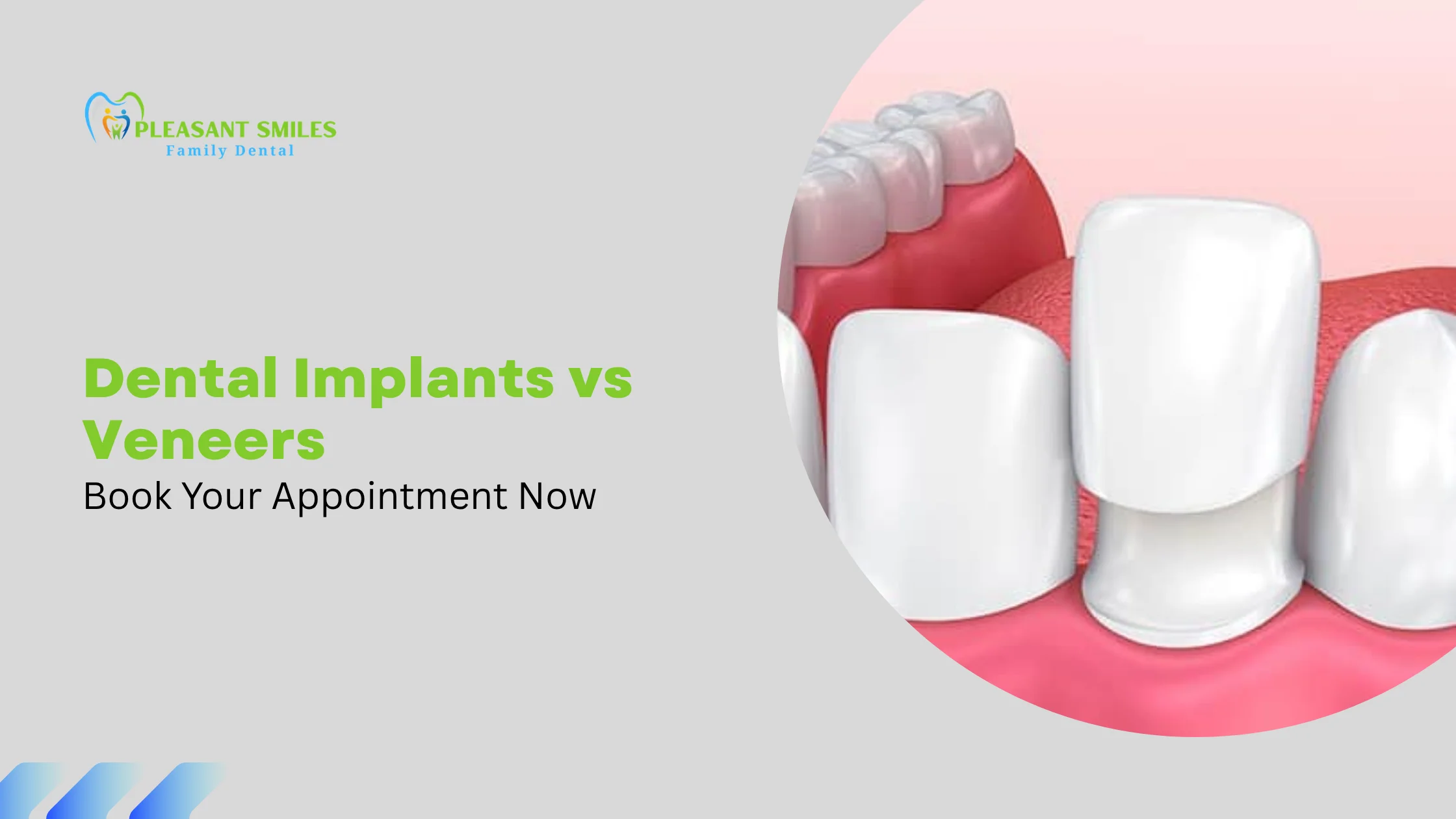
Dental veneers are thin, custom-made shells designed to cover the front surface of your teeth and improve their appearance. They are typically made from porcelain or composite resin and are bonded directly to the teeth.

Unlike implants, veneers do not replace missing teeth. Instead, they are used to correct cosmetic concerns such as discoloration, chipped edges, gaps, uneven shapes, or slightly misaligned teeth. They’re often chosen by patients looking for a quick and noticeable smile transformation.

One of the reasons veneers are so popular is their ability to create a dramatic improvement in a relatively short time. With proper planning and design, veneers can enhance the color, shape, and symmetry of your smile while still looking natural.

Advantages of Dental Veneers

Quick Smile Transformation: Veneers offer fast cosmetic improvements, often transforming your smile in just a few appointments, making them ideal for patients looking for noticeable results without lengthy treatments.

Highly Natural Appearance: Porcelain veneers are crafted to reflect light similarly to natural teeth, helping them blend seamlessly and create a bright, realistic smile.

Fix Multiple Issues at Once: Veneers can address several concerns in one treatment, including discoloration, minor gaps, uneven shapes, and worn edges, simplifying the overall smile makeover process.

Minimally Invasive Option: Compared to crowns, veneers require only slight enamel removal, preserving most of your natural tooth while still achieving strong and aesthetic results.

Long-Lasting Durability: With proper care, high-quality veneers can last many years, making them a reliable option for maintaining a confident smile over time.

Stain Resistance: Porcelain veneers are resistant to common stains from coffee, tea, and other foods, helping your smile stay brighter for longer compared to natural teeth.

Boosts Confidence: By improving the overall look of your teeth, veneers can significantly enhance self-confidence, especially in social and professional settings.

Disadvantages of Dental Veneers

Permanent Enamel Removal: Veneers require removing a thin layer of enamel, making the procedure irreversible. Once placed, the tooth will always need protection with veneers or a similar restoration.

May Cause Tooth Sensitivity: Some patients experience increased sensitivity to hot and cold after treatment due to enamel reduction, especially in the initial weeks following veneer placement.

Not Ideal for All Cases: Veneers may not be suitable for patients with severe decay, weak teeth, or habits like teeth grinding, as these factors can affect long-term success.

Risk of Chipping or Cracking: Although durable, veneers are not indestructible. Biting hard objects or excessive pressure can cause them to chip or fracture over time.

Replacement May Be Needed: Veneers are long-lasting but not permanent. Most need replacement after 10–15 years, depending on oral care and lifestyle habits.

Limited Repair Options: If a veneer is damaged, it often cannot be repaired easily and may require full replacement to restore appearance and function.

Cost Consideration: Veneers can be a significant investment, and since they are typically cosmetic, they may not be covered by insurance plans.

Possible Gum Adjustment Issues: In some cases, gums may take time to adapt to veneers, which can temporarily affect comfort or appearance.

Does Not Treat Underlying Problems: Veneers focus on aesthetics and do not fix deeper dental issues such as infections, gum disease, or structural damage, which must be treated separately.

Dental Implants Vs. Veneers: Comparing Costs, Longevity, and Results

When comparing dental implants vs veneers, the choice depends on your goals—whether you need to restore missing teeth or enhance the appearance of existing ones. Both treatments improve your smile, but they differ in function, durability, and long-term value.

Costs: Veneers usually have a lower upfront cost, especially when treating a few visible teeth. However, since they may need replacement over time, the overall expense can increase. Implants require a higher initial investment but often prove more cost-effective long term due to their durability.

Longevity: Dental implants are designed to last 20 years or more and can even last a lifetime with proper care. Veneers typically last 10–15 years, after which they may need replacement to maintain appearance and function.

Results: Both options deliver natural-looking results. Implants replace the entire tooth structure, offering both functional and aesthetic benefits. Veneers enhance the front surface of teeth, focusing mainly on improving cosmetic appearance.

Maintenance: Implants are cared for like natural teeth with regular brushing, flossing, and dental visits. Veneers require similar care, but patients should avoid habits like biting hard objects to prevent damage.

Procedure: Veneers are less invasive and usually completed in a few appointments with minimal downtime. Implants involve a surgical procedure and healing phase, making the process longer but more comprehensive.

Dental Health Impact: Implants help preserve jawbone density and prevent bone loss after tooth loss. Veneers maintain most of the natural tooth but require slight enamel removal, which is permanent.

Suitability: Implants are ideal for replacing missing or severely damaged teeth. Veneers are better suited for cosmetic concerns like discoloration, small gaps, or uneven shapes in otherwise healthy teeth.

Insurance Coverage: Both veneers and implants are often considered cosmetic procedures, so insurance coverage may be limited. It’s important to review your plan and discuss options with your dental provider.

Which One Offers Better Results?

The better option depends entirely on your dental needs. If you’re dealing with missing teeth or need a strong, functional replacement, implants are the better choice. If your teeth are healthy but you want to improve their appearance—such as color, shape, or alignment—veneers can deliver excellent cosmetic results.

Who Should Choose Veneers?</b>

Veneers are best suited for individuals who want to improve the appearance of their smile rather than fix major dental problems. They work well when teeth are healthy but have visible cosmetic concerns.

People with stubborn stains, minor chips, small gaps, or slightly uneven teeth can benefit from veneers, as they address multiple aesthetic issues in a single treatment.

They are also a great option for those looking for quick smile enhancement with natural-looking results. However, good oral health, including healthy gums and strong teeth, is essential before choosing veneers.

Who Should Choose Dental Implants?

Dental implants are ideal for individuals who have one or more missing teeth and are looking for a permanent, stable replacement option that closely mimics natural teeth. They restore both function and appearance effectively.

They are a strong choice for those struggling with chewing difficulties, noticeable gaps, or concerns about jawbone loss over time. Implants also help maintain facial structure and long-term oral health.

Suitable candidates should have healthy gums and adequate jawbone support. In cases where bone strength is insufficient, supportive treatments like bone grafting can often make implants a viable solution.

Veneers Vs. Implants: Which Is Better for You?

Choosing between veneers and implants depends entirely on your dental needs, overall oral health, and personal smile goals. Since both treatments serve different purposes, the right option varies from patient to patient.

If your teeth are healthy but you want to improve their appearance—such as color, shape, or minor alignment—veneers can deliver a quick and natural-looking cosmetic enhancement with minimal tooth alteration. However, if you have missing teeth or need a stronger functional replacement, dental implants offer a long-term and highly stable solution.

The best decision is usually made after a detailed dental evaluation. A professional dentist can examine your condition, discuss your expectations, and suggest a treatment plan tailored specifically for you.

If you’re considering improving your smile, you can book a consultation with Pleasant Smiles Family Dental to explore whether veneers or implants are right for you.